 EN
EN

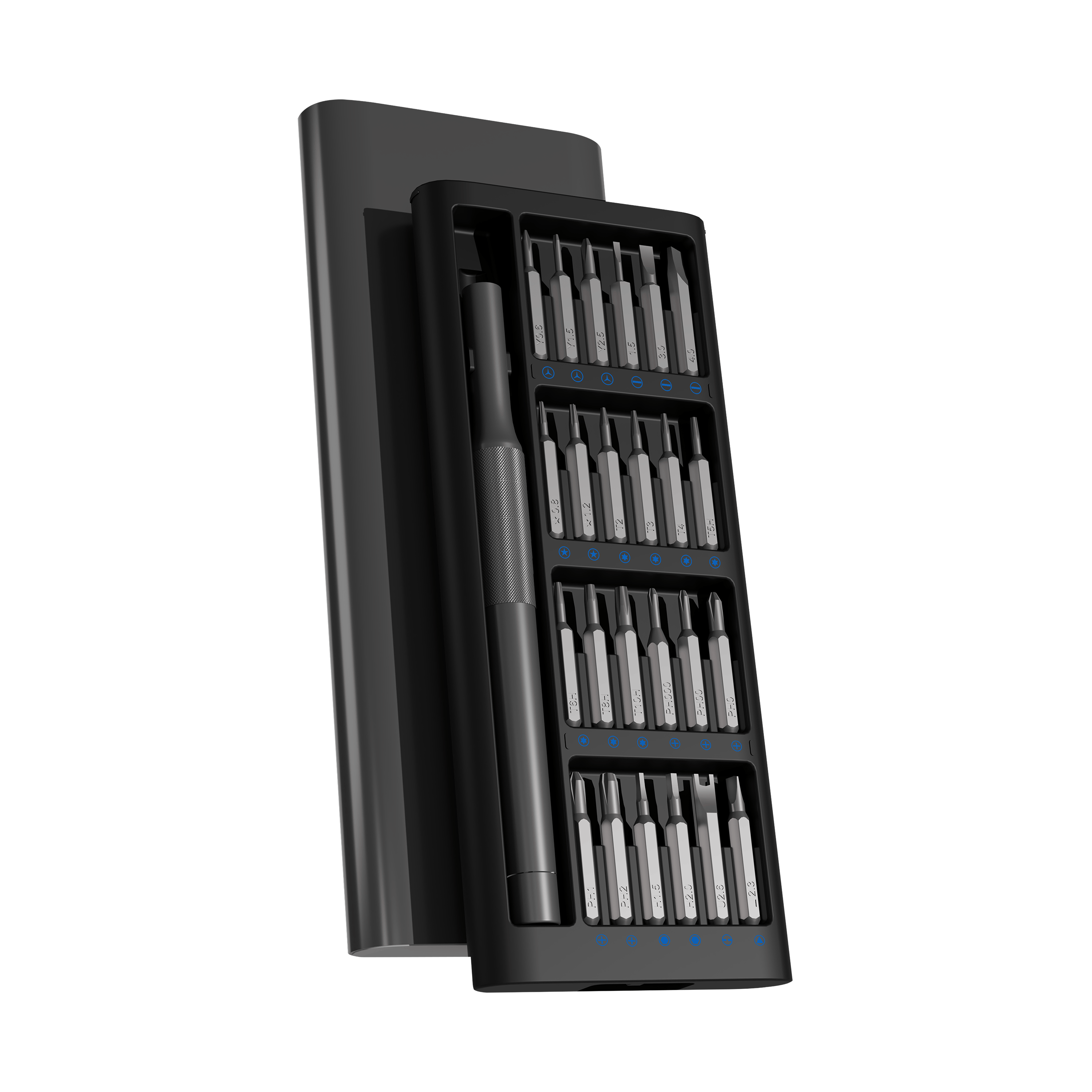
בנוף התעשייתי המודרני, שמתמקד בדיוק, כלי עבודה סטנדרטיים נוטים להיכשל כאשר מתמודדים עם דרישות הרכבה מיוחדות, עיצובים ייחודיים של חיבורים או אילוצים ארגונומיים שמיוחדים לזרמים מסוימים של עבודה. בין אם אתם מנהלים פעולות תיקון אלקטרוניקה, מתקני תחזוקה לאוטומובילים או סביבות ייצור מדויק, הגבלות של פלטים מוכנים מראש עלולות לגרום לאי-יעילות, לפגוע באיכות ולגביר את העלות הפעולה. מציאות זו גרמה לארגונים קדימה לאמץ פתרונות מברגים מותאמים אישית שמתאימים בדיוק לאתגרים הפעליים הספציפיים שלהם, ומאפשרים הגברת יעילות, הפחתת שיעורי השגיאות והשגת שביעות רצון גבוהה יותר מהעובדים במגוון רחב של תרחישים יישומיים.
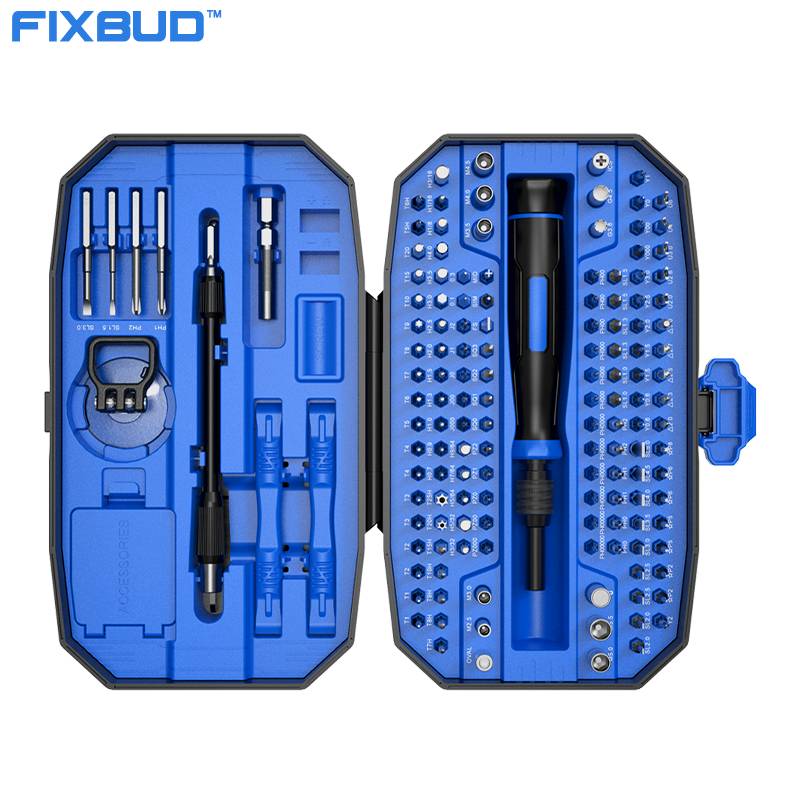
הבנת האופן שבו פתרונות מברגים מותאמים אישית מתמודדים עם נקודות הכאב التشغיליות הייחודיות הללו דורשת בחינה של המפגש בין הנדסת כלים, דרישות יישום ספציפיות ועיצוב שמתמקד בגורמים האנושיים. בניגוד לקבוצות כלים כלליות שממקדות את עניינן במגוון רחב של קהל לקוחות, מערכות מברגים מותאמות פותחו באמצעות ניתוח זהיר של התנאים בשטח, مواصفות הסוגרים, דרישות המומנט, מגבלות הגישה והאנטומיה של המשתמש. מאמר זה חוקר את הערך האסטרטגי של פתרונות מברגים מותאמים בכל מימד, החל מהזיהוי של האתגרים המרכזיים הדורשים התאמה ועד להערכה של אסטרטגיות יישום שמממשות את התשואה על ההשקעה ואת מצוינות הפעולה בסביבות מקצועיות.
זיהוי את האתגרים הפעליים הדורשים פתרונות מברגים מותאמים
מערכות סוגרים ייחודיים ותצורות נעילה לא סטנדרטיות
ייצרנים רבים מיישמים עיצובים ייחודיים של ברגים כדי להגן על רכוש פיקוחי, להבטיח תחזוקה מורשית או לשפר את התנגדות הלחיצה במוצרים לצרכן. ראשי הברגים המיוחדים האלה — החל מגירסאות אבטחה של טורקס, דרך גלגלוני-שלושה, פנטאלוב ותבניות רב-נקודות מותאמות אישית — הופכים סטים קונבנציונליים של פטישים ללא יעילות. ארגונים המטפלים במוצרים אלו ללא גישה לפתרונות פטישים מותאמים נפגעים מתוספת זמן חוסר פעילות, סיכון מוגבר לפגיעת הברגים וסיבוכים פוטנציאליים בתקופת האחריות. האתגר מתגבר כאשר עוסקים בשורות מוצרים בינלאומיות, שבהן תקני הברגים משתנים באופן משמעותי בין אזורים ייצור שונים.
מעבר למתאמה פשוטה של סוגי הנעה לא שגרתיים, פתרונות מברגים מותאמים אישית מתמודדים עם הדיוק הממדי הדרוש באלקטרוניקה ממוזערת, שם סבירות השגיאה הסטנדרטית של כפתורים איננה מספיקה. תיקון ציוד רפואי, שיקום סמרטפונים ועבודה על מכשירי מדידה מדויקים דורשים כלים המיוצרים לדרישות מדויקות יותר מאשר חלופות ששווקו בקנה מידה גדול. כאשר משטחי ההנעה של הכפתור סוטים אפילו במעט מהגאומטריה האופטימלית, מספר אירועים של החלקה (cam-out) גדל, איכות המראה החיצונית נפגעת, ומספר מחזורי העבודה החוזרים עולה. כלים מותאמים אישית מאפסים את תופעות הכשל הללו באמצעות דיוק מתואם ליישום ספציפי, דבר שלא ניתן להשיג בכלים כלליים ביעילות כלכלית.
מגבלות ארגונומיות ונושאי לחץ חוזר
עובדי קו lắpת וטכנאי תחזוקה המבצעים מאות פעולות חיבור יומיות ניצבים בפני אתגרים ארוגונומיים משמעותיים שמסרגות סטנדרטיות רק מחמירים ולא מקלים עליהן. קוטרי הידיות, אשר אופטימליים לממדים ממוצעים של אחיזה, מהווים בעיה לעובדים בעלי ידיים קטנות או גדולות מדי, בעוד שאורכי הידיות, המתאימים לשימוש כללי, יוצרים חיסרון בהנעה במשימות הדורשות מומנט גבוה. האפקט המצטבר מתבטא בפציעות נגזרות מחזוריות, ירידה בייצוריות ובמספר הגבהות פיצויים לעובדים. פתרונות מסרגות מותאמים אישית עונים על אתגרי הגורמים האנושיים הללו באמצעות גאומטריות אחיזה, חומרים לידיות ואורכים שמתאימים לאוכלוסיית המשתמשים ולדרישות המשימה.
קיצוניי הטמפרטורה מייצגים ממד נוסף שבו כלים סטנדרטיים הופכים לאמספקים. תחזוקת כלי טיס באולם לא מחומם בחודשי החורף, שרות ציוד בתעשייה התהליכית בטמפרטורות סביבתיות גבוהות, ופעולות במקלחת נקיון עם דרישות ייחודיות לсовместимות חומרים – כולן דורשות שיקולים תרמיים וחומריים מעבר לדרישות הספציפיקציות הרגילות של פלך-ברג. פתרונות מותאמים כוללים חומרים למתלה שבעלי מוליכות תרמית מתאימה, טיפולים משטحيים שמשמרים את האחיזה בכל טווח הטמפרטורות, ובחר חומרים שמתאימים לפרוטוקולי בקרת זיהום ספציפיים לתעשייה.
מגבלות גישה וקשיי מגבלת מקום
אריזת ציוד צפופה באלקטרוניקה מודרנית, במערכות רכב ובמכונות תעשייתיות יוצרת לעיתים קרובות מצבים שבהם ברגים ממוקמים במיקומים שאינם נגישים למברגים באורך סטנדרטי. נקודות הרכבה שקועות, זוויות גישה חסומות ומגבלות של רווח סביב רכיבים המורכבים יוצרים מצבים שבהם כלים קונבנציונליים פשוט לא יכולים להגיע לברגים היעדים ללא פירוק נרחב. מגבלה זו מתפשטת לזמן שירות ארוך יותר, לעלות עבודה גבוהה יותר ולסיכון גבוה יותר לנזק לוואי לרכיבים הסמוכים בעת ניסיון הגישה. פתרונות מברגים מותאמים אישית, שפותחו עם אורכי גוף, זוויות עקומה וזווית חיצונית דקיקה שמתאימים ליישום מסוים, מאפשרים גישה ישירה לברגים ומשנים את יעילות השירות.
האתגר מתגבר בסביבות שירות בשטח, שבהן טכנאים חייבים לשאת ערכת כלים מקיפה לכלל קריאות השירות השונים, מבלי להוסיף משקל או נפח מופרזים. א פתרונות מברגים מותאמים אישית הגישה הזו מאחדת מספר תצורות متخصصות לתוך קבוצות נישאות מותאמות שמאזנות בין רוחב היכולות לבין ניידות פרקטית. בחירת הכלים האסטרטגית הזו מפחיתה את דרישות המלאי של כלי רכב, מפחיתה את עייפות הטכנאים ומבטיחה את זמינות הכלים המתאימים במגוון סצנות שירות לא צפויות, ללא העומס הכלכלי של תחזוקת קבוצות כלליות כפולות שכוללות רכיבים רבים שלא בשימוש.
גישות הנדסיות מאחור פתרונות מותאמים למסרגות
שיטה לניתוח יישום והגדרת דרישות
פיתוח פתרונות מברגים מותאמים ביעילות מתחיל בניתוח שיטתי של תנאי היישום הממשיים, ולא בהנחות המבוססות על נהלי תעשייה כלליים. תהליך זה כולל תיעוד מפורט של مواصفות החריצים, לרבות סוג החריצה, הגודל, קשיחות החומר והדרישות למומנט ההתקנה. חשוב באותה מידה למתוח את הסביבה הפיזית סביב כל מיקום חריצה, כולל זוויות הגישה, מידות השוורים, קרבת רכיבים סמוכים וכל גורם זיהום או סביבתי המשפיע על בחירת הכלים. ארגונים שמגיעים לתוצאות אופטימליות מפתרונות מברגים מותאמים משקיעים בשלב הניתוח הבסיסי הזה, לעתים קרובות באמצעות צוותים רב-תחומיים הכוללים אנשי תחזוקה, מהנדסי ייצור ומומחים לארגונומיה.
הערכה של דרישות המומנט מהווה ממד נוסף קריטי בתהליך הגדרת הדרישות. אם כי مواصفות החיבורים מספקות ערכים נומינליים של מומנט, התנאים בשטח בפועל – כולל השינוייות באיכות החוטים, נוכחות זיהום והשפעות טמפרטורה – יוצרים טווחי מומנט ספציפיים ליישום שמתחלפים מערכים תיאורטיים. פתרונות מברגים מותאמים אישית, אשר אופטימיזציה שלהם מתאימה לתנאים אלה בעולם האמיתי, כוללים עיצוב ידית ובחר חומרים שמאפשרים לעובדים להשיג באופן עקבי את ערכי המומנט המבוקשים ללא מאמץ מופרז, תוך כדי הספקת משוב חשתי שמניע נזק עקב הדקיקת יתר.
בחירת חומרים וمواصفות טיפול حراري
האורך של חיי הפעולה של פתרונות מברגים מותאמים אישית תלוי באופן בסיסי בבחירת החומר ובסדרת הטיפול החום שמתאימה למנגנוני ההתאבדות הספציפיים ליישום. סגסוגות פלדה עתירות פחמן עם טיפול חום מתאים מספקות את הקשיות הדרושה כדי להתנגד להתאבדות הנגרמת מהשתלבות חוזרת של ברגים, תוך שמירה על קשיחות מספקת כדי למנוע שבירת נוקשה תחת עומס מומנט. עם זאת, יישומים הכוללים ברגים מפלדת אל חלד, סביבות כימיות אגרסיביות או דרישות מסוימות לתכונות מגנטיות דורשים מערכות חומר חלופיות, כולל וריאציות של פלדת כלים, סגסוגות מיוחדות או אפשרויות עם שכבת שטח מטופלת, אשר ייצור מברגים טיפוסי כמעט ולא תומך בהן.
בחירת טיפול משטח מייצגת התחשבות הנדסית נוספת שבה פתרונות מברגים מותאמים אישית מספקים יתרונות ביצועים מתאימים ליישום. סביבות שמתמודדות עם קורוזיה דורשות מצופים הגנים או בחירת חומרים שיכולים לבלום את ההתדרדרות ללא ייבוא דאגות זיהום ביישומים רגישים. פעולות במעבדות ניקיון (Cleanroom) עלולות לדרוש סיום משטח מסוים ורמות טהרה של חומר מסוימות, בעוד שסביבות עיבוד מזון דורשות חומרים וטיפולים المتوافقים עם תקנות NSF. יישומי montaj אלקטרוניים נהנים מחומרי ידיות בטוחים לסטטיות (ESD) ומגבלות התנגדות משטח מבוקרת. כל אחד מהדרישות המיוחדות הללו עובר את היכולות של מברגים מסחריים סטנדרטיים, ולכן יש צורך בגישה הנדסית מותאמת אישית שפתרונות מותאמים מספקים.
אופטימיזציה ארגונומית ועיצוב ממשק המשתמש
אופטימיזציה של גאומטריית המנוף מבדילה בין פתרונות מקדחים מותאמים באמת לבין אוספים פשוטים של קצות מקלעת באבזם מותאם. נתונים אנתרופומטריים שקשורים באופן ספציפי לאוכלוסייה האמיתית של המשתמשים מונחים את הבחירה בקוטר האחיזה, כדי להבטיח אחיזה נוחה העוברת כוח בצורה יעילה ללא דרישות מופרזות לכוח האחיזה. אופטימיזציה של אורך המנוף לוקחת בחשבון את רמות המומנט הנדרשות ליישומים מסוימים, כאשר מנופים ארוכים מספקים יתרון מכני לפעולות הדורשות מומנט גבוה, ואילו תצורות קצרות משפרות את דיוק הבקרה בעבודות הרכבה עדינות. הנדסת טקסטורת המשטח מאוזנת בין התנגדות החלקה לנוחות בזמן שימוש ממושך, תוך שיקול של אפשרות העבודה עם כפפות ביישומים הדורשים הגנה על הידיים.
ההתפלגות של המשקל ומקומו של נקודת האיזון משפיעים על עייפות המשתמש ועל דיוק הבקרה בדרכים שמתגלה רק במהלך שימוש ממושך. פתרונות מברגים מותאמים אישית, שתוכננו תוך התייחסות לאלו מאפייני התפיסה הדינמיים, מפחיתים את המתח על הקרסול, משפרים את דיוק הבקרה על הקצה, ומאפשרים יעילות מתמשכת לאורך משימות עבודה מלאות. חלק מהיישומים נהנים מהוספת מעט משקל לכיוון הידית כדי להפחית את דרישות הלחץ על הקצה, בעוד שעבודות דיוק עשויות להעדיף הטיה קדימה של המשקל שמשפרת את רגישות הבקרה באצבעות. שיקולים מעצבים עדינים אלו נדירים מאוד בمواصفות כלים מסחריים, אך הם משפיעים באופן משמעותי על תוצאות הפעולה ביישומים מקצועיים דרמטיים.
יישום אסטרטגי של פתרונות מברגים מותאמים אישית
ניתוח עלות-תועלת והערכה של תשואה על ההשקעה
ארגונים שבודקים פתרונות מברגים מותאמים אישית חייבים לעבור מעבר להשוואת עלות היחידה הפשוטה מול כלים סטנדרטיים כדי להבין את עלות הבעלות הכוללת לאורך מחזור החיים הפעלי. עלויות הקנייה הראשוניות לכלים מותאמים בדרך כלל גבוהות יותר מאשר לחלופות הכלליות, אך הפרש זה חייב להישקל לעומת שיפורים מדידים בזמן השלמת המשימות, הפחתת תקריות נזק למחברים, הפחתת שיעורי פציעות עקב עומס חוזר, וتمديد תקופת השירות של הכלים. הכמתה של גורמים אלו דורשת קביעת מדדים בסיסיים עם הכלים הקיימים, ולאחר מכן הצגת השיפורים המבוססים על ההשפרות הספציפיות שאותן מספקת ההתאמה.
בפעולות הרכבה בהיקף גבוה, אפילו הפחתות שוליות בזמן מחזור מצטברות לחסכונות גדולים בשכר העבודה השנתי. כאשר פתרונות מברגים מותאמים אישית מקצרים את זמן החיבור הממוצע ב-15 שניות באמצעות שיפור הגישה או אופטימיזציה ארגונומית, קו הרכבה שביצועו אלפי פעולות מדי יום מפגין שיפור משמעותי בתפוקה. באופן דומה, הפחתת שיעור הנזקים לבורג מ-2% לכמעט אפס מבטלת את הצורך בפעולות תיקון חוזרות, עלויות של ייצור פסולת ותקריות עיכוב איכות. שיפורים תפעוליים מוחשיים אלו יוצרים לרוב תקופת שיבוץ (payback) שנמדדת בחודשים ולא בשנים, מה שהופך את פתרונות המברגים המותאמים אישית למשכנעים כלכלית, גם אם ההשקעה הראשונית גבוהה יותר.
בחירת ספקים והערכה של יכולת ההתאמה האישית
לא כל יצרני כלים מחזיקים ביכולות הנדסיות, בגמישות ייצור ובמערכות איכות הדרושות כדי לספק פתרונות מדויקים של מקדחות מותאמות. ארגונים המחפשים כלים מותאמים צריכים להעריך ספקים אפשריים על סמך ניסיון מוכח בפרויקטים דומים של התאמה אישית, יכולת התמיכה ההנדסית שלהם בניתוח דרישות, יכולות יצירת דגמים ראשוניים המאפשרות אימות טרם הייצור המלא, ומערכות בקרת איכות המבטיחות דיוק עקבי בייצור. ספקים שמחזיקים ביכולת טיפול תרמי פנימית, בציוד קילוף מדויק וביחסים מוכרים עם ספקי חומרים מיוחדים מספקים בדרך כלל תוצאות טובות יותר בהשוואה למפיצים שמגבילים את ההתאמה האישית באמצעות שינויים חיצוניים של מוצרים סטנדרטיים.
שיתוף פעולה טכני בשלב התכנון מבדיל בין ספקים מסוגלים לספק פתרונות מותאמים אופטימליים של מקדחות לבין אלו הממלאים רק בקשות בסיסיות לדרישות טכניות. מהנדסי כלים מותאמים מנוסים תורמים תובנות יישומיות שמשפרות את הדרישות הראשוניות, מזהים מגבלות אפשריות בביצוע עוד לפני הייצור, ומציעים גישות חלופיות שמגשים את המטרות הפונקציונליות בצורה יעילה יותר. שיתוף פעולה ייעוצי זה מוכיח את ערכו במיוחד עבור ארגונים שביצעו לראשונה פרויקט התאמה אישית, שם המומחיות הפנימית בנוגע לדיוקים הנוגעים להנדסת כלים עלולה להיות מוגבלת. הקשר עם הספק צריך לפעול כשותפות טכנית ולא כיחס רכישה טרנזקציוני.
בדיקות אימות ואישור ביצועים
לפני קבלת החלטה על פריסה מלאה, ארגונים המממשים פתרונות מברגים מותאמים אישית חייבים להקים פרוטוקולי אימות מחמירים אשר מאשרים את הביצועים מול הדרישות שהוגדרו בתנאי פעילות ממשיים. בדיקות מעבדה מספקות אימות ראשוני של דיוק ממדי, תכונות חומרים וקיבולת מומנט, אך ניסויי שדה עם משתמשים נציגים המבצעים משימות אמיתיות חושפים גורמי נוחות לשימוש מאפייני עמידות שלא ניתן לדמותם באופן מלא באמצעות בדיקות מבוקרות. איסוף משוב מאורגן ממשתמשי הניסוי מזהה בעיות לא צפויות, מאשר שיפורים ארוגונומיים ומאמת כי ההתאמה המותאמת מטפלת באפקטיביות באתגרים שגרמו לפרויקט.
אימות עמידות מצריך תשומת לב מיוחדת, מכיוון שפתרונות מברגים מותאמים אישית מייצגים לרוב השקעה משמעותית שעליה לספק תקופת חיים ארוכה כדי להצדיק את העלות. בדיקות אבידת חומר מאיצות, הערכת מחזורי עייפות ובחינת חשיפה לסביבה מספקות אמון בכך שהכלי המותאם יפעל באופן מהימן לאורך כל תקופת השירות המיועדת שלו. באפליקציות מסוימות משתלם לקבוע תחנות בדיקה של הכלי וקריטריונים להחלפה על סמך דפוסי האבידה שנמדדו במהלך האימות, מה שמאפשר גישות לתיקון ניבואי שמניעות כשלים בלתי צפויים במהלך פעולות הייצור. ניהול פרו-אקטיבי זה של מחזור החיים ממקסם את הערך הכולל שמספקת ההשקעה בכלי עבודה מותאמים.
פתרונות מברגים מותאמים אישית לסוגי יישומים ספציפייםAcross תעשייות
ייצור ותחזוקה של ציוד אלקטרוני
ה섹טור האלקטרוני מציג חלק מהיישומים המאתגרים ביותר לפתרונות מברגים מותאמים, בשל גודל הקוביות הממוזער, אריזת הרכיבים הצפופה, דרישות רגישות לזרם סטטי (ESD) ודרישות בקרת מומנט מדויקת. פעולות התיקון של טלפונים חכמים דורשות כלים שמתאימים לעיצובי הקוביות הייחודיים שלהם, תוך כדי מסירת משוב חישה הנדרש כדי למנוע עקיצה יתרה של הרכבות עדינות. ייצור לוחות מעגלים כולל פעולות קיבוע חוזרות שבהן אופטימיזציה ארגונומית משפיעה ישירות על תפקודו של הפעלים ועל שיעורי הפציעות. פתרונות מברגים מותאמים שפותחו ליישומים אלו כוללים בדרך כלל חומרים בטוחים לזרם הסטטי (ESD), קצות מברג מוגנים במפורש שמתאימים בדיוק לגאומטריה של הקוביות, ועיצוב ידיות שמאופטם לבקרת תנועה עדינה כפי שנדרשת בהרכבה ממוזערת.
תחזוקת מרכזי נתונים ותפעול תשתיות התקשורת מייצגים תחום יישום אחר של האלקטרוניקה, שבו פתרונות מברגיות מותאמות אישית מספקים ערך מדיד. התקנת ציוד בארגזים (Rack) כוללת מאות פעולות חיבור במרחבים מצומצמים עם דרישות ספציפיות לזווית הגישה. מברגיות סטנדרטיות באורכי ידית לא מתאימים יוצרים אי-יעילות ומעלים את המאמץ הפיזי על הטכנאים. כלים מותאמים עם אורכי גוף מיטביים, שימור מגנטי של ראשי הברגים לאופרציה ביד אחת במיקומים לא נוחים, ועיצוב ידיות התואם את דרישות המומנט הספציפיות של ציוד ההתקנה בארגזים משפרות באופן משמעותי את יעילות ההתקנה ופוחתות את המטען הפיזי על צוות השירות.
תחזוקת ציוד רכב ותחבורה
כלי רכב מודרניים משלבים מערכות מורכבות יותר ויותר של מחברים במערכת ההינע, השלדה ומכלולי הפנים, ויוצרים אתגרים מגוונים שפתרונות מברגים מותאמים אישית מטפלים בהם בצורה יעילה יותר מאשר ערכות כלים כלליות. מגבלות גישה לתא המנוע דורשות כלים בעלי תצורות אורך וזווית ספציפיות כדי להגיע למחברים המוסתרים על ידי אריזת רכיבים צפופה. מחברים לגימור פנים הרכב משתמשים יותר ויותר בסוגי הנעה מיוחדים שנועדו להקל על יעילות קו ההרכבה תוך הרתעת שינויים בלתי מורשים. טכנאי שירות המצוידים בפתרונות מברגים מותאמים אישית המותאמים לפלטפורמות ספציפיות של הרכב משלימים הליכי תחזוקה בצורה יעילה יותר תוך הפחתת הסיכונים לנזק למחברים או סימון רכיבים מסביב.
התיקון של ציוד כבד ורכבים מסחריים מעורר דרישות התאמה נוספת, כולל דרישות מומנט גבוהות יותר, חשיפה לסביבות מזוהמות, והצורך בכלים שיכולים לשרוד הפגעה והתעללות מעבר לרמות השירות הרגילות לרכב פרטי. פתרונות מברגים מותאמים ליישומים אלו מדגישים עמידות באמצעות مواصفות חומר משופרות, שichten מגן שמתנגדות למוצרים פטראליים וכימיקלים דרך, ועיצוב ארגונומי שמאפשר לטכנאים לייצר מומנטים גבוהים יותר ללא מאמץ גופני מוגזם. פעולות תיקון ציוד בפליטות שמעדיפות פתרונות מברגים מותאמים ליישום ספציפי מ logisticon את פשטות המלאי, מקטינות את דרישות האימון, ומשפרות את שיעורי התיקון המוצלח בפעם הראשונה בהשוואה למוסדות שמסתמכים על אוספים כלליים של כלים.
תחזוקה של מכשירים רפואיים וציוד מעבדה
סביבות בריאותיות מטילות דרישות קפדניות על פתרונות מברגים מותאמים, כולל תאימות ביולוגית של החומרים, תאימות לסטריליזציה ושקולות בקרת זיהום שלא קיימות ביישומים תעשייתיים כלליים. תחזוקת כלים ניתוחיים דורשת כלים שיכלו לשרוד מחזורי סטריליזציה חוזרים באוטוקלב ללא נזק. תחזוקת ציוד אבחוני לעתים קרובות כוללת חיבורים ייחודיים שנועדו להגביל את הגישה לרכיבים קליברטיים, מה שדורש כלים מיוחדים שזמינים רק בערוצים מורשים לתיקון. תחזוקת ציוד מעבדתי דורשת גם כן כלים שמתאימים לפרוטוקולי ניקיון, עמידות כימית מתאימה לסביבות מעבדתיות ולפעמים תכונות לא מגנטיות כדי למנוע הפרעה לציוד מדידות רגיש.
ה섹טור הרפואי מציג גם שיקולים ייחודיים של אחריות שגורמים לאבטחת האיכות בפתרונות מברגים מותאמים אישית להיות קריטית במיוחד. כשלים בכלים במהלך תחזוקת ציוד קריטי יכולים להוביל לתקלות בטחון המטופל, לבעיות התאמה לתקנות ולחשיפה ארגונית משמעותית. לכן, ארגוני שירות של מכשירים רפואיים נותנים עדיפות לספקים בעלי מערכות ניהול איכות מוכחות, תיעוד מלא של אפשרות לעקוב אחר הרכיבים, והתחייבות מוכחת לדיוק ייצור עקבי. ההשקעה הנוספת בפתרונות מברגים מותאמים אישית ברמה גבוהה מתמיהת את עצמה בזכות הפחתת הסיכונים וההשלכות הפעולות של עצירת הציוד בסביבות בריאות, שבהן זמינות המכשירים משפיעה ישירות על ספקי הטיפול המטפלים במטופלים.
אופטימיזציה של הערך הארוך טווח מפתרונות מברגים מותאמים אישית
מערכות ניהול כלים ובקרת מלאי
השגת תוחלת רווח מרבית מהשקעות בפתרונות מברגים מותאמים אישית דורשת יישום של מערכות ניהול כלים שמניעות אובדן, מאפשרות מעקב אחר השימוש ומאפשרות החלפת כלים בזמן כדי למנוע ירידה בביצועים המשפיעה על איכות הפעילות. מערכות לוחות צלליות (Shadow Board), פרוטוקולי החזרת והשאלה של כלים, וביקורות מלאי מחזוריות תומכות באחראיות תוך הבטחת נוכחות הכלים המיוחדים בעת הצורך. ארגונים המנהלים מגוון רחב של פתרונות מברגים מותאמים אישית בתחומים יישומיים מגוונים יפיקו תועלת מיצירת מערכות זיהוי סטנדרטיות שיאפשרו בחירה מהירה של הכלים וימנעו בלבול בין גרסאות דומות במראה אך מיועדות ליישומים ספציפיים.
מעקב אחר השימוש מספק נתונים חשובים לאופטימיזציה של תקופת חיים של הכלים וזיהוי הזדמנויות לשיפור נוסף של התאמה אישית. כאשר ארגונים עוקבים אחר הפתרונות המותאמים אישית של מברגים שמשתמשים בהם הכי הרבה, נפגעים בצורה שכיחה ביותר או מקבלים משוב מתמיד מהמשתמשים בנוגע לתכונות מסוימות, הם רוכשים תובנות שמשפיעות הן על תכנון הרכישה והן על שינויים אפשריים בעיצוב. גישה מבוססת נתונים זו לניהול כלים ממירה את פתרונות המברגים המותאמים אישית מאשכולי נכסים סטטיים למשאבים שמתפתחים באופן מתמיד ומתאימים לעצמם בהתאם לדרישות הפעולה המשתנות ולמשוב של חוויית המשתמש.
תוכניות הדרכה ואסטרטגיות לקבלה על ידי המשתמשים
אפילו פתרונות מותאמים של מברגים שתוכננו באופטימליות נותנים תוצאות תת-אופטימליות ללא הדרכה ייעילה של המשתמשים, אשר מעבירה טכניקות הפעלה מתאימות, דרישות טיפול ויתרונות ספציפיים המצדיקים את השימוש בכלים מיוחדים. תוכניות ההדרכה צריכות להתייחס לא רק לפעולת הכלים המכנית, אלא גם ללוגיקה שעומדת מאחורי החלטות ההתאמה, כדי לאפשר למשתמשים להבין כיצד כלים מותאמים פועלים על מנת להתמודד עם אתגרים ספציפיים שהם חווים. הבנה זו יוצרת קבלת החלטה אקטיבית מצד המשתמשים ומעודדת בחירת הכלים המתאימים ביותר כאשר קיימות מספר אפשרויות. הדרכה פרקטית הכוללת השוואה ישירה על ידי המשתמשים בין כלים מותאמים לכלים סטנדרטיים ביישומים אמיתיים יוצרת למידה מבוססת חווייה, אשר מגבירה את הספיגה והיישום של הכלים יותר מאשר הסברים תיאורטיים.
העצמה הרציפה באמצעות תמונות עזר, מדריכי הפניה המהירה ופגישות חידוש מחזוריות שומרת על תקינות שימוש בכלים, כשמסתובבות עובדים חדשים עקב סיבוב כוח האדם. ארגונים שמצליחים לשלוף את הערך הגבוה ביותר מהפתרונות המותאמים של מקדחות לעיפוד קובעים לעיתים קרובות 'שגרירים של הכלים' בתוך קבוצות העבודה, אשר שומרים על המומחיות, עוזרים לزملائهم בבחירת הכלים הנכונים ומעבירים משוב לנהלה בנוגע לביצועי הכלים ולאפשרויות לשיפורם. מודל הבעלות המפוזרת הזה שומר על הידע הארגוני הדרוש כדי לנצל את הכלים המיוחדים באופן יעיל, ובמקביל יוצר ערוצי תקשורת שמזוהים בהם צרכים חדשים להתאמה נוספת.
שיפור רציף ואבולוציה של ההתאמה
הישומים המוצלחים ביותר של פתרונות מברגים מותאמים אישית רואים את השיקום הראשוני כתחילת הדרך לאופטימיזציה, ולא כסופה. קבלת משוב מתמיד מהמשתמשים, תיעוד שיטתי של בעיות בביצוע הכלים ובחינה מחודשת תקופתית של דרישות היישום מגלה הזדמנויות לשיפור שמעלים את הערך לאורך זמן. כאשר מערכות המוצר משתנות, תהליכי היצור משתנים או עדיפויות הפעולה משתנות, התאמה אישית של הכלים שמתאימה באופן מושלם לדרישות הראשוניות עשויה להיחזק בשינוי. שימור קשר פעיל עם ספקי כלים מותאמים אישית מאפשר שיפורים איטרטיביים שמוחזקים את הכלים על פי הצרכים הנוכחיים, במקום להשאירם קבועים לפי المواصفות הראשוניות.
ארגונים מסוימים מתקינים מחזורי ביקורת רשמיים שבהם פתרונות מברגים מותאמים אישית עוברים הערכה שיטתית במרווחי זמן מוגדרים, תוך השוואת הביצועים הממשיים למטרות הראשוניות ולתנאי הפעולה הנוכחיים. הביקורות הללו בודקות את מצב הכלים, את רמת שביעות הרצון של המשתמשים, כל תקלה או אירוע קרוב שדווח, וכן האם סביבת הפעולה השתנתה בדרך שמשפיעה על דרישות הכלים. גישה משמעת זו מונעת ירידה הדרגתית באפקטיביות הכלים ומבטיחה שהשקעות בהתאמה אישית ממשיכות לספק את הערך שנועדו לספק לאורך כל מחזור חייהם הפעלי. ארגונים שמנצלים פתרונות מברגים מותאמים אישית כנכסים דינמיים ולא כרכישות סטטיות מ logים תשואות ארוכות טווח משמעותיות יותר משקיעותיהם בכלים.
שאלה נפוצה
מה הופך את פתרונות המברגים המותאמים אישית לזכאים להשקעה הנוספת בהשוואה לכלים סטנדרטיים?
פתרונות מברגים מותאמים אישית מצדיקים את עלותם ההתחלתית הגבוהה יותר דרך שיפור מדיד ביעילות הפעולה, הפחתת נזקי חיבורים, ירידה בשיעורי פציעות עקב עומס חוזר, וتمديد תקופת חיים של הכלים. כאשר הכלים מתאימים בדיוק לדרישות היישום הספציפיות, כולל סוגי חיבורים חריגים, מגבלות גישה, דרישות מומנט וצרכים ארגונומיים, הארגונים בדרך כלל מגלים תקופת החזר של חודשים בודדים בזכות שיפור התפוקה ואלימות בעיות. חישוב עלות הבעלות הכוללת חייב לקחת בחשבון לא רק את מחיר הקנייה אלא גם את ההוצאות הפעולתיות הקשורות לשימוש בכלים כלליים לא אופטימליים, כולל זמן השלמת משימות ממושך, עלייה במשימות חוזרות עקב נזקי חיבורים, טענות לפיצוי עובדים עקב עומס חוזר, וחליפות כלים תכופות יותר.
איך אני מזהה אם הפעילות שלי תועיל מפתרונות מברגים מותאמים אישית?
הפעולות שכנראה ייהנו ביותר מפתרונות מברגים מותאמים אישית מאפיינות מספר תכונות, ביניהן נוכחות תדירה של סוגים ייחודיים או לא סטנדרטיים של ברגים, קשיי גישה חוזרים עם כלים באורכים סטנדרטיים, שיעורי פגיעה גבוהים בברגים או אירועים של חליקה (cam-out), תלונות משתמשים על ארגונומיה לקויה של הכלים או עייפות, או דרישות סביבתיות מיוחדות כגון הגנה מפני חשמל סטטי (ESD) או תאימות לחדרים נקיים. ארגונים החווים כל שילוב של גורמים אלו צריכים לבצע ניתוח שיטתי שיע documenting את הקשיים הפעליים הספציפיים, למדוד את ההשפעה שלהם באמצעות מדדים כגון זמן השלמת המשימה, שיעורי הפגיעות ותאונות, ולאחר מכן להעריך האם גישות התאמה הזמינות יכולות להתמודד עם הבעיות הללו באופן יעיל יותר מבחינת עלות מאשר פתרונות חלופיים.
האם ניתן לפתח פתרונות מברגים מותאמים אישית לפעולות בקנה מידה קטן, או רק לייצרנים גדולים?
בעוד יצרנים המפיקים כמויות גדולות נהגו בעבר לנהל את רוב פיתוח הכלים המותאמים בשל התייעלות בקנה מידה, התקדמות בטכנולוגיות ייצור והופעת ספקי כלים מותאמים متخصصים הפכו את פתרונות הפטישות המותאמות לזמינות גם לפעולות קטנות יותר שמתמודדות עם קשיים ייחודיים. הנימוק הכלכלי תלוי פחות בקנה המידה הפעלי ויותר בגודל הבעיות שההתאמה פותרת ובתדירות השימוש בכלים. מתקן תיקון קטן שמטפל בכמויות גבוהות של מכשירים עם חריצים ייחודיים עשוי להשיג החזר מהיר על ההשקעה בפתרונות פטישות מותאמות, גם אם גודל הארגון שלו צנוע; לעומת זאת, יצרן גדול שדורש רק חריצים פשוטים עלול למצוא שכלים סטנדרטיים מספיקים לחלוטין. ההחלטה אמורה להתבסס על הצרכים הפעליים הספציפיים ועל היתרונות המוכמנים כמותית, ולא רק על גודל הארגון.
כמה זמן בדרך כלל נמשך התהליך מהרעיון הראשוני עד קבלת פתרונות פטישות מותאמים תפקודיים?
לוח הזמנים לפיתוח ומסירת פתרונות מברגים מותאמים אישית משתנה במידה רבה בהתאם מורכבות ההתאמה, קיבולת הספק והאם מתבצעת שלב הצעת דגמי ניסיון (פרוטוטיפינג) וביצוע בדיקות אימות לפני הייצור המלא. שינויים פשוטים כגון אורכי ידיות מותאמים אישית או תצורות ייחודיות של ראשי המברג עשויים להושלם תוך שבועות, בעוד פרויקטים מורכבים הכוללים גאומטריות ייחודיות, חומרים מיוחדים או אופטימיזציה ארוגונומית מקיפה עלולים לדרוש מספר חודשים מהגדרת הדרישות הראשונית ועד המסירה הסופית. יש לתכנן את הפרויקט בשלבים הבאים: שלב ייעוץ ראשוני להגדרת הדרישות, שלב תכנון והנדסה שבו מפותחות المواפיינים, שלב יצירת דגמי ניסיון לאפשר ביצוע בדיקות אימות, שיפור אפשרי של העיצוב בהתבסס על משוב מבדיקות האימות, ולבסוף הייצור והמסירה. ספקי כלים מותאמים אישיים בעלי ניסיון יכולים לספק הערכות מציאותיות של לוחות הזמנים לאחר שהבנתם את התחום הספציפי של הפרויקט ומורכבותו.
תוכן העניינים
- זיהוי את האתגרים הפעליים הדורשים פתרונות מברגים מותאמים
- גישות הנדסיות מאחור פתרונות מותאמים למסרגות
- יישום אסטרטגי של פתרונות מברגים מותאמים אישית
- פתרונות מברגים מותאמים אישית לסוגי יישומים ספציפייםAcross תעשייות
- אופטימיזציה של הערך הארוך טווח מפתרונות מברגים מותאמים אישית
-
שאלה נפוצה
- מה הופך את פתרונות המברגים המותאמים אישית לזכאים להשקעה הנוספת בהשוואה לכלים סטנדרטיים?
- איך אני מזהה אם הפעילות שלי תועיל מפתרונות מברגים מותאמים אישית?
- האם ניתן לפתח פתרונות מברגים מותאמים אישית לפעולות בקנה מידה קטן, או רק לייצרנים גדולים?
- כמה זמן בדרך כלל נמשך התהליך מהרעיון הראשוני עד קבלת פתרונות פטישות מותאמים תפקודיים?