 EN

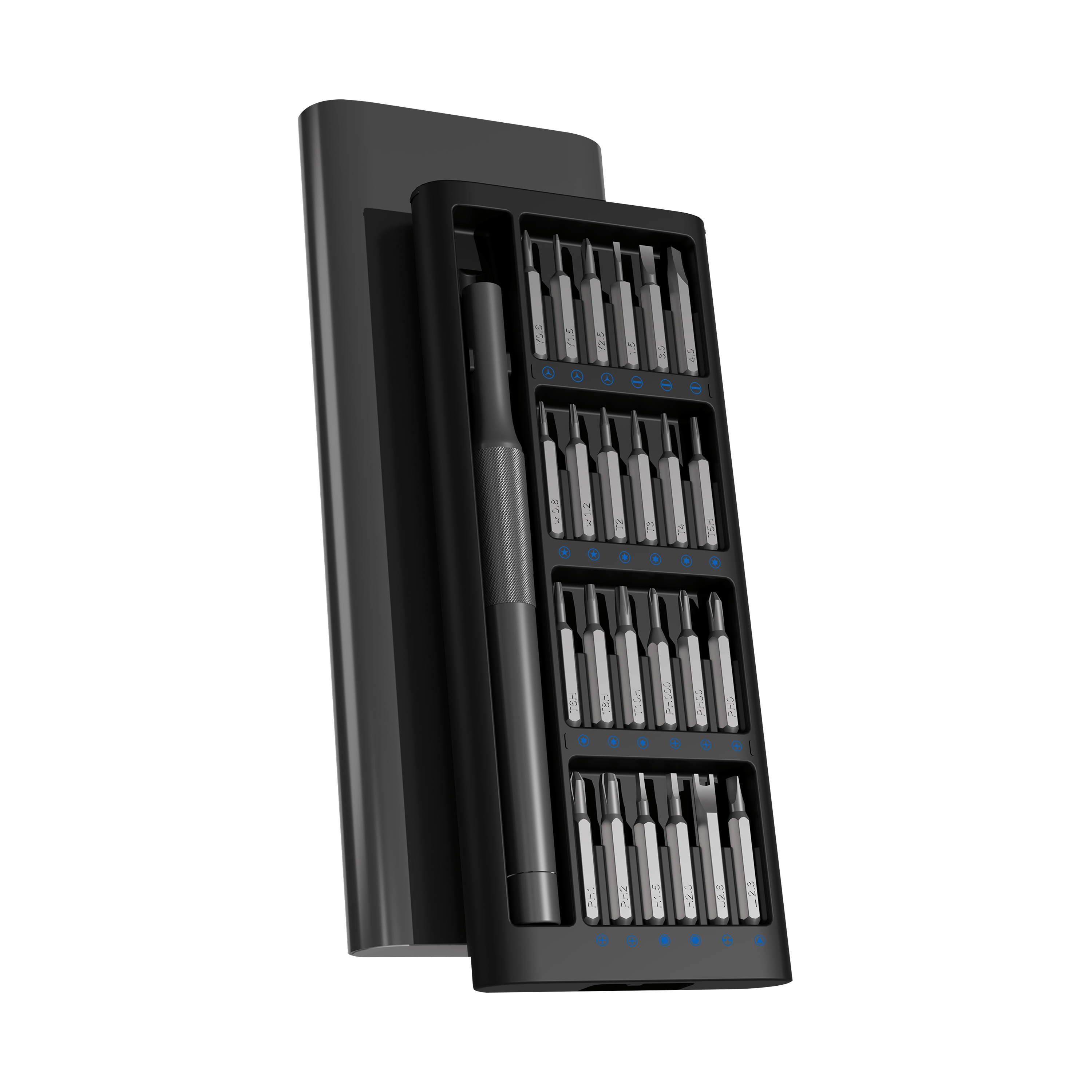
In today's precision-driven industrial landscape, standard tooling often falls short when confronted with specialized assembly requirements, proprietary fastener designs, or ergonomic constraints unique to particular workflows. Whether you are managing electronics repair operations, automotive maintenance facilities, or precision manufacturing environments, the limitations of off-the-shelf screwdrivers can introduce inefficiencies, compromise quality, and increase operational costs. This reality has driven forward-thinking organizations to embrace customized screwdriver solutions that align precisely with their specific operational challenges, enabling enhanced productivity, reduced error rates, and improved worker satisfaction across diverse application scenarios.
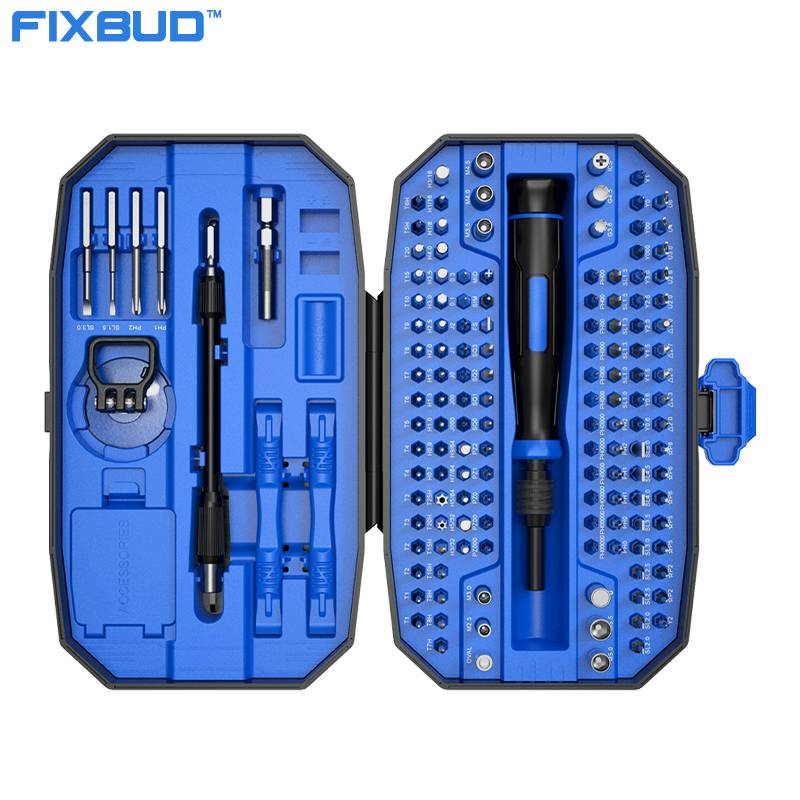
Understanding how customized screwdriver solutions address these unique operational pain points requires examining the intersection of tool engineering, application-specific requirements, and human factors design. Unlike generic toolsets that prioritize broad market appeal, tailored screwdriver systems are developed through careful analysis of actual field conditions, fastener specifications, torque requirements, access limitations, and user ergonomics. This article explores the strategic value of customized screwdriver solutions across multiple dimensions, from identifying the core challenges that necessitate customization to evaluating implementation strategies that maximize return on investment and operational excellence in professional settings.
Identifying Operational Challenges That Demand Customized Screwdriver Solutions
Proprietary Fastener Systems and Non-Standard Drive Configurations
Many manufacturers implement proprietary fastener designs to protect intellectual property, ensure authorized servicing, or enhance tamper resistance in consumer products. These specialized screw heads—ranging from security Torx variants to tri-wing, pentalobe, and custom multi-point configurations—render conventional screwdriver sets ineffective. Organizations servicing these products without access to customized screwdriver solutions face extended downtime, increased risk of fastener damage, and potential warranty complications. The challenge intensifies when dealing with international product lines where fastener standards vary significantly across manufacturing regions.
Beyond simply matching uncommon drive types, customized screwdriver solutions address the dimensional precision required for miniaturized electronics where standard bit tolerances prove inadequate. Medical device repair, smartphone refurbishment, and precision instrumentation work demand tools manufactured to tighter specifications than mass-market alternatives. When bit engagement surfaces deviate even fractionally from optimal geometry, cam-out events multiply, surface finishes deteriorate, and rework cycles escalate. Tailored tooling eliminates these failure modes through application-matched precision that generic alternatives cannot economically deliver.
Ergonomic Constraints and Repetitive Strain Considerations
Assembly line workers and maintenance technicians performing hundreds of fastening operations daily face significant ergonomic challenges that standard screwdrivers exacerbate rather than mitigate. Handle diameters optimized for average grip dimensions prove problematic for workers with smaller or larger hands, while handle lengths that suit general use create leverage disadvantages in high-torque applications. The cumulative effect manifests as repetitive strain injuries, reduced productivity, and elevated worker compensation claims. Customized screwdriver solutions address these human factors challenges through grip geometries, handle materials, and length specifications matched to actual user populations and task requirements.
Temperature extremes present another dimension where standardized tools prove inadequate. Aerospace maintenance in unheated hangars during winter months, equipment servicing in process industries with elevated ambient temperatures, and cleanroom operations with specific material compatibility requirements all demand thermal and material considerations beyond conventional screwdriver specifications. Customized solutions incorporate handle materials with appropriate thermal conductivity, surface treatments that maintain grip security across temperature ranges, and material selections compatible with industry-specific contamination control protocols.
Access Limitations and Spatial Constraint Challenges
Dense equipment packaging in modern electronics, automotive assemblies, and industrial machinery frequently positions fasteners in locations inaccessible to standard-length screwdrivers. Recessed mounting points, obstructed approach angles, and clearance limitations around installed components create scenarios where conventional tools simply cannot reach target fasteners without extensive disassembly. This limitation cascades into extended service times, increased labor costs, and elevated risk of collateral damage to surrounding components during access attempts. Customized screwdriver solutions engineered with application-specific shaft lengths, offset angles, and slim-profile designs enable direct fastener access that transforms service efficiency.
The challenge intensifies in field service environments where technicians must carry comprehensive tooling across diverse service calls without excessive weight or bulk. A customized screwdriver solutions approach consolidates multiple specialized configurations into optimized carry sets that balance capability breadth with practical portability. This strategic tool selection reduces vehicle inventory requirements, minimizes technician fatigue, and ensures appropriate tooling availability across unpredictable service scenarios without the economic burden of maintaining redundant general-purpose sets that contain numerous unused components.
Engineering Approaches Behind Effective Customized Screwdriver Solutions
Application Analysis and Requirements Definition Methodology
Start with measured application requirements: drive type, fastener size, hardness, torque, access, clearance, and environmental conditions. Involve production, maintenance, and ergonomics staff.
Assess real torque ranges, not nominal values alone. Thread condition, contamination, and temperature can affect fastening. Choose handle designs that support consistent torque and feedback.
Material Selection and Heat Treatment Specifications
Tool life depends on suitable materials and heat treatment. Select steel or specialty alloys according to wear, toughness, corrosion, chemical exposure, and magnetic requirements.
Choose surface treatments for the environment. Corrosion protection, cleanroom purity, food-contact requirements, and ESD-safe materials may require different specifications.
Ergonomic Optimization and User Interface Design
Optimize handle diameter, length, and texture for users, torque, precision, and glove use. Anthropometric data helps balance comfort, grip, and control.
Weight and balance influence fatigue and tip control. Match tool distribution to the task: stable handling for repetitive work and precise control for delicate assembly.
Strategic Implementation of Customized Screwdriver Solutions
Cost-Benefit Analysis and Return on Investment Evaluation
Compare customized tools with standard options using total ownership cost. Consider cycle time, fastener damage, injuries, maintenance, and service life, not purchase price alone.
In high-volume work, small cycle-time savings can improve throughput. Fewer damaged fasteners also reduce rework, scrap, and quality holds. Verify gains with baseline data.
Supplier Selection and Customization Capability Assessment
Evaluate suppliers on engineering experience, prototyping, quality systems, precision equipment, material sourcing, and their ability to meet application-specific requirements.
A capable supplier collaborates on requirements, identifies design risks, and proposes practical alternatives. Treat the relationship as technical partnership, not simple purchasing.
Validation Testing and Performance Verification Protocols
Before full deployment, test tools against defined requirements in real conditions. Laboratory checks confirm dimensions and materials; field trials reveal usability and performance.
Validate durability through wear, fatigue, and environmental tests. Set inspection intervals and replacement criteria from observed wear to prevent unexpected failures.
Application-Specific Customized Screwdriver Solutions Across Industries
Electronics Manufacturing and Repair Operations
Electronics work combines miniature fasteners, dense layouts, ESD sensitivity, and torque control. Suitable custom tools may use ESD-safe handles, precision tips, and ergonomic grips.
Data-center and telecom installations involve repeated fastening in confined racks. Optimized shafts, magnetic retention, and suitable handles can improve access and reduce strain.
Automotive and Transportation Equipment Maintenance
Vehicle assemblies use varied fasteners and restricted access points. Platform-specific lengths, angles, and drive types can reduce service time and prevent component damage.
Heavy equipment requires durable tools for high torque and contaminated conditions. Specify resistant materials, protective coatings, and handles that support controlled force.
Medical Device Servicing and Laboratory Equipment Maintenance
Medical and laboratory tools may need sterilization resistance, chemical compatibility, cleanroom suitability, or non-magnetic properties. Define these requirements before sourcing.
Medical servicing demands reliable tools and traceability. Supplier quality systems and consistent manufacturing help reduce maintenance risks and equipment downtime.
Optimizing Long-Term Value from Customized Screwdriver Solutions
Tool Management Systems and Inventory Control
Use shadow boards, check-out procedures, audits, and clear identification to prevent loss and keep specialized tools available for the correct applications.
Track usage, damage, and user feedback. These records help forecast replacements and identify design changes that could improve tool life and suitability.
Training Programs and User Adoption Strategies
Train users in tool selection, operation, care, and the reasons for customization. Hands-on comparisons help operators understand the benefits and use tools correctly.
Use quick guides, refresher sessions, and trained team contacts to reinforce correct practices, support new workers, and collect feedback.
Continuous Improvement and Customization Evolution
Treat deployment as an ongoing improvement process. Review feedback, defects, and changing requirements, then work with suppliers to refine tools when needed.
Schedule reviews of tool condition, user satisfaction, reported issues, and workplace changes. Confirm that each customization still meets operational needs.
FAQ
What makes customized screwdriver solutions worth the additional investment compared to standard tools?
Customized tools may justify higher prices through faster work, fewer damaged fasteners, less fatigue, and longer service life. Assess total cost, not unit price alone.
How do I identify whether my operation would benefit from customized screwdriver solutions?
Consider customization when proprietary drives, poor access, frequent cam-out, ergonomic complaints, ESD needs, or cleanroom requirements limit standard tools. Measure the impact first.
Can customized screwdriver solutions be developed for small-scale operations or only large manufacturers?
Custom tools can suit small operations as well as large manufacturers. The decision depends on problem severity, usage frequency, and measurable savings—not company size.
How long does the process typically take from initial concept to receiving functional customized screwdriver solutions?
Lead times depend on complexity and supplier capacity. Simple changes may take weeks; specialized designs can take months for consultation, engineering, prototyping, refinement, and production.
Table of Contents
- Identifying Operational Challenges That Demand Customized Screwdriver Solutions
- Engineering Approaches Behind Effective Customized Screwdriver Solutions
- Strategic Implementation of Customized Screwdriver Solutions
- Application-Specific Customized Screwdriver Solutions Across Industries
- Optimizing Long-Term Value from Customized Screwdriver Solutions
-
FAQ
- What makes customized screwdriver solutions worth the additional investment compared to standard tools?
- How do I identify whether my operation would benefit from customized screwdriver solutions?
- Can customized screwdriver solutions be developed for small-scale operations or only large manufacturers?
- How long does the process typically take from initial concept to receiving functional customized screwdriver solutions?