 EN
EN

In today's competitive industrial and commercial markets, standardized tools often fall short of meeting the specific operational demands that diverse applications require. As manufacturing processes become more specialized and quality expectations rise, businesses increasingly seek customized screwdriver solutions that align precisely with their unique workflow requirements, ergonomic preferences, and technical specifications. Whether addressing the challenges of repetitive assembly line work, specialized electronics manufacturing, or maintenance operations in confined spaces, the transition from generic tools to tailored screwdriver systems represents a strategic investment in productivity, worker safety, and product quality outcomes.
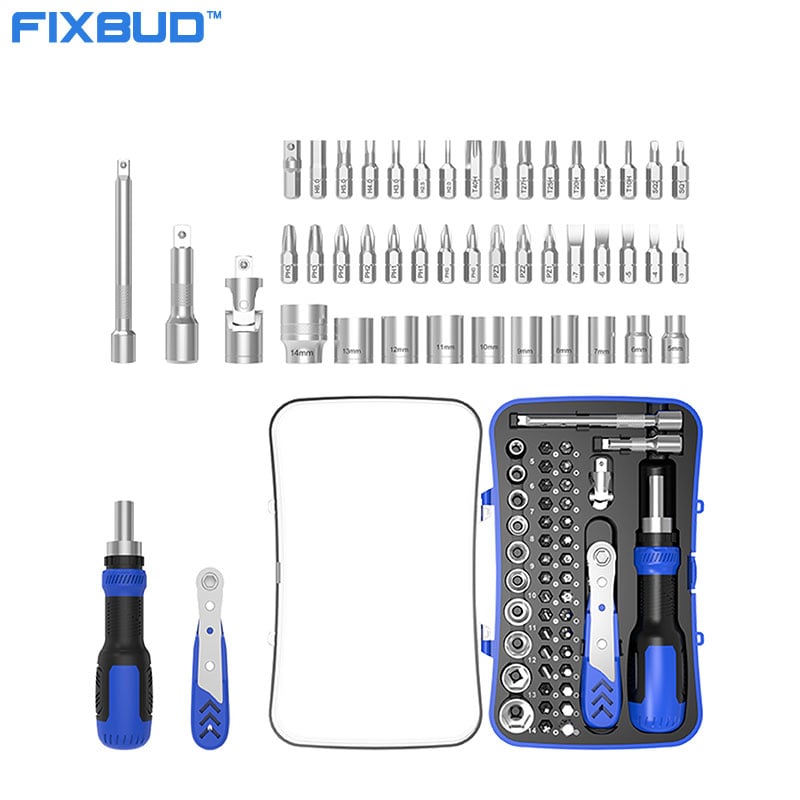
The journey from basic fastening tools to comprehensive customized screwdriver solutions involves understanding the full spectrum of customization possibilities, from handle design modifications that reduce hand fatigue to specialized bit configurations engineered for unique fastener geometries. This exploration examines how intelligent customization across multiple screwdriver components creates integrated tool systems that deliver measurable performance advantages, addressing both the ergonomic needs of operators and the technical demands of diverse industrial applications. By analyzing the key customization domains and their practical implications, organizations can make informed decisions about which modifications deliver the greatest return on investment for their specific operational contexts.
Understanding the Scope of Screwdriver Customization
Defining Customization in Fastening Tool Systems
Customized screwdriver solutions encompass far more than simple cosmetic modifications or superficial branding exercises. True customization involves systematic engineering adjustments across multiple tool dimensions to optimize performance for specific use cases, operational environments, and user populations. This includes material selection adjustments that enhance durability under particular stress conditions, dimensional modifications that improve accessibility in constrained workspaces, and surface treatment applications that provide chemical resistance or improved grip characteristics. The customization spectrum ranges from minor specification adjustments within standard product lines to completely bespoke tool designs engineered from the ground up to address unprecedented application challenges.
The value proposition of customized screwdriver solutions becomes most apparent when organizations face recurring operational challenges that standard tools cannot adequately address. These challenges might include elevated failure rates from improper tool-fastener engagement, productivity losses from ergonomic discomfort during extended use periods, or quality control issues stemming from inconsistent torque application. Customization allows manufacturers to engineer solutions that directly target these specific pain points rather than forcing operators to adapt their workflows around tool limitations. This approach transforms screwdrivers from commodity items into strategic components of optimized assembly and maintenance systems.
The Business Case for Tool Customization
Organizations considering customized screwdriver solutions must evaluate the investment against tangible operational improvements and cost reductions. The business case typically centers on several key value drivers including reduced cycle times in assembly operations, decreased injury rates and associated workers' compensation costs, extended tool service life that lowers replacement frequency, and improved first-pass quality that minimizes rework expenses. In high-volume manufacturing environments, even marginal improvements in these metrics can generate substantial annual savings that justify the higher initial investment in customized solutions compared to standard catalog tools.
Beyond direct cost considerations, customized screwdriver solutions often deliver strategic advantages in product differentiation and quality positioning. Companies operating in sectors where assembly quality directly impacts product reputation benefit significantly from tools engineered to eliminate common failure modes and ensure consistent fastening outcomes. The ability to specify precise torque characteristics, bit engagement geometries, and handle ergonomics creates a controlled assembly environment where operator technique variations have minimal impact on final product quality. This consistency becomes particularly valuable in industries subject to stringent quality certifications or liability concerns where fastening failures can trigger costly recalls or safety incidents.
Categories of Customization Requirements
The landscape of customized screwdriver solutions can be organized into several distinct requirement categories that address different operational priorities. Ergonomic customizations focus primarily on reducing operator fatigue and injury risk through handle shape modifications, material softness adjustments, and weight distribution optimization. Technical customizations emphasize functional performance enhancements such as specialized bit geometries for non-standard fasteners, torque limiting mechanisms for delicate assemblies, or extension configurations for accessing recessed mounting points. Environmental customizations address the specific conditions tools will encounter, including corrosion resistance for marine applications, ESD protection for electronics manufacturing, or temperature tolerance for extreme climate operations.
Understanding which customization category delivers the greatest operational impact requires careful analysis of actual work processes and failure modes. Many organizations discover that their initial assumptions about customization priorities do not align with the modifications that ultimately deliver the most significant performance improvements. A systematic assessment process that includes operator interviews, workflow observation, tool failure analysis, and quality metrics review typically reveals the customization opportunities offering the highest return on investment. This evidence-based approach to specifying customized screwdriver solutions ensures that engineering resources focus on modifications that address genuine operational limitations rather than perceived preferences.
Ergonomic Handle Customization for Operator Wellness
Handle Geometry and Grip Optimization
The handle represents perhaps the most impactful customization domain within screwdriver design, directly influencing operator comfort, force transmission efficiency, and long-term musculoskeletal health. Customized screwdriver solutions frequently feature handle geometries engineered to match the anthropometric characteristics of specific user populations, accounting for average hand dimensions, grip strength profiles, and cultural preferences in tool manipulation techniques. Handle diameter optimization ensures maximum surface contact area without requiring excessive grip force to maintain control, while length adjustments balance torque application capability against maneuverability requirements in confined spaces. Contoured shapes that follow natural hand curvature distribute pressure more evenly across the palm and fingers, reducing localized stress concentrations that cause fatigue during repetitive operations.
Material selection for handle construction significantly influences both comfort and functional performance in customized screwdriver solutions. Dual-density handle designs combine rigid core materials that provide structural integrity and precise control with softer elastomeric overmolds that enhance grip security and vibration damping. The durometer specification for these soft components can be customized based on typical operating temperatures, with softer compounds maintaining flexibility in cold environments while firmer materials resist deformation under hot conditions. Surface texture customization through patterns, ribbing, or micro-texturing further enhances grip security without creating uncomfortable pressure points, particularly important in applications where operators wear gloves or work with contaminated hands.
Force Distribution and Fatigue Reduction
Advanced ergonomic customization in screwdriver handles addresses the biomechanical realities of torque application and sustained gripping. Customized screwdriver solutions designed for high-repetition environments often incorporate flared grip zones that naturally guide hand positioning for optimal force vector alignment, reducing wrist deviation and associated strain on tendons and ligaments. The handle cross-section geometry influences how applied forces distribute across the hand, with oval and multi-lobed shapes generally providing superior comfort compared to purely circular profiles during extended use. Some customization approaches include subtle asymmetry in handle design to accommodate the dominant hand's natural grip pattern while still permitting occasional left-hand use when necessary.
The relationship between handle length and mechanical advantage represents another critical customization consideration for applications involving frequent high-torque fastening operations. Longer handles provide greater leverage, reducing the grip force required to achieve target torque values and consequently decreasing hand fatigue over extended work periods. However, length increases must be balanced against maneuverability constraints and the risk of excessive torque application that could damage fasteners or assembled components. Customized screwdriver solutions often resolve this tension through careful handle length optimization based on actual torque requirements measured in specific applications, ensuring operators can comfortably reach necessary torque levels without incorporating unnecessary length that hampers tool control in tight spaces.
Specialized Handle Features for Specific Applications
Beyond basic geometry and material considerations, customized screwdriver solutions frequently incorporate specialized handle features tailored to particular operational contexts. Rotating end caps allow operators to apply downward pressure with one hand while rotating the handle with the other, particularly valuable in applications requiring sustained engagement force during fastener installation. Integrated hanging holes or lanyard attachment points prevent tool drops in elevated work positions or marine environments where tool recovery would be difficult or impossible. Some customized screwdriver solutions include color-coding or identification marking systems that facilitate rapid tool selection in mixed-tool environments or support tool control programs that prevent loss and ensure proper tool assignment.
Magnetic components integrated into handle designs represent another customization option that delivers practical operational advantages in specific contexts. Magnetized handle bases can temporarily hold fasteners during positioning, particularly useful when working in awkward positions where gravity works against the operator. However, this feature requires careful consideration in electronics manufacturing environments where magnetic fields could damage sensitive components or in precision instrument assembly where ferromagnetic particle contamination poses quality risks. The ability to specify magnetic or non-magnetic handle configurations within customized screwdriver solutions allows organizations to optimize tool specifications for their particular operational constraints and quality requirements.
Specialized Bit Design and Configuration Options
Custom Bit Geometries for Non-Standard Fasteners
While ergonomic handle customization addresses operator comfort and efficiency, specialized bit design constitutes the technical heart of many customized screwdriver solutions, directly determining whether tools can effectively engage with specific fastener types and deliver required performance outcomes. Industries utilizing proprietary fastener designs for security purposes, tamper resistance, or brand differentiation require bit geometries precisely matching these unique drive configurations. Custom bit manufacturing processes can replicate virtually any fastener drive geometry, from simple variations on standard cross-recesses to complex multi-lobed patterns or asymmetric designs that prevent unauthorized disassembly. The precision requirements for these custom geometries often exceed standard manufacturing tolerances to ensure optimal fit that minimizes cam-out risk and fastener head damage during high-torque applications.
Beyond accommodating unusual fastener geometries, bit customization addresses performance optimization for standard drive configurations used under demanding conditions. Extended-reach bits provide access to recessed fasteners in deep counterbores or narrow cavities where standard bit lengths prove inadequate, while stubby bit configurations enable work in extremely confined spaces where even compact screwdriver profiles cannot fit. Customized screwdriver solutions frequently specify bit tip hardness levels optimized for particular fastener materials and torque requirements, balancing wear resistance against the brittleness that causes tip fracturing under shock loads. Heat treatment customization and specialized coating applications extend bit service life in abrasive environments or when working with particularly hard fastener materials that rapidly wear standard bit tips.
Bit Retention and Quick-Change Systems
The mechanism securing bits within screwdriver handles represents a critical customization consideration that impacts both operational efficiency and tool reliability. Customized screwdriver solutions designed for applications requiring frequent bit changes often incorporate magnetic retention systems that allow single-handed bit installation and removal while maintaining secure engagement during use. The magnetic force specification can be customized to balance ease of bit changes against retention security under vibration or when working in inverted positions. Quick-change collet systems provide mechanical bit locking that prevents unintended bit ejection under high torque loads, with spring-loaded collar mechanisms allowing rapid bit swapping without requiring separate locking tools or complex manipulation sequences.
For applications where bit changing occurs infrequently but security and precision prove paramount, customized screwdriver solutions may specify permanent bit installation or threaded retention systems that eliminate any possibility of bit movement during use. This approach proves particularly valuable in torque-critical applications where even minute bit displacement could compromise fastening accuracy or in quality-controlled environments where tool configuration changes require documentation and verification. The bit retention customization decision thus reflects a fundamental trade-off between operational flexibility and maximum reliability, with the optimal choice depending on specific workflow requirements and risk tolerance in particular application contexts.
Specialized Bit Materials and Coatings
Material selection for screwdriver bits within customized screwdriver solutions extends far beyond basic steel specifications to encompass specialized alloys and surface treatments engineered for particular performance demands. Shock-resistant tool steels provide enhanced toughness for impact driver applications or when working with seized fasteners requiring high torque impulses, while harder martensitic grades offer superior wear resistance for high-volume production environments where bit life directly impacts operating costs. Stainless steel bit specifications address corrosion concerns in marine, food processing, or chemical exposure environments where standard tool steels would rapidly degrade, although the inherent softness of most stainless grades necessitates more frequent replacement compared to hardened carbon steel alternatives.
Surface coating technologies provide another dimension of bit customization that enhances performance without requiring wholesale material changes. Titanium nitride coatings reduce friction between bit and fastener surfaces, decreasing insertion force requirements and minimizing heat generation during high-speed fastening operations. Diamond-like carbon coatings offer exceptional hardness that extends bit life when working with case-hardened fasteners or in abrasive environments containing metal particles or other contaminants. Customized screwdriver solutions for electronics manufacturing may specify specialized anti-static coatings that dissipate electrostatic charges, protecting sensitive components from ESD damage during assembly operations. The coating selection process must consider not only performance enhancement but also potential contamination risks in clean-room environments or applications where coating particles could compromise product quality.
Integrated Features and Multi-Function Customization
Ratcheting Mechanisms and Directional Control
The integration of ratcheting mechanisms represents a significant functional enhancement available within customized screwdriver solutions, fundamentally changing how operators interact with tools during fastening operations. Ratcheting screwdrivers allow continuous rotation in the driving direction while preventing reverse motion, enabling operators to maintain tool position on the fastener head while repositioning their grip for successive strokes. This capability dramatically reduces cycle time in applications involving numerous rotations or where repositioning a conventional screwdriver between strokes proves awkward due to spatial constraints. The ratcheting mechanism design can be customized regarding tooth count, which determines the angular increment required to advance the ratchet, with finer tooth counts enabling operation in more confined spaces but potentially sacrificing durability under high-torque applications.
Directional control customization allows users to select forward drive, reverse drive, or locked non-ratcheting operation through selector switches or rings integrated into the handle design. The positioning and operation of these controls can be customized based on typical glove thickness in the target application, ensuring reliable mode selection without requiring glove removal. Some customized screwdriver solutions incorporate color-coded directional indicators or tactile feedback mechanisms that allow operators to confirm the selected mode without visual inspection, valuable in poorly lit work environments or when focusing attention on the fastening location. The durability of these directional controls under contamination from oil, dust, or chemical exposure represents another customization consideration, with sealed mechanisms providing superior reliability in harsh industrial environments compared to open selector designs.
Torque Limiting and Control Features
Applications where consistent torque application directly impacts product quality or where over-torquing risks damaging threads, stripping fastener heads, or cracking assembled components often benefit from customized screwdriver solutions incorporating torque limiting mechanisms. These systems prevent torque transmission beyond a preset threshold through clutch mechanisms that slip when the specified torque value is reached, producing an audible click or tactile feedback that signals proper fastener tightening. The torque threshold can be customized to match specific fastener and material combinations, with adjustable mechanisms allowing field recalibration as application requirements change. Fixed-torque designs eliminate the possibility of inadvertent adjustment but require specifying the correct torque value during the initial customization process based on engineering calculations or empirical testing of actual assemblies.
The precision and consistency of torque limiting mechanisms vary considerably across different design approaches, with implications for which customized screwdriver solutions prove appropriate for particular quality standards. Basic cam-over clutches provide adequate repeatability for general assembly work where torque specifications include relatively wide tolerance ranges, while precision ball-detent or beam-type torque limiters deliver the accuracy required for critical fastening applications in aerospace, medical device, or other highly regulated industries. The torque limiting mechanism must also be customized regarding its behavior after reaching the set torque, with some designs completely preventing further tightening while others allow continued rotation with periodic clicking, potentially leading to fastener damage if operators fail to cease driving immediately upon hearing the limiting signal.
Storage and Bit Organization Systems
Comprehensive customized screwdriver solutions extend beyond the tool itself to encompass integrated storage and organization systems that enhance operational efficiency and prevent bit loss or damage. Custom-molded carrying cases provide dedicated slots for handles and bit sets, protecting tools during transport between job sites and ensuring all components remain together as a complete system. The case layout can be customized to match specific bit assortments, with clearly labeled positions facilitating rapid bit selection and immediate identification of missing components. Some organizations specify foam insert customization with company branding or tool identification numbers that support asset tracking programs and tool accountability systems.
Handle-integrated bit storage represents another customization option that keeps frequently used bits immediately accessible without requiring separate storage cases. Hollow handle designs with threaded or magnetic caps can accommodate multiple spare bits within the handle body, although this approach necessarily limits handle geometry optimization since internal storage volume constrains external contour options. Alternatively, some customized screwdriver solutions incorporate external bit holder clips or sleeves that attach to the handle exterior, maintaining ergonomic handle shapes while providing convenient bit storage. The optimal storage integration approach depends on the number of different bit types required for specific applications, the frequency of bit changes during typical work cycles, and whether operators work from fixed stations with readily accessible tool storage or move between locations carrying tools with them.
Selection Criteria and Implementation Strategy
Assessing Customization Needs and Priorities
Successful implementation of customized screwdriver solutions begins with systematic assessment of actual operational requirements rather than assumptions about desirable tool characteristics. Organizations should conduct structured operator surveys capturing specific pain points with current tools, including fatigue locations, frequency of fastener damage, accessibility challenges, and time consumed on fastening operations. Concurrent workflow observation by industrial engineers or process improvement specialists often reveals opportunities that operators may not explicitly articulate, such as awkward postures necessitated by inadequate tool reach or repetitive tool changes indicating suboptimal bit selection. Quantitative data collection regarding cycle times, quality defect rates attributable to fastening issues, and tool replacement frequency provides baseline metrics against which customized solution performance can be measured after implementation.
The assessment process should also evaluate the specific fastener population within the target application environment, documenting drive types, size ranges, material specifications, and installation torque requirements. This fastener characterization directly informs bit customization decisions and helps identify whether a single customized screwdriver solution can address all requirements or whether multiple specialized tools will prove necessary. Applications involving diverse fastener types may benefit more from modular customized screwdriver solutions with extensive bit sets than from multiple fixed-configuration tools, while operations focused on a narrow fastener range might achieve superior performance through highly specialized single-purpose designs. The economic analysis must also account for the total tool population required, as customization costs per unit decrease significantly with larger order quantities, potentially making comprehensive customization viable for large manufacturing operations while proving prohibitive for small-scale users.
Prototyping and Validation Processes
Before committing to full-scale production of customized screwdriver solutions, organizations should insist on prototyping and validation processes that confirm the specified customizations deliver anticipated performance improvements. Initial prototypes allow operators to evaluate ergonomic modifications under actual working conditions, providing feedback on grip comfort, force requirements, and any unanticipated usability issues before finalizing handle geometry and material specifications. Functional testing of specialized bits should include verification of proper fastener engagement, measurement of cam-out resistance under specified torque loads, and durability assessment through accelerated life cycle testing that simulates extended operational use. This validation phase often reveals refinement opportunities that significantly enhance the final customized solution performance compared to initial specifications based purely on theoretical considerations.
The validation process for customized screwdriver solutions should also include comparative testing against current standard tools using objective performance metrics. Side-by-side cycle time measurements demonstrate productivity improvements, while force gauge instrumentation quantifies reductions in required grip strength or insertion force. Quality metrics comparison examining fastener damage rates, assembly defect occurrences, and rework requirements provides evidence of performance superiority that justifies the customization investment. Organizations should also consider conducting limited production trials where prototype customized tools are used for actual production output over extended periods, revealing any durability issues or operational limitations that shorter validation testing might miss. This thorough validation approach minimizes the risk of investing in customized screwdriver solutions that fail to deliver expected benefits or introduce unanticipated problems that offset their theoretical advantages.
Training and Change Management Considerations
Even the most intelligently designed customized screwdriver solutions will fail to deliver full value if operators do not understand their proper use or resist adopting new tools due to familiarity with existing equipment. Successful implementation requires structured training programs that explain the rationale behind specific customizations and demonstrate correct tool usage techniques that maximize the benefits of custom features. Training should address any operational procedure changes necessitated by new tool capabilities, such as proper ratcheting technique or recognition of torque limiter engagement signals. Hands-on practice sessions under supervision allow operators to develop proficiency with customized tools before using them for actual production work, building confidence and preventing improper technique that could negate customization benefits or even damage tools.
Change management strategies should also address the psychological dimension of tool transitions, acknowledging that experienced operators often develop strong preferences for familiar equipment and may initially resist customized alternatives regardless of their objective superiority. Involving operators in the customization specification and validation processes builds buy-in and creates tool champions who can advocate for adoption among their peers. Phased implementation approaches that introduce customized screwdriver solutions in limited areas before facility-wide deployment allow organizations to refine training approaches and address concerns before full rollout. Clear communication about the business rationale for customization investment and how improved tools benefit operators through reduced fatigue and injury risk helps frame the transition as a positive development rather than an imposed change, facilitating smoother adoption and maximizing the return on customization investment.
FAQ
What minimum order quantities typically apply for customized screwdriver solutions?
Minimum order quantities for customized screwdriver solutions vary significantly based on the extent of customization required and manufacturing processes involved. Simple customizations like handle color changes or basic bit assortment modifications may have minimums as low as 100 to 500 units, while extensive customizations requiring new tooling for unique handle geometries or proprietary bit designs typically require minimum orders of 1,000 to 5,000 units to justify tooling investments. Organizations should discuss volume requirements early in specification discussions, as some manufacturers offer compromise approaches using modular customization that reduces minimums by combining standard base components with customized elements.
How long does the customization process typically take from specification to delivery?
The timeline for customized screwdriver solutions spans from several weeks for minor modifications using existing tooling to six months or more for comprehensive custom designs requiring new manufacturing processes. A typical customization project involving moderate handle modifications and specialized bit geometries generally requires eight to twelve weeks, including initial specification review, prototype development, validation testing, tooling preparation, and production. Organizations should factor these lead times into project planning, particularly for customizations supporting new product launches or facility expansions where tool availability must align with specific operational start dates. Expedited timelines may be available at premium pricing for urgent requirements.
Can customized screwdriver solutions be reconfigured if application requirements change?
The reconfigurability of customized screwdriver solutions depends heavily on which elements were customized and the specific design approach implemented. Modular systems featuring interchangeable handles, bits, and accessories offer excellent adaptability to changing requirements, with organizations able to add new bit types or modify handle configurations without replacing entire tool populations. Conversely, integrated custom designs with molded handles incorporating specific geometries or permanently installed bits offer limited modification potential, essentially requiring replacement if requirements shift substantially. Organizations anticipating evolving needs should prioritize modular customization approaches during initial specification, accepting some compromise in optimization for specific current applications in exchange for greater long-term flexibility.
What maintenance requirements apply to customized screwdriver solutions with specialized features?
Maintenance requirements for customized screwdriver solutions generally align with standard tool care practices but may include additional considerations for specialized features. Ratcheting mechanisms require periodic lubrication with appropriate grease to maintain smooth operation and prevent premature wear, particularly in contaminated environments where abrasive particles can infiltrate the mechanism. Torque-limiting mechanisms should undergo periodic calibration verification to ensure continued accuracy, with recalibration or replacement necessary if testing reveals drift beyond acceptable tolerances. Custom bits require the same inspection and replacement protocols as standard bits, with monitoring for tip wear, cracking, or deformation that compromises fastener engagement. Organizations should establish maintenance schedules appropriate to usage intensity and environmental conditions, with more frequent service intervals for tools used in harsh conditions or high-volume applications.
Table of Contents
- Understanding the Scope of Screwdriver Customization
- Ergonomic Handle Customization for Operator Wellness
- Specialized Bit Design and Configuration Options
- Integrated Features and Multi-Function Customization
- Selection Criteria and Implementation Strategy
-
FAQ
- What minimum order quantities typically apply for customized screwdriver solutions?
- How long does the customization process typically take from specification to delivery?
- Can customized screwdriver solutions be reconfigured if application requirements change?
- What maintenance requirements apply to customized screwdriver solutions with specialized features?