 EN

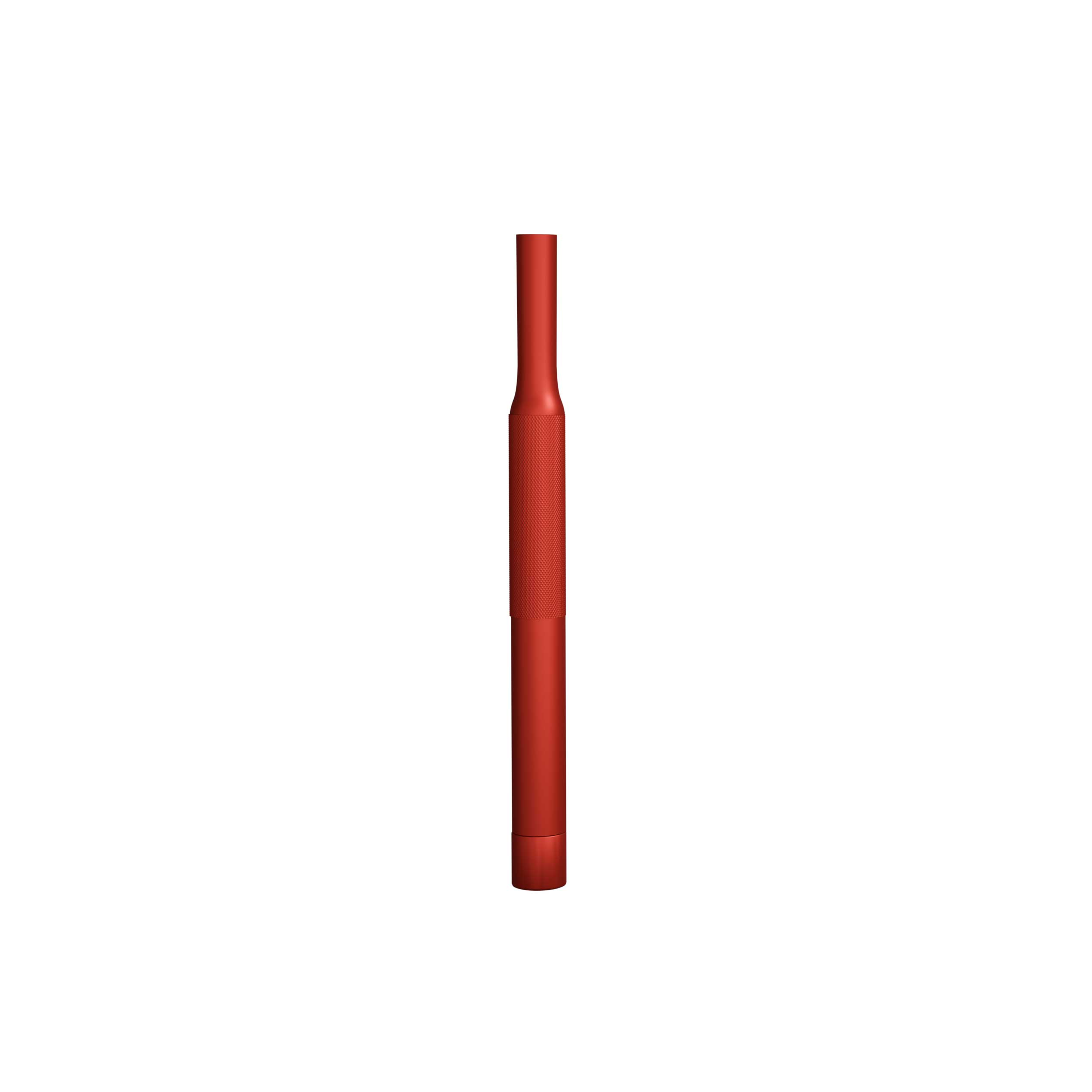
Modern assembly lines depend on speed, consistency, and quality. Repetitive fastening makes screwdriver selection important: generic tools cause delays, fatigue, and inconsistent results when workers complete hundreds of cycles daily. Tool performance affects output and comfort, especially during repeated fastening during every production shift.
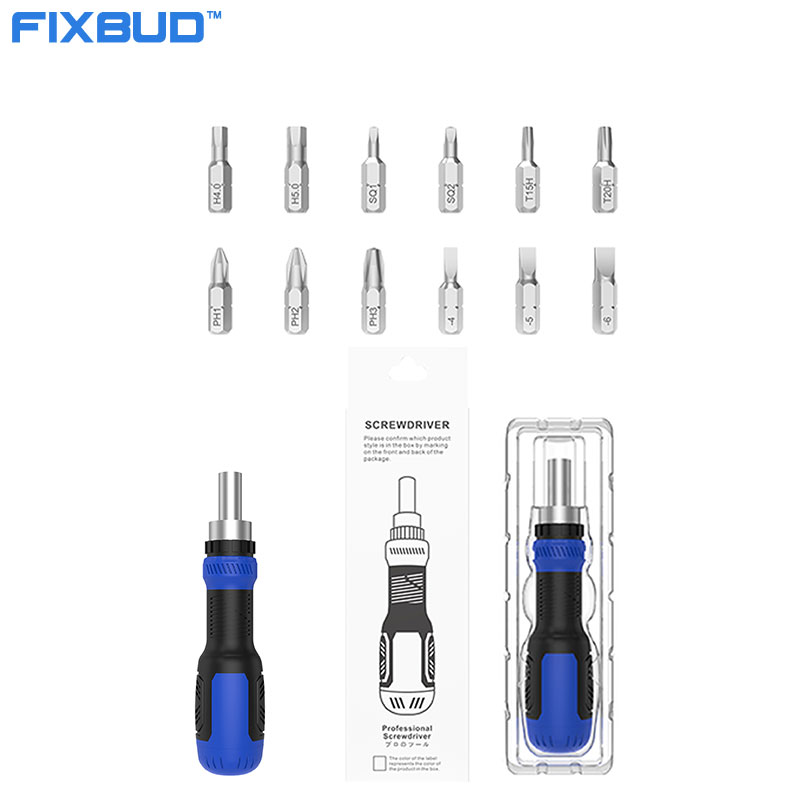
Customized screwdriver solutions match tool design to assembly tasks, operators, and workflows. Ergonomics, torque, materials, and practical features can improve throughput while reducing fatigue and errors. The objective is a tool that fits the task rather than forcing operators to adapt to unsuitable equipment for the intended production environment.
Understanding the Impact of Tool Customization on Assembly Efficiency
The Hidden Costs of Standardized Tool Approaches
Many facilities choose standard screwdriver sets mainly for price and availability. This can create unnecessary tool changes, extra movement, fatigue, and errors. General-purpose handles may increase grip effort and repetitive strain during long shifts. These losses can outweigh initial savings from inexpensive sets across repeated daily production cycles.
Basic screwdrivers often lack suitable torque control. Excessive torque damages components, while insufficient tightening causes failures and recalls. Separate verification adds inspection time and labor. Integrated torque management helps maintain fastening standards while reducing additional checks without adding unnecessary process steps.
How Customization Addresses Specific Assembly Line Challenges
Customization starts by reviewing fasteners, access, torque, cycle times, and operator needs. Specifications define handle shape, bit arrangements, and feedback features that support natural movement and consistent fastening. Assess actual workstation conditions so each feature addresses a documented need rather than relying on assumptions.
The customization process also considers the broader production environment, including workstation layout, component presentation methods, and quality verification protocols. Tools can be designed with features such as color-coded handles for visual management systems, integrated bit storage that keeps necessary drive configurations immediately accessible, and length profiles optimized for specific reach requirements without creating interference issues. This comprehensive approach to customized screwdriver solutions ensures that every aspect of the tool contributes to improved assembly line efficiency rather than merely performing basic fastening functions.
Quantifying Efficiency Gains Through Targeted Tool Design
Efficiency gains include shorter cycles, fewer tool changes, easier access, and smoother operator movement. Small time savings per unit can increase daily output in high-volume production. Measure cycle times before and after implementation under normal operating conditions without extending operating hours unnecessarily.
Torque feedback and ergonomic design can reduce fastening defects, rework, inspection needs, and fatigue-related errors. Results depend on the application and should be verified through production data. Use pilot results to confirm improvements before full production line deployment.
Key Design Elements That Drive Assembly Line Performance
Ergonomic Optimization for Sustained Productivity
Generic screwdriver handles may cause pressure points, excessive grip force, and awkward wrist positions. These issues become significant when operators repeat the same fastening motion throughout a shift. Poor fit can also affect accuracy, linking ergonomic design to worker wellbeing and assembly quality during demanding repetitive assembly operations.
Ergonomic customization considers task demands, hand size, and dominant-hand preferences. Handle contours distribute pressure, while diameter and material balance torque, control, grip security, and vibration damping. The design should remain comfortable during repeated use while providing application-specific control for the operator population involved.
Application-Specific Bit Integration and Management
Multiple fastener types often require frequent bit changes, adding time without improving the product. Integrated storage and quick-change mechanisms keep configurations accessible and reduce tool-switching delays. This also reduces searching and unnecessary movement when operators handle several fastener types at each relevant assembly workstation.
Choose bit configurations from the actual fasteners used on the line. Targeted assortments avoid unnecessary weight and confusion; ratchets or telescoping shafts support varied fastening and access requirements. Provide necessary drive types without burdening operators with rarely used options based on actual fastening requirements.
Torque Control and Quality Assurance Features
Consistent torque supports product quality and reliability, but manual fastening can be difficult to control. Customized tools can add torque-management features suited to operational precision and production volume. Select mechanisms that match accuracy requirements and operator feedback needs for each fastener and material combination.
Calibrated torque limiters can prevent excessive tightening. Preset values, visual indicators, or audible clicks help operators confirm fastening and reduce separate verification. Select features according to torque tolerance and validate them against engineering specifications before regular production use.
Implementation Strategies for Maximum Assembly Line Benefit
Conducting Effective Assembly Process Analysis
Analyze fastening tasks, fasteners, access angles, torque, cycle times, and quality issues before selecting tools. Time-motion studies identify delays from bit changes, retrieval, and repositioning. Record baseline performance so proposed changes can be assessed objectively across the full assembly workflow.
Operators can identify ergonomic and workflow problems that managers may miss. Interviews and assessments reveal awkward wrist positions, high grip force, and unhelpful tool features. Frontline feedback improves acceptance and ensures changes work in practice before finalizing the engineering specifications.
Developing Specification Requirements for Custom Tools
Use process-analysis findings to define tool dimensions, weight, handle geometry, and bit configurations. Specifications should reflect workstation layouts, operator capabilities, and fasteners across relevant stations. Clear documentation gives suppliers a consistent design brief and prevents misunderstandings for clear supplier and operator reference.
Specify torque range, limiting features, material durability, chemical resistance, impact resistance, and wear requirements. Include color coding, identification, and compatibility with existing tracking or calibration systems. Document requirements to guide material selection and support future inspection throughout the tool's expected service life.
Pilot Testing and Validation Protocols
Pilot customized tools at one workstation before wider deployment. Compare cycle time, fastening defects, fatigue, and usability against baseline results to identify improvements. A limited pilot reduces risk and allows corrections before a full production order before committing to larger quantities.
Test across shifts and operator experience levels to reveal learning effects, fatigue, durability issues, and ergonomic concerns. Compare identical tasks using standard and customized tools. Document test methods and acceptance criteria for objective comparisons throughout the complete pilot evaluation period.
Sustaining Efficiency Gains Through Tool Management
Establishing Maintenance and Calibration Systems
Custom tools require preventive maintenance because bits, ratchets, and torque clutches wear over time. Set inspection intervals according to usage and replace worn components before performance declines. Maintenance records can reveal wear patterns and guide replacement schedules as part of routine tool management.
Torque-controlled tools need documented calibration intervals based on supplier guidance, industry requirements, and observed drift. Track results and keep calibrated backups available to prevent production interruptions. Rotation allows servicing without disrupting assembly during scheduled maintenance and calibration periods.
Training Programs for Optimal Tool Utilization
Training helps operators use custom features correctly. Cover grip, torque feedback, bit installation, and tool care so the design delivers efficiency and service-life benefits. Demonstrations should explain each feature and its role in consistent fastening before operators begin independent use.
Reinforce correct techniques through brief refreshers, workstation guides, and supervisor observations. Address informal workarounds early to protect tool life and quality. Ongoing reinforcement helps workers follow consistent procedures instead of developing personal methods across teams and production shifts.
Performance Monitoring and Continuous Improvement
Track cycle time, defects, tool changes, ergonomic complaints, and maintenance needs against pre-deployment baselines. Regular reviews show whether performance is sustained or declining. Investigate negative trends that may indicate wear, training gaps, or changing requirements throughout the tool's operational lifespan.
Production, engineering, quality, and maintenance teams should review performance data together. Use findings to refine tools, identify suitable stations, and update specifications as products or processes change. This keeps tool designs aligned with evolving production needs as production requirements and volumes evolve.
FAQ
What cost savings can be expected from implementing customized screwdriver solutions on assembly lines?
Savings may come from shorter cycles, fewer defects, lower rework, and reduced ergonomic complaints. The article cites labor-efficiency gains of 8–18% and fastening-defect reductions of 40–60%, though results vary. Calculate savings using facility-specific labor, scrap, rework, and warranty data for a realistic return-on-investment assessment.
How long does the customization process typically take from initial assessment to deployment?
A structured implementation may take 12–20 weeks: assessment and specifications, 3–4 weeks; design and prototyping, 4–6; refinement, 2–3; and production and delivery, 2–4. Complexity, materials, supplier capacity, and approvals can extend timelines depending on the supplier and project scope.
Can customized screwdriver solutions be adapted if assembly line products or processes change?
Modular bit storage, adjustable torque settings, interchangeable handles, and shaft extensions help tools adapt to changing fasteners and tasks without full replacement. Confirm compatibility with required torque, reach, and ergonomic performance as applications change without compromising intended tool performance.
What factors should be prioritized when selecting suppliers for customized screwdriver solutions?
Assess suppliers on engineering expertise, application experience, quality controls, material sourcing, and production consistency. Consider responsiveness, calibration, replacement parts, and technical support. Request comparable project evidence and clarify service response times and parts availability before making a long-term sourcing decision.
Table of Contents
- Understanding the Impact of Tool Customization on Assembly Efficiency
- Key Design Elements That Drive Assembly Line Performance
- Implementation Strategies for Maximum Assembly Line Benefit
- Sustaining Efficiency Gains Through Tool Management
-
FAQ
- What cost savings can be expected from implementing customized screwdriver solutions on assembly lines?
- How long does the customization process typically take from initial assessment to deployment?
- Can customized screwdriver solutions be adapted if assembly line products or processes change?
- What factors should be prioritized when selecting suppliers for customized screwdriver solutions?