Repairability is becoming a more important part of electronics design. For the repair industry, this change is not only about whether a smartphone, tablet, or laptop can be fixed. It also affects how devices are opened, which fasteners technicians encounter, and what tools are needed during disassembly and reassembly.
The European Commission's Joint Research Centre (JRC) has highlighted repairability as an important factor in extending product life and reducing electronic waste. As product design moves toward easier component access and replacement, the requirements for electronics repair tools are also likely to become more specific.
According to Eurostat, the amount of electrical and electronic equipment placed on the EU market increased from 7.6 million tonnes in 2012 to 14.4 million tonnes in 2022 and 2023. Over the 2012–2023 period, this represented an increase of 89%.
In 2023, around 5.2 million tonnes of waste electrical and electronic equipment were collected in the EU.
These figures do not mean that every additional electronic product will eventually be repaired. They do, however, show the scale of equipment moving through the European market and the growing importance of how these products are maintained, reused, recycled, or replaced.
Extending product life through repair is one way to reduce the environmental impact associated with frequent replacement. The JRC notes that making batteries, screens, and other components easier to replace can help products remain in use for longer.
One of the most important changes for the repair-tool industry is the growing attention paid to how products are assembled.
The JRC identifies removable fasteners and connectors as examples of design choices that can support repairability. Components that can be accessed with basic and commonly available tools are generally easier to service than parts that are tightly bonded or require extensive disassembly.
This matters because tool requirements are directly connected to product construction.
A technician working on a compact electronic device may need to:
- Remove several types and sizes of screws
- Open an enclosure without damaging the housing
- Handle small internal components
- Reach fasteners located in narrow or recessed areas
- Keep screws and components organized during repair
- Reassemble the device with controlled fastening
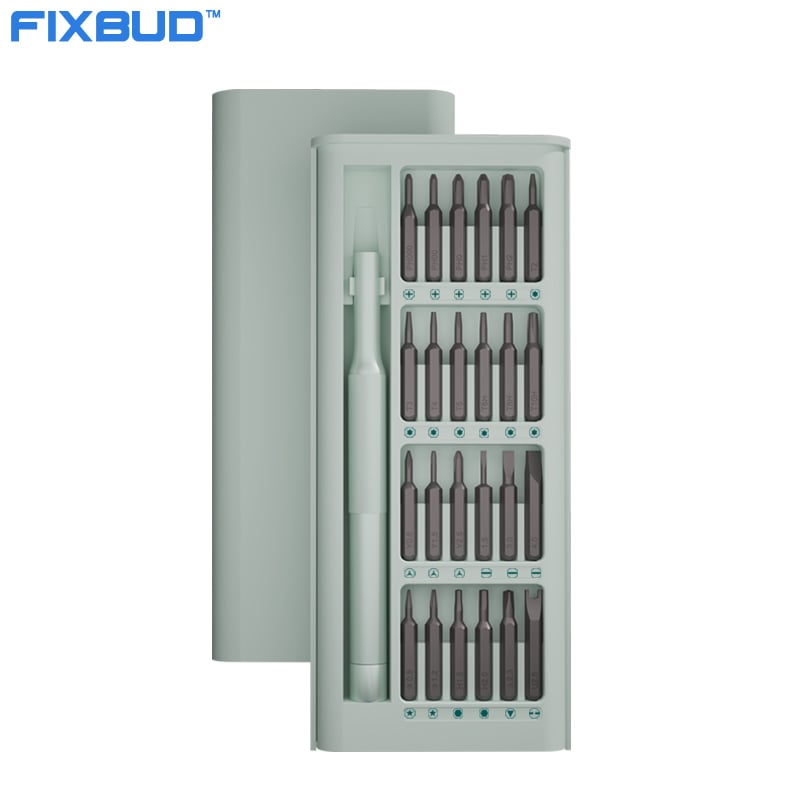
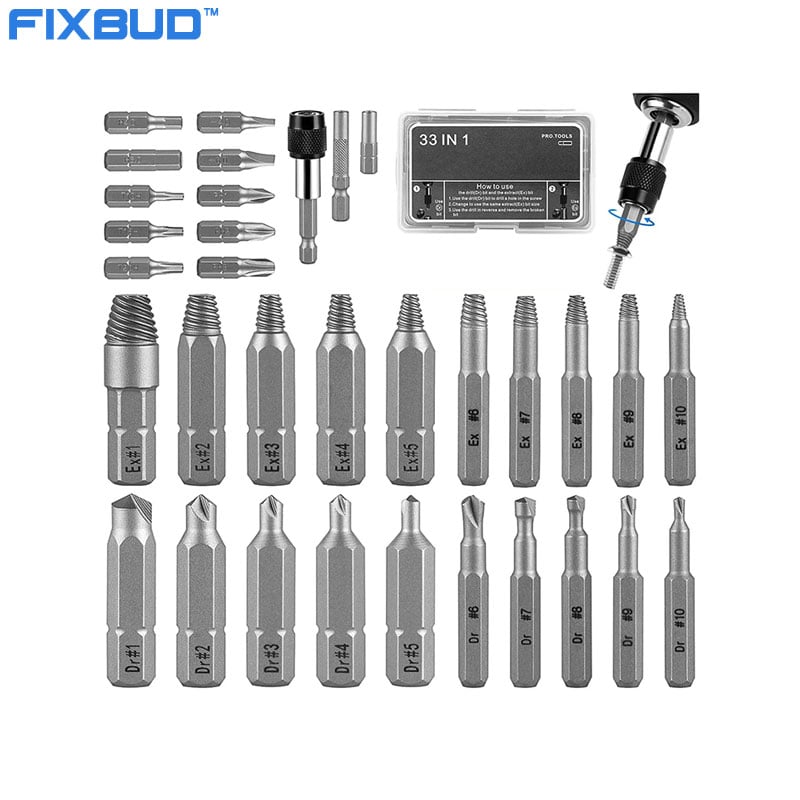
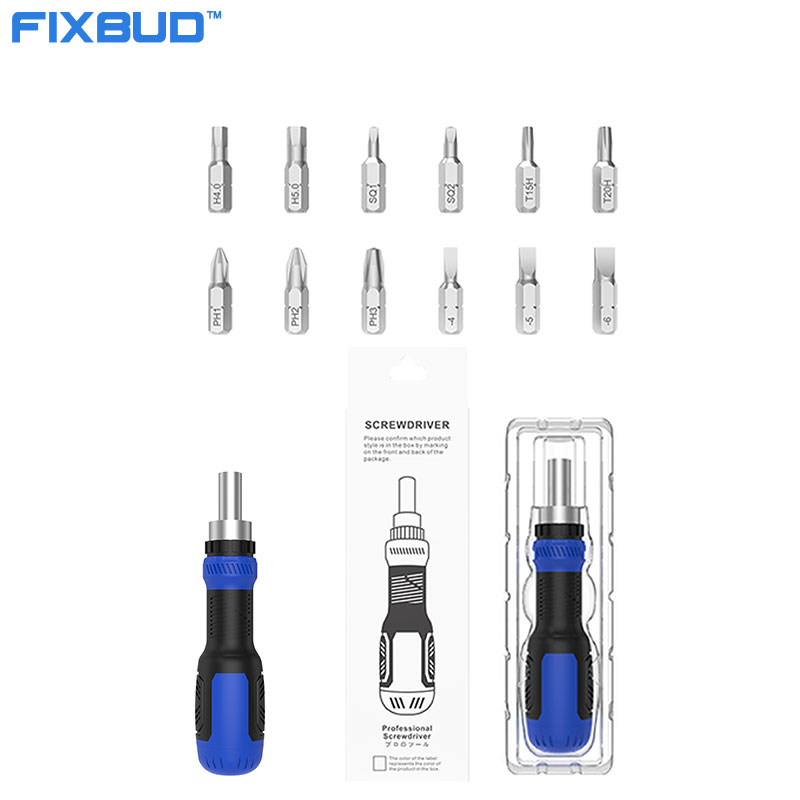
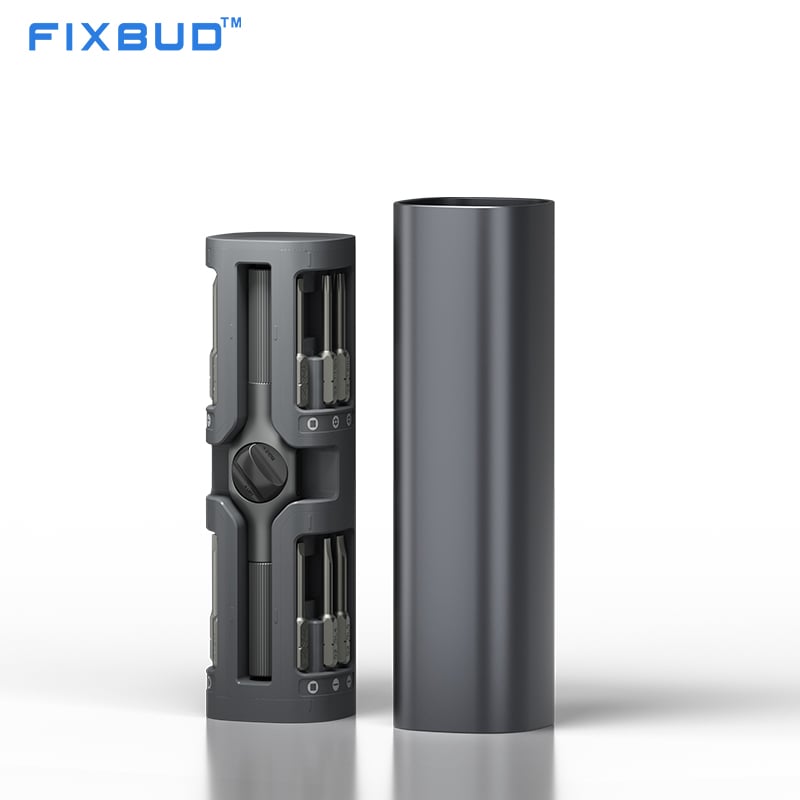
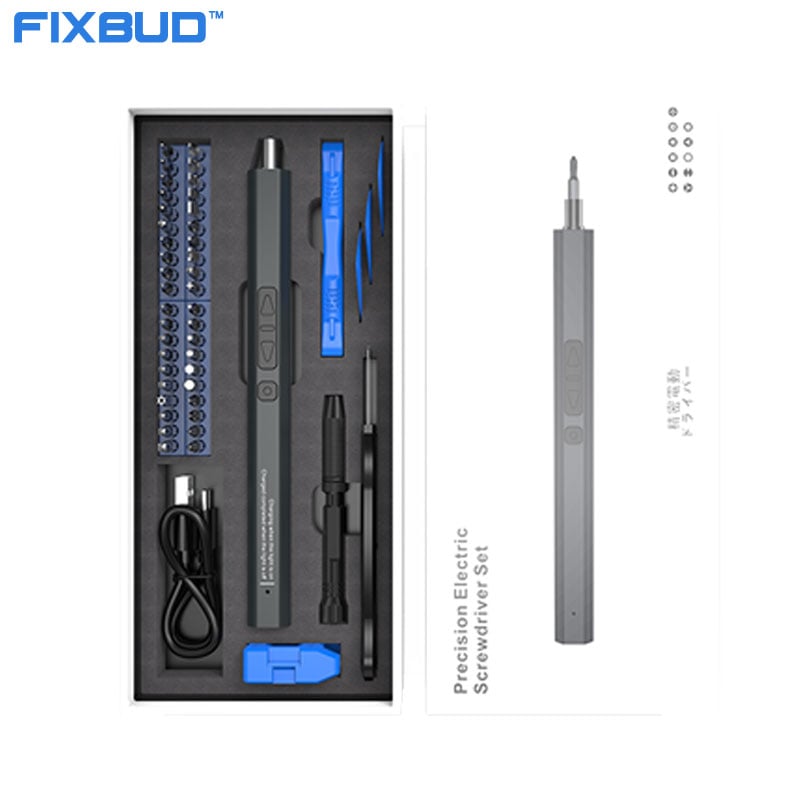
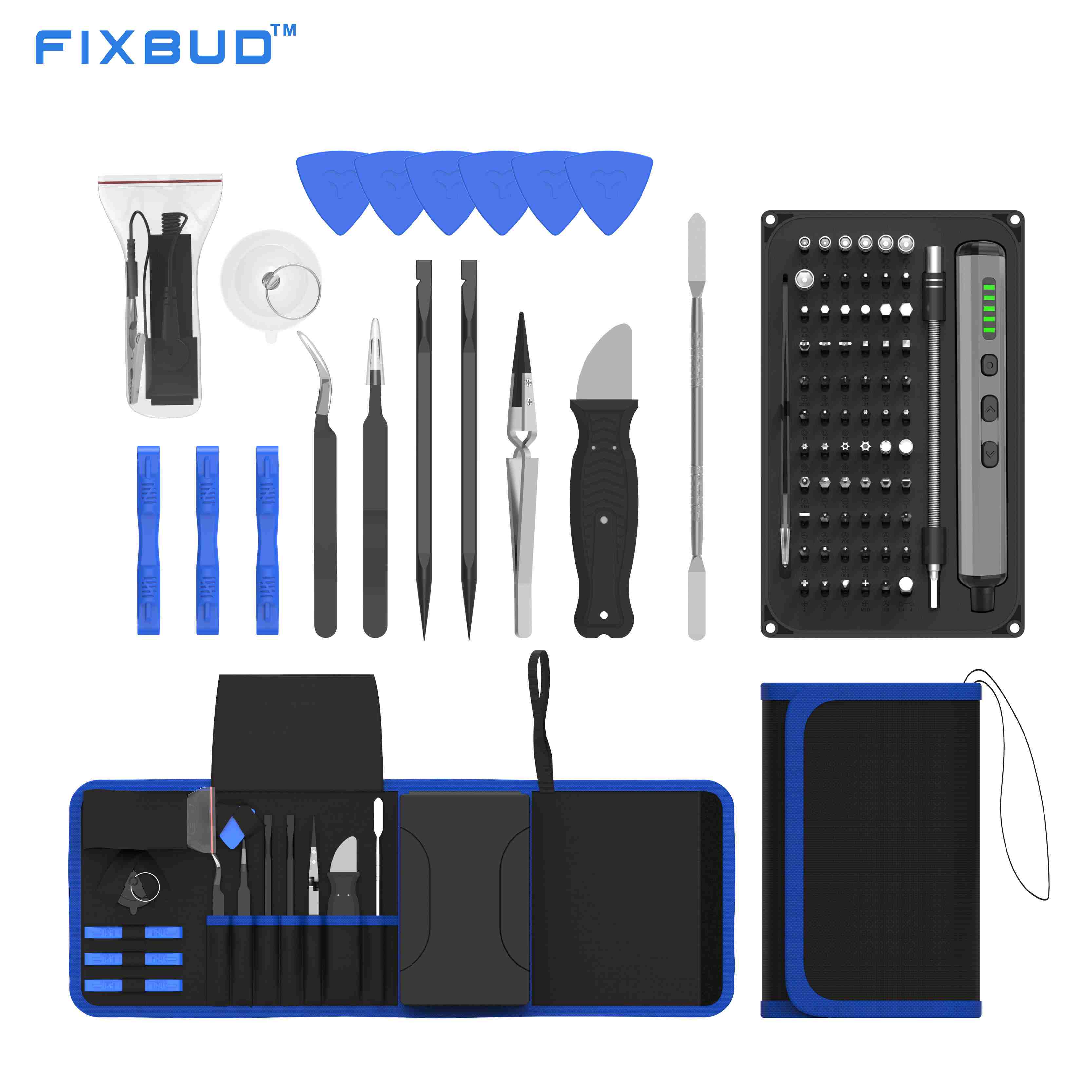
As a result, modern electronics repair is rarely based on a screwdriver alone. Precision screwdriver bits, opening picks, pry tools, tweezers, extensions, and other repair accessories increasingly work as parts of the same repair process.
Precision screwdriver sets have often been differentiated by the number of pieces included. However, a larger tool count does not automatically mean better repair coverage.
As electronics become more diverse, bit selection and application coverage become more important.
Smartphones, laptops, tablets, game consoles, cameras, and other small devices may use different fastener profiles and sizes. A useful repair set therefore needs to match the actual devices being serviced rather than simply maximize the number of bits in the package.
For repair-tool buyers, distributors, and brands, this may gradually shift product planning away from “how many pieces are included?” toward questions such as:
- Which fastener types does the kit cover?
- Which devices is the configuration intended for?
- Are the most frequently used sizes included?
- Are opening and handling tools needed for the target application?
- Is the tool layout practical for repeated repair work?
This does not mean large screwdriver sets will disappear. Instead, the market may continue to split between compact application-specific kits and broader multi-device repair configurations.
More repairable product design does not necessarily mean devices will become simple to disassemble.
Modern electronics still need to balance repairability with durability, safety, water resistance, compact construction, and product performance. The JRC notes that repairability is only one part of sustainable product design and must be considered alongside other requirements.
This is why opening and handling tools are likely to remain important.
Even when manufacturers improve access to batteries or internal components, repair work may still involve removing covers, separating housings, lifting connectors, or handling delicate components.
Precision screwdrivers may handle the fastening stage, while picks, pry tools, suction tools, and tweezers support other parts of the disassembly process.
For tool-set development, this suggests that electronics repair kits should increasingly be viewed as task-based systems rather than collections of unrelated tools.
Repairability is also moving from a general sustainability objective toward measurable product requirements.
The EU's Ecodesign for Sustainable Products Regulation was adopted in 2024 and provides a broader framework for improving product sustainability. The EU Batteries Regulation also includes requirements related to battery removability and replaceability.
The JRC has also developed an EU-wide repairability scoring methodology for smartphones and tablets.
Repairability information is now included in the EU energy-label framework for these products, and new EU requirements for more durable and repairable smartphones and tablets began applying in June 2025.
The JRC is also supporting work on possible repairability requirements for other product groups, including laptops, printers, consumer electronics, and small household appliances.
This means repairability is likely to influence a wider range of device categories over time.
The main trend is not simply that more repairable products require more tools.
The more meaningful change is that tool requirements are becoming more closely connected to product design and repair tasks.
For businesses involved in sourcing or developing repair tools, several factors may therefore become more important:
- Coverage of commonly used precision fasteners
- Accurate bit fit rather than excessive bit count
- Practical opening and handling tools
- Configurations designed around specific repair applications
- Organized storage for repeated professional use
- Flexible combinations for different device categories
Repairability policy alone will not determine the future of the repair-tool market. Device design, component accessibility, fastener selection, repair information, and the economics of repair will all play a role.
However, as electronics manufacturers pay more attention to replaceable components and repair-friendly construction, the repair-tool industry will also need to pay closer attention to how products are actually taken apart, serviced, and reassembled.
For precision repair tools, that may be one of the more important product-development trends to watch.
Sources
European Commission – Joint Research Centre
Why repairability matters for the future of tech products
Eurostat
Waste statistics – electrical and electronic equipment
European Commission
New EU rules for durable, energy-efficient and repairable smartphones and tablets start applying
 Hot News
2026-10-16
2026-10-13
2026-10-12
2026-10-12
2026-10-12
2026-10-10

FIXBUD is a trusted screwdriver and tool set manufacturer in China with ISO9001, CE, UL certifications. Offering OEM/ODM services, high-quality tools, and complete procurement solutions for global partners. Request a custom quote today.
Room 402, Building B, Getailong Zhigu, Bulong Road, Bantian Street, Longgang District, Shenzhen, Guangdong Province, China
Copyright © 2026 EWIN ENTERPRISE LTD. All rights reserved. Privacy Policy
 EN
EN