Right-to-repair rules are changing the repair market in Europe. For repair tool suppliers, the key impact is not that these rules directly regulate screwdriver sets or repair kits. Instead, they make repair, spare parts access, repair information, and product repairability more important across the wider service ecosystem.
As repair becomes more structured, buyers may pay closer attention to tool coverage, durability, configuration consistency, and compatibility with different devices.
The EU Directive on common rules promoting the repair of goods was adopted in 2024, and Member States are required to apply the rules from 31 July 2026.
The aim is to encourage repair instead of premature replacement. The rules also improve access to repair services and repair information and strengthen the role of repair within the product lifecycle.
For the repair tool market, this means repair is becoming a more visible part of how products are supported after sale.
This may create more structured demand from repair shops, service providers, distributors, and private-label tool brands.
A repair tool kit is only useful if it matches the devices being serviced.
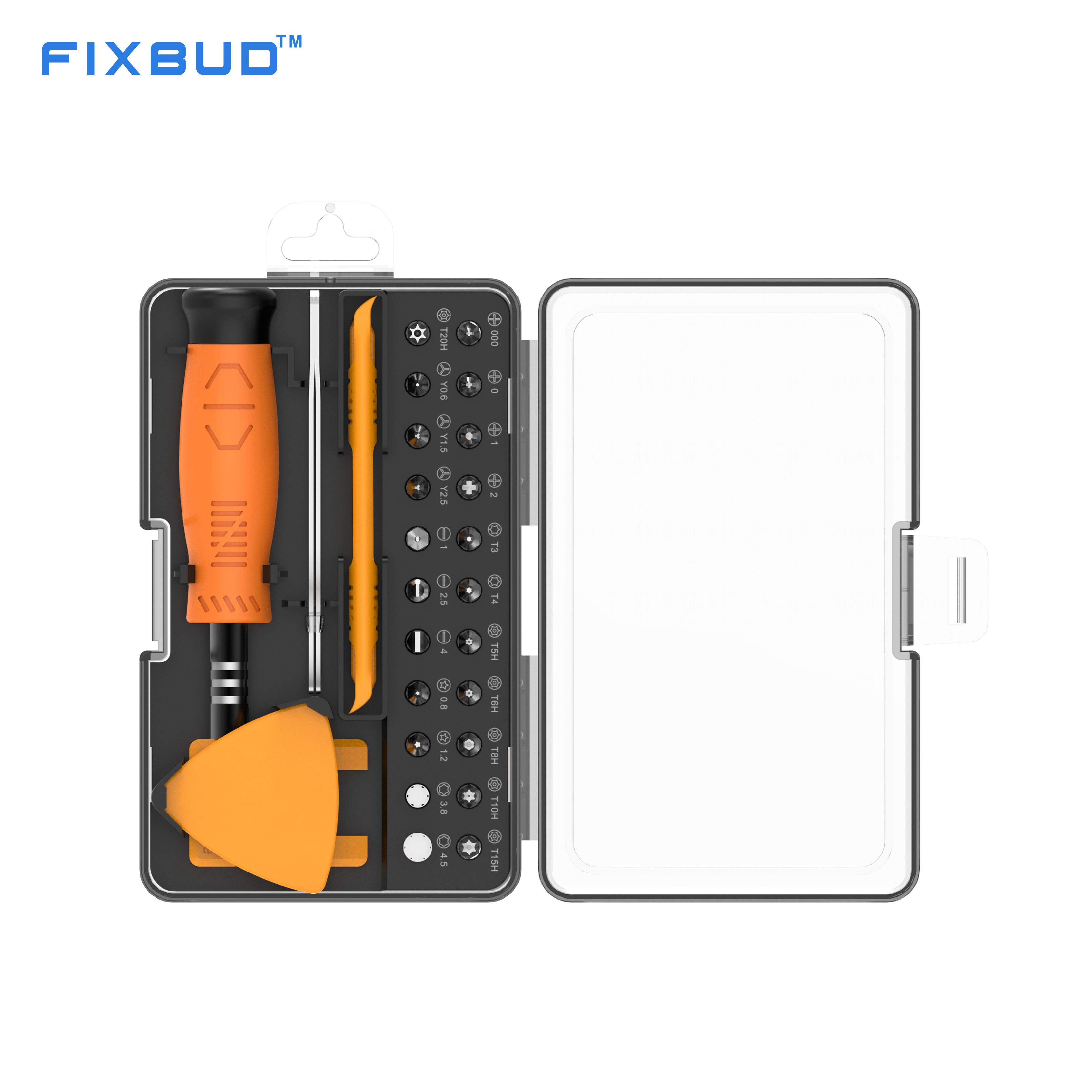
Smartphones, laptops, tablets, game consoles, cameras, and other precision products may use different fastener types, sizes, opening methods, and internal layouts.
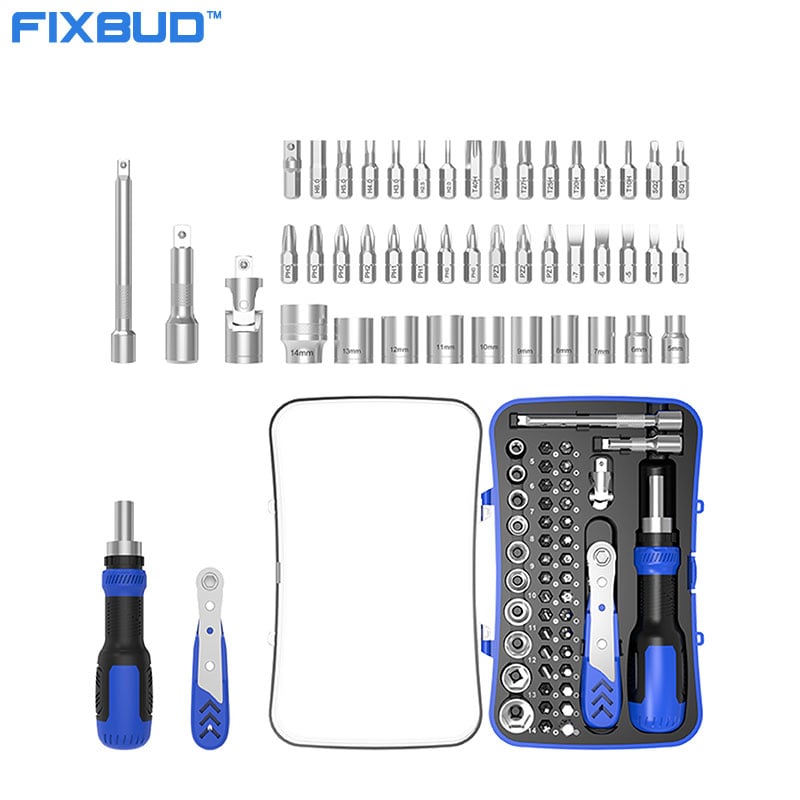
Because of this, B2B buyers may focus less on total piece count and more on practical repair coverage. Questions may include:
- Which fastener types are included?
- Which devices can the kit support?
- Are the most commonly used sizes covered?
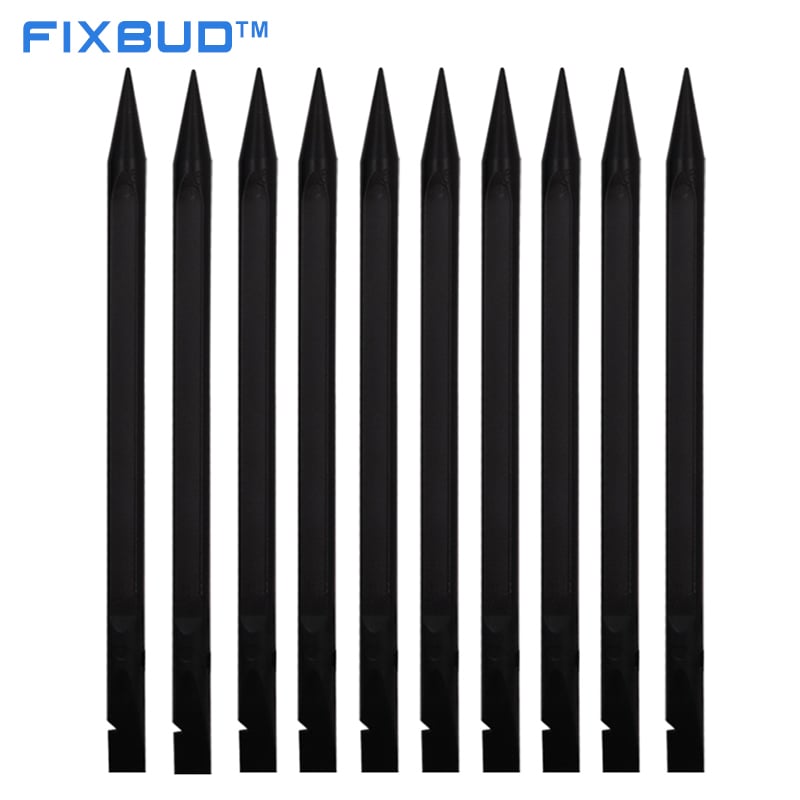
- Are opening tools and tweezers needed?
- Is the configuration suitable for repeated repair work?
This is likely to support more application-specific repair tool kits rather than relying only on large general-purpose sets.
Repair businesses use tools repeatedly, so product durability matters.
For precision screwdriver sets, important factors include:
- Bit material and heat treatment
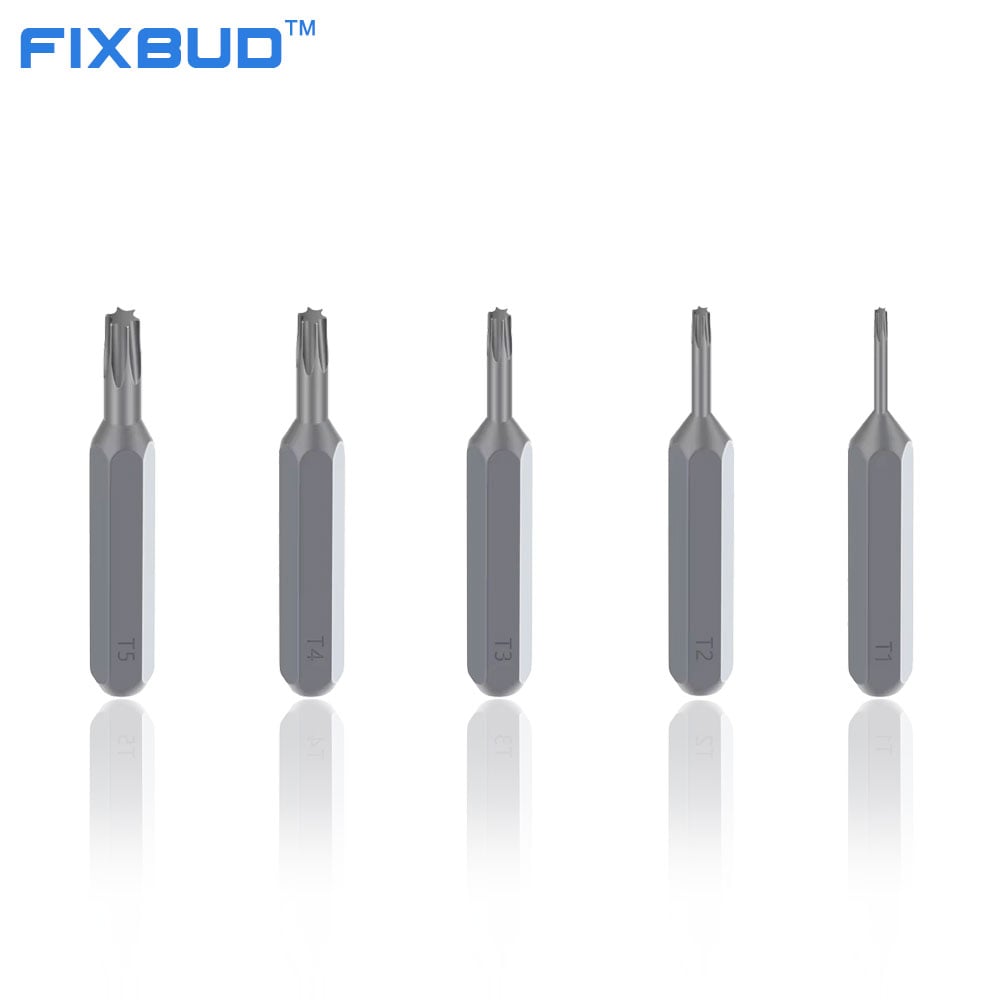
- Tip accuracy and fit
- Wear resistance
- Stable bit retention
- Handle construction
- Consistent quality between production batches
Poorly fitting or worn bits can reduce fastening accuracy and may damage small screw heads.
For distributors and repair-tool brands, long-term consistency can therefore be as important as the initial appearance of the kit.
The European Commission's Joint Research Centre has included tools as one factor in its repairability assessment for smartphones and tablets.
The assessment also considers disassembly depth, fasteners, spare-part availability, software updates, and repair information.
This is important for repair tool suppliers because it shows that tool accessibility is part of the wider repairability discussion.
As manufacturers make components easier to access, repair tool configurations may need to follow changes in fasteners, device opening methods, and internal construction.
As repair services become more structured, B2B buyers may also prefer more consistent tool configurations.
A repair chain, distributor, or private-label brand may choose a stable core configuration for smartphone repair, laptop repair, or general electronics maintenance rather than changing the tool list frequently.
This can help with:
- Reordering
- Inventory control
- Staff training
- Product positioning
- Quality consistency
For suppliers, this means repeatable configurations may become more important than simply offering a large number of accessories.
Right-to-repair rules do not define how a repair tool kit should be designed. However, they are part of a broader shift toward more repairable products and more structured repair services.
Repair tool suppliers should therefore pay attention to:
- Changes in device design
- Common fastener types
- Tool durability
- Application-specific configurations
- Useful opening and handling tools
- Production consistency
The main trend is clear: repair tool value is increasingly linked to how well a kit supports real repair tasks.
For B2B buyers, the question is becoming less about “how many tools are included?” and more about “does this configuration match the repair work we need to support?”
Sources:
European Commission
Directive on repair of goods
European Commission – Joint Research Centre
Why repairability matters for the future of tech products
European Commission – Joint Research Centre
New EU labels to help consumers choose more repairable electronics
 Hot News
2026-10-16
2026-10-13
2026-10-12
2026-10-12
2026-10-12
2026-10-10

FIXBUD is a trusted screwdriver and tool set manufacturer in China with ISO9001, CE, UL certifications. Offering OEM/ODM services, high-quality tools, and complete procurement solutions for global partners. Request a custom quote today.
Room 402, Building B, Getailong Zhigu, Bulong Road, Bantian Street, Longgang District, Shenzhen, Guangdong Province, China
Copyright © 2026 EWIN ENTERPRISE LTD. All rights reserved. Privacy Policy
 EN
EN