 EN
EN

Every industry has its own set of fastening challenges, and off-the-shelf tools rarely address them with precision. Whether you are working in electronics assembly, medical device manufacturing, aerospace maintenance, or precision instrumentation, the demand for customized screwdriver solutions has grown significantly as production standards become more exacting and component tolerances tighter. Generic tools introduce risk — stripped fasteners, operator fatigue, inconsistent torque, and assembly errors that cost time and money.
Developing customized screwdriver solutions is not simply a matter of changing a handle color or engraving a logo. It is a structured engineering and manufacturing process that begins with a deep understanding of your operational environment and ends with a tool that performs reliably under your specific conditions. This article walks through each stage of that development process so you can approach it with clarity, confidence, and the right questions to ask your tooling partner.
Understanding the Need for Customized Screwdriver Solutions in Industrial Contexts
Why Standard Tools Fall Short in Specialized Environments
Standard screwdrivers are designed to serve the broadest possible range of users. That design philosophy, while commercially practical, creates real limitations in industrial and precision settings. When your assembly line requires consistent torque application on micro-fasteners, or when your technicians work in confined spaces with limited wrist movement, a standard tool simply cannot deliver the repeatability and ergonomic fit that the task demands.
Customized screwdriver solutions address these gaps by aligning tool geometry, material selection, and functional features directly with the task at hand. The result is not just a better-fitting tool — it is a measurable improvement in assembly quality, operator comfort, and process efficiency. Industries that have adopted customized screwdriver solutions consistently report fewer rework incidents and reduced operator strain over extended shifts.
The decision to pursue customized screwdriver solutions is often triggered by a recurring problem: a fastener type that no standard bit fits cleanly, a handle that causes fatigue during high-volume assembly, or a torque requirement that standard tools cannot meet without modification. Recognizing these triggers early is the first step toward a productive customization process.
Industries That Benefit Most from Tailored Tooling
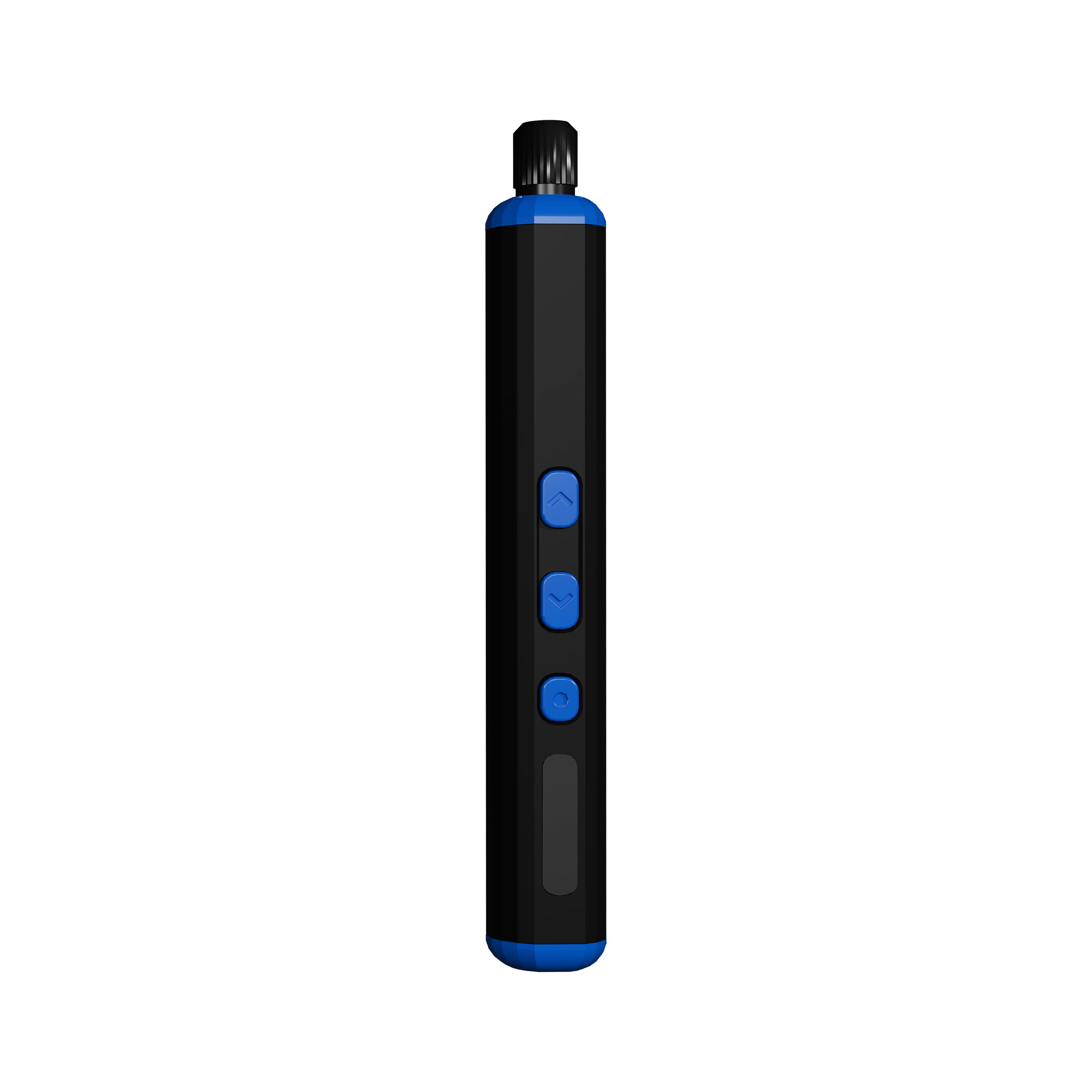
Electronics manufacturing is one of the most active sectors driving demand for customized screwdriver solutions. Circuit board assembly, smartphone repair, and wearable device production all involve fasteners that are smaller than 2mm, requiring precision tips, controlled magnetic force, and handles engineered for fine motor control. A rotating cap design, for example, allows the operator to maintain downward pressure while the cap spins freely, reducing torque transfer to the wrist.
Medical device assembly presents an even stricter set of requirements. Tools used in cleanroom environments must be made from materials that resist contamination, can withstand sterilization cycles, and meet traceability standards. Customized screwdriver solutions for this sector often include specific handle materials, color-coded identification systems, and documented manufacturing records that support regulatory compliance.
Aerospace, automotive, and precision instrumentation sectors each bring their own set of constraints — vibration resistance, temperature tolerance, ESD safety, or specific drive geometries tied to proprietary fastener systems. In all of these cases, customized screwdriver solutions are not a luxury but a functional requirement for meeting production and quality standards.
The Discovery and Requirements Phase
Defining the Operational Parameters
The development of customized screwdriver solutions begins with a thorough discovery phase. This is where the tooling engineer or supplier works closely with your team to document the exact conditions under which the tool will be used. Key parameters include the fastener type and size, the required torque range, the frequency of use, the operator's hand size and grip preference, and any environmental constraints such as temperature, humidity, or ESD sensitivity.
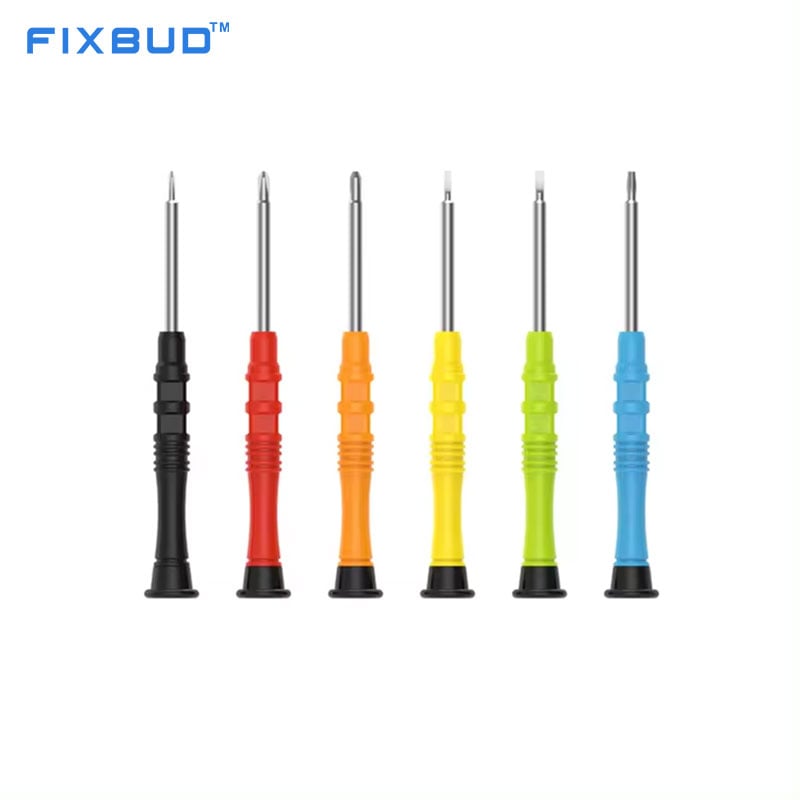
This phase should not be rushed. Incomplete requirements at the start of the process lead to costly revisions later. A well-structured requirements document for customized screwdriver solutions will typically cover drive tip geometry, shaft length and diameter, handle material and texture, magnetic tip strength, and any markings or color coding needed for tool identification on the production floor.
It is also important to document the volume of tools required and the expected service life. These factors influence material choices and manufacturing methods. A low-volume, high-precision application may justify CNC-machined components, while a high-volume production environment may call for injection-molded handles with standardized shaft assemblies.
Translating Operational Needs into Engineering Specifications
Once the operational parameters are documented, the engineering team translates them into formal specifications. This step is where the abstract need for customized screwdriver solutions becomes a concrete design brief. Specifications will define tolerances for tip geometry, hardness ratings for shaft materials, grip force requirements for handle design, and any functional features such as rotating caps, locking mechanisms, or interchangeable tip systems.
The engineering specification also addresses compatibility. If your production line uses a specific fastener standard — such as JIS, Torx Plus, or a proprietary drive — the tip geometry must be engineered to match exactly. Even a small deviation in tip angle or depth can cause cam-out, which damages fasteners and slows assembly. Precision in this stage is what separates effective customized screwdriver solutions from tools that merely look different from standard options.
Material selection is another critical output of this phase. Shaft steel grade, handle polymer type, and surface treatment all affect durability, grip, and chemical resistance. For environments where tools are regularly cleaned with solvents or exposed to oils, the material specification must account for long-term resistance without degradation of grip texture or dimensional stability.
Design, Prototyping, and Validation
The Role of Prototyping in Customized Screwdriver Solutions Development
Prototyping is the stage where specifications become physical objects that can be tested in real conditions. For customized screwdriver solutions, prototyping typically involves producing a small batch of pre-production samples using the intended materials and manufacturing methods. These samples are then evaluated by the end users — the technicians or assembly operators who will use the tools daily.
User feedback during prototyping is invaluable. Operators will quickly identify issues that engineering drawings cannot predict: a handle that feels slightly too wide for extended use, a tip that requires more insertion force than expected, or a rotating cap that spins too freely and reduces control. Capturing this feedback and incorporating it into a revised design is a normal and necessary part of developing effective customized screwdriver solutions.
Prototyping also allows for functional testing under simulated production conditions. Torque testing, tip wear analysis, and grip force measurement can all be conducted on prototype samples before committing to full production. This validation step reduces the risk of deploying tools that fail prematurely or underperform in the field.
Iterative Refinement and Design Approval
Most customized screwdriver solutions go through at least one round of design refinement after initial prototyping. This is not a sign of failure — it is a sign that the process is working as intended. Each iteration brings the tool closer to the precise performance profile required by your application. The goal is to reach a design that passes all functional tests and receives sign-off from both the engineering team and the end users.
Design approval should be documented formally. A signed-off design package for customized screwdriver solutions typically includes final engineering drawings, material certifications, test results, and a reference sample that serves as the production standard. This documentation is especially important in regulated industries where tool traceability is required for audit purposes.
Once design approval is granted, the tooling partner can proceed to production tooling — the molds, fixtures, and machining programs needed to manufacture the tool at the required volume and consistency. This transition from prototype to production tooling is a significant investment, which is why thorough validation before this stage is so important.
Production, Quality Control, and Delivery
Manufacturing Consistency for Customized Screwdriver Solutions
The production phase of customized screwdriver solutions must be governed by clear quality control protocols. Every unit produced should conform to the approved design specification within defined tolerances. For precision tools, this means dimensional inspection of tip geometry, hardness testing of shaft materials, and functional testing of any moving components such as rotating caps or locking mechanisms.
Batch traceability is a standard expectation in industries such as medical devices and aerospace. Each production batch of customized screwdriver solutions should carry a batch number that links back to material certifications, inspection records, and production dates. This traceability supports both internal quality management and external regulatory requirements.
Packaging and labeling are also part of the production process for customized screwdriver solutions. Tools destined for cleanroom environments may require individual sealed packaging. Tools used in multi-operator environments may need color coding or engraved identifiers to prevent mix-ups. These requirements should be specified during the discovery phase and confirmed during design approval.
Post-Delivery Support and Continuous Improvement
The relationship between your organization and your tooling partner should not end at delivery. Effective customized screwdriver solutions are supported by ongoing communication about tool performance in the field. If wear patterns emerge earlier than expected, or if a process change requires a tip geometry update, your tooling partner should be able to respond quickly with a revised solution.
Continuous improvement is a natural extension of the customization process. As your production processes evolve, your customized screwdriver solutions should evolve with them. Scheduled reviews of tool performance data, operator feedback, and process changes allow you to proactively update your tooling rather than reacting to failures after they occur.
Building a long-term partnership with a supplier experienced in customized screwdriver solutions also gives you access to new material technologies, manufacturing innovations, and ergonomic research that can further improve your tooling over time. The initial development process is the foundation, but the ongoing relationship is what sustains the value of your investment.
FAQ
How long does it typically take to develop customized screwdriver solutions from initial request to delivery?
The timeline for developing customized screwdriver solutions varies depending on complexity, but a typical project runs between six and fourteen weeks from initial requirements documentation to first production delivery. Simple customizations such as handle color or engraving can be completed faster, while projects requiring new tip geometries, specialized materials, or regulatory documentation take longer due to prototyping and validation cycles.
What is the minimum order quantity for customized screwdriver solutions?
Minimum order quantities for customized screwdriver solutions depend on the manufacturing method and the degree of customization involved. Fully custom designs with dedicated tooling typically require higher minimum quantities to offset tooling costs, while semi-custom options built on standard platforms may be available in smaller quantities. Discussing your volume requirements early in the discovery phase helps your tooling partner recommend the most cost-effective approach.
Can customized screwdriver solutions meet cleanroom or ESD safety requirements?
Yes, customized screwdriver solutions can be engineered to meet cleanroom compatibility and ESD safety standards. This requires careful selection of handle materials with appropriate surface resistivity, shaft coatings that prevent static buildup, and packaging that maintains cleanliness until point of use. These requirements must be specified during the discovery phase so they are incorporated into the design from the outset rather than added as afterthoughts.
How are customized screwdriver solutions different from standard tools with custom branding?
Custom branding applies a logo or color to an existing standard tool without changing its functional characteristics. Customized screwdriver solutions, by contrast, involve engineering changes to one or more functional elements — tip geometry, shaft length, handle ergonomics, magnetic strength, or material specification — to match a specific application requirement. The distinction matters because only true functional customization delivers the performance improvements that justify the development investment.
Table of Contents
- Understanding the Need for Customized Screwdriver Solutions in Industrial Contexts
- The Discovery and Requirements Phase
- Design, Prototyping, and Validation
- Production, Quality Control, and Delivery
-
FAQ
- How long does it typically take to develop customized screwdriver solutions from initial request to delivery?
- What is the minimum order quantity for customized screwdriver solutions?
- Can customized screwdriver solutions meet cleanroom or ESD safety requirements?
- How are customized screwdriver solutions different from standard tools with custom branding?