 EN
EN

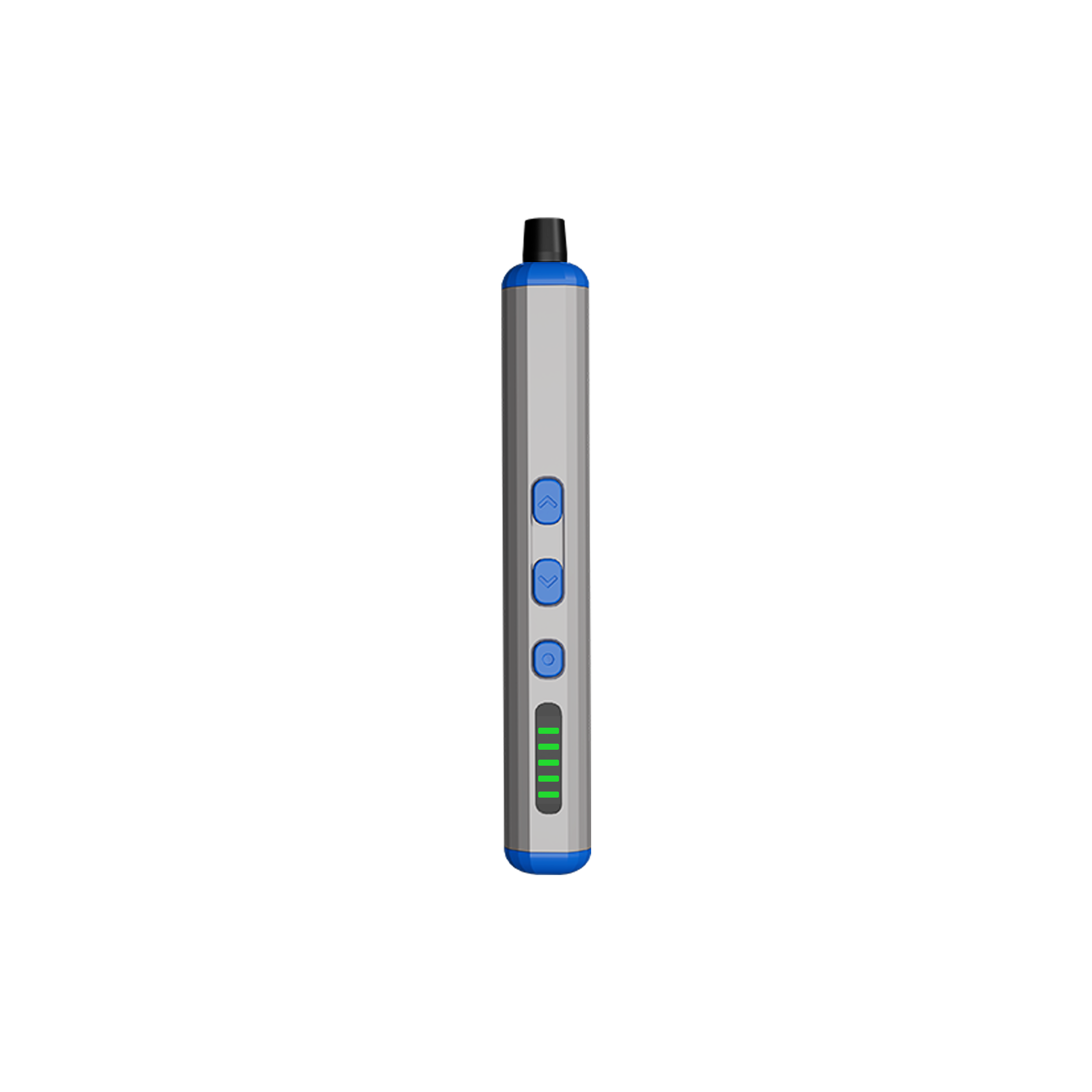
In precision manufacturing environments, even the smallest tool can become the biggest bottleneck. When a mid-sized electronics assembly facility began experiencing a surge in stripped fasteners, inconsistent torque application, and rising rework rates on a compact circuit board assembly line, the engineering team quickly realized that their off-the-shelf hand tools were no longer adequate. The root cause was not operator error or process design — it was the fundamental mismatch between standard tooling and the highly specific demands of their production workflow. This is a real-world account of how customized screwdriver solutions transformed a persistent manufacturing problem into a resolved, measurable success.
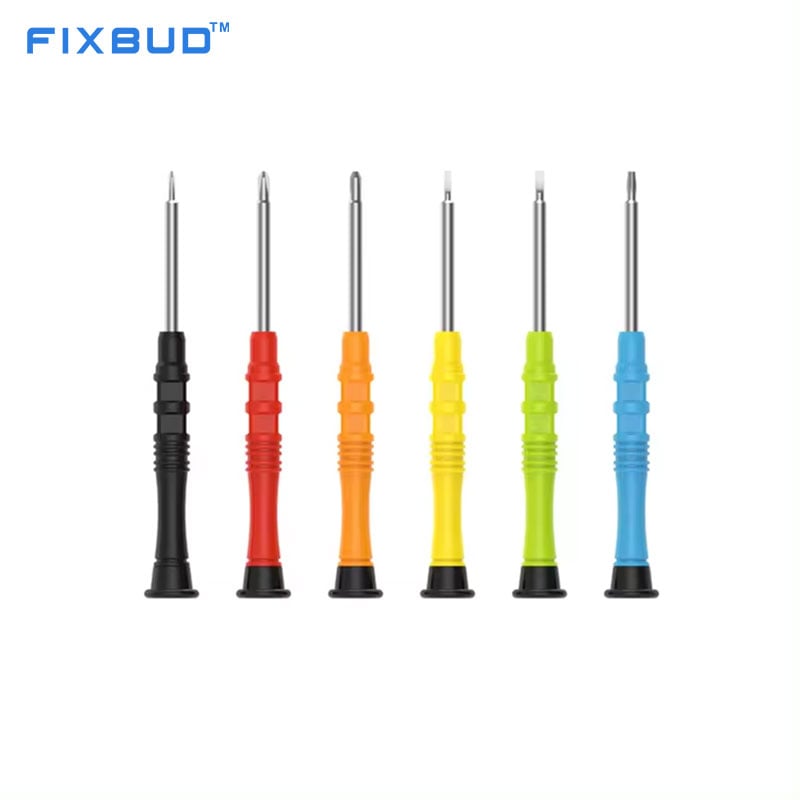
The story that follows is not a product advertisement. It is a structured case study that walks through the problem identification phase, the evaluation of customized screwdriver solutions, the implementation process, and the measurable outcomes that followed. For any production engineer, quality manager, or procurement specialist dealing with similar assembly challenges, the logic and lessons here are directly applicable. Customized screwdriver solutions are not a luxury — in the right context, they are a precision necessity.
The Manufacturing Problem: What Was Going Wrong and Why
Identifying the Root Cause on the Assembly Line
The facility in question assembled compact consumer electronics with miniaturized M1.2 to M2.0 screws in recessed cavities. Standard screwdrivers available on the market were either too bulky to access the recessed positions cleanly or lacked the magnetic tip retention needed to hold such small fasteners during placement. Operators were compensating with awkward grip angles, which introduced inconsistent torque and frequent cam-out events. Over a three-month period, the rework rate on this specific line climbed to nearly 8%, a figure that was economically unsustainable.
The engineering team conducted a detailed time-motion study and identified that approximately 34% of assembly time on the affected stations was being lost to fastener misalignment, re-seating attempts, and post-assembly inspection corrections. The problem was systemic, not random. Every operator on every shift experienced the same failure pattern because the tool geometry was simply wrong for the application. This is precisely the scenario where customized screwdriver solutions become not just useful but essential.
Standard tooling is designed for the broadest possible use case. It performs adequately across a wide range of applications but excels in none of them. When a production line has a highly specific fastener geometry, access angle, torque requirement, or operator ergonomic constraint, the gap between 'adequate' and 'optimized' becomes a measurable cost. The team's diagnosis was clear: they needed customized screwdriver solutions engineered specifically for their fastener size, cavity depth, and operator grip profile.
The Cost of Ignoring Tool-Application Mismatch
Before pursuing customized screwdriver solutions, the facility had attempted two interim fixes. The first was sourcing a different brand of standard precision screwdrivers. The second was implementing a mandatory two-hand technique protocol for operators. Neither approach resolved the core issue because neither addressed the fundamental geometric mismatch between the tool and the application. Rework rates remained elevated, and operator fatigue complaints increased due to the unnatural grip postures required by the two-hand protocol.
The financial impact extended beyond rework labor. Stripped screws on the circuit board assemblies occasionally caused micro-damage to the PCB surface pads, resulting in units that had to be scrapped entirely rather than reworked. The scrap cost per unit was significantly higher than the rework cost, and the frequency of scrap events was increasing. When the quality manager compiled a full three-month cost analysis, the total impact of the tool-application mismatch exceeded the projected annual cost of implementing customized screwdriver solutions by a factor of more than four.
This cost analysis became the business case that moved the project from engineering discussion to procurement action. The numbers made the decision straightforward. Customized screwdriver solutions were not being evaluated as a premium upgrade — they were being evaluated as a cost-reduction initiative with a clear and calculable return on investment.
Defining the Requirements for Customized Screwdriver Solutions
Translating Production Needs into Tool Specifications
The engineering team developed a formal specification document before approaching any tooling supplier. This step is critical and is often skipped by facilities that jump directly to catalog browsing. The specification covered five key dimensions: tip geometry and size, shaft length and diameter, handle ergonomics and grip material, magnetic tip strength, and rotating cap mechanism requirements. Each specification was derived directly from the measured constraints of the assembly application, not from general preference or assumption.
For tip geometry, the team required a Phillips PH000 profile with a tip diameter tolerance of plus or minus 0.05mm to ensure consistent engagement with the M1.2 screw heads without cam-out under normal operator torque. For shaft length, the recessed cavity depth required a minimum usable shaft length of 60mm beyond the handle, with a shaft diameter narrow enough to clear the cavity walls without contact. These are the kinds of specifications that make customized screwdriver solutions fundamentally different from anything available in a standard catalog.
The rotating cap requirement came directly from operator feedback. In high-repetition assembly tasks, a freely rotating cap at the top of the handle allows the operator to apply consistent downward pressure with the index finger while rotating the handle with the other fingers. This dramatically reduces wrist fatigue over a full shift and improves torque consistency because the operator is not fighting the tool's rotation. Customized screwdriver solutions that incorporate this ergonomic feature are specifically designed for production environments, not occasional use.
Magnetic Tip Strength as a Critical Variable
One of the most technically nuanced requirements in the specification was magnetic tip strength. The M1.2 screws used in the assembly were light enough that a standard magnetic tip could hold them reliably during placement. However, the PCB assemblies included several components that were sensitive to magnetic fields, and the specification required that the magnetic field be tightly localized to the tip zone with minimal field extension along the shaft. This is a requirement that only customized screwdriver solutions can realistically address, because it requires deliberate engineering of the magnetic circuit within the tool rather than simply adding a magnetized tip.
The supplier engaged for this project was able to demonstrate, through field mapping measurements, that their customized screwdriver solutions achieved the required tip-localized magnetic profile. The field strength at 10mm from the tip was within the safe threshold for the sensitive components on the PCB. This level of technical specificity is only possible when the tool is engineered to a defined application requirement rather than manufactured to a general-purpose standard.
Magnetic tip performance also directly affects the rework rate problem. When a screw is held securely on the tip during placement, the operator can guide it into the recessed cavity with one smooth motion. When the magnetic hold is inconsistent, the screw shifts during placement, requiring repositioning and increasing the probability of cross-threading or cam-out. The magnetic specification in the customized screwdriver solutions was therefore directly linked to the primary quality metric the facility was trying to improve.
Implementation: Deploying Customized Screwdriver Solutions on the Line
Pilot Testing and Operator Validation
Before full deployment, the facility ran a structured four-week pilot on one of the three affected assembly stations. The pilot used a set of the new customized screwdriver solutions alongside the existing standard tools, with operators alternating between the two on a controlled schedule. Quality inspectors recorded fastener engagement success rates, cam-out events, rework triggers, and operator-reported comfort scores for both tool types. The data collection protocol was designed to produce statistically meaningful results within the four-week window.
The pilot results were unambiguous. The station using customized screwdriver solutions recorded a cam-out rate of 0.3% compared to 6.1% on the standard tool station. Rework triggers dropped by 71% on the pilot station. Operator comfort scores improved significantly, with particular improvement noted in wrist fatigue ratings during the second half of each shift. These results gave the engineering and quality teams the confidence to proceed with full-line deployment without further delay.
Operator training for the new customized screwdriver solutions required less than two hours per station. The ergonomic improvements were intuitive — operators naturally adopted the correct grip posture because the tool's rotating cap and handle geometry guided them toward it. This is an important practical point: well-designed customized screwdriver solutions reduce the training burden rather than increasing it, because the tool's design encodes the correct technique.
Full Deployment and Process Integration
Full deployment across all three affected assembly stations was completed within two weeks of the pilot conclusion. The facility standardized on the customized screwdriver solutions as the sole approved tool for the M1.2 and M1.6 fastener stations, with the standard tools removed from those stations entirely to prevent operator reversion. Tool storage was redesigned to include dedicated holders that kept the customized screwdriver solutions accessible at the point of use without requiring operators to reach or reposition.
The process documentation was updated to reference the specific customized screwdriver solutions by part number, with photographs of the correct grip technique included in the work instruction cards. This documentation step is often overlooked but is essential for sustaining the gains achieved through tooling improvement. When operators change shifts or new operators are onboarded, the work instructions ensure that the correct tool and technique are used consistently.
The facility also established a tool inspection and replacement schedule for the customized screwdriver solutions, based on the supplier's recommended service life under the facility's specific usage intensity. Tip wear was identified as the primary degradation mode, and a simple visual inspection protocol was implemented at the start of each shift. This proactive maintenance approach ensures that the performance benefits of the customized screwdriver solutions are sustained over time rather than degrading gradually as tools wear.
Measured Outcomes: What the Data Showed After Three Months
Quality Metrics and Rework Rate Reduction
Three months after full deployment of the customized screwdriver solutions, the facility conducted a formal post-implementation review. The rework rate on the affected assembly line had dropped from 8.0% to 1.1% — a reduction of 86%. Cam-out events were effectively eliminated as a tracked defect category, occurring so rarely that they no longer appeared in the top-ten defect list. Scrap events attributable to PCB pad damage from stripped screws dropped to zero in the final six weeks of the review period.
The quality improvement translated directly into throughput gains. With less time spent on rework and re-inspection, the three affected stations collectively recovered approximately 28% of previously lost productive time. This throughput recovery allowed the facility to meet its production targets without adding headcount or extending shift hours, both of which had been under consideration before the customized screwdriver solutions were deployed.
The post-implementation review also captured data on operator-reported fatigue and ergonomic comfort. Wrist fatigue complaints from the affected stations dropped by 64% compared to the pre-implementation baseline. This improvement has implications beyond the immediate quality metrics — reduced operator fatigue is associated with lower error rates across all tasks, not just fastener engagement, and contributes to longer-term workforce retention and wellbeing.
Return on Investment and Business Case Validation
The total investment in customized screwdriver solutions, including the pilot phase, full deployment, tooling storage modifications, and documentation updates, was recovered within the first six weeks of full deployment based on rework labor savings alone. When scrap cost avoidance was included in the calculation, the payback period shortened to under four weeks. The annualized return on the tooling investment, calculated conservatively, exceeded 900%.
These figures are not presented to suggest that every implementation of customized screwdriver solutions will produce identical results. The return on investment is highly dependent on the severity of the original problem, the volume of production, and the cost structure of the specific facility. What the numbers do demonstrate is that when the tool-application mismatch is significant and the production volume is meaningful, customized screwdriver solutions can deliver financial returns that dwarf their cost by a substantial margin.
The facility's engineering director summarized the outcome in the post-implementation review document with a straightforward observation: the cost of the customized screwdriver solutions was trivial relative to the cost of not having them. This framing captures the essential business logic that should guide any manufacturing facility evaluating whether to invest in customized screwdriver solutions for a specific application challenge.
Lessons Learned and Guidance for Similar Applications
When Standard Tools Are No Longer Sufficient
The case study described here is not unique. Across electronics assembly, medical device manufacturing, aerospace component production, and precision mechanical assembly, the same pattern recurs: a production line with highly specific fastener requirements is being served by tools designed for general use, and the mismatch generates quality problems, throughput losses, and operator strain that accumulate into significant costs. Customized screwdriver solutions are the appropriate response when the application has moved beyond what standard tooling can reliably serve.
The signal that standard tools are no longer sufficient is usually visible in the quality data before it becomes visible in the cost data. Rising cam-out rates, increasing rework frequency, and operator complaints about tool handling are early indicators that the tool-application fit has degraded or was never adequate. Engineering teams that respond to these signals promptly, by evaluating customized screwdriver solutions before the cost impact becomes severe, achieve better outcomes than those who wait for a financial crisis to trigger action.
The specification development process described in this case study — translating production constraints into formal tool requirements before engaging suppliers — is a practice that any facility can adopt. It shifts the conversation from 'what tools do you offer' to 'here is what our application requires,' which is the correct starting point for sourcing customized screwdriver solutions that will actually solve the problem rather than approximate it.
Scaling the Approach Across Multiple Applications
Following the success of the initial deployment, the facility identified three additional assembly stations with similar tool-application mismatch patterns. The engineering team applied the same specification development and pilot testing methodology to each station, sourcing customized screwdriver solutions tailored to each application's specific requirements. The cumulative quality and throughput improvements across all four stations represented a meaningful contribution to the facility's annual operational performance targets.
This scaling experience reinforced an important principle: customized screwdriver solutions are not a one-time fix for a single problem. They represent a tooling philosophy that prioritizes application fit over catalog convenience. Facilities that adopt this philosophy systematically — reviewing tool-application fit as part of their continuous improvement process — tend to accumulate compounding quality and efficiency gains over time rather than addressing problems reactively.
The investment in developing detailed specifications for customized screwdriver solutions also builds institutional knowledge. Each specification document becomes a reference for future tooling decisions, onboarding of new engineers, and supplier communication. Over time, the facility develops a tooling library that reflects its actual production requirements rather than the general-purpose assumptions of standard catalog offerings.
FAQ
What makes customized screwdriver solutions different from standard precision screwdrivers?
Customized screwdriver solutions are engineered to meet the specific geometric, ergonomic, and functional requirements of a defined application. Standard precision screwdrivers are designed for broad usability across many applications. The difference becomes significant when an application has tight tolerances, unusual access geometry, specific magnetic requirements, or high-repetition ergonomic demands that standard tools cannot reliably address. Customized screwdriver solutions close the gap between what a standard tool can do and what the application actually requires.
How do I know if my assembly line needs customized screwdriver solutions?
The clearest indicators are elevated cam-out rates, rising rework frequency, operator fatigue complaints related to tool handling, and quality defects that trace back to fastener engagement inconsistency. If your quality data shows a persistent pattern of fastener-related defects that has not responded to operator training or process adjustments, the root cause is likely a tool-application mismatch. A formal review of your fastener specifications against your current tool geometry is the recommended starting point for evaluating whether customized screwdriver solutions are appropriate.
What specifications should I define before sourcing customized screwdriver solutions?
At minimum, your specification should cover tip geometry and size tolerance, shaft length and diameter, handle ergonomics and grip material, magnetic tip strength and field profile if applicable, and any rotating cap or torque-limiting requirements. Each specification should be derived from the measured constraints of your application — fastener size, cavity geometry, operator posture, and production volume — rather than from general preference. A well-defined specification ensures that the customized screwdriver solutions you source are engineered to solve your specific problem rather than approximating a solution.
How long does it typically take to see results after deploying customized screwdriver solutions?
In the case study described here, measurable quality improvements were visible within the first week of the pilot deployment. Full quantification of the impact required a structured review period of three months to capture statistically reliable data across all shifts and operators. In general, the quality benefits of customized screwdriver solutions are immediate because they address the root cause of the defect pattern directly. Financial return on investment is typically calculable within the first one to two months of full deployment, depending on production volume and the severity of the original problem.
Table of Contents
- The Manufacturing Problem: What Was Going Wrong and Why
- Defining the Requirements for Customized Screwdriver Solutions
- Implementation: Deploying Customized Screwdriver Solutions on the Line
- Measured Outcomes: What the Data Showed After Three Months
- Lessons Learned and Guidance for Similar Applications
-
FAQ
- What makes customized screwdriver solutions different from standard precision screwdrivers?
- How do I know if my assembly line needs customized screwdriver solutions?
- What specifications should I define before sourcing customized screwdriver solutions?
- How long does it typically take to see results after deploying customized screwdriver solutions?