 EN
EN

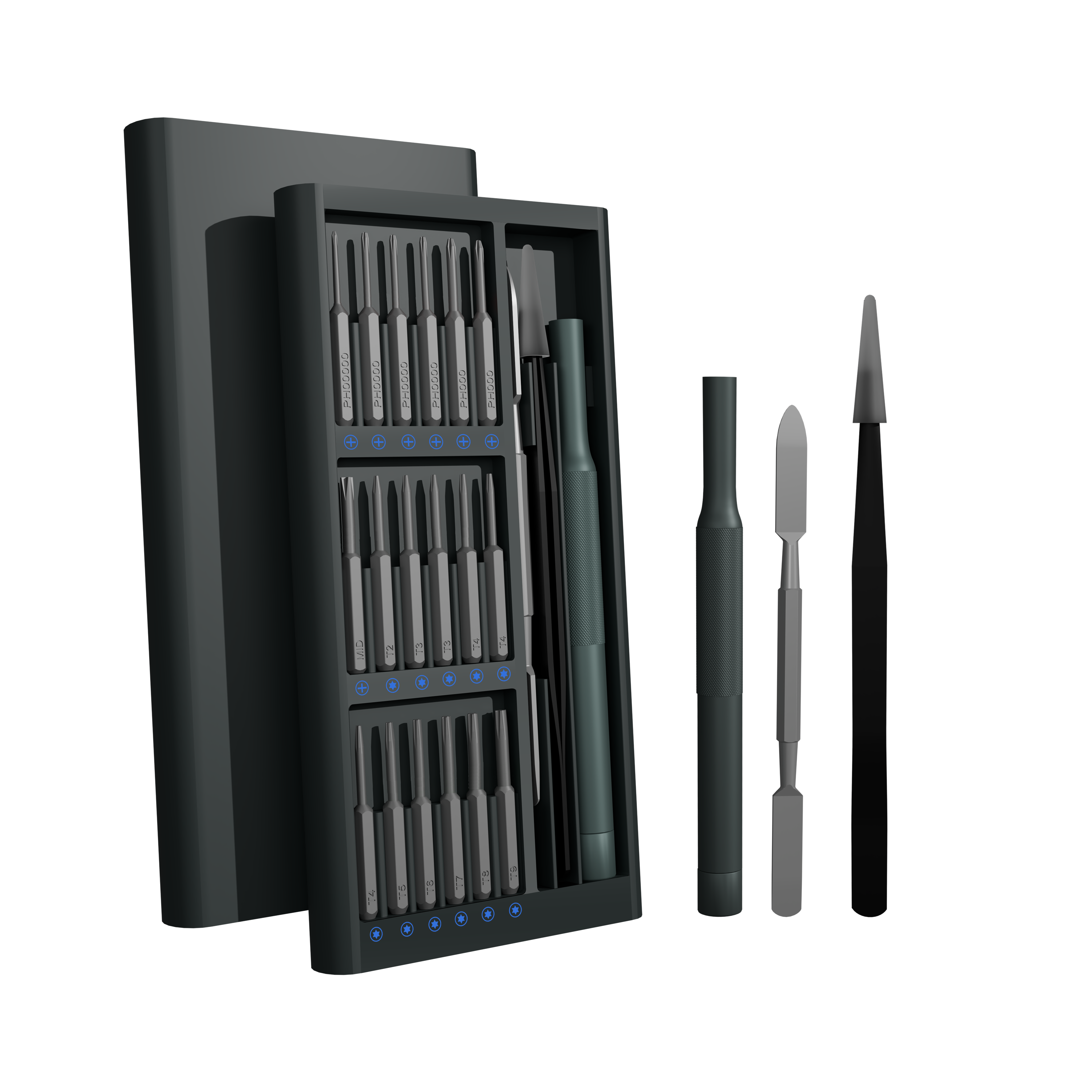
For manufacturers, product developers, and tool brands looking to expand their lineup, partnering with the right electric precision screwdriver supplier opens a direct path to scalable, high-margin OEM production. The demand for compact, intelligent fastening tools has grown sharply across electronics assembly, medical device manufacturing, and consumer product repair — and OEM buyers are increasingly turning to specialized suppliers to meet that demand without building in-house production capacity.
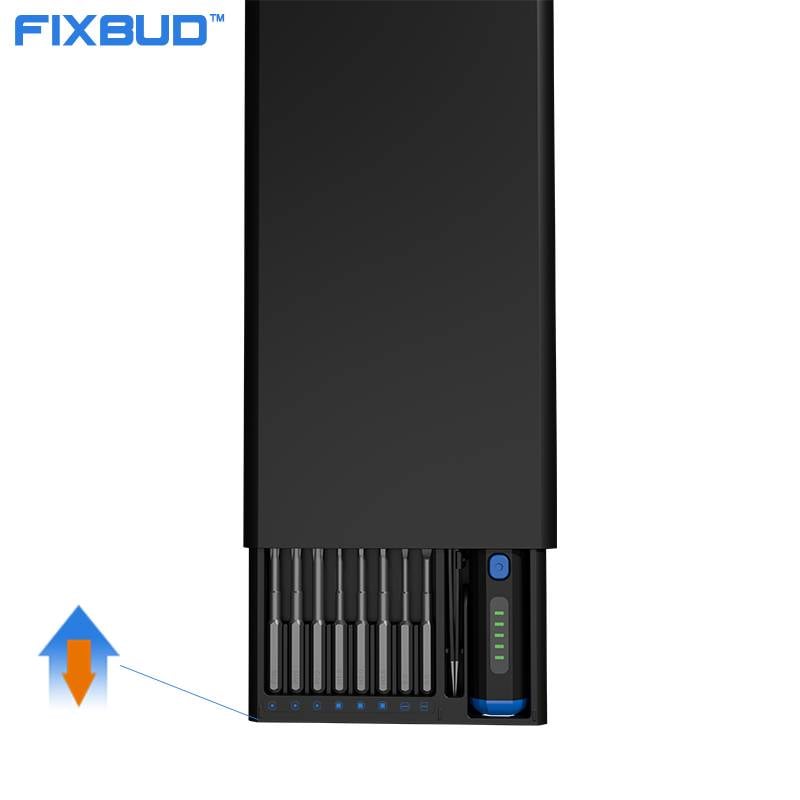
Working with a capable electric precision screwdriver supplier on an OEM basis means more than simply sourcing a finished product. It means co-developing specifications, aligning on branding requirements, and building a supply relationship that supports your go-to-market strategy from prototype through volume production. Understanding how these OEM arrangements work — and what to look for in a supplier — is essential before committing to any partnership.
What OEM Means in the Context of Precision Tool Supply
Defining OEM in the Tool Manufacturing Sector
OEM, or Original Equipment Manufacturer, in the tool supply context refers to a production arrangement where a supplier manufactures a product to the buyer's specifications, which the buyer then sells under their own brand. When applied to an electric precision screwdriver supplier relationship, this means the supplier handles engineering, component sourcing, assembly, and quality control, while the OEM buyer controls branding, packaging, and distribution.
This model is widely used in the tool industry because it allows brands to offer technically sophisticated products without investing in specialized manufacturing infrastructure. Precision electric screwdrivers involve torque control systems, brushless motor technology, and multi-bit compatibility — all areas where a dedicated supplier brings far more depth than a general-purpose manufacturer.
For buyers entering the precision tool market, OEM arrangements with an established electric precision screwdriver supplier dramatically reduce time-to-market. Rather than developing a product from scratch, the buyer works from an existing platform and customizes it to fit their brand positioning and target application.
How OEM Differs from Private Label in This Category
Private label typically involves minimal customization — the buyer applies their branding to a standard product. OEM goes further, allowing specification changes such as torque range, bit set composition, battery capacity, housing color, and packaging design. A serious electric precision screwdriver supplier will offer both tiers, but the OEM path delivers stronger product differentiation and better long-term brand equity.
The distinction matters commercially. A private label product can be replicated easily by competitors sourcing from the same supplier. An OEM product, built to proprietary specifications, is harder to copy and supports premium pricing. Buyers who invest in true OEM development with their electric precision screwdriver supplier are building a defensible product asset, not just a resale SKU.
Key OEM Opportunities Available Through a Precision Screwdriver Supplier
Custom Torque and Performance Specifications
One of the most valuable OEM opportunities an electric precision screwdriver supplier can offer is the ability to tune torque output and speed profiles to match specific application requirements. Electronics repair tools, for example, require very low torque ranges to avoid damaging sensitive components. Medical device assembly tools may require certified torque accuracy and traceability. A supplier with genuine OEM capability can engineer these parameters into the product rather than leaving the buyer to work around a fixed specification.
Torque customization also affects the perceived quality of the finished product. A tool calibrated precisely for its intended use feels more professional and performs more reliably than a general-purpose unit. OEM buyers who specify torque ranges in collaboration with their electric precision screwdriver supplier are delivering a meaningfully better product to their end customers.
Beyond torque, speed settings, clutch sensitivity, and direction-switching mechanisms can all be adjusted through OEM development. These are not cosmetic changes — they affect how the tool performs in real working conditions and directly influence customer satisfaction and repeat purchase rates.
Bit Set Composition and Accessory Bundling
An electric precision screwdriver supplier with strong OEM capabilities will allow buyers to define the bit set composition included with the tool. A 68-piece precision set, for instance, can be curated to include the specific driver types most relevant to a target market — whether that is consumer electronics, eyewear repair, gaming hardware, or industrial instrumentation. This level of customization makes the product feel purpose-built rather than generic.
Accessory bundling extends beyond bits. OEM buyers can often specify carrying cases, extension bars, flexible shafts, and charging solutions as part of the kit. The packaging itself becomes a branding opportunity, with custom inserts, color schemes, and printed materials reinforcing the buyer's brand identity at the point of unboxing.
For retail-focused OEM buyers, the unboxing experience is a significant driver of perceived value. Working with an electric precision screwdriver supplier that understands retail packaging requirements — including shelf dimensions, barcode placement, and regulatory labeling — saves considerable time and reduces costly redesign cycles.
Branding, Housing Design, and Color Customization
Physical branding options are a core part of what makes OEM partnerships with an electric precision screwdriver supplier commercially attractive. Logo engraving, color-matched housing, custom grip textures, and branded charging cables all contribute to a product that looks and feels like it belongs to the buyer's brand family rather than a generic supplier catalog.
Housing color and finish options vary by supplier capability. Some electric precision screwdriver supplier partners offer injection-molded housing in custom colors with minimum order quantities, while others provide pad printing or laser engraving on standard housing as a lower-commitment entry point. Understanding which customization tier is available at which volume threshold is an important early conversation in any OEM negotiation.
Evaluating an Electric Precision Screwdriver Supplier for OEM Fit
Engineering and R&D Depth
Not every electric precision screwdriver supplier has genuine OEM engineering capability. Some suppliers operate primarily as trading companies, sourcing from third-party factories and offering limited ability to modify specifications. True OEM partners have in-house engineering teams, tooling ownership, and the ability to produce and test prototypes against buyer-defined requirements.
When evaluating a potential electric precision screwdriver supplier for OEM work, ask directly about their product development process. Can they produce a specification sheet based on your requirements? Do they own the molds for the housing components? Can they provide test reports for torque accuracy and battery performance? These questions quickly separate genuine OEM manufacturers from resellers with limited customization capability.
R&D depth also matters for long-term partnership value. A supplier that is actively developing new motor technologies, battery management systems, and ergonomic designs will keep your OEM product competitive over time. A supplier that is simply assembling existing components has less to offer as the market evolves.
Quality Systems and Certification Readiness
OEM buyers selling into regulated markets — particularly electronics, medical, or industrial sectors — need their electric precision screwdriver supplier to support certification requirements. CE marking for European markets, FCC compliance for North American markets, and RoHS compliance for environmental regulations are baseline expectations for professional-grade tools.
A supplier with established quality management systems, documented inspection processes, and experience supporting third-party audits is a significantly lower-risk OEM partner. Ask for existing certification documentation and inquire about their process for supporting new certifications if your target market requires them.
Quality consistency across production runs is equally important. An electric precision screwdriver supplier that delivers excellent samples but inconsistent mass production creates serious downstream problems for OEM buyers. Request production quality data, defect rate history, and references from existing OEM customers before committing to a volume agreement.
Minimum Order Quantities and Scalability
OEM minimum order quantities vary significantly across suppliers. Some electric precision screwdriver supplier partners set MOQs at 500 units for standard customization and higher thresholds for full housing tooling changes. Understanding these thresholds early helps OEM buyers plan their launch strategy and inventory investment.
Scalability is the other side of the MOQ conversation. A supplier that can handle your initial order of 1,000 units but cannot scale to 20,000 units within a reasonable lead time creates a growth bottleneck. Confirm production capacity, lead times at different volume levels, and the supplier's experience managing rapid demand increases before finalizing an OEM agreement.
Building a Productive Long-Term OEM Relationship
Structuring the Initial Development Phase
The most successful OEM partnerships with an electric precision screwdriver supplier begin with a clearly structured development phase. This typically involves a requirements document, a prototype agreement, defined revision cycles, and agreed acceptance criteria before moving to production tooling. Skipping this phase to save time almost always results in more expensive corrections later.
During development, maintain close communication with the supplier's engineering team. Precision tools involve interdependent systems — changing the bit retention mechanism, for example, can affect the tool's balance and the ergonomics of one-handed operation. An electric precision screwdriver supplier with experienced engineers will flag these interdependencies proactively, but only if the communication channel is open and collaborative.
Prototype review should include functional testing under realistic use conditions, not just visual inspection. Test the torque output across the full battery discharge cycle. Test the bit change mechanism under repeated use. Test the charging system with the actual cable and adapter that will ship with the product. These tests reveal issues that specification documents cannot anticipate.
Protecting IP and Managing Exclusivity
OEM buyers investing in custom specifications with an electric precision screwdriver supplier should address intellectual property ownership explicitly in the supply agreement. Custom tooling paid for by the buyer should be documented as buyer-owned. Unique design elements should be covered by non-disclosure and non-compete clauses appropriate to the markets being served.
Exclusivity arrangements are common in OEM tool supply but require careful negotiation. Full market exclusivity is rarely granted without significant volume commitments. More practical arrangements include exclusivity within a defined sales channel, geographic region, or product category. An experienced electric precision screwdriver supplier will have standard frameworks for these discussions and can help structure an arrangement that works for both parties.
Ongoing relationship management matters as much as the initial contract. Regular business reviews, shared forecasting, and early communication about product updates or component changes keep the OEM relationship healthy and reduce the risk of supply disruptions or specification drift over time.
FAQ
What is the typical minimum order quantity for OEM production with an electric precision screwdriver supplier?
MOQs vary by supplier and customization level. Standard branding customization such as logo printing often starts at 300 to 500 units. Full housing color changes or new tooling typically require higher minimums, often 1,000 units or more. Always confirm MOQ thresholds for each customization tier before beginning development discussions with an electric precision screwdriver supplier.
How long does the OEM development process typically take?
A standard OEM development cycle with an electric precision screwdriver supplier — from initial specification to approved production sample — typically takes 8 to 16 weeks depending on the complexity of customization. Simple branding changes can move faster. New housing tooling or motor specification changes require more time for engineering, tooling fabrication, and testing. Build this timeline into your product launch planning.
Can an electric precision screwdriver supplier support certification requirements for international markets?
Many established electric precision screwdriver supplier partners already hold CE, FCC, and RoHS certifications for their standard platforms, which can be extended to OEM variants with appropriate documentation. For market-specific certifications not already held, the supplier's ability to support the process depends on their quality systems and experience with third-party testing labs. Confirm certification support capability early in supplier evaluation.
What should be included in an OEM supply agreement with a precision tool supplier?
A well-structured OEM agreement with an electric precision screwdriver supplier should cover product specifications and acceptance criteria, tooling ownership, IP and confidentiality terms, exclusivity scope and conditions, pricing and volume commitments, lead times and delivery terms, quality warranty provisions, and a process for managing engineering changes. Engaging legal counsel familiar with manufacturing supply agreements is advisable before signing.
Table of Contents
- What OEM Means in the Context of Precision Tool Supply
- Key OEM Opportunities Available Through a Precision Screwdriver Supplier
- Evaluating an Electric Precision Screwdriver Supplier for OEM Fit
- Building a Productive Long-Term OEM Relationship
-
FAQ
- What is the typical minimum order quantity for OEM production with an electric precision screwdriver supplier?
- How long does the OEM development process typically take?
- Can an electric precision screwdriver supplier support certification requirements for international markets?
- What should be included in an OEM supply agreement with a precision tool supplier?