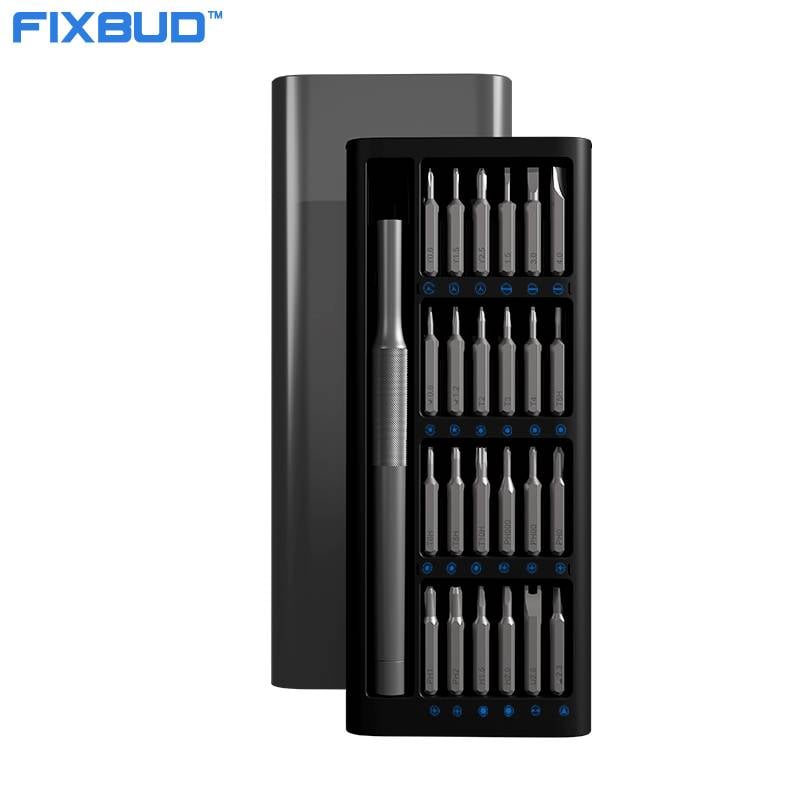
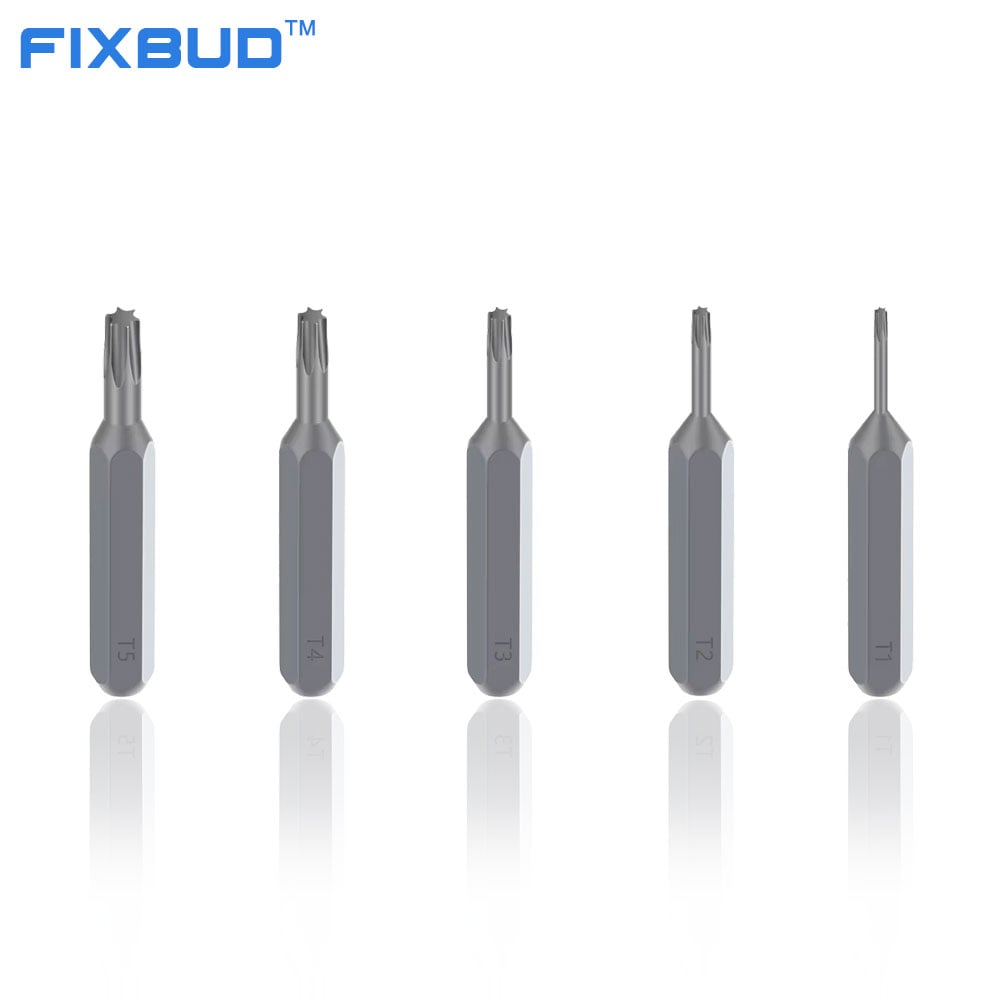
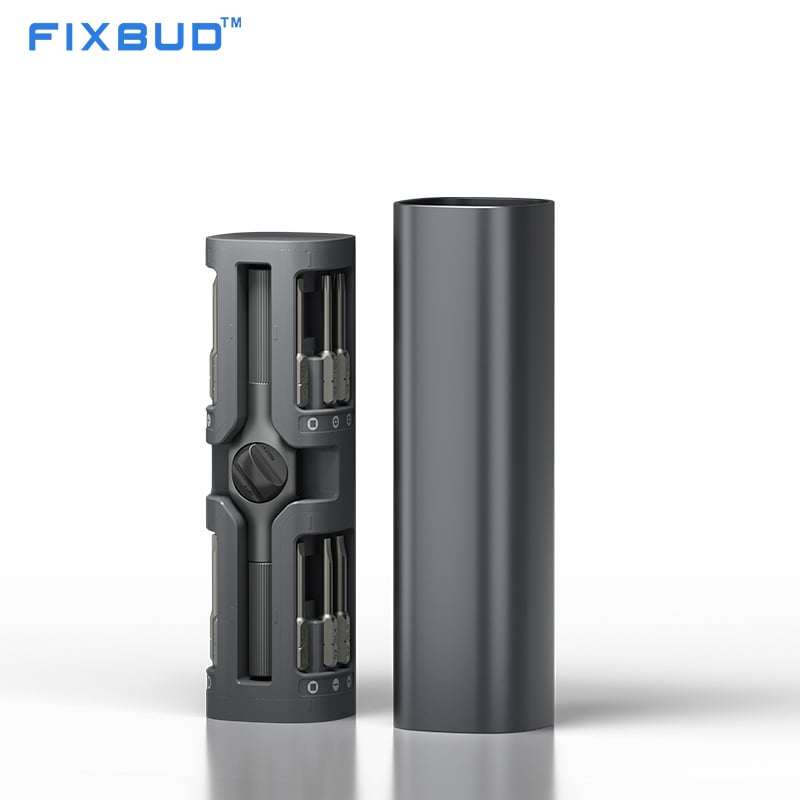
Repair tool sourcing in the refurbished phone industry is worth examining in three areas: standardized workstation tools, replacement parts purchasing, and application-specific repair kits. For refurbishment companies handling large volumes of used devices, consistent tool configurations and reliable replenishment may be more valuable than simply buying more complete repair sets.
These are practical sourcing priorities rather than confirmed industry-wide purchasing trends. Recent developments in second-hand mobile device trading provide a useful opportunity to examine how repair tool procurement could evolve.
In October 2026, the Global Sources Hong Kong Shows introduced a dedicated B2B pavilion for second-hand mobile devices during their second phase, held from October 18–21.
The new pavilion brought together businesses involved in used-device trading, refurbishment, testing, recycling, and international distribution.
According to an October 18 report, more than 60 companies from different markets participated in the pavilion, highlighting the growing visibility of second-hand mobile devices within established electronics sourcing channels.
For repair tool suppliers, this development creates an opportunity to understand the needs of refurbishment businesses better.
However, a dedicated trading pavilion does not necessarily mean repair tool demand has increased. Actual purchasing requirements depend on refurbishment volume, repair processes, and existing equipment.
A refurbishment business may operate several workstations handling different smartphone models and repair tasks.
If each workstation uses different screwdriver bits, handles, and opening tools, managing replacements and maintaining consistent procedures can become more difficult.
Standardized repair tool configurations can help address three operational issues:
1. Tool Consistency: Technicians can use agreed tool specifications for common repair tasks.
2. Inventory Management: Purchasing teams can maintain a clearer list of replacement tools and accessories.
3. Workstation Setup: New workstations can be equipped using an established configuration rather than sourcing each component separately.
Standardization does not mean every workstation must use identical tools.
For example, battery replacement, display removal, and internal component repairs may require different accessories. A practical approach is to establish a common tool kit and add task-specific components where needed.
For bulk buyers, the important question is not how many tools a kit contains, but whether its configuration matches actual repair operations.
Complete precision screwdriver sets are useful when establishing new workstations. However, individual components may require replacement more frequently than the entire kit.
Refurbishment companies can separate their purchasing plans into initial equipment and replenishment items.
| Tool Category | Typical Use | Suggested Sourcing Approach |
| Precision Screwdriver Sets | Standard repair workstation setup | Purchase complete, consistent configurations |
| Precision Screwdriver Bits | Repeated screw removal and fastening | Replenish commonly used types and sizes |
| Plastic Spudgers | Separating housings and handling delicate components | Keep replacement stock based on wear |
| Opening Picks | Working around adhesive-secured device edges | Purchase separately or in multi-piece packs |
| Metal Pry Tools | Specific opening tasks requiring thin, rigid tools | Select suitable shapes and control usage |
| Opening Tool Kits | Standardized disassembly operations | Develop consistent multi-tool configurations |
Not all components wear at the same rate.
Screwdriver bit life depends on material, heat treatment, screw fit, and usage. Plastic opening tools may deform or wear during repeated disassembly, while metal tools require inspection for damaged edges.
Replacement quantities should therefore be based on actual consumption records rather than fixed assumptions.
For procurement teams, separating complete kits from replacement items can help avoid unnecessary purchases and improve inventory planning.
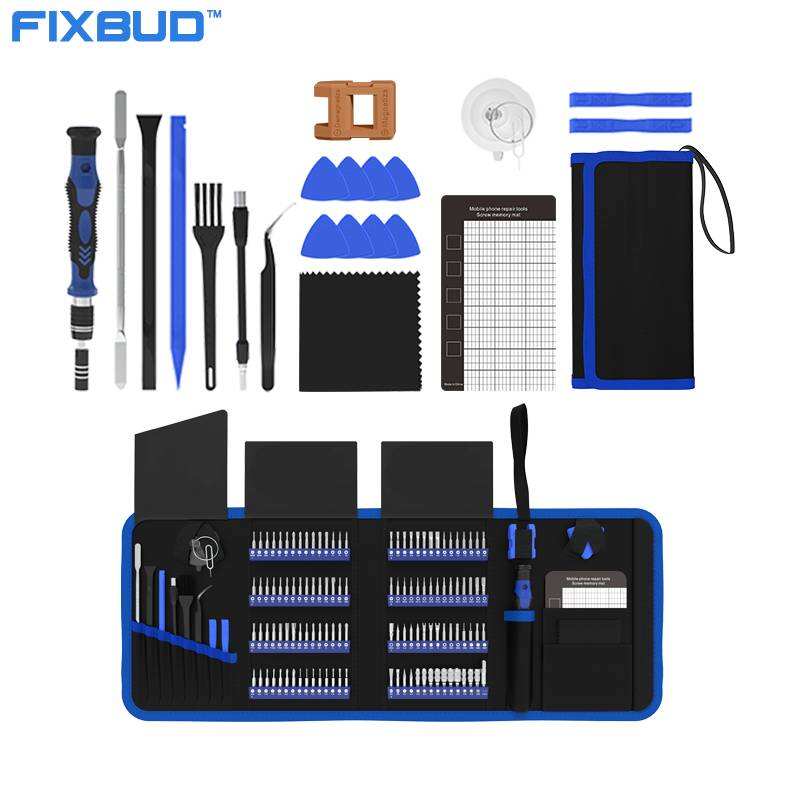
142-in-1 Repair Screwdriver Set Oxford Bag
A North American refurbishment company handling used phones, tablets, and laptops approached us with a specific problem: it had enough screwdrivers, but its opening tools came from different suppliers and wore out frequently.
We developed a customized kit based on our 9PCS Prying & Opening Tool Kit, combining selected plastic and metal tools.
The takeaway: Refurbishment businesses may benefit more from standardized opening tools and reliable replacements than from purchasing additional complete screwdriver sets.
Repair tool procurement should consider long-term operational requirements, not only initial unit prices. Before ordering in bulk, purchasing teams should evaluate:
1. Tool Compatibility: Ensure bits and opening tools match the devices and repair tasks.
2. Quality and Durability: Check bit accuracy, material quality, and tool performance through sample testing.
3. Consistent Configurations: Maintain the same tool specifications across workstations and repeat orders.
4. Flexible Replenishment: Choose suppliers that can provide replacement bits and opening tools without requiring complete kits.
For businesses handling multiple device categories, these considerations can be more useful than comparing repair kits by piece count alone.
The dedicated second-hand mobile device pavilion at the October 2026 Hong Kong sourcing shows reflects greater B2B visibility for the refurbishment industry. However, whether this will translate into higher repair tool demand remains to be seen.
For refurbishment businesses, three sourcing priorities are worth considering:
1. Standardized Tools: Maintain consistent configurations across repair workstations.
2. Flexible Replenishment: Replace worn bits and opening tools without purchasing complete kits.
3. Application-Specific Kits: Select tools based on actual repair tasks and device types.
The key takeaway: Effective repair tool sourcing is not about buying more tools. It's about selecting the right tools, maintaining consistency, and making replacements easier as refurbishment operations develop.
Sources:
1. PR Newswire
October 2026 Global Sources Hong Kong Shows Phase II Opens Today
2. South China Morning Post
Second-hand smartphone traders eye Hong Kong as springboard for global exports
Industry observations and sourcing recommendations are based on the cited developments and our manufacturing experience. The customer project reflects an individual procurement case and should not be interpreted as industry-wide purchasing data.
 Hot News
2026-10-22
2026-10-21
2026-10-21
2026-10-20
2026-10-19
2026-10-19

FIXBUD is a trusted screwdriver and tool set manufacturer in China with ISO9001, CE, UL certifications. Offering OEM/ODM services, high-quality tools, and complete procurement solutions for global partners. Request a custom quote today.
Room 402, Building B, Getailong Zhigu, Bulong Road, Bantian Street, Longgang District, Shenzhen, Guangdong Province, China
Copyright © 2026 EWIN ENTERPRISE LTD. All rights reserved. Privacy Policy
 EN