 EN
EN

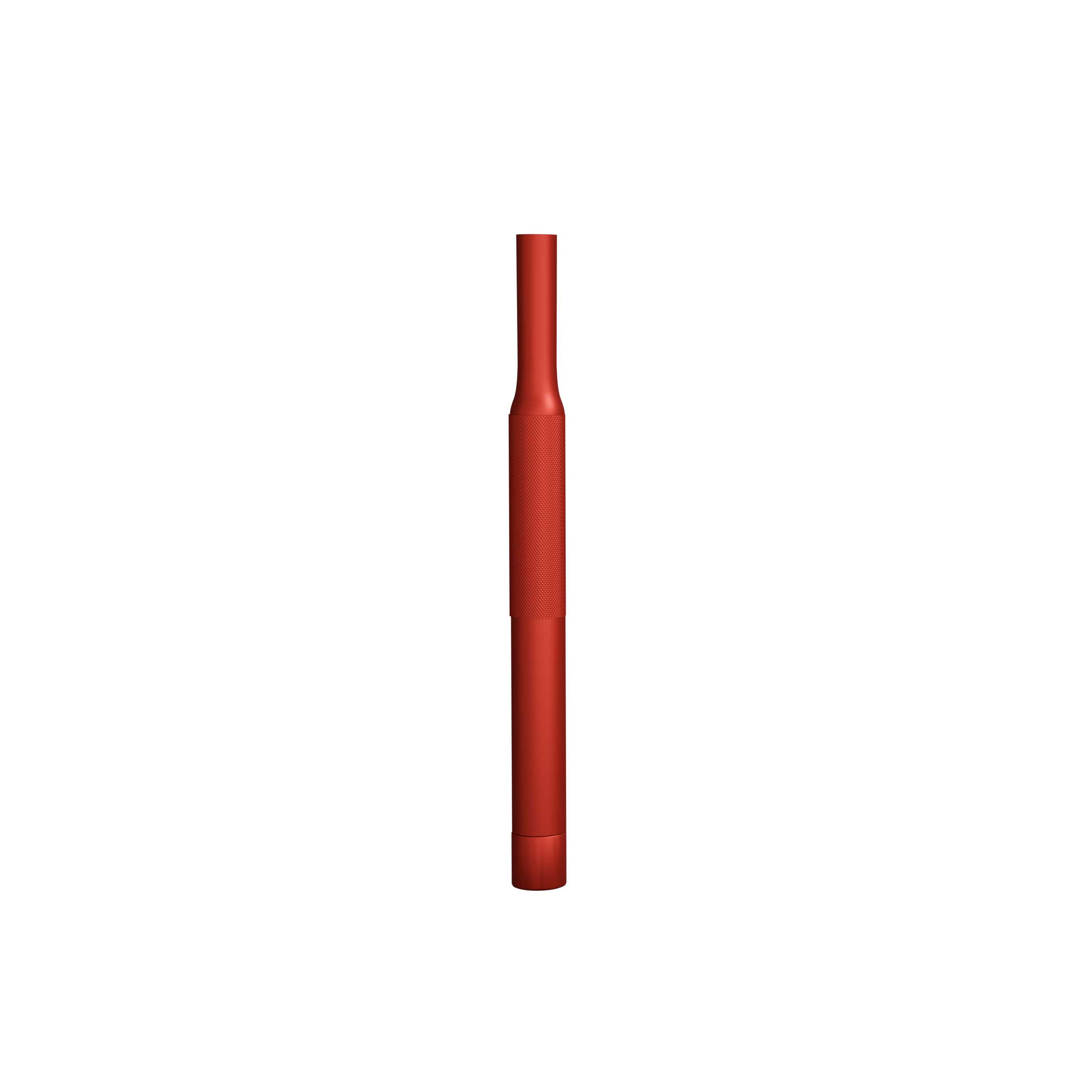
סביבות ייצור מודרניות דורשות דיוק, מהירות ועקביות בכל שלב בתהליך הייצור. יעילות קו הרכבה משפיעה ישירות על עלויות הפעלה, איכות המוצר והמיקום התחרותי שלו בשוק. אחד הגורמים שמתעלמים ממנו לעיתים קרובות, אך משפיע באופן משמעותי על תוצאות אלו, הוא הבחירה והיישום של כלים ידניים מתאימים – ובמיוחד פלפלות המשמשות בפעולות חיבור חוזרות. כלים כלליים, המוכרים במלאי סטנדרטי, עשויים להיות מספיקים לעבודות תחזוקה נקודתיות, אך כאשר עובדים בקו הרכבה מבצעים מאות או אלפי מחזורי חיבור מדי יום, מגבלות הכלים הסטנדרטיים הופכות ברורות למדי דרך צירים צרים, עומס ארגונומי ואי-עקביות באיכות.
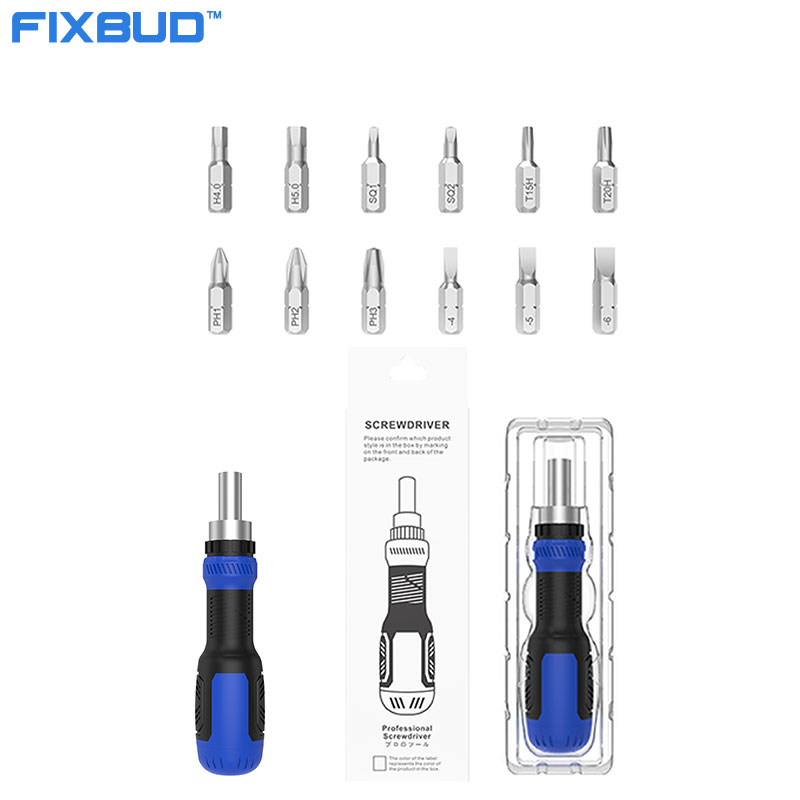
פתרונות מברגים מותאמים אישית פועלים על את האתגרים הללו על ידי התאמת مواصفות הכלים ישירות לדרישות הייחודיות של משימות הרכבה ספציפיות, לצרכים של האופרטורים ולזרמי העבודה בייצור. בניגוד לכלים סטנדרטיים שתוכננו לשימוש כללי, פתרונות מותאמים אישית מאחדים עקרונות עיצוב ארגונומי, דרישות מומנט ייחודיות ליישום, שיקולים של תאימות חומרים ותכונות אופטימיזציה של זרמי עבודה, אשר יחד מעודדים את קצב הانتاج תוך הפחתת עייפות האופרטור ושוואות השגיאות. גישה אסטרטגית זו לבחירת כלים משנה את מה שרבים רואים כהחלטה שוטפת בקניות לכלי מדיד להגברת ביצועי קו הרכבה.
הבנת ההשפעה של התאמה אישית של כלים על יעילות הרכבה
העלויות החבויות בגישות סטנדרטיות לכלים
רוב מתקני היצור בוחרים כברירת מחדל סטים סטנדרטיים של פלפלות על סמך שיקולי מחיר וזמינות כללית, במקום לנתח את הדרישות התפעוליות הממשיות של תהליכי ההרכבה שלהם. גישה קונבנציונלית זו יוצרת מספר אי-יעילויות שמתאצרות עם הזמן. כלים סטנדרטיים דורשים בדרך כלל מהמפעילים להחליף בין מספר כלים במהלך סדרות הרכבה מורכבות, מה שמוסיף תנועה וזמן שאינם תורמים ערך לכל מחזור. הפשרות הארגונומיות המובנות בעיצוב הכלים למשימות כלליות תורמות לעייפות המפעילים, אשר מתבטאת בירידה בקצב העבודה, בגידול בשיעורי השגיאות ובגידול בשיעורי פציעות נגרמות על ידי לחיצות חוזרות.
למרות זאת, כלים סטנדרטיים לרוב חסרים את תכונות בקרת המומנט המדויקות הדרושות לסטנדרטים המודרניים באיכות montaj. החזרה המופרזת פוגעת ברכיבים ומייצרת אחריות אחריות, בעוד שהחזרה הלא מספקת גורמת לכישלונות בשטח ולשיקולים יקרים. היעדר ניהול מומנט משולב בעיצובים בסיסיים של מקדחות כופה על יצרנים ליישם שלבים נפרדים לאימות, מה שמוסיף זמן בדיקה והוצאות יד-עבודה לתהליכי הייצור. אי-היעילות המצטברות הללו מייצגות עלויות הזדמנות משמעותיות ש פתרונות מברגים מותאמים אישית נוצרו במיוחד כדי להיפטר מהן.
איך התאמה אישית פותרת את האתגרים הספציפיים של קו montaj
פתרונות מברגים מותאמים מתחילים בניתוח מפורט של פעולות החיבור הממשיות שביצעו על קו ה ensamble. הערכה זו בוחנת את סוגי הברגים, את מגבלות הגישה, את דרישות המומנט הנדרשות, את יעד זמני המחזור, ואת נתוני האנתרופומטריה של הפעלים כדי להגדיר את דרישות הכלים שמתאימות למציאות הפעולה ולא להנחות כלליות. مواصفות הכלים שנוצרות כוללות תכונות כגון גאומטריית ידית אופטימלית שמתאימה למצב הטבעי של הקרסול במהלך שימוש חוזר, תצורות פקקים שמבטלות את הצורך בהחלפת כלים במהלך סדרות הרכבה מרובה שלבים, ומנגנונים משולבים שמספקים משוב חישתי או שמעי כאשר מושג המומנט הנכון.
תהליך ההתאמה המותאמת מתחשב גם בסביבת הייצור הרחבה יותר, כולל תכנון עמדות העבודה, שיטות הצגת הרכיבים ופרוטוקולי אימות האיכות. ניתן לעצב כלים עם תכונות כגון ידיות במגוון צבעים למערכות ניהול חזותי, אחסון משולב של ביטים שמאפשר גישה מיידית לקונפיגורציות הפעלה הנדרשות, ופרופילים באורכים מותאמים לדרישות ההגעה הספציפיות מבלי ליצור בעיות התנגשות. פתרונות מברגים מותאמים אישית מבט מקיף זה מבטיח שכל היבט של הכלי תורם לשיפור יעילות קו montage ולא רק לביצוע פונקציות סריקה בסיסיות.
הערכת שיפור היעילות באמצעות תכנון כלים ממוקד
שיפורי היעילות שמביאים פתרונות מברגים מותאמים מתבטאים בממדים רבים שניתן למדוד. קיצור זמן המחזור הוא לעתים קרובות היתרונות הנראים לעין באופן המיידי ביותר, כאשר כלים מותאמים היטב מפחיתים 5–15 שניות בכל מחזור הרכבה על ידי הפחתת החלפות הכלים, שיפור הגישה והפעלת תבניות תנועה טבעיות יותר של האופרטור. עבור פעולות הרכבה בעלות נפח גבוה, המעבדות אלפי יחידות מדי יום, שיפורים אלו במחזור אחד מתורגמים להגדלת תפוקה משמעותית ללא צורך בהוספת כוח אדם או הארכת שעות הפעילות.
מדדי האיכות מראים גם שיפור ברור כאשר פתרונות מברגים מותאמים אישית מחליפים כלים כלליים. תכונות בקרת המומנט המשולבות מפחיתות את החסרונות בהקפאה ב-40 עד 60 אחוז ביישומים טיפוסיים, כשמפעילים מקבלים משוב מיידי שמניע הן הקפאה יתר והן הקפאה חלשה מדי. שיפור זה באיכות הפעימה הראשונה מבטל את תחנות העבודה החוזרות, מפחית את דרישות בדיקת האיכות ומקטין את טענות האחריות הקשורות לתקלות בהקפאה. בנוסף, האופטימיזציה הארגונומית המובנית בעיצוב הכלים המותאמים מפחיתה שגיאות הנגרמות עייפות של המפעילים, במיוחד בחלקים המאוחרים יותר של משמרות הייצור, כשרמת הריכוז ירדה באופן טבעי.
אלמנטים מרכזיים בעיצוב שמשפיעים על ביצועי קו lắpת ההרכבה
אופטימיזציה ארגונומית לייצור מתמשך
הממד הארגונומי של פתרונות מברגים מותאמים אישית מהווה אחד התרומות החשובות ביותר ליעילות מתמשכת של קו lắpת ההרכבה. מברגים סטנדרטיים נוטים להכיל פרופילי ידית כלליים שתוכננו כדי להתאים טווח רחב של משתמשים ויישומים, מה שפירושו בהכרח שהם לא מותאמים במיוחד לאף אחד מהם. פשרה זו הופכת לבעייתי ב סביבות הרכבה חוזרות שבהן המפעילים מבצעים את אותה תנועת חיבור מאות פעמים בכל משמרת. ידיות כלליות יוצרות נקודות לחץ, דורשות כוח אחיזה מוגזם ומניחות את הקרסול בזוויות שמאיצות את עייפות הגוף ומעלות את הסיכון לפציעות.
עיצוב ארגונומי מותאם אישית פותר את הבעיות הללו על ידי ניתוח משימות החיבור הספציפיות, מדדי האנתרופומטריה הטיפוסיים של המפעילים ומעדפי היד הדומיננטית בצוות העבודה. עקומים של הידיות מתואמים כדי לחלק באופן אחיד את לחץ האחיזה על כף היד, ובכך מפחיתים עייפות מקומית. קוטר הידיות מאופטם בהתאם לדרישות המומנט הספציפיות של היישום: קוטרים גדולים יותר מאפשרים יישום מומנט גדול יותר עם פחות כוח אחיזה עבור חיבורים דורשי מומנט גבוה, בעוד שקוטרים קטנים יותר מספקים שליטה טובה יותר בעבודות דיוק. בחירת החומר נוגעת הן באחיזה בטוחה והן בבלימת רעידות, כאשר עיצובים מרובי קשיחות מספקים משטחים רכים למגע היד תוך שמירה על קשיחות מבנית באזור הגוף והקצה של הכלי.
אינטגרציה וניהול שיניים מיוחדים ליישום
פעולות הרכבה כוללות בדרך כלל מספר סוגי חיבורים בתוך מוצר אחד, מה שדורש מהמפעילים להחליף בין מקלעי ברגים שונים לאורך סדרת ההרכבה. פעילות החלפת הכלים הזו אינה מוסיפה ערך למוצר, אך צורכת זמן משמעותי בסך הכול. פתרונות מקלעי ברגים מותאמים אישית מתמודדים עם אי-היעילות הזו באמצעות מערכות אחסון משולבות של ראשי ברגים הממקמות את כל תצורות ההנעה הנדרשות תוך מגע מיידי, ומבטלות את הצורך לחפש בתוך קבוצות ראשי ברגים או לחזור למחסן הכלים המרכזי. עיצובים מתקדמים כוללים מנגנוני החלפה מהירה המאפשרים החלפת ראשי ברגים תוך פחות משני שניות, לעומת 8–12 שניות עבור מחזיקי ראשי ברגים קונבנציונליים מסוג קלט.
תצורות הברגים הספציפיות הכלולות בפתרונות מברג מותאמים אישית נקבעות על ידי ניתוח אוכלוסיית הברגים הממשית בקו הרכבה, ולא על ידי ספקת ערכות כלליות. גישה ממוקדת זו מבטיחה שהמפעילים יחזיקו בכל סוגי הברגים שהם צריכים, בלי לשאת אפשרויות מיותרות שמוסיפות משקל ומייצרות בלבול בבחירת הברג המתאים. עבור קווי רכבה עם דרישות מגוונות במיוחד לברגים, פתרונות מותאמים אישית יכולים לכלול מנגנוני קליק שמקטינים את מספר המחזורים של סיבוב מלא הנדרשים, או צירים מתאימים שמאפשרים הגעה מרוחקת לברגים שקועים, תוך שמירה על מידות אחסון קטנות לשימוש כללי.
מאפייני בקרת מומנט ואבטחת איכות
מומנט מדויק של מחברים הוא קריטי לאיכות המוצר, לשלמות המבנית ולאמינות בשטח, אך השגת מומנט עקבי עם כלים ידניים נותרה מאתגרת בסביבות ייצור. פתרונות מברגים מותאמים אישית משלבים תכונות ניהול מומנט המתאימות לדרישות האיכות ולנפח הייצור של פעולות הרכבה ספציפיות. עבור יישומים עם דרישות דיוק מומנט מתונות, מנגנוני מצמד cam-over מספקים משוב מישושי כאשר מומנט היעד מושג, מה שמאפשר למפעילים להשיג תוצאות עקביות ללא התייחסות מתמשכת למכשירי מדידת מומנט.
יישומים המחייבים דיוק גבוה יותר מפיקים תועלת מפתרונות מברגים מותאמים אישית הכוללים מנגנוני הגבלה ממויינים של מומנט, אשר מונעים פיזית את החצייה של ערך המומנט הרצוי ללא תלות בכוח המופעל. מערכות אלו ניתנות לקביעת ערכים מוגדרים מראש של מומנט בהתאם לדרישות ההנדסה לסוגי ברגים ולחומרים מסוימים. מדדי ויזואליים כגון סרטים שמשנים צבעם או קליקים שמעיים מספקים אישור מיידי שהמומנט הנכון הושג, ובכך תומכים במטרות של מניעת שגיאות תוך שמירה על היתרונות היעילוּתיים של montaj ידני. האינטגרציה של תכונות הביקורת באיכות הללו ישירות לכלי ההידוק מבטלת את הצורך בצעדים נפרדים לאימות, אשר היו מאריכים את זמן המחזור ומעלים את דרישות העבודה.
אשכולות יישום להבאת טובת קו ההרכבה למירב
tiến ביצוע ניתוח תהליך ההרכבה
הטמעה מוצלחת של פתרונות מברגים מותאמים אישית מתחילה בניתוח מקיף של תהליכי ההרכבה הנוכחיים כדי לזהות הזדמנויות ספציפיות שבהן התאמה אישית של הכלים תביא לשיפור מדיד בכفاءה. הערכה זו אמורה לתעד את כל פעולות החיבור לאורך קו ההרכבה, כולל סוגי הברגים, זוויות הגישה, דרישות המומנט הדרוש, זמני המחזור הנוכחיים והבעיות באיכות שנצפו. מחקרים של זמן-תנועה חושפים כמה מהמחזור הכולל של ההרכבה נצרך על ידי פעילויות הקשורות לכלים, כגון החלפת קצות המברג, אחזור הכלים ותהליך השינוי במיקום בין מקומות החיבור.
לא פחות חשוב הוא איסוף משוב ממהלכי montazh שמתמודדים עם הכלים לאורךกะותיהם. עובדים אלו מהקו הקדמי מחזיקים בתובנות יקרות ערך בנוגע לנקודות כאב ארוגונומיות, אי-יעילויות בזרימת העבודה, וקשיי איכות שעלולים שלא להיות ברורים לצוות ההנדסה או למנהלים. ראיונות מאורגנים והערכות ארוגונומיות יכולים לזהות בעיות כגון מיקום לא נוח של הקרסול, דרישות כוח אחיזה מופרזות, ותכונות כלים שמפריעות לייעילות במקום לתמוך בה. ניתוח הממוקד על ידי המפעילים מבטיח שפתרונות מברגים מותאמים יתמודדו עם אתגרים תפעוליים אמיתיים ולא עם הזדמנויות לשיפור תיאורטיות שלא תמיד מתאימות לתנאי montazh ממשיים.
ניסוח דרישות המפרט לכלים מותאמים
התובנות שנאספו במהלך ניתוח תהליך ההרכבה מדריכות את פיתוח המפרטים המפורטים שמנחים את ייצור פתרונות מברגים מותאמים. המפרטים הללו צריכים לכסות ממדים מרובים של העיצוב, כולל מימדי הכלי הפיזיים וגבולות המשקל, כדי להבטיח תאימות עם סידורי עמדות העבודה והיכולות של הבודקים. דרישות גאומטריית הנגירה מגדירות את קוטר האחיזה, האורך ופרופילי הקונטורים שמייעלים את הארגונומיה לאוכלוסייה של המשתמשים שזוהתה ולתנועות ההדק predominantes. תצורות הראשיות מוגדרות על בסיס אוכלוסיית כל הבולטים בכל עמדות ההרכבה שבהן יופעל הכלי.
דרישות המומנט מייצגות רכיב קריטי בדרישות הטכניות, וกำหนดות הן את המומנט המרבי שהכלי חייב להיות מסוגל להפעיל והן כל תכונות הגבלת המומנט הדרושות לאבטחת האיכות. דרישות החומר מתייחסות לדרישות העמידות על סמך עוצמת השימוש הצפויה, תוך שיקול גורמים כגון התנגדות לכימיקלים לתהליך ניקוי תעשייתי, עמידות לפגיעות במקרה של נפילות מזדמנות, ומאפייני הבלאי של משטחים הנמצאים במגע מרובה. דרישות נוספות עלולות לכלול דרישות ניהול חזותי, כגון קידוד צבעים עבור תחנות עבודה שונות, מערכות סימון לזיהוי לצורך אחריות על הכלים, ותכונות אינטגרציה למערכות קיימות لإدارة קו lắpת ההרכבה, כגון פלטפורמות למערכת מעקב אחר הכלים או ניהול קליברציה.
בדיקות ניסיוניות ואישור פרוטוקולים
לפני triểnת הפעולה בקנה מידה מלא לאורך קו ה ensamble, פתרונות מברגים מותאמים אישית חייבים לעבור בדיקת ניסיון מבוקרת כדי לאמת כי העיצוב מספק את שיפור היעילות שנצפה, ולזהות כל התאמות הנדרשות לפני יישום רחב יותר. תוכניות ניסיון בדרך כלל מציגות כלים מותאמים אישית בתחנת עבודה אחת או בתא ייצור אחד, שם ניתן לפקח על הביצועים שלהם באופן הדוק ולהשוות אותם למדדים בסיסיים שנאספו באמצעות הכלים הסטנדרטיים הקודמים. מדדי הביצועים העיקריים שנעקוב אחריהם במהלך בדיקת הניסיון כוללים: זמן מחזור לאסמבלי אחד, שיעור תקלות באחיזה, הערכות עייפות של האופרטורים והחזרות סובייקטיביות בנוגע לנוחות השימוש וקלות ההפעלה של הכלי.
הבדיקה המוקדמת אמורה להימשך לאורך מספר משמרות ייצור כדי לתפוס את השינוייות בביצועים הקשורה לרמות הניסיון של הבודקים, לאקמול עייפות לאורך משמרת והשפעות עקומת הלמידה כאשר הבודקים מתאימים את עצמם לתכונות חדשות של הכלים. תקופת הערכת ההמשך הזו מספקת גם הזדמנות לזהות בעיות קשיחות או דאגות ארוגונומיות בלתי צפויות שלא יתגלו במהלך ניסויים ראשוניים קצרים. פרוטוקול האישוש אמור לכלול בדיקות השוואה פורמליות שבהן אותם בודקים מבצעים משימות הרכבה זהות באמצעות כלים סטנדרטיים ופתרונות מברגים מותאמים אישית, עם צופים חסרי ידע על הסוג של הכלי שמשתמשים בו אשר רושמים מדדי ביצוע אובייקטיביים כדי למחוק הטיה. רק לאחר שתוצאות הבדיקה המוקדמת מאשרות שיפור משמעותי בכفاءה וקבלת הבודקים יש לארגונים להמשיך בהטמעה רחבה יותר במקומות נוספים על קו ההרכבה.
שמירה על שיפורים בכفاءה באמצעות ניהול כלים
ה Establishment של מערכות תחזוקה וא Calibration
היתרונות ביעילות של פתרונות מברגים מותאמים תלויים בשימור מאפייני הביצועים של הכלים לאורך תקופת הפעולה שלהם. גם כלים מותאמים טובים יסבלו מהליכה על רכיבים קריטיים כגון קצות המברגים, מנגנוני הנעילה ומנגנוני הגבלת המומנט, אשר עלולים לפגוע בביצועים אם לא יטופלו כראוי. יש להקים תוכניות תחזוקה מונעת בהתבסס על עוצמת השימוש, כאשר פעולות montage נפוצות דורשות תקופות בדיקה קצרות יותר מאשר יישומים עם נפח נמוך יותר. פרוטוקולי התחזוקה צריכים לכלול החלפת מברגים כאשר הליכה בקצותם פוגעת בהשתלבות עם ראש הברגים, שמיון מנגנוני הנעילה כדי להבטיח פעולה חלקה, וביצוע בדיקות פונקציונליות של תכונות הגבלת המומנט כדי לאשר את הדיוק המתמשך.
לפתרונות מותאמים של מקדחים המכללים תכונות בקרת מומנט ממויינות, ניהול רשמי של המיוון הופך לחיוני כדי לשמור על היתרונות של בקרת האיכות. יש לקבוע את פרקי הזמן בין המיוונים על סמך המלצות היצרן, דרישות הרגולציה עבור התעשייה הספציפית, ומאפייני הסטיה שזוהו במהלך תקופות הניטור הראשוניות. מערכות התיעוד חייבות לעקוב אחר היסטוריית המיוון, תוצאות הבדיקות וכל פעולות התיקון שננקטו כאשר הכלים יוצאים מגבולות הסובלנות המתקבלים על הדעת. על הארגונים להחזיק ברוטציה של כלים גיבוי ממויינים כדי למזער הפרעות בייצור כאשר הכלים העיקריים זקוקים לשירות מיוון, ובכך להבטיח שהיעילות של קו הה lắpка לא תפגע עקב חוסר זמינות הכלים במהלך חלונות התיקון.
תוכניות הדרכה לשימוש אופטימלי בכלים
אפילו פתרונות מתקדמים יותר של מסרגות מותאמות אישית ייכשלו בלהשיג את הפוטנציאל המרבי של היעילות אם המפעילים לא מבינים את התכונות שלהן ואת טכניקות השימוש הנאותות. יש לפתח תוכניות הדרכה מקיפות כדי להציג בפני המפעילים כלים מותאמים חדשים, להסביר את תכונות העיצוב הספציפיות שמייחדות אותם מכלים סטנדרטיים קודמים, ולהדגים טכניקות שימוש נאותות שממקסמות הן את היעילות והן את משך חייהם של הכלים. ההדרכה חייבת לכלול הדרכה על טכניקות אחיזה שמאפשרות העברת מומנט אופטימלית תוך מינימיזציה של עייפות, בחירת ותהליך התקנת השדרות (ביטים) הנכונים, וכן פרשנות נכונה של מנגנוני המשוב המגבילים את המומנט.
מעבר לאימון הראשוני בהטמעה, ארגונים צריכים ליישם תוכניות חיזוק מתמשכות שימשיכו לשמור על כישוריהם של המפעילים בפתרונות מברגים מותאמים. יש לקיים הרצאות קצרות לחידוד נושא במהלך ישיבות הצוות כדי להתמודד עם בעיות טכניקות שנצפו או לחזק את הפעולות הנכונות שעשויות לסטות עם הזמן, כאשר המפעילים מפתחים פתרונות חלופיים לא רשמיים. עזרי חזות כגון כרטיסי טכניקה מלומינים שמתווספים לתחנות העבודה מספקים הפניה מהירה לשימוש הנכון בכלי. פרוטוקולי תצפיות של מנהלים צריכים לכלול הערכות מחזוריות של אופן השימוש בכלי על ידי המפעילים כדי לזהות הזדמנויות להדרכה לפני שהטכניקות הלא נכונות יהפכו לרגשיות. תשומת לב מתמשכת זו לשימוש הנכון בכלי מגינה על ההשקעות ביעילות שבוצעו בפתרונות מברגים מותאמים, כמו גם מאריכה את תקופת השירות של הכלי ומשמרת את עקביות האיכות.
מעקב אחרי תפעול ושיפור מתמיד
השימור על שיפור היעילות שהושג באמצעות פתרונות מברגים מותאמים אישית דורש מעקב מתמיד אחר מדדי הביצועים כדי להבטיח שהיתרונות יישארו לאורך זמן ולזהות הזדמנויות נוספות לשיפור. הארגונים צריכים לקבוע מדדים בסיסיים לפני השקת הכלים המותאמים ולהמשיך לעקוב אחר אותם מדדים לאורך כל תקופת הפעולה. מדדים מרכזיים כוללים: זמן מחזור montage, שיעורי החסרונות בפעולת החיבור, תדירות החלפת הכלים, תלונות של המפעילים על בעיות ארגונומיות, ודרישות התיקון והתחזוקה של הכלים. ניתוח רגיל של מדדים אלו חושף האם שיפור היעילות נשמר או אם מתרחשת ירידה בשל גורמים כגון סחיפה של הכלים, סטייה בטכניקות העבודה או שינויים בדרישות montage.
יש לבחון מדי פעם את נתוני הביצועים עם צוותים בין-פעילים הכוללים צוותי ייצור, הנדסה, איכות ותחזוקה כדי לזהות הזדמנויות לשיפור מתמשך. ניתוח שיתופי זה עשוי לחשוף עמדות נוספות בקו הרכבה שבהן פתרונות מסורגים מותאמים אישית יכולים לספק יתרונות דומים, או לזהות עידוד של כלים מותאמים אישית קיימים שיכולים לשפר עוד יותר את הביצועים. ככל שתכנון המוצר מתפתח או שיטות הרכבה חדשות מוצגות, יש לשקול מחדש את המפרטים של פתרונות מברגים מותאמים אישית כדי להבטיח התאמה מתמשכת עם דרישות התפעול. מחויבות זו להערכה מתמשכת ושיפור הופכת את התאמה אישית של כלי עבודה מפרויקט חד פעמי ליכולת אסטרטגית מתמשכת שמתאימה לצרכים התוצרת המשתנים תוך שמירה על יתרונות ביעילות.
שאלה נפוצה
איזה חיסכון בעלויות ניתן לצפות ממשימת פתרונות מסורגים מותאמים אישית על קווי הרכבה?
חיסכון בעלויות מפתרונות מברגים מותאמים אישית מתבטא בדרך כלל במספר קטגוריות, כולל יעילות כוח אדם, שיפור באיכות ויתרונות ארוגונומיים. שיפור היעילות בכוח האדם נובע מצמצום זמני המחזור, עם שיפורים טיפוסיים הנעים בין 8 ל-18 אחוז, בהתאם לקושי של פעולות החיבור ולמידת ההתאמה המומשה. עבור תהליך montaj בגודל בינוני עם 20 עובדים המבצעים משימות חיבור, הפחתה של 12 אחוז בזמני המחזור יכולה לשחרר את המשאב השקול של שניים עד שלושה תפקידים מלאים, שניתן להפנות מחדש לפעילויות אחרות שמוסיפות ערך. הפחתת עלויות האיכות מגיעה מהפחתת עבודות תיקון חוזרות והוצאות אחריות, כאשר ארגונים דיווחו בדרך כלל על הפחתה של 40–60 אחוז במגבלות הקשורות לחיבור. היתרונות הארוגונומיים, אף שקשה יותר למדודם באופן מיידי, מפחיתים את התביעות לביטוח פועלים וההיעדרות הנובעת מפציעות נגרמות על ידי פעולות חוזרות, כאשר חלק מהארגונים מסמנים הפחתה של 30–50 אחוז בתלונות ארוגונומיות הקשורות לכלי עבודה תוך שישה חודשים מהתחלת יישום פתרונות מברגים מותאמים אישית.
כמה זמן בדרך כלל נמשך תהליך ההתאמה מהערכה הראשונית ועד להטמעה?
לוח הזמנים ליישום פתרונות מברגים מותאמים אישית משתנה בהתאם למידת המורכבות של פעולות ההרכבה, לדרגת ההתאמה הנדרשת ולמהירות התגובה של ספקי הכלים. יישום טיפוסי שמתבצע על-פי גישה מאורגנת מתמשך בדרך כלל 12–20 שבועות, מהערכה ראשונית של התהליך ועד לפריסה מלאה. שלב הערכת התהליך ופיתוח المواصفות דורש בדרך כלל 3–4 שבועות להשלמת ניתוח מעמיק של פעולות ההרכבה, דרישות החריצים והשקולים הארגונומיים. תכנון הכלים וייצור פרוטוטיפים נמשך בדרך כלל 4–6 שבועות, תלוי במעורפלות התכונות המותאמות שנכללות בהם. הערכת הפרוטוטיפים ושיפורם מוסיף עוד 2–3 שבועות, כיוון שבדיקות ניסיוניות באיזור מזוהות התאמות נדרשות. הייצור הסופי של ההזמנה המותאמת של הכלים והמסירה שלהן דורשים 2–4 שבועות, בהתאם לכמויות ההזמנה וללוחות הזמנים של הייצור אצל הספק. ארגונים הדורשים יישום מהיר יותר יכולים לקצר את לוחות הזמנים הללו על-ידי הגבלת היקף ההתאמה לתכונות קריטיות בלבד או על-ידי שיתוף פעולה עם ספקים שמחזיקים ביכולות ייצור מהירות, אף שצמצום זה עלול לכלול תוספת מחיר.
האם פתרונות מברגים מותאמים אישית ניתנים להתאמה אם משתנים מוצרים או תהליכים על קו הרכבה?
פתרונות מברגים מותאמים אישית, שתוכננו היטב, כוללים תכונות של מודולריות ותאימות להגדרות, אשר מאפשרות התאמה לדרישות הרכבה מתפתחות ללא צורך בהחלפת כלים לחלוטין. מערכות אחסון מודולריות לחריצים מאפשרות לארגונים לשנות את אוסף החריצים הנשאים בתאי האחסון המשולבים כשתتغير אוכלוסיית החיבורים, תוך שמירה על היתרונות ביעילות זרימת העבודה גם כשעיצובי המוצרים משתנים. מנגנוני הגבלה של מומנט ניתנים לכיול מחדש כדי להתאים אותם לדרישות מומנט שונות כאשר מוצגים חומרים חדשים או סוגי חיבורים חדשים. חלק מהעיצובים המתקדמים המותאמים אישית כוללים מודולי ידית ניתנים להחלפה או הרחבות ציר שמאפשרים לפלטפורמה אחת של כלים לשרת יישומים מרובים של רכבה עם דרישות שונות באורטוגוניה או בהגעה.
אילו גורמים יש לשים דגש עליהם בבחירת ספקים לפתרונות מברגים מותאמים אישית?
בחירת ספקים מתאימים לפתרונות מברגים מותאמים אישית דורשת הערכת ממדים מרובים של יכולת מעבר ליכולת ייצור בסיסית. מומחיות טכנית בעיצוב היא חיונית, שכן הספקים חייבים להבין הן את עקרונות הנדסת הכלים והן את דרישות תהליך ההרכבה כדי לפתח פתרונות שמשפרים באמת את היעילות ולא רק מציעים התאמה חזותית למוצרים סטנדרטיים. יש לחפש ספקים בעלי ניסיון מוכח ביישומים תעשייתיים דומים להרכבה וכן את היכולת לספק תמיכה הנדסית לאורך כל תהליך פיתוח המפרט. איכות הייצור והעקביות שלו משפיעות ישירות על ביצועי הכלים ותקופת חייהם, ולכן יש להעריך את מערכות ניהול האיכות של הספק, את שיטות רכישת החומרים שלו ואת הביקורות על תהליכי הייצור. מהירות התגובה וגמישות הופכות חשובות כאשר דרישות ההרכבה משתנות, ולכן המוכנות של הספק לתמוך בשיפורים מתמידים ובשינויים בכלים מהווה קריטריון בחירה בעל ערך. לבסוף, יש לקחת בחשבון את יכולות התמיכה לאחר המכירה של הספק, כולל שירותי קליברציה, זמינות חלקים חלופיים וסיוע טכני, שכן שירותים אלו חיוניים לשמירה על היתרונות ארוכי הטווח של יעילות שמנגנים פתרונות מברגים מותאמים אישית.
תוכן העניינים
- הבנת ההשפעה של התאמה אישית של כלים על יעילות הרכבה
- אלמנטים מרכזיים בעיצוב שמשפיעים על ביצועי קו lắpת ההרכבה
- אשכולות יישום להבאת טובת קו ההרכבה למירב
- שמירה על שיפורים בכفاءה באמצעות ניהול כלים
-
שאלה נפוצה
- איזה חיסכון בעלויות ניתן לצפות ממשימת פתרונות מסורגים מותאמים אישית על קווי הרכבה?
- כמה זמן בדרך כלל נמשך תהליך ההתאמה מהערכה הראשונית ועד להטמעה?
- האם פתרונות מברגים מותאמים אישית ניתנים להתאמה אם משתנים מוצרים או תהליכים על קו הרכבה?
- אילו גורמים יש לשים דגש עליהם בבחירת ספקים לפתרונות מברגים מותאמים אישית?