 EN
EN

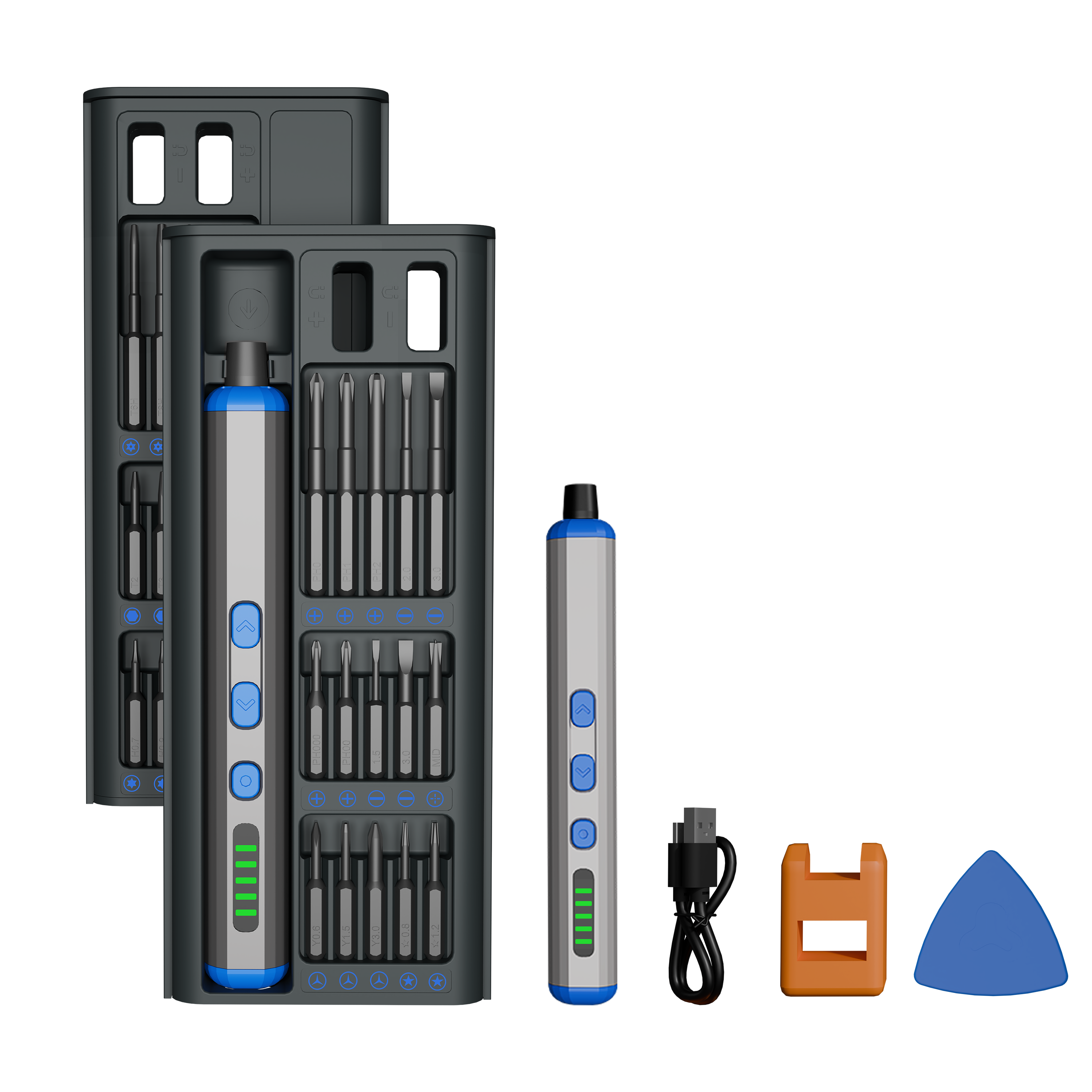
In today's competitive manufacturing landscape, the choice between OEM and aftermarket components can significantly impact operational efficiency and long-term profitability. When it comes to precision tools like screwdrivers, selecting the right supplier becomes even more critical. Understanding the fundamental differences between OEM and aftermarket options helps manufacturers make informed decisions that align with their quality standards, budget constraints, and operational requirements. The relationship with a trusted oem screwdrivers supplier often determines the success of production lines and maintenance operations across various industrial sectors.
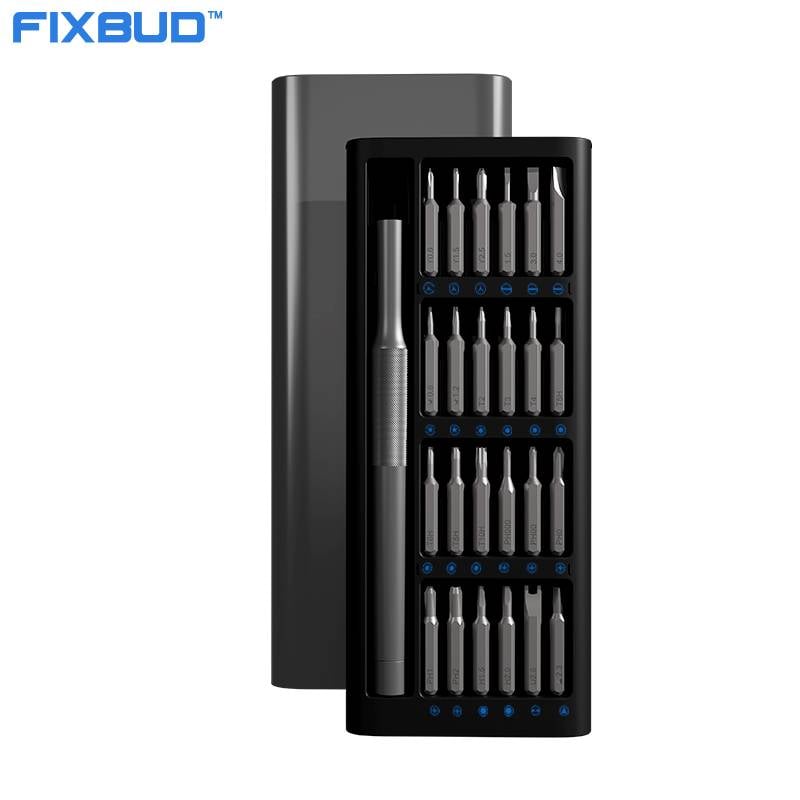
Understanding OEM vs Aftermarket Distinctions
Original Equipment Manufacturer Benefits
Original Equipment Manufacturer components represent the gold standard in precision tooling applications. These products undergo rigorous testing protocols and maintain strict adherence to specifications established during the initial product development phase. OEM screwdrivers typically feature enhanced durability characteristics, precise dimensional tolerances, and consistent performance metrics that meet or exceed industry standards. Manufacturing facilities that prioritize quality control often prefer OEM solutions to minimize variability in their production processes.
The certification process for OEM products involves comprehensive validation testing across multiple performance parameters. This includes torque specifications, material hardness measurements, corrosion resistance evaluations, and long-term reliability assessments. When working with an established oem screwdrivers supplier, manufacturers gain access to detailed technical documentation, performance guarantees, and comprehensive warranty coverage that protects their investment over extended operational periods.
Aftermarket Alternative Considerations
Aftermarket screwdriver solutions offer compelling advantages in specific operational contexts, particularly for non-critical applications or cost-sensitive environments. These products often provide adequate performance at reduced price points, making them attractive for high-volume applications where precision requirements are less stringent. However, the quality variability between different aftermarket manufacturers can create challenges for procurement teams seeking consistent performance characteristics.
The selection criteria for aftermarket options should include thorough supplier evaluation processes, quality certification requirements, and performance validation protocols. While cost savings may appear attractive initially, the total cost of ownership calculation must consider factors such as replacement frequency, maintenance requirements, and potential production disruptions caused by tool failures. A reliable oem screwdrivers supplier often provides better long-term value despite higher initial investment costs.
Quality Assurance and Performance Standards
Manufacturing Process Control
The manufacturing processes employed by reputable suppliers directly influence the final product quality and performance characteristics. Advanced metallurgy techniques, precision machining operations, and stringent quality control measures distinguish premium suppliers from commodity manufacturers. Heat treatment processes, surface finishing techniques, and dimensional accuracy requirements all contribute to the overall tool performance and longevity.
Quality management systems implemented by leading manufacturers include statistical process control methodologies, continuous improvement initiatives, and comprehensive traceability protocols. These systems ensure consistent product quality across production batches and enable rapid identification of any process variations that might affect performance. When evaluating potential suppliers, manufacturers should prioritize those with established quality management certifications and proven track records in precision tool manufacturing.
Testing and Certification Protocols
Comprehensive testing protocols form the foundation of reliable tool performance in demanding industrial applications. These evaluations typically include mechanical property assessments, dimensional verification procedures, and functional performance validation under simulated operating conditions. Torque testing, fatigue analysis, and corrosion resistance evaluations provide critical data for performance prediction and application suitability determination.
Certification standards vary significantly across different markets and applications, requiring careful consideration during the supplier selection process. International standards such as ISO 9001, DIN specifications, and ANSI guidelines provide frameworks for quality assurance and performance validation. A professional oem screwdrivers supplier maintains current certifications and provides detailed compliance documentation to support customer quality requirements and regulatory obligations.
Supply Chain Reliability and Partnership Value
Inventory Management Strategies
Effective inventory management requires careful coordination between manufacturing schedules and supplier delivery capabilities. Just-in-time delivery systems reduce carrying costs while maintaining adequate stock levels to prevent production disruptions. Strategic partnerships with reliable suppliers enable more accurate demand forecasting and improved inventory optimization across multiple product categories.
The complexity of modern supply chains demands suppliers who can adapt to changing requirements while maintaining consistent quality standards. Flexible ordering systems, rapid response capabilities, and comprehensive logistics support distinguish premium suppliers from commodity vendors. Manufacturers benefit from establishing long-term relationships with suppliers who understand their specific operational requirements and can provide customized solutions for unique applications.
Technical Support and Expertise
Technical support capabilities represent a critical differentiator when evaluating potential supplier partnerships. Experienced engineers and application specialists provide valuable guidance for tool selection, application optimization, and troubleshooting support when issues arise. This expertise becomes particularly important when implementing new manufacturing processes or addressing complex assembly challenges.
Training programs, technical documentation, and ongoing support services add significant value beyond the initial product purchase. Suppliers who invest in customer education and application development create stronger partnerships that benefit both organizations over time. The knowledge transfer from an experienced oem screwdrivers supplier can improve operational efficiency and reduce costly application errors in production environments.
Cost Analysis and Value Proposition
Total Cost of Ownership Evaluation
Comprehensive cost analysis extends far beyond initial purchase prices to encompass the complete lifecycle of tool ownership and operation. Factors such as tool longevity, maintenance requirements, replacement frequency, and productivity impact must be considered when comparing different supplier options. Premium tools often provide superior value through extended service life and improved performance characteristics.
Hidden costs associated with inferior tools include increased maintenance labor, production delays, quality issues, and potential safety concerns. These factors can significantly impact the bottom line and should be carefully evaluated during the supplier selection process. Experienced procurement professionals understand that the lowest initial cost rarely translates to the best overall value in precision tool applications.
Return on Investment Considerations
Investment in quality tools generates returns through improved productivity, reduced downtime, enhanced product quality, and decreased maintenance costs. These benefits accumulate over time and can justify premium pricing for superior products and services. Quantifying these benefits requires careful analysis of operational data and performance metrics across different tool categories and applications.
Long-term partnerships with reliable suppliers often yield additional benefits such as volume discounts, priority delivery scheduling, and customized product development opportunities. These advantages further enhance the return on investment and create competitive advantages for manufacturers who prioritize supplier relationship development. Working with a trusted oem screwdrivers supplier can unlock these benefits while ensuring consistent quality standards.
Industry Applications and Specialized Requirements
Automotive Manufacturing Demands
The automotive industry requires precision tools that meet stringent quality standards and perform reliably in high-volume production environments. Assembly line operations demand tools with consistent torque characteristics, exceptional durability, and minimal maintenance requirements. Quality control protocols in automotive manufacturing typically require documented traceability and certified performance specifications for all production tools.
Specialized applications such as electronics assembly, engine components, and safety systems require tools with specific characteristics tailored to each application. Temperature resistance, anti-static properties, and precision tip geometries become critical factors in these demanding environments. Automotive suppliers must demonstrate compliance with industry-specific standards and maintain comprehensive quality management systems to support their customers' requirements.
Electronics and Precision Assembly
Electronics manufacturing presents unique challenges that require specialized tool solutions and expert supplier support. Miniaturization trends demand increasingly precise tools with superior control characteristics and minimal size variations. Anti-static requirements, cleanroom compatibility, and trace contamination prevention add complexity to the supplier selection process.
The rapid pace of technological advancement in electronics requires suppliers who can adapt quickly to new requirements and provide innovative solutions for emerging applications. Collaboration between manufacturers and suppliers drives continuous improvement in tool design and performance characteristics. A forward-thinking oem screwdrivers supplier invests in research and development to stay ahead of industry trends and customer needs.
Supplier Selection Criteria and Evaluation
Technical Capability Assessment
Evaluating potential suppliers requires comprehensive assessment of their technical capabilities, manufacturing processes, and quality management systems. Site visits, capability audits, and sample testing provide valuable insights into supplier operations and help identify potential risks or limitations. Reference checks with existing customers offer additional perspective on supplier performance and reliability.
The evaluation process should include assessment of engineering expertise, manufacturing equipment, quality control systems, and continuous improvement initiatives. Suppliers with advanced capabilities and proven track records in similar applications typically provide better long-term value and partnership potential. Documentation of these capabilities through certifications and performance data supports informed decision-making.
Partnership Development Strategies
Successful supplier partnerships require mutual commitment to continuous improvement and shared value creation. Open communication channels, regular performance reviews, and collaborative problem-solving approaches strengthen these relationships over time. Strategic partnerships often yield benefits that extend beyond simple transactional relationships.
Joint development projects, technology sharing initiatives, and integrated planning processes create competitive advantages for both organizations. These collaborative approaches require trust, transparency, and aligned objectives to achieve maximum benefit. Manufacturers who invest in developing strong supplier relationships often achieve superior results compared to those who focus solely on cost minimization.
Future Trends and Technology Integration
Digital Manufacturing Integration
The integration of digital technologies into manufacturing processes creates new requirements for tool suppliers and manufacturing partners. Smart tools with embedded sensors, data collection capabilities, and connectivity features enable predictive maintenance and performance optimization. These technologies require suppliers with advanced technical capabilities and digital integration expertise.
Industry 4.0 initiatives demand suppliers who can support digital transformation goals while maintaining traditional quality and reliability standards. The convergence of physical tools with digital systems creates opportunities for enhanced performance monitoring and optimization. Progressive suppliers invest in these technologies to provide added value and competitive differentiation for their customers.
Sustainability and Environmental Considerations
Environmental sustainability increasingly influences supplier selection decisions as manufacturers seek to reduce their environmental footprint and meet corporate responsibility goals. Sustainable manufacturing practices, material sourcing transparency, and end-of-life recycling programs become important evaluation criteria for environmentally conscious organizations.
Suppliers who demonstrate commitment to environmental stewardship through certified management systems, renewable energy usage, and waste reduction initiatives align with customer sustainability objectives. The lifecycle environmental impact of tools and manufacturing processes requires consideration alongside traditional performance and cost factors. Responsible suppliers provide transparency in their environmental practices and support customer sustainability reporting requirements.
FAQ
What are the primary advantages of working with an OEM screwdrivers supplier versus aftermarket alternatives
OEM suppliers typically provide superior quality assurance, comprehensive technical support, and guaranteed compatibility with specific applications. They maintain stricter quality control standards, offer detailed performance documentation, and provide warranty coverage that protects your investment. While initial costs may be higher, the total cost of ownership often favors OEM solutions due to enhanced reliability, longer service life, and reduced maintenance requirements. Additionally, OEM suppliers usually offer better technical expertise and application support.
How should manufacturers evaluate the quality credentials of potential screwdriver suppliers
Quality evaluation should include assessment of manufacturing certifications such as ISO 9001, industry-specific standards compliance, and documented quality management systems. Request sample testing results, manufacturing process documentation, and customer references to verify performance claims. Site audits and capability assessments provide valuable insights into supplier operations and quality control procedures. Additionally, evaluate the supplier's testing protocols, traceability systems, and continuous improvement initiatives to ensure long-term quality consistency.
What role does technical support play in the supplier selection process
Technical support capabilities significantly impact the overall value proposition of supplier partnerships. Experienced application engineers provide valuable guidance for tool selection, optimization, and troubleshooting support. Comprehensive technical documentation, training programs, and responsive customer service enhance operational efficiency and reduce application errors. Suppliers with strong technical capabilities can assist with custom applications, process improvements, and emerging technology integration. This expertise becomes particularly valuable when implementing new manufacturing processes or addressing complex assembly challenges.
How can manufacturers optimize their total cost of ownership when purchasing precision screwdrivers
Optimize total cost of ownership by considering factors beyond initial purchase price, including tool longevity, maintenance requirements, productivity impact, and replacement frequency. Invest in quality tools from reputable oem screwdrivers supplier to achieve longer service life and better performance consistency. Implement proper tool management practices, regular maintenance schedules, and user training programs to maximize tool life. Negotiate comprehensive service agreements and volume pricing with strategic suppliers to reduce long-term costs while ensuring consistent quality and availability.
Table of Contents
- Understanding OEM vs Aftermarket Distinctions
- Quality Assurance and Performance Standards
- Supply Chain Reliability and Partnership Value
- Cost Analysis and Value Proposition
- Industry Applications and Specialized Requirements
- Supplier Selection Criteria and Evaluation
- Future Trends and Technology Integration
-
FAQ
- What are the primary advantages of working with an OEM screwdrivers supplier versus aftermarket alternatives
- How should manufacturers evaluate the quality credentials of potential screwdriver suppliers
- What role does technical support play in the supplier selection process
- How can manufacturers optimize their total cost of ownership when purchasing precision screwdrivers