 EN
EN

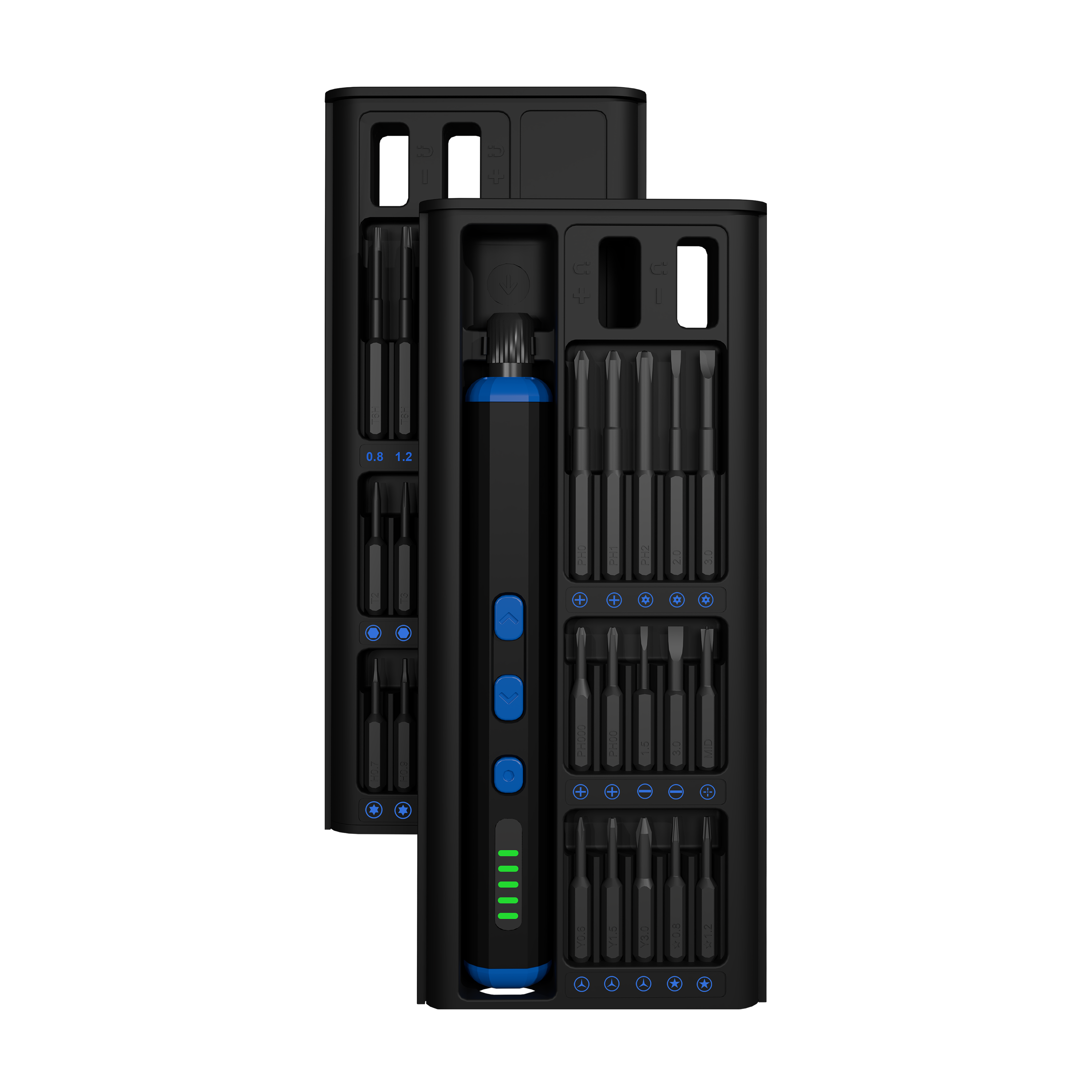
The global manufacturing landscape has shifted dramatically over the past two decades, with Asia emerging as the epicenter for original equipment manufacturer (OEM) production across countless industries. When businesses seek to source high-quality tools and hardware components, finding a reliable oem screwdrivers supplier becomes a critical strategic decision that can impact product quality, profit margins, and long-term business relationships. Asian markets, particularly China, Taiwan, and South Korea, have established themselves as powerhouses in precision tool manufacturing, offering competitive pricing while maintaining stringent quality standards that meet international specifications.
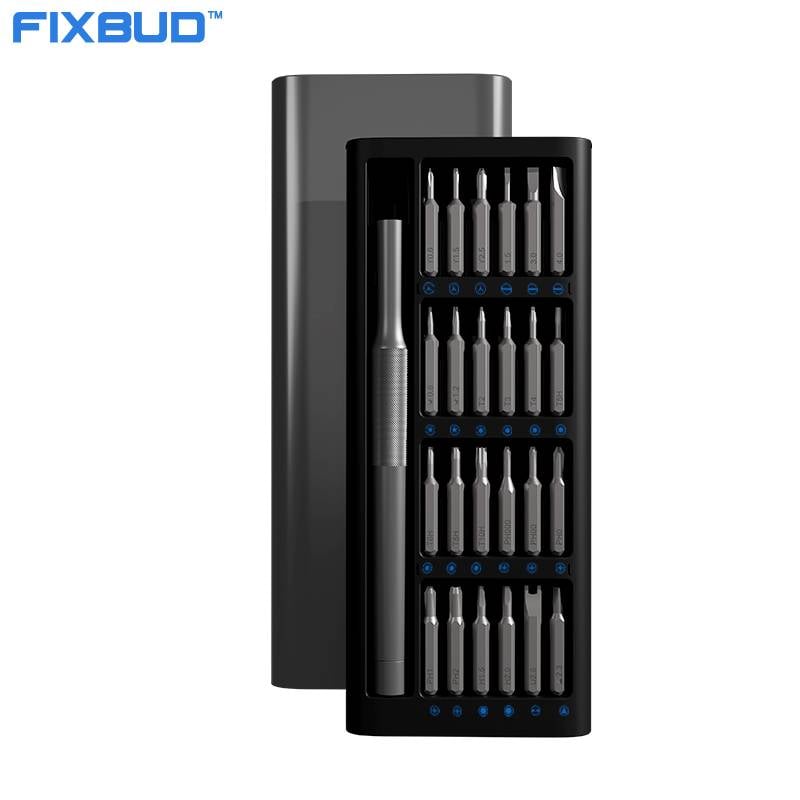
Navigating the complex terrain of Asian supplier networks requires comprehensive market knowledge, cultural understanding, and robust quality assurance protocols. Companies that successfully establish partnerships with Asian manufacturers often discover significant cost advantages without compromising on product integrity or delivery reliability. The key lies in identifying suppliers who demonstrate consistent performance, maintain ISO certifications, and possess the technical capabilities to meet specific OEM requirements across diverse applications and industries.
Understanding the Asian OEM Manufacturing Ecosystem
Market Dynamics and Regional Specializations
Asia's manufacturing ecosystem operates on a sophisticated network of specialized regions, each developing unique expertise in specific tool categories and production methodologies. China's Guangdong province has become synonymous with precision tool manufacturing, hosting thousands of facilities that specialize in screwdriver production for global brands. Taiwan maintains its reputation for high-precision machinery and advanced manufacturing techniques, while South Korea focuses on innovative design and cutting-edge production technologies.
The competitive landscape within these regions drives continuous innovation and quality improvements, as suppliers constantly strive to differentiate themselves through superior products and services. This environment creates opportunities for international buyers to access world-class manufacturing capabilities at competitive price points, provided they understand how to navigate the selection and qualification processes effectively.
Supply Chain Integration and Manufacturing Capabilities
Modern Asian manufacturing operations have evolved far beyond simple assembly facilities, developing comprehensive supply chain integration that encompasses raw material sourcing, component manufacturing, quality testing, and finished product packaging. Leading suppliers maintain vertical integration across multiple production stages, ensuring greater control over quality consistency and delivery schedules while reducing overall production costs.
These integrated operations enable suppliers to offer comprehensive OEM services, including custom design collaboration, prototype development, and scaled production runs that meet specific volume requirements. The most successful partnerships emerge when buyers recognize and leverage these extended capabilities rather than treating suppliers merely as low-cost manufacturing sources.
Evaluating Supplier Credentials and Capabilities
Quality Certification and Standards Compliance
Identifying a qualified oem screwdrivers supplier requires thorough evaluation of certifications, quality management systems, and compliance with international standards. ISO 9001 certification represents the baseline requirement for quality management, while additional certifications such as ISO 14001 for environmental management and OHSAS 18001 for occupational health and safety demonstrate comprehensive operational excellence.
Beyond basic certifications, prospective partners should demonstrate adherence to industry-specific standards relevant to tool manufacturing, including appropriate material specifications, hardness testing protocols, and dimensional accuracy requirements. Suppliers who maintain detailed quality documentation and provide transparent access to their testing facilities typically exhibit the professional standards necessary for successful long-term partnerships.
Production Capacity and Scalability Assessment
Effective supplier evaluation encompasses detailed assessment of production capacity, equipment capabilities, and scalability potential to ensure alignment with projected business growth. Understanding a supplier's current production volumes, available capacity, and ability to scale operations provides critical insights into their suitability for long-term partnership development.
Modern manufacturing facilities should demonstrate investment in advanced machinery, automation technologies, and continuous improvement initiatives that support increasing production demands while maintaining quality consistency. Suppliers who can articulate clear expansion plans and demonstrate past success in scaling operations for existing clients present lower risk profiles for growing businesses.
Navigating Cultural and Communication Considerations
Building Effective Communication Channels
Successful partnerships with Asian suppliers require establishing robust communication frameworks that bridge cultural differences and ensure clear understanding of requirements, expectations, and performance metrics. Language barriers, time zone differences, and varying business practices can create challenges that require proactive management and culturally sensitive approaches.
Investing time in relationship building, demonstrating respect for local customs, and maintaining consistent communication schedules helps establish trust and mutual understanding that forms the foundation for successful long-term partnerships. Many successful buyers designate specific team members to manage supplier relationships, ensuring continuity and deep understanding of partner capabilities and constraints.
Contract Development and Legal Considerations
Developing comprehensive contracts with international suppliers requires careful attention to intellectual property protection, quality specifications, delivery terms, and dispute resolution mechanisms. Clear documentation of expectations, performance metrics, and remediation procedures helps prevent misunderstandings and provides framework for addressing issues should they arise.
Working with legal professionals experienced in international trade law and Asian business practices ensures contracts provide appropriate protection while remaining practical and enforceable. Successful agreements balance protection of buyer interests with reasonable expectations that allow suppliers to operate profitably and sustainably.
Quality Assurance and Testing Protocols
Implementing Comprehensive Inspection Systems
Establishing rigorous quality assurance protocols represents a critical success factor when working with any oem screwdrivers supplier, regardless of their reputation or certifications. Comprehensive inspection systems should encompass incoming material verification, in-process quality monitoring, and final product testing to ensure consistent adherence to specifications and standards.
Third-party inspection services provide independent verification of quality standards and can help identify potential issues before products reach final customers. Many experienced buyers implement multi-stage inspection protocols that include factory audits, pre-production samples, during production inspections, and final random sampling to maintain quality consistency across all shipments.
Performance Monitoring and Continuous Improvement
Long-term success with supplier partnerships requires ongoing performance monitoring and collaborative improvement initiatives that benefit both parties. Establishing key performance indicators (KPIs) for quality, delivery, responsiveness, and cost provides objective measures for evaluating supplier performance and identifying improvement opportunities.
Regular performance reviews, joint problem-solving sessions, and shared investment in process improvements help strengthen partnerships while driving continuous enhancement of products and services. The most successful relationships evolve into strategic partnerships where suppliers become integral participants in product development and market expansion initiatives.
Cost Optimization and Pricing Strategies
Understanding Total Cost of Ownership
Evaluating potential suppliers requires comprehensive analysis of total cost of ownership rather than simple unit price comparisons. Transportation costs, customs duties, inspection expenses, inventory carrying costs, and quality-related expenses can significantly impact overall economics and should be factored into supplier selection decisions.
Hidden costs such as communication expenses, travel costs for relationship management, and potential quality issues can erode apparent savings from low unit prices. Experienced buyers develop comprehensive cost models that account for all relevant expenses and enable accurate comparison of different supplier options based on true total costs rather than headline pricing.
Negotiation Strategies and Contract Terms
Effective negotiation with Asian suppliers requires understanding of local business practices, market conditions, and cultural expectations that influence pricing discussions and contract terms. Building relationships based on mutual respect and long-term partnership potential often yields better results than aggressive price-focused negotiation tactics.
Successful negotiations typically focus on value creation for both parties, including volume commitments, payment terms, quality incentives, and collaborative development opportunities. When working with a proven oem screwdrivers supplier, establishing mutually beneficial terms creates foundation for sustained partnership growth and continuous improvement initiatives.
Risk Management and Contingency Planning
Supply Chain Diversification Strategies
Managing risks associated with international sourcing requires developing diversified supply chain strategies that reduce dependence on single suppliers or geographic regions. Multiple supplier relationships provide flexibility to manage capacity constraints, quality issues, or geopolitical disruptions that could impact production schedules or product availability.
Effective diversification strategies balance cost optimization with risk mitigation, potentially including primary and secondary suppliers, regional backup options, and contingency arrangements that can be activated when needed. Regular evaluation of supplier performance and market conditions helps identify potential risks and enables proactive adjustment of sourcing strategies.
Financial and Operational Risk Mitigation
International sourcing introduces various financial and operational risks that require careful management through appropriate insurance coverage, payment terms, and contractual protections. Currency fluctuations, political instability, and regulatory changes can impact costs and delivery schedules in ways that affect business operations and profitability.
Implementing robust risk management frameworks that include financial hedging strategies, supplier financial monitoring, and alternative sourcing options helps protect against potential disruptions while maintaining competitive cost structures. Regular risk assessment and contingency plan updates ensure continued effectiveness as market conditions and business requirements evolve.
Technology Integration and Digital Collaboration
Leveraging Digital Communication Platforms
Modern supplier relationships benefit significantly from digital collaboration tools that enable real-time communication, document sharing, and project management across different time zones and cultural contexts. Cloud-based platforms, video conferencing systems, and collaborative design tools help bridge geographic distances and create more effective working relationships.
Digital integration extends beyond basic communication to encompass order management, inventory tracking, quality reporting, and performance monitoring systems that provide transparency and accountability throughout the supply chain. Suppliers who demonstrate proficiency with modern digital tools and platforms typically offer more efficient and reliable service delivery.
Data Analytics and Performance Optimization
Advanced data analytics capabilities enable more sophisticated supplier performance monitoring, demand forecasting, and optimization of ordering patterns to improve efficiency and reduce costs. Suppliers who can provide detailed performance data and analytics support help buyers make more informed decisions about inventory management, production planning, and quality improvement initiatives.
Integration of supplier data with internal business systems creates opportunities for automated ordering, performance alerting, and predictive analytics that can identify potential issues before they impact operations. The most advanced partnerships leverage shared data and analytics to drive continuous improvement and competitive advantage for both parties.
FAQ
What are the key factors to consider when selecting an oem screwdrivers supplier in Asia
The most critical factors include quality certifications (ISO 9001, industry-specific standards), production capacity and scalability, financial stability, communication capabilities, and cultural compatibility. Additionally, evaluate their manufacturing equipment, quality control processes, delivery track record, and ability to provide comprehensive documentation. Consider total cost of ownership rather than just unit prices, and assess their willingness to collaborate on continuous improvement initiatives.
How can I verify the quality and reliability of a potential Asian supplier
Implement a comprehensive verification process that includes factory audits, reference checks with existing clients, certification verification, and sample testing. Utilize third-party inspection services, request detailed quality documentation, and establish clear performance metrics. Consider starting with smaller orders to evaluate performance before committing to larger volumes, and maintain ongoing monitoring through regular inspections and performance reviews.
What are the typical lead times and minimum order quantities for OEM screwdriver manufacturing
Lead times typically range from 2-6 weeks depending on product complexity, customization requirements, and current production schedules. Minimum order quantities vary significantly based on product specifications and supplier capabilities, generally ranging from 1,000 to 10,000 pieces for standard products. Custom products may require higher minimums due to tooling and setup costs. Establish clear expectations for lead times and quantities during initial discussions to ensure alignment with your business requirements.
How do I protect my intellectual property when working with Asian manufacturers
Protect intellectual property through comprehensive legal agreements that include non-disclosure agreements (NDAs), clear ownership clauses, and specific restrictions on sharing designs or information. Work with legal professionals experienced in international IP law and consider registering trademarks and patents in relevant jurisdictions. Implement secure communication channels for sharing sensitive information, limit access to proprietary designs, and include severe penalties for IP violations in supplier contracts. Regular monitoring and enforcement help maintain protection over time.
Table of Contents
- Understanding the Asian OEM Manufacturing Ecosystem
- Evaluating Supplier Credentials and Capabilities
- Navigating Cultural and Communication Considerations
- Quality Assurance and Testing Protocols
- Cost Optimization and Pricing Strategies
- Risk Management and Contingency Planning
- Technology Integration and Digital Collaboration
-
FAQ
- What are the key factors to consider when selecting an oem screwdrivers supplier in Asia
- How can I verify the quality and reliability of a potential Asian supplier
- What are the typical lead times and minimum order quantities for OEM screwdriver manufacturing
- How do I protect my intellectual property when working with Asian manufacturers