 EN

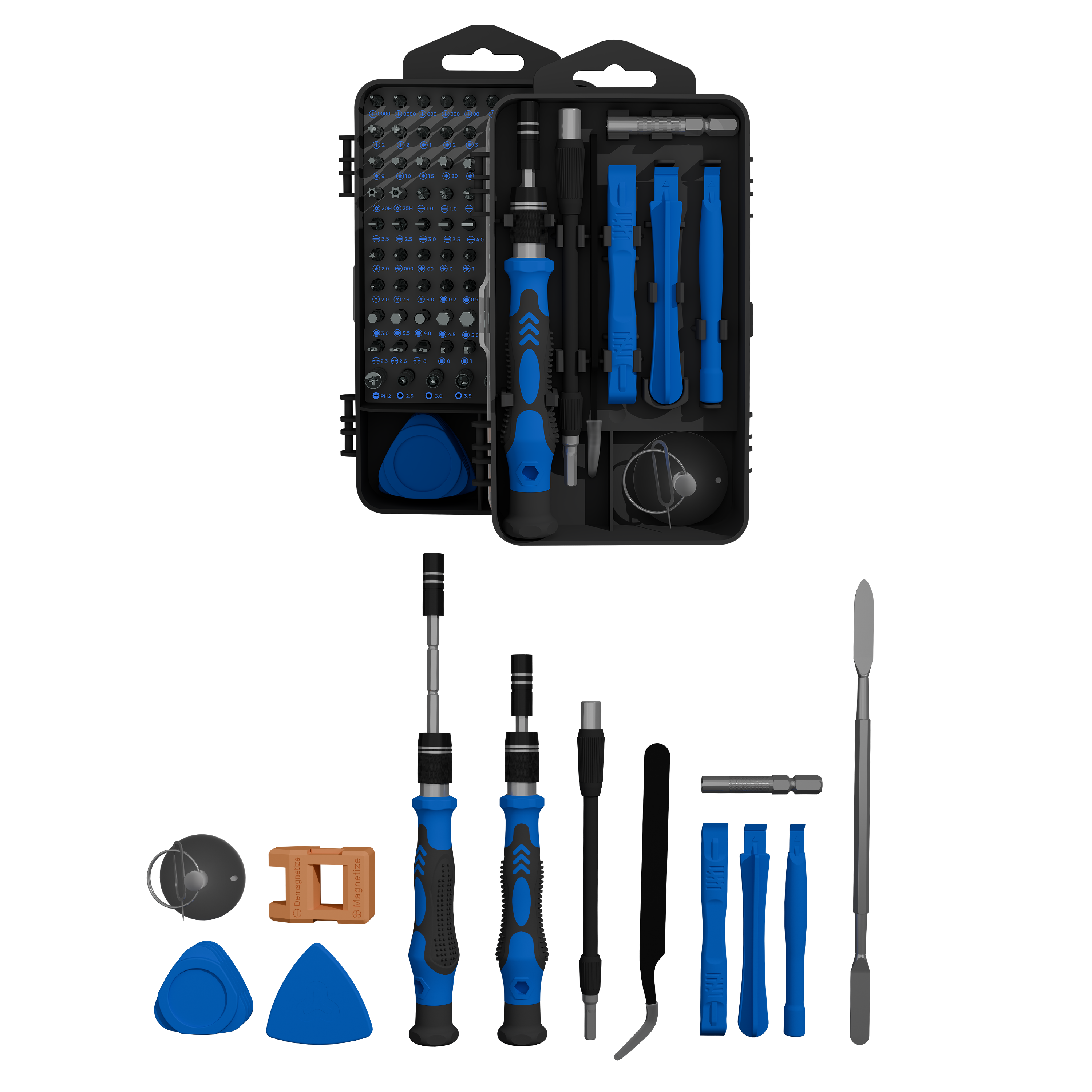
Private labeling has become an increasingly popular strategy for tool companies looking to expand their product offerings without investing in manufacturing infrastructure. An oem screwdrivers supplier provides the perfect solution for businesses seeking high-quality tools under their own brand name. This approach allows companies to focus on marketing, distribution, and customer relationships while leveraging the manufacturing expertise of established suppliers. The global market for private label products continues to grow, with tool companies recognizing the significant advantages of partnering with reliable OEM manufacturers for their screwdriver needs.
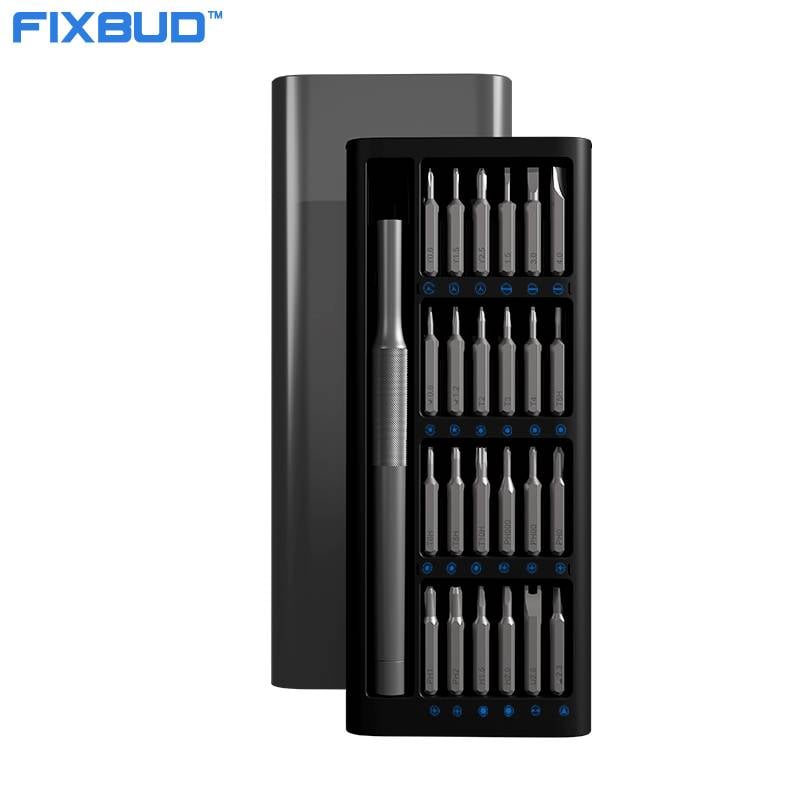
Understanding OEM Manufacturing for Screwdriver Tools
The Fundamentals of OEM Partnership
OEM partnerships let companies outsource production while retaining control over specifications and branding. Suppliers provide established processes, quality systems, and technical expertise, helping businesses launch products without building manufacturing operations.
The model suits screwdrivers because they require accurate tolerances, consistent materials, and reliable performance. Established factories already have the equipment, workforce, and controls needed to meet these requirements.
Quality Standards and Manufacturing Processes
Professional manufacturers control quality from material selection through packaging. ISO 9001 systems support consistency, while production typically includes forming, heat treatment, finishing, and testing.
Modern oem screwdrivers supplier facilities utilize advanced manufacturing technologies including CNC machining, automated assembly lines, and computerized quality inspection systems. These technologies enable mass production while maintaining the precision and reliability that professional users demand. The integration of quality management systems ensures that every tool meets specified performance criteria before leaving the factory.
Benefits of Private Label Screwdriver Manufacturing
Cost Efficiency and Market Entry Advantages
Partnering with an established OEM supplier reduces the investment needed to enter or expand in the tool market. Businesses can avoid factory, equipment, and staffing costs and focus resources on sales, marketing, and customer service.
OEM production can lower unit costs because suppliers distribute fixed expenses across multiple customers. This can help private-label partners price products competitively while protecting margins.
Speed to Market and Product Development
Experienced suppliers can shorten launch timelines through proven designs, tested materials, and established production processes. This helps companies introduce products without developing every component from the beginning.
Many oem screwdrivers supplier companies offer product customization services that allow private label partners to differentiate their offerings without starting from scratch. These modifications might include custom handle designs, specialized tip configurations, or unique packaging solutions that help products stand out in crowded retail environments. The supplier's design expertise ensures that customizations maintain tool performance while achieving the desired market positioning.
Key Selection Criteria for OEM Partners
Manufacturing Capabilities and Capacity
Assess production volume, equipment, quality systems, and delivery performance. Visit the facility where possible to verify its condition, workforce capabilities, and ability to handle different order sizes.
Production capacity planning becomes critical when projecting future growth and seasonal demand fluctuations. Suppliers must demonstrate the ability to scale production volumes while maintaining quality standards and delivery commitments. This scalability ensures that successful product launches can be supported with adequate inventory levels to meet market demand.
Quality Assurance and Compliance Standards
Professional tool users demand reliable performance from their screwdrivers, making quality assurance a non-negotiable requirement when selecting manufacturing partners. The chosen oem screwdrivers supplier should maintain comprehensive quality management systems that include incoming material inspection, in-process monitoring, and final product testing. Documentation of quality procedures and test results provides transparency and accountability throughout the manufacturing process.
Compliance with international safety standards and regulatory requirements varies by target market, making it essential to verify that potential suppliers understand and meet all applicable standards. This includes material certifications, safety testing protocols, and documentation requirements for different geographic markets. Suppliers with established export experience typically have the systems and knowledge required to ensure compliance across multiple jurisdictions.
Product Customization and Branding Options
Handle Design and Ergonomic Considerations
Handle customization affects grip, durability, comfort, and cost. Suppliers can recommend plastics, rubber compounds, or composites based on application, customer preferences, and budget.
Handle materials include plastics, rubber, and composites. Choose them according to grip, durability, application, and budget.
Branding Integration and Packaging Solutions
Suppliers can apply logos, colors, and brand messaging through methods such as pad printing or laser engraving. Consistent branding across products helps create a recognizable private-label range.
Custom packaging supports product presentation and communicates key information. Coordinate its design with the supplier to maintain brand consistency.
Supply Chain Management and Logistics
Inventory Planning and Order Management
Effective supply chain management requires careful coordination between demand forecasting, production scheduling, and inventory management to ensure product availability while minimizing carrying costs. Professional oem screwdrivers supplier companies typically offer flexible ordering systems that accommodate varying demand patterns and seasonal fluctuations. These systems often include minimum order quantities balanced against competitive pricing structures that reward larger volume commitments.
Inventory visibility and automated reordering help maintain stock levels and streamline orders. ERP integration can further improve coordination while limiting excess working capital.
Global Shipping and Distribution Networks
International trade regulations and shipping logistics can present significant challenges for companies new to global sourcing, making it valuable to work with suppliers who have established distribution networks and shipping expertise. Experienced oem screwdrivers supplier companies typically maintain relationships with multiple freight forwarders and shipping companies to ensure reliable, cost-effective delivery to various global markets.
Shipping documentation, customs clearance, and regulatory compliance become increasingly complex when dealing with multiple international markets. Suppliers with export experience can navigate these requirements efficiently, reducing delays and ensuring compliance with all applicable regulations. This expertise becomes particularly valuable when launching products in new geographic markets with unfamiliar regulatory environments.
Market Trends and Future Opportunities
Technology Integration and Smart Tools
The tool industry continues to evolve with technological advancement, creating new opportunities for innovative screwdriver designs that incorporate electronic components or smart features. Forward-thinking oem screwdrivers supplier companies are investing in research and development capabilities that enable them to produce next-generation tools incorporating sensors, LED lighting, or connectivity features. These innovations represent significant market opportunities for private label partners willing to invest in cutting-edge product development.
Integration of technology into traditional hand tools requires sophisticated manufacturing capabilities and quality control systems to ensure reliable performance in demanding work environments. Suppliers with experience in electronic manufacturing or partnerships with technology companies are better positioned to support clients interested in developing smart tool products. This technological evolution represents a significant opportunity for differentiation in increasingly competitive tool markets.
Sustainability and Environmental Considerations
Environmental consciousness among consumers and businesses continues to drive demand for sustainably manufactured products, creating opportunities for private label tool companies to differentiate through environmental responsibility. Progressive oem screwdrivers supplier companies are implementing sustainable manufacturing practices, utilizing recycled materials, and developing take-back programs for end-of-life products. These initiatives can provide significant marketing advantages while supporting corporate sustainability objectives.
Material selection and manufacturing processes increasingly consider lifecycle environmental impact, with many suppliers offering eco-friendly alternatives to traditional materials and processes. These options may include recycled handle materials, environmentally friendly surface treatments, and packaging made from renewable resources. While sustainable options may involve additional costs, they can provide significant market advantages with environmentally conscious consumers and businesses.
FAQ
What minimum order quantities should I expect from an oem screwdrivers supplier?
Minimum order quantities vary significantly depending on product complexity, customization requirements, and supplier capabilities. Most professional OEM manufacturers require minimum orders ranging from 1,000 to 10,000 pieces for standard screwdriver designs, with higher minimums for complex customizations or specialized materials. However, some suppliers offer lower minimum quantities for initial orders or sample runs to help new clients test market demand before committing to larger production volumes.
How long does the product development process typically take?
The timeline for developing private label screwdrivers depends on the level of customization required and the supplier's current production schedule. Simple branding and packaging modifications can often be completed within 2-4 weeks, while more complex customizations involving handle design or specialized materials may require 6-12 weeks. Suppliers with established product platforms can significantly reduce development time compared to completely custom designs.
What quality certifications should I look for in a potential supplier?
Look for suppliers with ISO 9001 quality management certification as a baseline requirement, along with any industry-specific certifications relevant to your target markets. Many professional tool markets require compliance with specific safety standards, so verify that your chosen oem screwdrivers supplier has experience meeting these requirements. Additionally, suppliers should provide documentation of material certifications and testing protocols used in their manufacturing processes.
Can OEM suppliers help with product design and engineering?
Most established OEM manufacturers offer engineering and design support services to help clients develop products that meet market requirements while remaining manufacturable at competitive costs. This support typically includes material selection guidance, ergonomic optimization, and manufacturing process recommendations. Some suppliers maintain dedicated design teams that can create completely custom products based on client specifications and market research.