 EN
EN

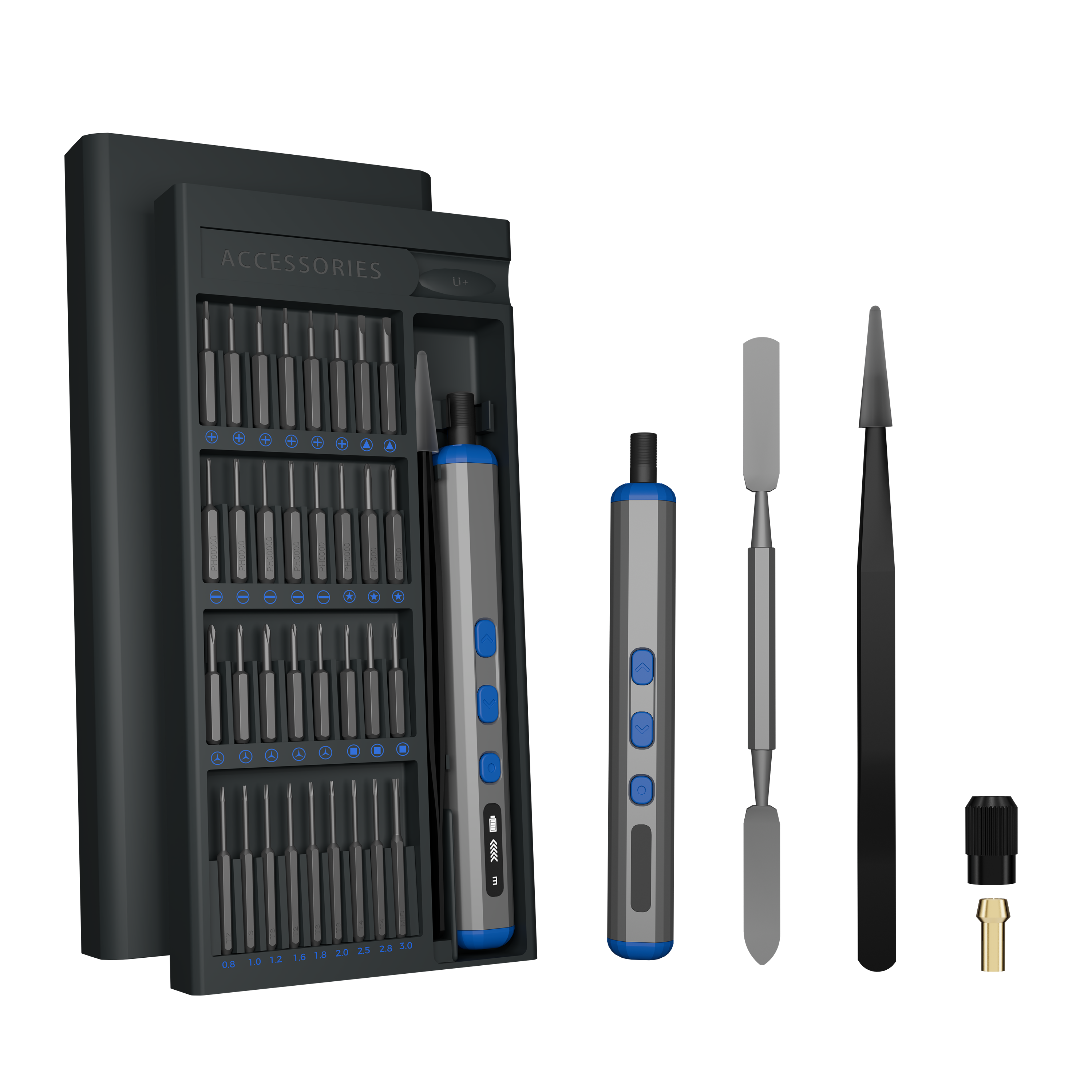
The global tool manufacturing industry has witnessed unprecedented growth in specialized hardware solutions, with businesses increasingly seeking tailored screwdriver sets to meet specific operational requirements. A custom screwdrivers manufacturer plays a pivotal role in delivering precision-engineered tools that align with unique industry standards, technical specifications, and branding requirements. Understanding the fundamental differences between Original Equipment Manufacturer (OEM) and Original Design Manufacturer (ODM) services becomes crucial when selecting the right manufacturing partner for your screwdriver procurement needs.
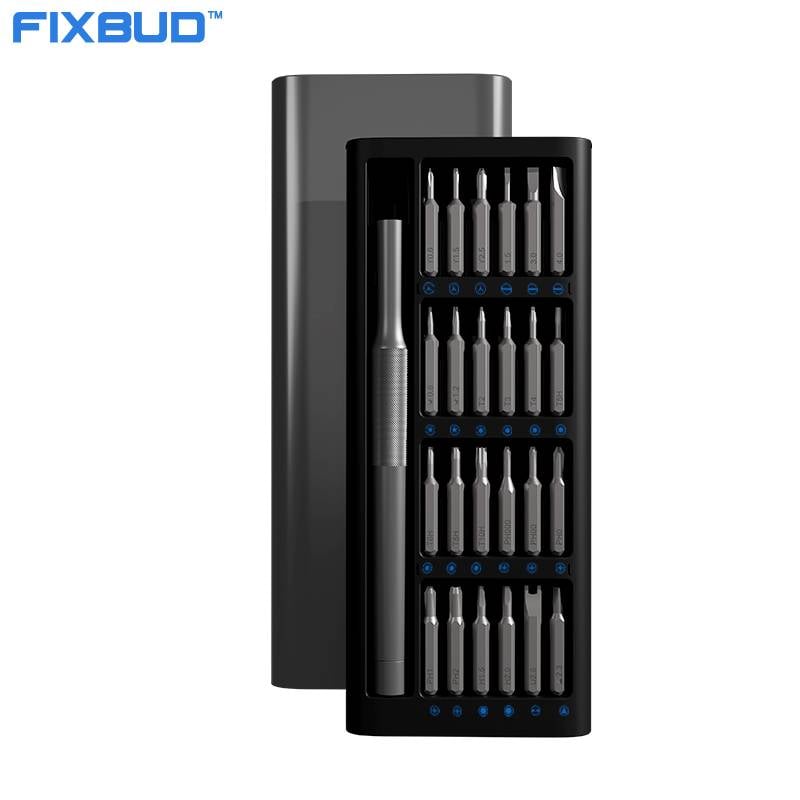
Understanding OEM Manufacturing Services
Definition and Core Characteristics
Original Equipment Manufacturing represents a business model where companies produce screwdriver sets based on detailed specifications, designs, and blueprints provided by the client. In this arrangement, the purchasing company maintains complete ownership of the product design, intellectual property, and technical documentation. The manufacturer serves as a production facility, executing the client's vision with precision manufacturing capabilities and quality control systems.
OEM partnerships typically involve long-term contracts with established design parameters, material specifications, and performance standards. The client company assumes responsibility for research and development activities, market analysis, and product innovation while leveraging the manufacturer's production expertise and economies of scale. This collaborative approach enables businesses to focus on core competencies such as marketing, distribution, and customer relationships.
Advantages of OEM Partnerships
Choosing OEM services offers significant control over product specifications, ensuring that every aspect of the screwdriver set aligns with brand standards and performance requirements. Companies maintain exclusive ownership of designs, preventing competitors from accessing proprietary innovations and maintaining competitive advantages in the marketplace. The arrangement also provides flexibility in scaling production volumes based on market demand fluctuations.
Cost-effectiveness emerges as another compelling advantage, particularly for established companies with proven product designs and stable market demand. OEM manufacturing eliminates the need for substantial capital investments in production facilities, equipment, and specialized workforce while maintaining quality standards through established manufacturing protocols and quality assurance procedures.
Exploring ODM Manufacturing Solutions
Comprehensive Service Definition
Original Design Manufacturing encompasses a full-service approach where manufacturers handle both product development and production processes. Custom screwdrivers manufacturer companies offering ODM services maintain in-house design teams, engineering capabilities, and research and development facilities to create innovative screwdriver solutions from conceptual stages through final production.
ODM partnerships involve collaborative product development where manufacturers contribute technical expertise, market insights, and design innovations while clients provide market requirements, branding guidelines, and performance specifications. This integrated approach streamlines the development timeline and reduces the complexity of managing multiple vendor relationships throughout the product lifecycle.
Strategic Benefits and Applications
ODM services prove particularly valuable for companies entering new markets or lacking internal product development capabilities. Manufacturers bring extensive experience in tool design, material science, and manufacturing optimization, enabling faster time-to-market and reduced development risks. The arrangement also provides access to established supply chains, quality control systems, and regulatory compliance expertise.
Cost advantages become apparent through shared development expenses and leveraged manufacturing infrastructure. Companies can access advanced design capabilities and manufacturing technologies without significant upfront investments, making ODM solutions attractive for startups and established businesses exploring new product categories or market segments.
Key Differences in Service Models
Design Ownership and Intellectual Property
The most fundamental distinction between OEM and ODM services lies in intellectual property ownership and design control. OEM arrangements maintain client ownership of all design elements, technical specifications, and proprietary innovations, ensuring exclusive control over product development and market positioning. Clients provide detailed blueprints, material specifications, and quality standards for manufacturers to execute.
ODM partnerships involve shared or manufacturer-owned design elements, with varying degrees of customization available to meet client requirements. Manufacturers may offer existing product platforms with modification capabilities or develop entirely new designs based on client specifications and market requirements. The intellectual property arrangement requires careful negotiation to establish clear ownership boundaries and usage rights.
Development Timeline and Resource Requirements
OEM projects typically feature shorter production timelines once designs are finalized, as manufacturers focus exclusively on production optimization and quality control implementation. However, clients must invest significant resources in preliminary design development, testing, and specification documentation before engaging manufacturing partners.
ODM services extend development timelines to accommodate design phases, prototyping, and iterative refinement processes. The extended timeline is offset by reduced client resource requirements for internal design teams, testing facilities, and technical expertise. Manufacturers assume responsibility for design validation, performance testing, and regulatory compliance verification.
Manufacturing Capabilities and Quality Control
Production Flexibility and Scalability
Modern custom screwdrivers manufacturer facilities offer sophisticated production capabilities supporting both OEM and ODM service models. Advanced CNC machining centers, automated assembly systems, and precision measurement equipment enable consistent quality across varying production volumes. Manufacturers maintain flexibility to accommodate seasonal demand fluctuations, custom packaging requirements, and specialized finishing processes.
Production scalability becomes crucial for businesses experiencing rapid growth or seasonal demand patterns. Established manufacturers provide surge capacity through flexible workforce management, equipment utilization optimization, and supply chain coordination. This capability proves particularly valuable for companies launching new products or expanding into international markets with varying demand characteristics.
Quality Assurance and Testing Protocols
Comprehensive quality control systems ensure consistent performance standards regardless of service model selection. ISO 9001 certification, statistical process control, and incoming material inspection protocols maintain quality consistency across production batches. Advanced testing equipment validates torque specifications, material hardness, and dimensional accuracy according to established standards.
Traceability systems enable complete product history documentation, supporting warranty claims, quality investigations, and continuous improvement initiatives. Regular audits, certification maintenance, and employee training programs ensure sustained quality performance and regulatory compliance across diverse market requirements and international standards.
Cost Considerations and Budget Planning
Initial Investment and Development Costs
OEM partnerships require substantial upfront investments in design development, prototyping, and tooling preparation before production begins. Companies must budget for engineering consulting, material testing, and design validation activities while maintaining internal technical teams to oversee the development process. However, once established, OEM production typically offers lower per-unit costs through optimized manufacturing processes.
ODM services distribute development costs across the manufacturer's client base, reducing individual project investment requirements. Shared tooling costs, design expertise, and testing facilities enable smaller companies to access advanced product development capabilities without prohibitive upfront expenses. The trade-off involves higher per-unit costs to compensate manufacturers for development investment and ongoing design support.
Long-term Financial Implications
OEM arrangements typically provide better long-term cost efficiency for high-volume production runs and established product lines. Companies benefit from competitive pricing through multiple manufacturer bidding processes and maintained design ownership enabling production source flexibility. The model proves most cost-effective for businesses with stable demand patterns and proven product designs.
ODM partnerships offer predictable development costs and shared risk exposure, making financial planning more straightforward for new product launches. The comprehensive service model eliminates coordination complexity and reduces project management overhead while providing access to specialized expertise and established quality systems.
Selecting the Right Manufacturing Partner
Evaluation Criteria and Assessment Methods
Choosing an appropriate custom screwdrivers manufacturer requires comprehensive evaluation of technical capabilities, quality systems, and service model alignment with business objectives. Key assessment factors include production capacity, equipment sophistication, quality certifications, and track record with similar projects. Site visits, reference checks, and capability audits provide valuable insights into manufacturing competencies and organizational reliability.
Financial stability, supply chain relationships, and regulatory compliance history contribute to long-term partnership success. Manufacturers should demonstrate consistent quality performance, delivery reliability, and responsive customer service across diverse client requirements and market conditions. Communication capabilities, language proficiency, and cultural compatibility facilitate effective collaboration throughout project lifecycles.
Partnership Development and Relationship Management
Successful manufacturing partnerships require clear communication protocols, defined performance metrics, and regular review processes to ensure continued alignment with evolving business requirements. Establishing comprehensive contracts with detailed specifications, quality standards, and performance expectations prevents misunderstandings and provides recourse mechanisms for dispute resolution.
Ongoing relationship management involves regular performance reviews, continuous improvement initiatives, and collaborative problem-solving approaches. Strong partnerships enable innovation sharing, cost optimization, and market responsiveness through aligned objectives and mutual investment in long-term success.
FAQ
What factors should I consider when choosing between OEM and ODM services for custom screwdrivers?
The choice between OEM and ODM services depends on your company's design capabilities, budget constraints, and time-to-market requirements. OEM services work best when you have established designs and technical specifications but need manufacturing expertise and capacity. ODM services are ideal when you need comprehensive product development support, lack internal design capabilities, or want to minimize upfront investment. Consider your intellectual property strategy, production volume requirements, and long-term business objectives when making this decision.
How do I ensure quality consistency when working with a custom screwdrivers manufacturer?
Quality consistency requires establishing clear specifications, implementing comprehensive inspection protocols, and maintaining regular communication with your manufacturing partner. Verify that the manufacturer maintains relevant quality certifications such as ISO 9001 and has documented quality control procedures. Request sample products, conduct facility audits, and establish performance metrics with regular reporting requirements. Implement incoming inspection procedures and maintain traceability systems to monitor quality trends and address issues proactively.
What are the typical lead times for OEM versus ODM screwdriver manufacturing projects?
OEM projects typically have shorter production lead times once designs are finalized, usually ranging from 2-6 weeks depending on complexity and order volume. However, you must account for your internal design development time before production begins. ODM projects involve longer total timelines, typically 8-16 weeks including design development, prototyping, and production phases. The extended timeline includes collaborative design sessions, sample approvals, and iterative refinements to ensure the final product meets your requirements.
How can I protect my intellectual property when working with ODM manufacturers?
Intellectual property protection in ODM relationships requires comprehensive legal agreements defining ownership rights, usage restrictions, and confidentiality obligations. Work with experienced legal counsel to draft detailed contracts specifying which design elements remain your property and which belong to the manufacturer. Implement non-disclosure agreements covering all project participants and establish clear guidelines for design modification rights. Consider registering critical design elements as trademarks or patents where appropriate, and maintain documentation of your contributions to the design process.
Table of Contents
- Understanding OEM Manufacturing Services
- Exploring ODM Manufacturing Solutions
- Key Differences in Service Models
- Manufacturing Capabilities and Quality Control
- Cost Considerations and Budget Planning
- Selecting the Right Manufacturing Partner
-
FAQ
- What factors should I consider when choosing between OEM and ODM services for custom screwdrivers?
- How do I ensure quality consistency when working with a custom screwdrivers manufacturer?
- What are the typical lead times for OEM versus ODM screwdriver manufacturing projects?
- How can I protect my intellectual property when working with ODM manufacturers?