 EN
EN

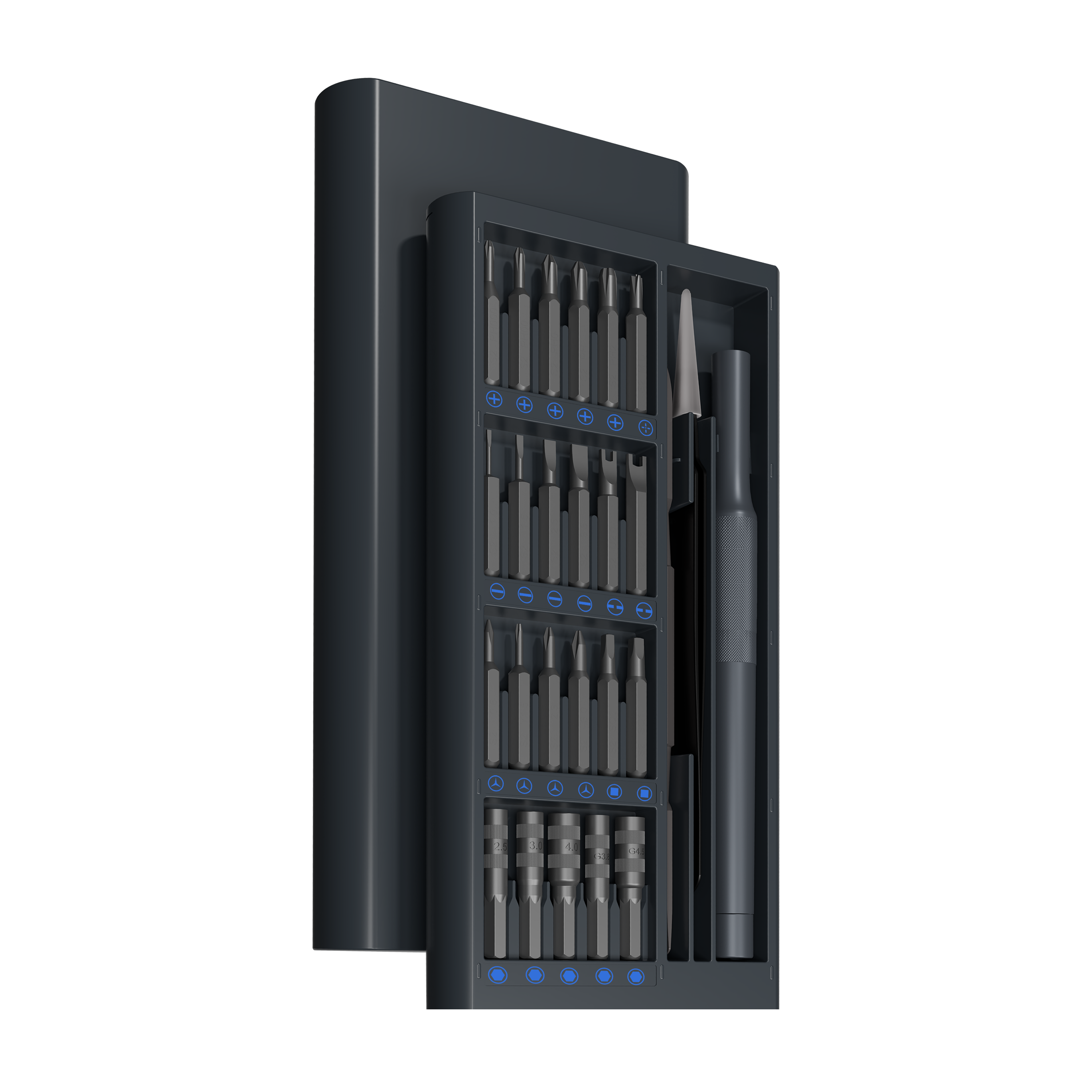
The manufacturing of precision tools requires expertise, advanced technology, and meticulous attention to detail. When it comes to specialized fastening solutions, working with a custom screwdrivers manufacturer becomes essential for businesses seeking tools that meet exact specifications. The journey from initial concept to finished product involves multiple stages of engineering, prototyping, and quality assurance that ensure each tool performs optimally in its intended application. Understanding this comprehensive process helps procurement professionals and engineers make informed decisions when selecting manufacturing partners for their specialized tooling needs.
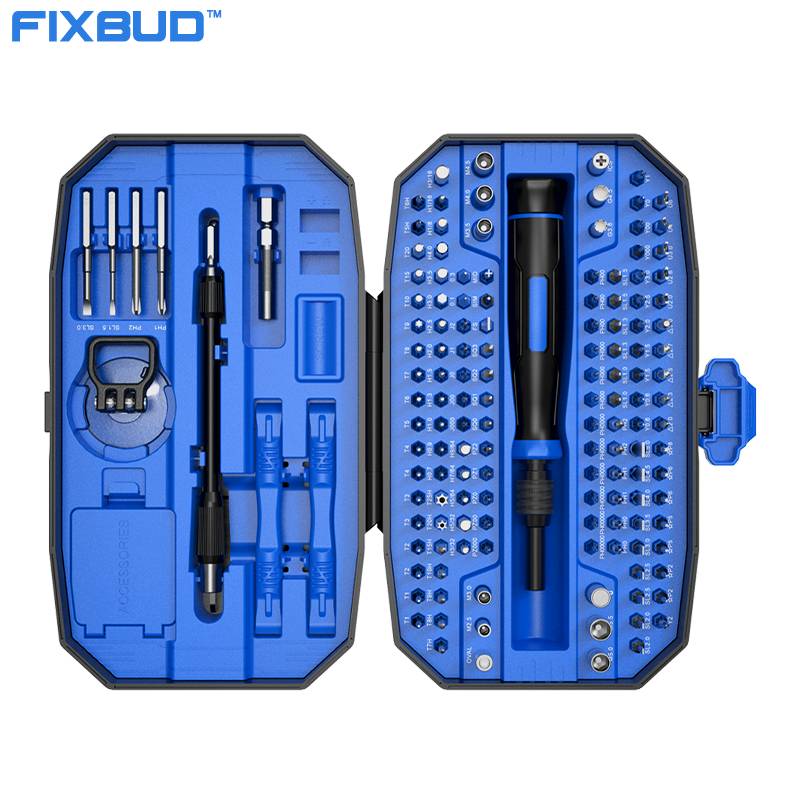
Understanding Custom Screwdriver Design Requirements
Analyzing Application-Specific Needs
Every custom screwdriver project begins with a thorough analysis of the specific application requirements. Engineers evaluate factors such as torque specifications, environmental conditions, material compatibility, and ergonomic considerations. The custom screwdrivers manufacturer works closely with clients to identify unique challenges that standard tools cannot address effectively. This collaborative approach ensures that the final design incorporates all necessary features while maintaining optimal performance characteristics.
Material selection plays a crucial role in meeting application-specific needs. Different industries require varying levels of corrosion resistance, magnetic properties, and thermal stability. Electronics manufacturing may demand non-magnetic tools, while aerospace applications require materials that withstand extreme temperatures. The manufacturer's expertise in metallurgy and material science becomes invaluable during this phase of the design process.
Technical Specification Development
Developing comprehensive technical specifications requires detailed documentation of dimensional requirements, tolerance levels, and performance criteria. The custom screwdrivers manufacturer creates detailed engineering drawings that specify shaft lengths, tip geometries, handle configurations, and surface finish requirements. These specifications serve as the blueprint for the entire manufacturing process and ensure consistency across production runs.
Quality standards and certification requirements also influence specification development. Medical device applications may require FDA compliance, while automotive tools need to meet industry-specific safety standards. The manufacturer must incorporate these regulatory requirements into the design specifications from the earliest stages of development to avoid costly modifications later in the process.
Engineering and Prototyping Phase
Advanced Design Validation
Modern custom screwdrivers manufacturer facilities utilize computer-aided design software and finite element analysis to validate designs before physical prototyping begins. These digital tools allow engineers to simulate stress patterns, identify potential failure points, and optimize geometries for maximum performance. Virtual testing reduces development time and minimizes the need for multiple physical prototype iterations.
Ergonomic modeling ensures that handle designs provide comfortable grip characteristics and reduce operator fatigue during extended use. Advanced simulation software can predict grip forces, torque transfer efficiency, and user comfort levels across different hand sizes and operating conditions. This comprehensive analysis results in tools that enhance productivity while minimizing workplace injuries.
Rapid Prototyping Techniques
Once digital validation is complete, the custom screwdrivers manufacturer proceeds with physical prototype development using advanced manufacturing techniques. Three-dimensional printing allows for rapid creation of handle prototypes, enabling tactile evaluation of grip comfort and ergonomic features. CNC machining produces precision metal components that accurately represent the final product's mechanical properties.
Prototype testing involves comprehensive evaluation under simulated operating conditions. Torque testing verifies that the tool can handle specified loads without deformation or failure. Durability testing subjects prototypes to accelerated wear cycles that simulate years of normal use. These rigorous testing protocols ensure that design modifications can be implemented before committing to full-scale production tooling.
Material Selection and Processing
Metallurgical Considerations
The choice of materials significantly impacts the performance, durability, and cost of custom screwdrivers. High-carbon steel provides excellent hardness and wear resistance for demanding applications, while stainless steel offers superior corrosion resistance in harsh environments. The custom screwdrivers manufacturer evaluates material properties against application requirements to select optimal alloys for each component.
Heat treatment processes transform raw materials into precision tools with specific mechanical properties. Controlled heating and cooling cycles adjust hardness levels, improve toughness, and relieve internal stresses. Advanced heat treatment techniques such as vacuum hardening and cryogenic processing can enhance tool life and performance characteristics beyond traditional methods.
Surface Treatment Technologies
Surface treatments enhance tool performance by improving wear resistance, reducing friction, and providing corrosion protection. Titanium nitride coatings increase surface hardness and reduce galling when working with soft materials. Diamond-like carbon coatings provide exceptional lubricity and wear resistance for high-precision applications requiring minimal friction.
Specialized coatings can also provide unique functional properties such as electrical conductivity or insulation. Anti-static coatings prevent electrostatic discharge in sensitive electronic environments, while insulating coatings protect operators when working near electrical systems. The custom screwdrivers manufacturer selects appropriate surface treatments based on specific application requirements and environmental conditions.
Manufacturing Process Excellence
Precision Machining Operations
Modern manufacturing facilities employ state-of-the-art CNC machining centers capable of achieving tolerances measured in micrometers. Multi-axis machining operations create complex geometries in single setups, ensuring dimensional accuracy and eliminating cumulative tolerancing errors. The custom screwdrivers manufacturer invests in advanced tooling and workholding systems to maintain consistent quality across production runs.
Automated tool changers and adaptive machining controls optimize cutting parameters in real-time, responding to variations in material properties and tool wear. These advanced systems maintain consistent surface finishes and dimensional accuracy while maximizing production efficiency. Statistical process control monitors critical dimensions throughout production to identify trends before they result in non-conforming products.
Assembly and Integration Processes
Multi-component screwdrivers require precise assembly operations to ensure proper fit and function. Automated assembly systems position components with repeatable accuracy and apply controlled insertion forces. The custom screwdrivers manufacturer implements assembly verification systems that check component alignment, engagement depth, and retention force for each assembled unit.
Handle attachment processes utilize advanced bonding techniques such as ultrasonic welding or precision interference fits. These methods create permanent assemblies that maintain integrity under high torque loads and temperature variations. Quality control systems verify assembly strength through statistical sampling and destructive testing protocols.
Quality Assurance and Testing Protocols
Comprehensive Inspection Procedures
Every stage of the manufacturing process incorporates quality control checkpoints to verify conformance to specifications. Coordinate measuring machines provide three-dimensional verification of complex geometries with measurement uncertainties measured in micrometers. The custom screwdrivers manufacturer maintains calibrated inspection equipment and implements rigorous measurement protocols to ensure accuracy and traceability.
Visual inspection systems utilize high-resolution cameras and automated image analysis to detect surface defects, dimensional variations, and assembly errors. These systems operate at production speeds while maintaining consistent inspection criteria across all products. Statistical quality control programs analyze inspection data to identify process trends and implement preventive corrective actions.
Performance Validation Testing
Functional testing verifies that completed tools meet all performance requirements under simulated operating conditions. Torque testing equipment applies controlled loads while monitoring tool deflection, surface wear, and failure modes. The custom screwdrivers manufacturer conducts accelerated life testing to predict tool performance over extended service periods.
Environmental testing exposes tools to temperature extremes, humidity variations, and corrosive atmospheres to verify durability under harsh operating conditions. Salt spray testing evaluates corrosion resistance, while thermal cycling tests assess material stability and joint integrity. These comprehensive testing protocols ensure that tools perform reliably throughout their intended service life.
Packaging and Delivery Solutions
Protective Packaging Systems
Proper packaging protects precision tools during shipping and storage while facilitating efficient handling and inventory management. The custom screwdrivers manufacturer designs packaging systems that prevent damage from shock, vibration, and environmental exposure. Foam inserts provide cushioning while maintaining tool organization and accessibility.
Anti-corrosion packaging materials prevent oxidation during long-term storage in various climatic conditions. Vapor phase inhibitors create protective atmospheres that eliminate moisture and prevent corrosion without requiring direct contact with tool surfaces. These advanced packaging solutions ensure that tools arrive at their destination in pristine condition.
Supply Chain Integration
Modern manufacturing operations integrate seamlessly with customer supply chains through electronic data interchange and automated inventory management systems. The custom screwdrivers manufacturer provides real-time production status updates and delivery tracking information to facilitate customer planning and scheduling activities.
Just-in-time delivery programs minimize customer inventory carrying costs while ensuring tool availability when needed. Flexible scheduling accommodates varying demand patterns and emergency requirements. Strategic inventory positioning at regional distribution centers reduces lead times and transportation costs for frequently ordered items.
FAQ
What factors should I consider when selecting a custom screwdrivers manufacturer
When choosing a manufacturing partner, evaluate their technical capabilities, quality management systems, and industry experience. Look for manufacturers with advanced machining equipment, comprehensive testing facilities, and relevant certifications such as ISO 9001 or AS9100. Review their portfolio of completed projects and request references from customers with similar applications. Consider their capacity for design support, prototype development, and ongoing technical assistance throughout the product lifecycle.
How long does the custom screwdriver development process typically take
Development timelines vary depending on design complexity, testing requirements, and prototype iterations needed. Simple modifications to existing designs may require 4-6 weeks, while completely new tools with specialized features can take 12-16 weeks from concept to production. Complex applications requiring extensive testing and validation may extend beyond 20 weeks. Early engagement with the manufacturer and clear specification definition help minimize development time while ensuring optimal results.
What quality standards apply to custom screwdriver manufacturing
Quality standards depend on the intended application and industry requirements. General industrial tools typically follow ISO 898 for mechanical properties and dimensional tolerances. Medical device applications require compliance with FDA regulations and ISO 13485 quality management standards. Aerospace applications must meet AS9100 requirements along with specific customer specifications. The manufacturer should demonstrate compliance through appropriate certifications and documented quality management systems.
Can custom screwdrivers be manufactured for specialized environments
Yes, experienced manufacturers can develop tools for virtually any operating environment. Clean room applications require special materials and surface treatments to minimize particle generation. High-temperature environments demand heat-resistant alloys and specialized coatings. Explosive atmospheres require non-sparking materials and intrinsically safe designs. Collaborate with the manufacturer early in the design process to ensure all environmental requirements are properly addressed in the tool specification and manufacturing process.