 EN

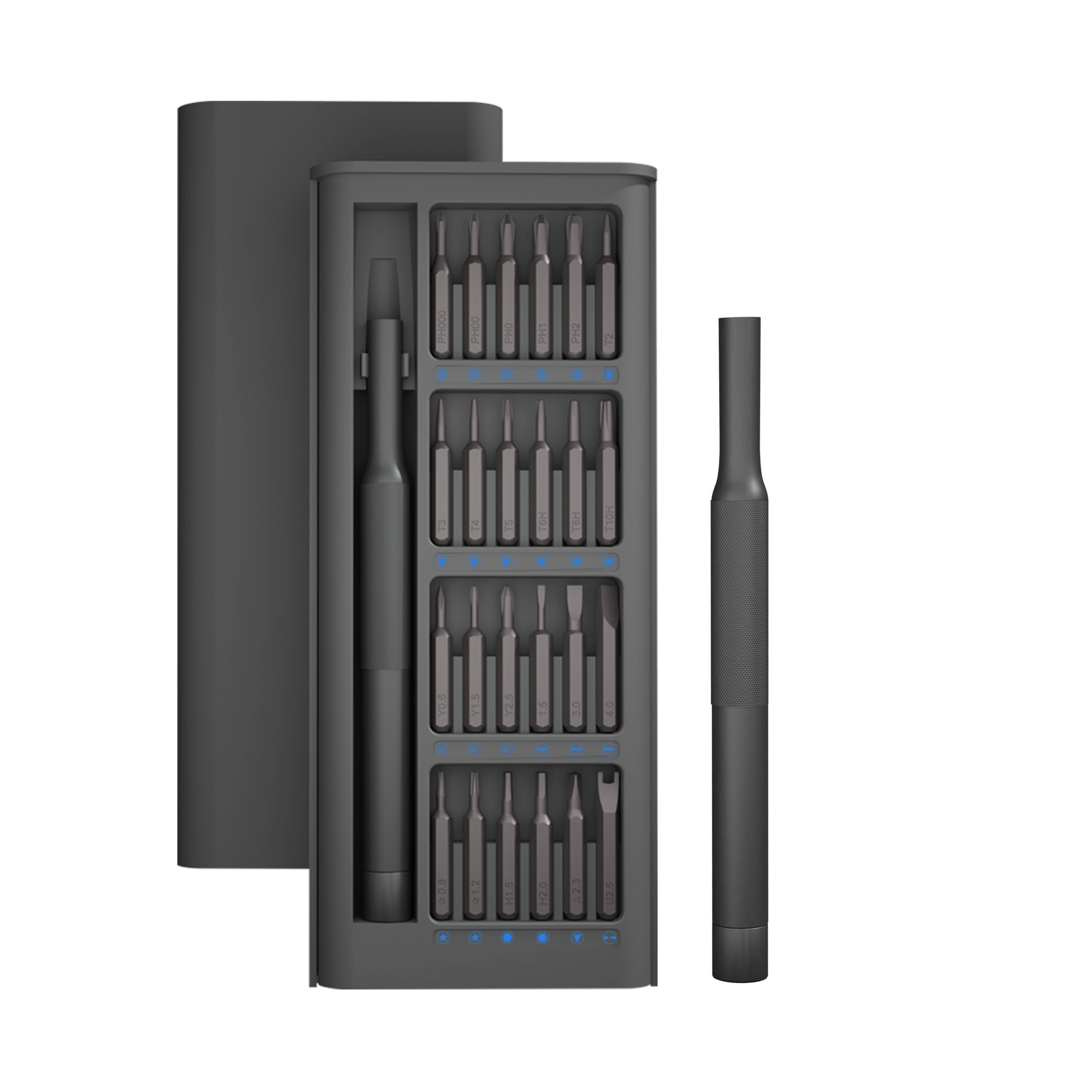
When sourcing specialized tools for your business, understanding minimum order quantities becomes crucial for making informed procurement decisions. Working with a reliable custom screwdrivers manufacturer requires careful consideration of MOQ requirements, cost implications, and production timelines. Many businesses struggle to balance their immediate needs with the economic benefits of larger orders, making MOQ negotiations a critical aspect of successful partnerships. This comprehensive guide explores the intricacies of minimum order quantities for custom screwdrivers, helping you navigate the complexities of industrial procurement while maximizing value for your investment.
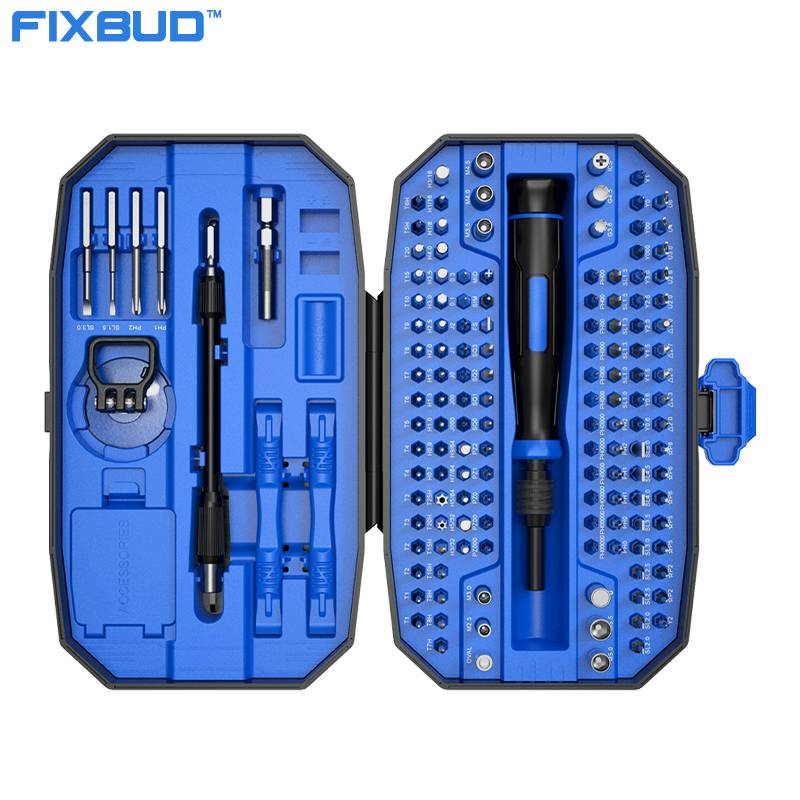
Understanding MOQ Fundamentals in Tool Manufacturing
Economic Principles Behind Minimum Orders
MOQ economics reflect fixed setup, tooling, and material costs. Because these expenses apply regardless of order size, smaller batches usually carry higher unit costs. Manufacturers also need time to prepare equipment and verify production standards before work begins.
Larger orders can lower material prices and spread setup and inspection costs across more units. Longer production runs may also improve labor efficiency, explaining why manufacturers set minimum quantities and offer volume-based pricing for established repeat customers over time.
Industry Standards and Typical Requirements
MOQ varies by supplier and customization level. Large manufacturers may require 500–5,000 pieces, while smaller specialists may accept 100–500 at higher unit prices. Savings are often greatest as orders grow from 100 to 1,000 pieces, although thresholds depend on design complexity and capacity.
Regional cost structures affect MOQ. Asian suppliers may offer lower minimums, while European and North American manufacturers may require larger orders but offer different quality-control and communication advantages. Compare suppliers against project needs, budget, and the level of customization required.
Strategic Approaches to MOQ Negotiation
Building Leverage Through Volume Commitments
Successful MOQ negotiations require demonstrating long-term value proposition to manufacturers beyond single order considerations. Presenting annual volume projections and multi-product sourcing opportunities creates compelling reasons for manufacturers to reduce minimum order requirements. A custom screwdrivers manufacturer values partnerships that promise consistent business flow, making them more flexible on initial order quantities when future commitments appear substantial. Documentation supporting projected volumes through market analysis or existing customer contracts strengthens negotiating positions significantly.
Timing considerations play crucial roles in MOQ flexibility, as manufacturers often have capacity gaps they need to fill. Scheduling orders during traditionally slower periods may result in reduced minimum requirements or improved pricing structures. Understanding seasonal patterns in tool manufacturing helps identify optimal negotiation windows when manufacturers seek additional business to maintain production efficiency. Flexibility in delivery schedules can also provide negotiating leverage, allowing manufacturers to optimize production planning and resource allocation.
Alternative Structuring Options
Blanket orders with scheduled releases let buyers commit to larger quantities while receiving goods in stages. This can meet supplier volume requirements while spreading inventory and cash-flow demands. Staged production can also test market response before expansion, without requiring units to arrive at once.
Consortium arrangements with other businesses facing similar MOQ challenges create opportunities for shared orders and reduced individual commitments. Industry associations and procurement groups often facilitate such collaborations, enabling smaller businesses to access large-scale pricing while meeting manufacturer minimum requirements. Joint ventures and strategic partnerships can also provide pathways to larger order volumes through combined procurement power and shared market opportunities.
Cost Analysis and Financial Planning
Total Cost of Ownership Calculations
Total cost includes unit price, storage, inventory management, and working capital. Savings from larger orders may be offset by financing, warehousing, and the risk of holding excess stock, especially when demand is uncertain or designs change frequently.
Risk assessment becomes critical when evaluating MOQ commitments, as market demand fluctuations can leave businesses with excess inventory. Product lifecycle considerations influence optimal order sizing, with established products supporting larger commitments while innovative or seasonal items require more conservative approaches. Insurance costs for inventory coverage and potential obsolescence losses must factor into financial planning for MOQ-driven procurement strategies.
Cash Flow Management Strategies
Payment term negotiations often accompany MOQ discussions, creating opportunities to improve cash flow impact of larger orders. Progressive payment schedules aligned with production milestones can reduce upfront capital requirements while meeting manufacturer cash flow needs. Letters of credit and other financial instruments provide security for manufacturers while preserving buyer liquidity throughout extended production periods.
Seasonal cash flow patterns should align with MOQ timing to minimize financial strain during procurement cycles. Understanding manufacturer payment preferences and establishing credit relationships can improve negotiating positions while reducing transaction costs. Some manufacturers offer financing arrangements or extended payment terms for qualified buyers, effectively reducing the working capital impact of MOQ requirements.
Quality Considerations in Large Orders
Inspection and Testing Protocols
Larger order quantities necessitate robust quality assurance programs to prevent widespread defects across entire production runs. Statistical sampling methods become essential for cost-effective quality verification without inspecting every individual tool. Pre-production samples and first article inspections provide early detection of potential issues before full production commitment. Custom screwdrivers manufacturer partnerships should include clear quality specifications and acceptance criteria to prevent disputes over large quantity orders.
In-process monitoring systems help maintain quality consistency throughout extended production runs typical of MOQ-sized orders. Regular quality reports and production updates enable early intervention when deviations occur, preventing quality issues from affecting entire order quantities. Third-party inspection services provide independent verification of quality standards while maintaining objectivity in supplier relationships.
Specification Management
Design freeze protocols become crucial for large orders where mid-production changes could create significant costs and delays. Clear change management procedures should establish cost implications and timeline impacts for any specification modifications during production. Version control systems help track approved specifications and prevent unauthorized changes that could affect quality or functionality.
Material traceability requirements often increase with order size, particularly for applications requiring compliance certifications or warranty coverage. Documentation systems should capture material sources, processing parameters, and quality test results for each production batch. These records provide valuable troubleshooting information if quality issues emerge after delivery and support continuous improvement initiatives for future orders.
Timeline and Production Planning
Manufacturing Lead Time Factors
Production scheduling for MOQ-sized orders requires careful coordination between buyer requirements and manufacturer capacity constraints. Material procurement lead times often extend with larger orders, as raw material suppliers may require additional time to fulfill substantial quantity requirements. Custom tooling and setup requirements add fixed time components that remain constant regardless of order size, making larger orders more time-efficient on a per-unit basis.
Capacity planning becomes essential when production volumes approach manufacturer limits or require dedicated production line allocation. Understanding manufacturer production capabilities and existing order backlog helps establish realistic delivery expectations and identify potential bottlenecks. Seasonal demand patterns in the tool industry can significantly impact available capacity and production scheduling flexibility.
Inventory Management Integration
Just-in-time delivery coordination becomes challenging with large MOQ orders, requiring sophisticated inventory planning to balance carrying costs with operational needs. Warehousing arrangements may require expansion or modification to accommodate larger delivery quantities while maintaining efficient material flow. Integration with existing inventory management systems ensures proper tracking and allocation of received materials across internal operations.
Distribution planning must account for storage location optimization and transportation logistics for large quantity deliveries. Regional distribution strategies may require coordination between multiple delivery locations to optimize freight costs and minimize handling requirements. Automated inventory systems help manage larger stock quantities while providing real-time visibility into consumption patterns and reorder requirements.
FAQ
What factors determine MOQ requirements for custom screwdrivers
MOQ requirements depend primarily on setup costs, material procurement efficiency, and production line optimization factors. Complex customizations requiring specialized tooling typically increase minimum order quantities, while standard modifications may have lower thresholds. Manufacturing location, production capacity, and current order backlog also influence MOQ decisions, with established manufacturers often having more flexibility than smaller operations.
How can small businesses work around high MOQ requirements
Small businesses can explore consortium purchasing with other companies, negotiate blanket purchase orders with scheduled releases, or seek specialized manufacturers serving smaller market segments. Building long-term relationships with suppliers often leads to MOQ flexibility, particularly when demonstrating growth potential and consistent ordering patterns. Alternative product approaches, such as semi-custom solutions, may also provide cost-effective options with lower minimum requirements.
What quality risks exist with large MOQ orders
Large orders create potential for widespread quality issues if defects occur during production, making robust inspection protocols essential. Statistical sampling becomes crucial for cost-effective quality verification across substantial quantities. Specification freeze requirements and change management procedures help prevent mid-production modifications that could compromise quality consistency throughout the entire order.
How do payment terms typically work with MOQ-sized orders
Payment structures often involve deposits with production milestones or progressive payments aligned with delivery schedules. Letters of credit provide security for manufacturers while preserving buyer cash flow, particularly for international transactions. Some manufacturers offer financing arrangements or extended payment terms for qualified buyers, reducing the working capital impact of larger order commitments while meeting manufacturer cash flow requirements.