 EN
EN

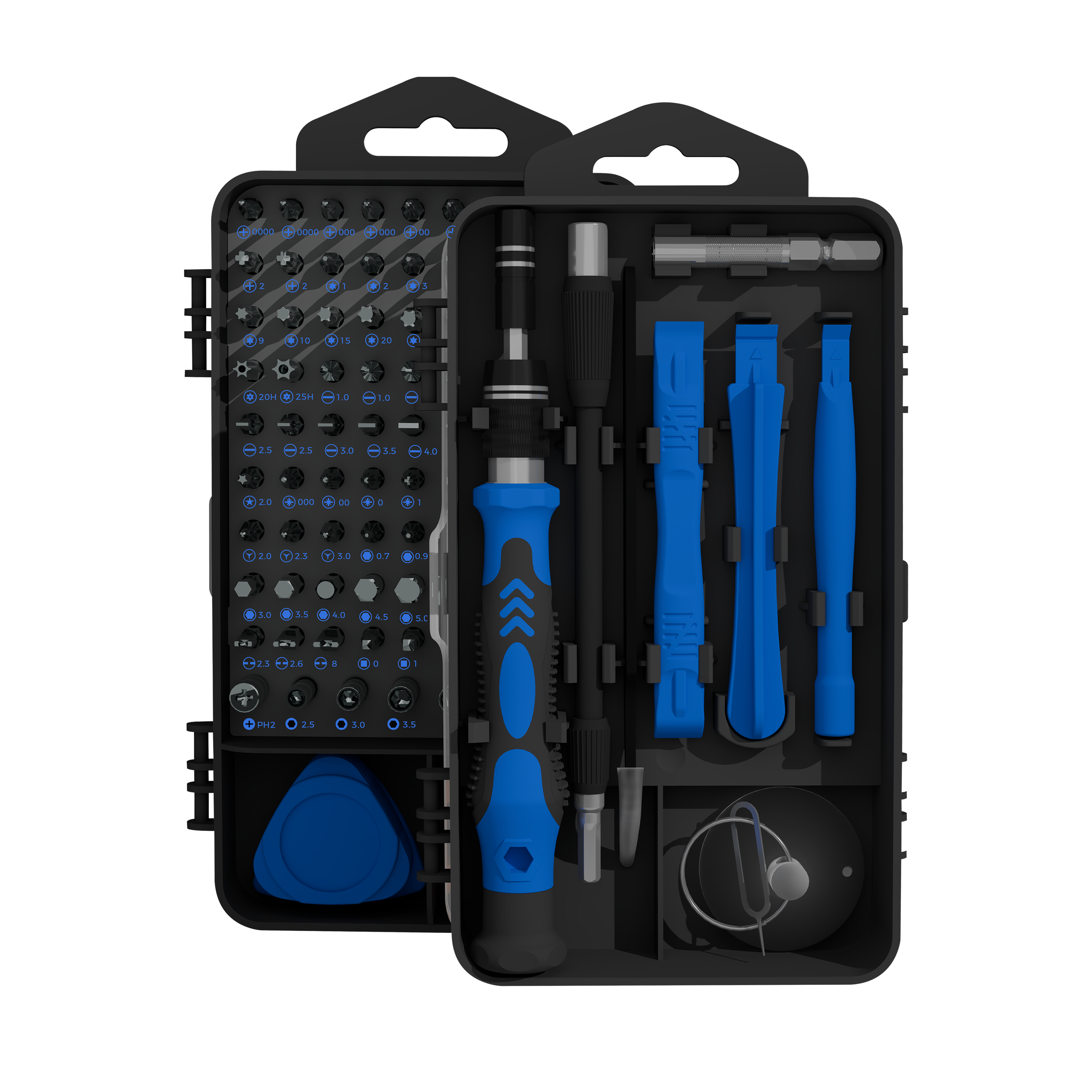
The precision tool industry has witnessed remarkable advancements in recent decades, with specialized applications demanding increasingly sophisticated solutions. Manufacturing environments across aerospace, electronics, automotive, and medical device sectors require tools that meet exacting specifications while delivering consistent performance under demanding conditions. When standard off-the-shelf options cannot satisfy these requirements, partnering with a qualified custom screwdrivers manufacturer becomes essential for achieving optimal operational outcomes.
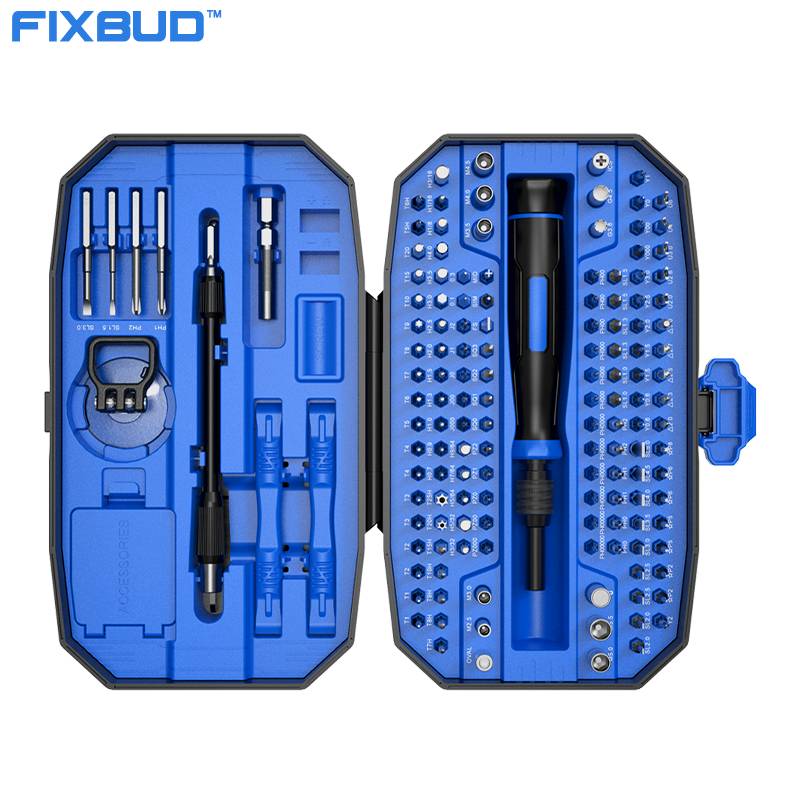
Modern industrial applications frequently encounter scenarios where conventional fastening tools prove inadequate. Miniaturized electronic components, specialized fastener geometries, restricted access environments, and contamination-sensitive processes all present unique challenges that require tailored solutions. A professional custom screwdrivers manufacturer possesses the engineering expertise and manufacturing capabilities necessary to develop precision instruments that address these specific operational requirements while maintaining the highest quality standards.
The material selection process represents one of the most critical aspects of custom screwdriver development, directly influencing tool performance, durability, and application compatibility. Understanding the properties and characteristics of various materials enables manufacturers to recommend optimal solutions for specific use cases, ensuring that end users receive tools capable of delivering reliable service throughout their operational lifecycle.
Material Selection Fundamentals for Custom Screwdrivers
High-Grade Steel Alloys and Their Applications
Tool steel represents the foundation of professional-grade screwdriver manufacturing, offering exceptional strength, wear resistance, and dimensional stability under demanding conditions. Chrome vanadium steel provides an excellent balance of hardness and toughness, making it particularly suitable for general-purpose applications where durability and reliability are paramount. This alloy exhibits superior resistance to deformation and maintains sharp cutting edges even after extended use cycles.
Chrome molybdenum steel offers enhanced corrosion resistance while maintaining the mechanical properties required for precision applications. The addition of molybdenum improves hardenability and provides better performance at elevated temperatures, making this material ideal for applications in harsh environmental conditions. Many custom screwdrivers manufacturer facilities utilize this alloy for tools destined for aerospace and automotive applications where temperature fluctuations are common.
Premium tool steels such as M2 and M42 high-speed steel provide exceptional wear resistance and maintain their hardness at elevated temperatures. These materials are particularly valuable for custom screwdrivers designed for high-volume production environments where tool longevity directly impacts operational efficiency. The superior edge retention characteristics of these steels justify their higher cost in applications requiring maximum precision and durability.
Specialty Materials for Demanding Environments
Stainless steel variants offer superior corrosion resistance for applications in medical, pharmaceutical, and food processing environments where contamination prevention is critical. Austenitic stainless steels maintain their non-magnetic properties while providing adequate strength for most screwdriver applications. These materials undergo specialized heat treatment processes to optimize their mechanical properties while preserving their corrosion resistance characteristics.
Titanium alloys represent the pinnacle of performance for weight-critical applications, offering exceptional strength-to-weight ratios and outstanding corrosion resistance. While significantly more expensive than conventional materials, titanium custom screwdrivers provide unmatched performance in aerospace and medical applications where every gram matters. The biocompatibility of titanium makes it particularly valuable for surgical instruments and medical device assembly tools.
Exotic materials such as Inconel and Hastelloy serve specialized applications requiring extreme temperature resistance and chemical compatibility. These superalloys maintain their mechanical properties in environments that would rapidly degrade conventional materials, making them essential for nuclear, chemical processing, and high-temperature manufacturing applications. A qualified custom screwdrivers manufacturer must possess specialized knowledge and equipment to properly machine and heat treat these challenging materials.
Advanced Surface Finishing Techniques and Technologies
Traditional Coating Systems and Their Benefits
Chrome plating remains one of the most widely used finishing options for custom screwdrivers, providing excellent corrosion resistance and a professional appearance. Hard chrome plating creates a dense, wear-resistant surface that maintains its properties even under severe operating conditions. The process involves electrochemical deposition of chromium onto the base material, resulting in a mirror-like finish that resists scratching and chemical attack.
Nickel plating offers superior ductility compared to chrome while still providing good corrosion protection and aesthetic appeal. This finishing option works particularly well for tools that may experience bending stresses during use, as the nickel coating can flex without cracking. Many custom screwdrivers manufacturer operations utilize nickel plating as an intermediate layer beneath other coatings to improve adhesion and overall system performance.
Black oxide treatments provide a cost-effective solution for applications requiring moderate corrosion protection without the thickness addition of traditional platings. This chemical conversion process creates a thin, adherent layer that maintains the original tool dimensions while providing a professional black finish. The resulting surface accepts additional treatments such as oils or waxes to enhance protection levels for specific applications.
Modern Physical Vapor Deposition Coatings
Titanium nitride coating represents one of the most successful physical vapor deposition applications in tool manufacturing, providing exceptional hardness and wear resistance while maintaining excellent adhesion to the substrate. The characteristic gold color of titanium nitride coatings offers easy identification while the coating itself provides superior performance in abrasive environments. This coating system works particularly well for custom screwdrivers used in high-volume assembly operations.
Diamond-like carbon coatings offer the ultimate in wear resistance and low friction characteristics, making them ideal for precision applications where tool life and dimensional stability are critical. These coatings provide hardness approaching that of natural diamond while maintaining the toughness required for practical tool applications. The extremely smooth surface finish reduces friction and prevents galling in sensitive applications.
Multilayer coating systems combine the benefits of different materials to create optimized surface properties for specific applications. These sophisticated systems typically include a bonding layer, intermediate layers for specific properties, and a top layer optimized for the intended service environment. A professional custom screwdrivers manufacturer can recommend and apply these advanced coating systems to maximize tool performance and service life.
Quality Control and Manufacturing Standards
Precision Manufacturing Processes
Computer numerical control machining enables the production of custom screwdrivers with tolerances measured in thousandths of an inch, ensuring consistent performance across entire production runs. Modern CNC equipment incorporates real-time monitoring systems that detect and correct variations before they impact product quality. This level of precision is essential for custom applications where even minor dimensional variations can compromise functionality.
Heat treatment processes require careful control of temperature, time, and atmosphere to achieve optimal material properties without compromising dimensional accuracy. Vacuum furnaces and controlled atmosphere systems prevent oxidation and decarburization while enabling precise temperature control throughout the treatment cycle. Professional custom screwdrivers manufacturer facilities invest in advanced heat treatment equipment to ensure consistent results and optimal tool performance.
Final inspection procedures utilize coordinate measuring machines and optical comparators to verify dimensional accuracy and surface finish quality. Statistical process control methods track key parameters throughout production to identify trends before they result in out-of-specification products. This comprehensive approach ensures that every custom screwdriver meets or exceeds specified requirements.
Certification and Traceability Requirements
Material certifications document the chemical composition and mechanical properties of raw materials used in custom screwdriver production, providing traceability from the steel mill to the finished product. These certificates become particularly important for aerospace and medical applications where regulatory compliance demands complete documentation. Many custom screwdrivers manufacturer operations maintain comprehensive records systems to support customer certification requirements.
Process certifications verify that manufacturing procedures meet established standards for quality and consistency. ISO 9001 certification demonstrates a commitment to quality management systems, while AS9100 certification indicates capability for aerospace applications. These certifications provide customers with confidence in the manufacturer's ability to deliver products meeting their specific requirements.
Calibration programs ensure that all measuring equipment maintains accuracy throughout its service life, supporting consistent quality control and dimensional verification. Traceable calibration to national standards provides the foundation for accurate measurements and reliable quality data. This attention to measurement accuracy enables continuous improvement and ensures product conformance to specifications.
Application-Specific Design Considerations
Electronics and Micro-Assembly Applications
Miniaturized electronic components require screwdrivers with extremely precise tip geometries and smooth surface finishes to prevent damage during assembly operations. Static discharge protection becomes critical in these applications, necessitating the use of dissipative materials or specialized coatings. The custom screwdrivers manufacturer must consider electromagnetic compatibility requirements and implement appropriate design features to prevent interference with sensitive electronic systems.
Torque limitations in micro-assembly applications demand tools with precise mechanical properties and consistent manufacturing quality. Over-torquing can damage delicate components or strip miniature fasteners, while under-torquing may result in loose connections and reliability issues. Custom screwdrivers for these applications often incorporate torque-limiting features or specialized geometries that provide tactile feedback to operators.
Contamination control requirements in cleanroom environments necessitate special attention to material selection and surface finishing. Tools must shed minimal particles and resist the harsh cleaning chemicals commonly used in these facilities. Electropolished stainless steel surfaces provide excellent cleanability while maintaining the mechanical properties required for reliable operation.
Automotive and Heavy Industry Requirements
High-torque applications in automotive manufacturing require custom screwdrivers with enhanced strength and durability to withstand repeated loading cycles. Impact resistance becomes particularly important for pneumatic and electric driver applications where shock loads are common. Material selection must balance hardness for wear resistance with toughness to prevent brittle failure under dynamic loading conditions.
Chemical resistance requirements vary significantly across different automotive applications, from paint booth environments with aggressive solvents to engine compartments with petroleum-based fluids. A qualified custom screwdrivers manufacturer evaluates these environmental factors and recommends appropriate materials and coatings to ensure long-term reliability. Compatibility testing may be required to verify performance in specific chemical environments.
Temperature cycling in automotive applications subjects tools to thermal stresses that can affect dimensional stability and mechanical properties. Custom screwdrivers must maintain their performance characteristics across the expected temperature range while accommodating thermal expansion and contraction. Proper material selection and heat treatment procedures minimize these effects and ensure consistent tool performance throughout the service temperature range.
FAQ
What factors determine the optimal material selection for custom screwdriver applications
Material selection depends on several key factors including the operating environment, required torque levels, dimensional tolerances, and chemical compatibility requirements. A qualified custom screwdrivers manufacturer evaluates these parameters along with cost considerations to recommend the most appropriate material for each application. Factors such as corrosion resistance, magnetic properties, and biocompatibility may also influence material selection for specialized applications.
How do surface finishing options affect custom screwdriver performance and durability
Surface finishes significantly impact wear resistance, corrosion protection, and friction characteristics of custom screwdrivers. Advanced coatings such as titanium nitride or diamond-like carbon can extend tool life by orders of magnitude compared to uncoated tools. The selection of appropriate finishing depends on the specific application requirements, operating environment, and performance expectations. Professional manufacturers can recommend optimal finishing systems based on detailed application analysis.
What quality control measures ensure consistent performance in custom screwdriver manufacturing
Comprehensive quality control programs incorporate incoming material inspection, in-process monitoring, and final product verification using calibrated measuring equipment. Statistical process control methods track critical parameters throughout production to identify trends and prevent defects. Many custom screwdrivers manufacturer facilities maintain ISO certification and implement rigorous documentation systems to ensure traceability and compliance with customer requirements.
How can customers verify that a custom screwdriver manufacturer can meet their specific requirements
Customers should evaluate potential manufacturers based on their technical capabilities, quality certifications, and experience with similar applications. Request detailed information about manufacturing processes, quality control procedures, and available materials and finishes. A qualified custom screwdrivers manufacturer will provide comprehensive technical support including application analysis, material recommendations, and performance predictions based on their expertise and experience with similar projects.
Table of Contents
- Material Selection Fundamentals for Custom Screwdrivers
- Advanced Surface Finishing Techniques and Technologies
- Quality Control and Manufacturing Standards
- Application-Specific Design Considerations
-
FAQ
- What factors determine the optimal material selection for custom screwdriver applications
- How do surface finishing options affect custom screwdriver performance and durability
- What quality control measures ensure consistent performance in custom screwdriver manufacturing
- How can customers verify that a custom screwdriver manufacturer can meet their specific requirements