 EN
EN

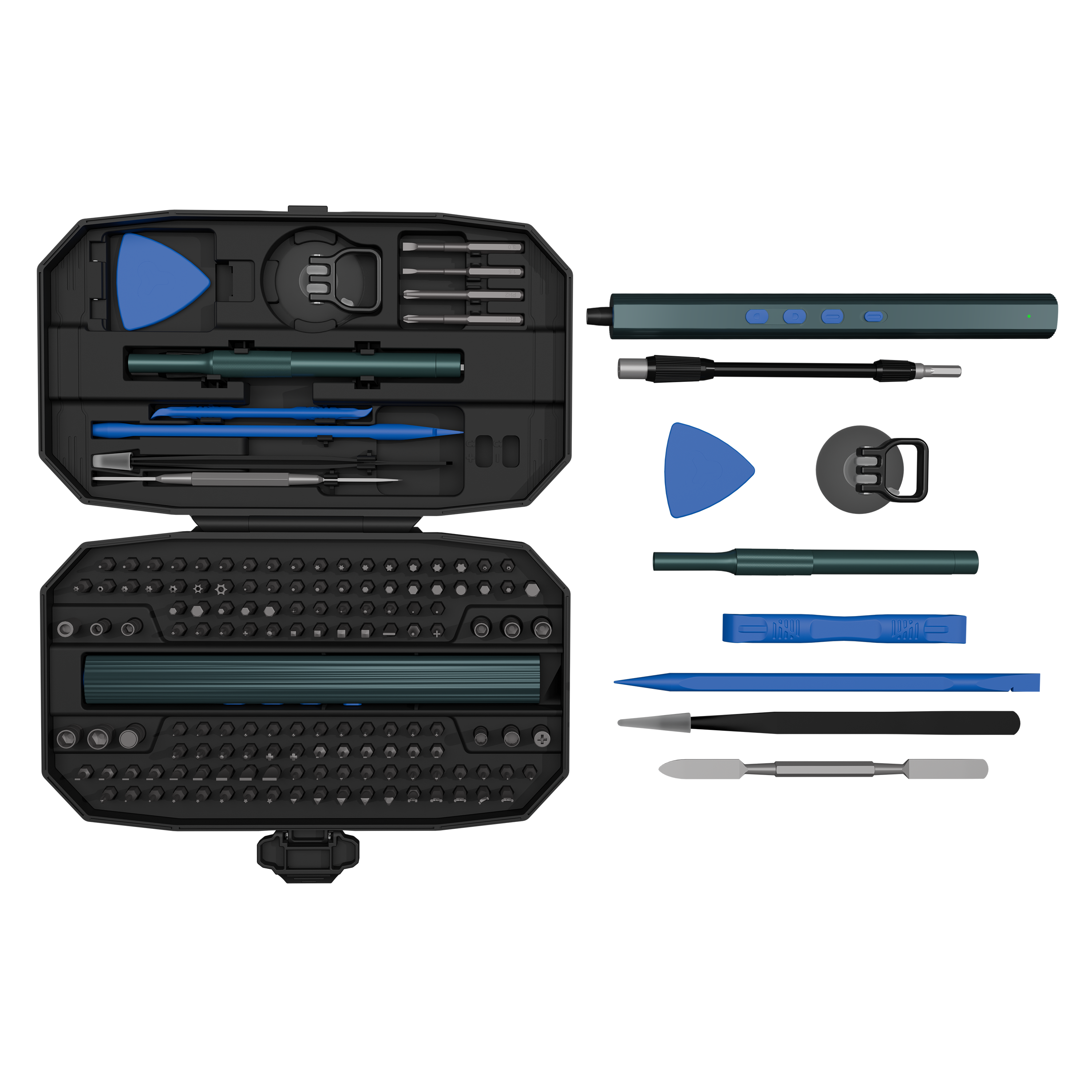
Modern smartphones utilize increasingly sophisticated fastening systems that demand precision tools for proper maintenance and repair. Professional technicians and DIY enthusiasts alike must understand the critical differences between specialized screwdriver bits, particularly when working with delicate electronic components. The choice between P2 Pentalobe and PH000 bits can determine the success or failure of a repair operation, making this knowledge essential for anyone serious about smartphone repair work.
Understanding P2 Pentalobe Screwdriver Bits
Design Characteristics and Applications
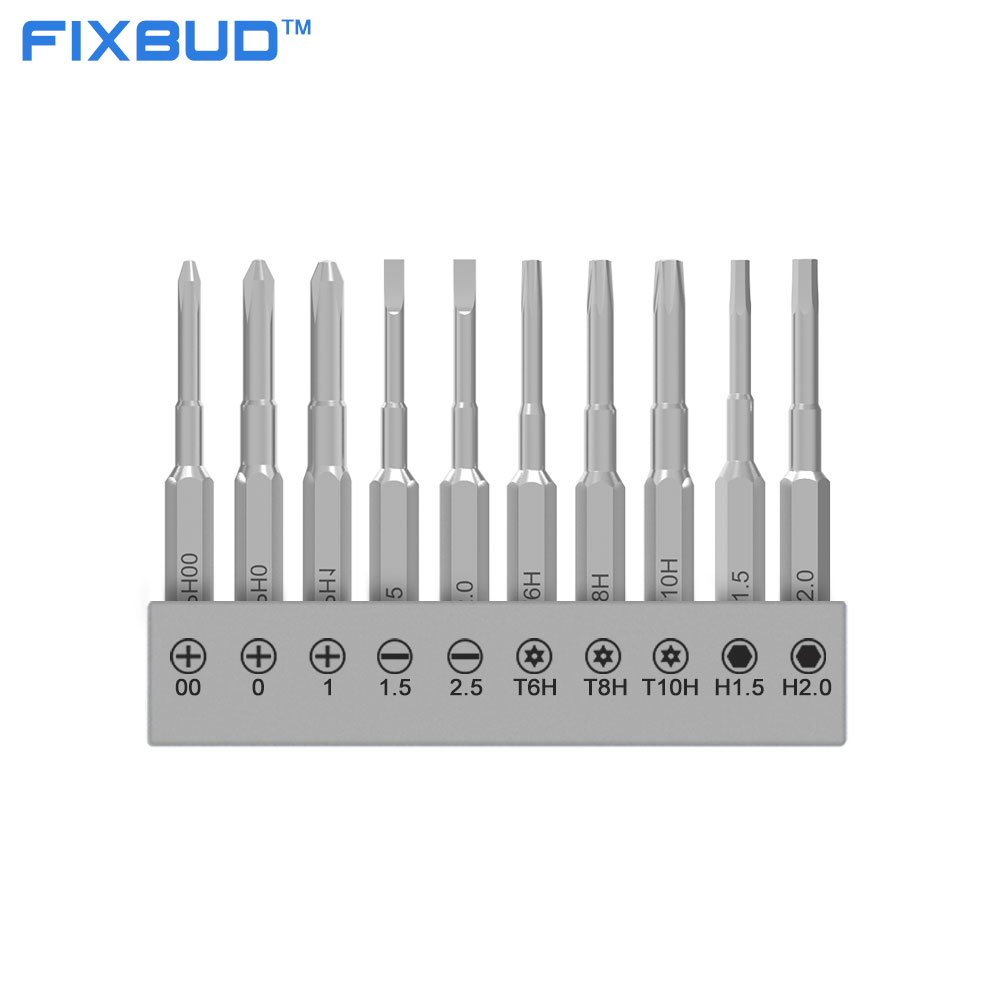
The P2 Pentalobe screwdriver bit features a distinctive five-pointed star configuration specifically engineered for Apple devices. This proprietary design ensures that only authorized repair facilities or properly equipped technicians can access internal components. The bit measures approximately 0.8mm across its widest points, making it significantly smaller than conventional screwdriver bits used in other electronic applications.
Apple introduced the Pentalobe screw system as part of their security measures to prevent unauthorized modifications and ensure quality control during repairs. The unique geometry distributes torque evenly across five contact points, reducing the risk of screw head damage during removal and installation. Professional smartphone repair screwdrivers designed for Apple devices must include high-quality P2 Pentalobe bits to handle these specialized fasteners effectively.
Compatible Device Models
P2 Pentalobe screws appear primarily on iPhone models starting from the iPhone 4 series through current generations. These screws secure the bottom panel of iPhones, providing access to internal components such as the battery, logic board, and display assembly connections. iPad models also utilize P2 Pentalobe screws in various locations, though less frequently than their smaller iPhone counterparts.
The widespread adoption of P2 Pentalobe screws across Apple's product line makes these bits indispensable for any comprehensive smartphone repair operation. Technicians working exclusively with Apple devices often require multiple P2 Pentalobe bits due to the frequency of use and potential wear over time. Quality smartphone repair screwdrivers must maintain precise tolerances to ensure proper engagement with these delicate screws.
PH000 Phillips Screwdriver Bit Specifications
Technical Design Elements
The PH000 Phillips bit represents the smallest standard size in the Phillips head family, featuring the characteristic cross-shaped tip with tapered edges. This design allows for positive engagement with corresponding screw heads while providing sufficient torque transfer for secure fastening. The bit measures approximately 1.5mm at its widest cross-section, making it suitable for micro-screws found in compact electronic devices.
Phillips head screws offer several advantages in smartphone applications, including ease of manufacturing, cost-effectiveness, and widespread availability. The self-centering design of Phillips screws helps prevent bit wandering during installation, reducing the risk of damage to surrounding components. Professional-grade smartphone repair screwdrivers incorporate precision-machined PH000 bits that maintain their shape and effectiveness through hundreds of use cycles.
Device Compatibility and Usage
PH000 screws appear frequently in Android smartphones, tablets, and various electronic accessories. Major manufacturers such as Samsung, LG, Google, and OnePlus utilize PH000 screws for securing internal components, back panels, and accessory attachments. The standardized nature of Phillips screws makes them more accessible for independent repair operations and third-party service providers.
Unlike proprietary fastening systems, PH000 screws can be sourced from multiple suppliers, reducing repair costs and improving availability. This accessibility factor makes PH000-compatible devices generally more repair-friendly for both professional technicians and end users. Comprehensive smartphone repair screwdrivers typically include multiple PH000 bits to accommodate various screw lengths and applications across different device models.
Performance Comparison and Selection Criteria
Torque Requirements and Material Considerations
The torque specifications for P2 Pentalobe and PH000 screws differ significantly due to their distinct geometries and intended applications. P2 Pentalobe screws typically require lower torque values, ranging from 0.8 to 1.2 inch-pounds, to prevent thread stripping or screw head deformation. The five-point contact design distributes stress more evenly but requires precise torque control to avoid damage.
PH000 screws can generally handle slightly higher torque values, typically ranging from 1.0 to 1.5 inch-pounds, due to their robust cross-head design. However, the smaller size still demands careful torque management to prevent over-tightening. Professional smartphone repair screwdrivers often include torque-limiting features or are used in conjunction with precision torque drivers to maintain proper fastening specifications.
Wear Patterns and Longevity
P2 Pentalobe bits tend to exhibit wear primarily at the star point tips, where repeated engagement can cause gradual rounding or chipping. The specialized geometry makes these bits more susceptible to damage from improper use or excessive force application. Quality smartphone repair screwdrivers utilize hardened steel construction to minimize wear and extend bit life in professional applications.
PH000 bits typically show wear patterns along the cross-shaped edges, with gradual tapering reducing engagement effectiveness over time. The standardized geometry allows for easier replacement and sourcing compared to proprietary Pentalobe bits. Regular inspection and replacement of worn bits ensures consistent performance and prevents damage to valuable device screws during repair operations.
Professional Application Guidelines
Proper Installation Techniques
Successful smartphone repair requires meticulous attention to screw installation procedures, regardless of the bit type being used. P2 Pentalobe screws demand careful alignment to ensure all five points engage simultaneously before applying rotational force. Misalignment can result in incomplete engagement, leading to screw head damage or bit wear. Smartphone repair screwdrivers with magnetic tips help maintain proper alignment during the initial engagement phase.
PH000 screws benefit from the self-centering characteristics of the Phillips design, but still require controlled insertion to prevent cross-threading or over-tightening. The smaller screw size makes visual inspection challenging, necessitating tactile feedback to determine proper seating. Professional technicians develop muscle memory for appropriate torque levels through extensive practice and experience with various device models.
Tool Maintenance and Care
Maintaining precision smartphone repair screwdrivers requires regular cleaning, inspection, and proper storage procedures. Metal particles, adhesive residue, and environmental contaminants can accumulate on bit surfaces, affecting engagement quality and potentially damaging delicate screws. Isopropyl alcohol and soft brushes effectively remove most contaminants without damaging bit surfaces or magnetic coatings.
Storage systems should protect bits from moisture, physical damage, and cross-contamination between different bit types. Organized storage also improves workflow efficiency by ensuring quick access to the correct bit type during repair operations. Professional repair facilities often maintain multiple sets of smartphone repair screwdrivers to ensure continuous operation while allowing for maintenance and replacement cycles.
Troubleshooting Common Issues
Screw Extraction Problems
Damaged or stripped screws represent one of the most challenging aspects of smartphone repair work. P2 Pentalobe screws are particularly susceptible to damage when improper tools or excessive force are applied during removal attempts. The five-point geometry can become rounded or partially sheared, making conventional extraction extremely difficult. Specialized extraction tools or techniques may be required to remove damaged Pentalobe screws without causing additional device damage.
PH000 screw extraction problems typically involve stripped cross-heads or screws that have seized due to corrosion or adhesive compounds. The larger contact area of Phillips heads sometimes allows for alternative extraction methods, such as rubber band techniques or specialized grip-enhancing compounds. However, severely damaged PH000 screws may require drilling or other destructive removal methods that risk surrounding components.
Prevention Strategies
Preventing screw damage begins with using appropriate smartphone repair screwdrivers that match the specific screw type and maintain proper bit condition. Regular bit inspection helps identify wear patterns before they become severe enough to cause screw damage. Replacement schedules based on usage frequency ensure consistent engagement quality and reduce the risk of stripped screws during critical repair operations.
Proper torque management represents another crucial prevention strategy, particularly when working with the delicate screws found in modern smartphones. Over-tightening can stress screw threads and device mounting points, while under-tightening may allow components to shift during device use. Training and practice help technicians develop appropriate torque sensitivity for different screw types and applications.
Industry Standards and Best Practices
Quality Certification Requirements
Professional smartphone repair operations must adhere to various quality standards that govern tool selection, maintenance procedures, and technician training requirements. Industry certifications often specify minimum tool quality levels, including precision tolerances for screwdriver bits and testing procedures to verify performance capabilities. These standards help ensure consistent repair quality across different service providers and geographic regions.
Smartphone repair screwdrivers used in certified repair facilities typically undergo regular calibration and replacement cycles to maintain compliance with manufacturer specifications. Documentation requirements may include tool maintenance logs, replacement schedules, and performance verification records. These protocols help maintain repair quality while providing traceability for warranty and liability purposes.
Training and Skill Development
Effective use of specialized screwdriver bits requires comprehensive training that covers both theoretical knowledge and hands-on practice opportunities. Technicians must understand the mechanical principles underlying different screw types, appropriate torque ranges, and recognition of wear patterns that indicate replacement needs. Practical training sessions using various smartphone repair screwdrivers help develop the tactile sensitivity required for precision work.
Ongoing skill development programs ensure technicians stay current with evolving screw technologies and repair techniques. New device releases may introduce different screw types or modified fastening systems that require updated tools and procedures. Regular training updates help maintain competency levels and reduce the risk of damage during repair operations involving unfamiliar fastening systems.
FAQ
Can I use a P2 Pentalobe bit on PH000 screws
No, P2 Pentalobe and PH000 bits are not interchangeable due to their completely different geometries. Attempting to use a Pentalobe bit on Phillips screws or vice versa will result in poor engagement, potential damage to the screw head, and possible injury from bit slippage. Always use the correct bit type specified for your particular smartphone model and screw configuration.
How often should I replace my smartphone repair screwdriver bits
Replacement frequency depends on usage intensity and bit quality, but professional repair technicians typically replace bits every 500-1000 screw operations or when visible wear becomes apparent. Signs of wear include rounded edges, chipped surfaces, or reduced engagement effectiveness. High-volume repair operations may require more frequent replacements to maintain consistent quality standards.
What happens if I use the wrong torque setting
Using excessive torque can strip screw threads, damage mounting points, or deform screw heads, making future removal difficult or impossible. Insufficient torque may allow components to loosen during device use, potentially causing operational failures or internal damage. Both scenarios can result in costly repairs and extended service times, emphasizing the importance of proper torque management.
Are magnetic screwdriver bits safe for smartphone repairs
Yes, the weak magnetic fields generated by smartphone repair screwdrivers are generally safe for modern electronic devices. The magnetic strength is designed to hold small screws without affecting sensitive components like memory storage or sensors. However, avoid using powerful magnets near devices and always follow manufacturer guidelines for specific device models that may have magnetic field sensitivity warnings.