 EN
EN

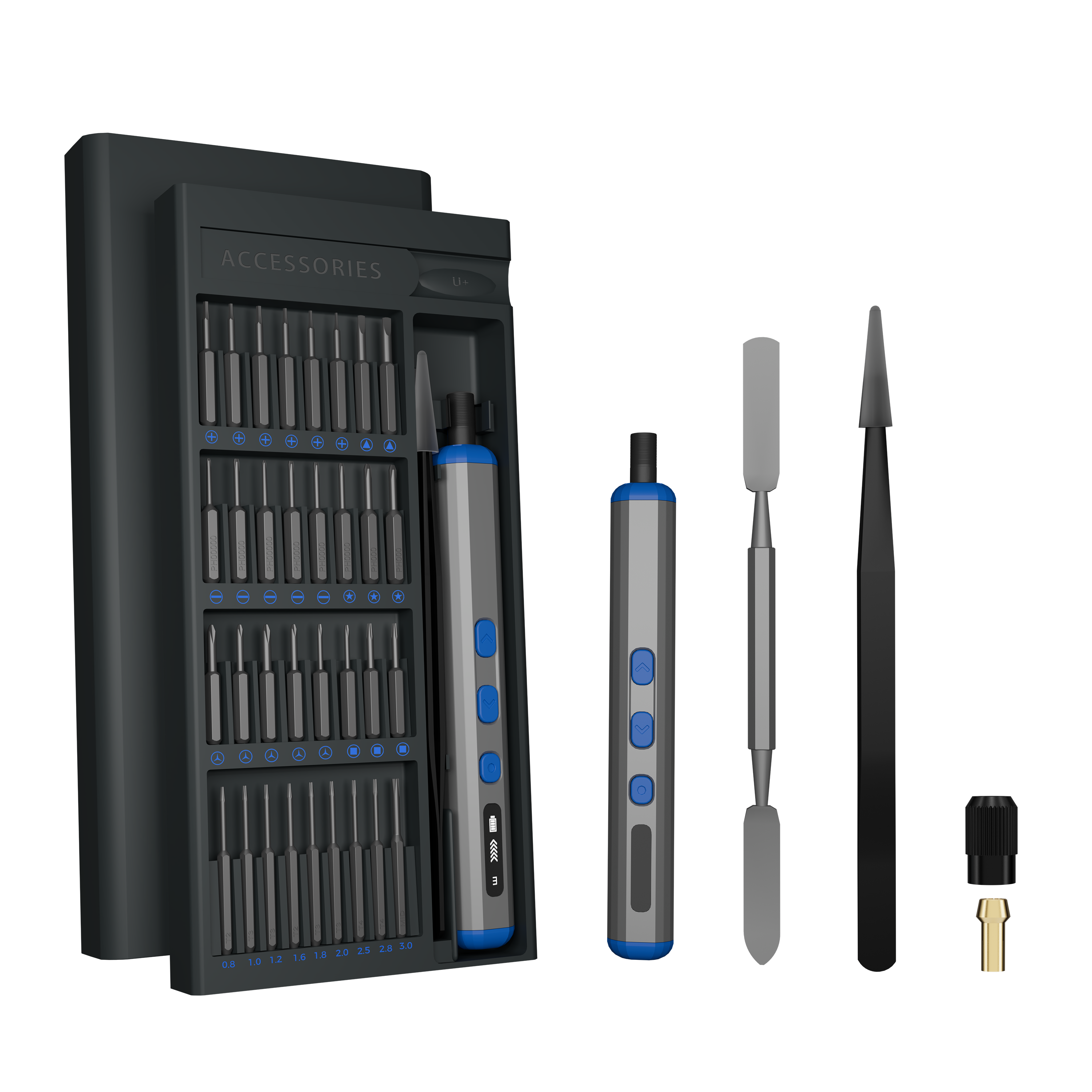
Smartphone repair has become an essential skill for both professional technicians and DIY enthusiasts, but success largely depends on using the right tools correctly. Many repair attempts fail not because of lack of skill, but due to common mistakes made when using smartphone repair screwdrivers. Understanding these pitfalls and learning proper techniques can mean the difference between a successful repair and permanent device damage. Whether you're replacing a cracked screen, swapping a battery, or fixing internal components, avoiding these critical errors will significantly improve your repair outcomes and protect valuable devices from unnecessary harm.
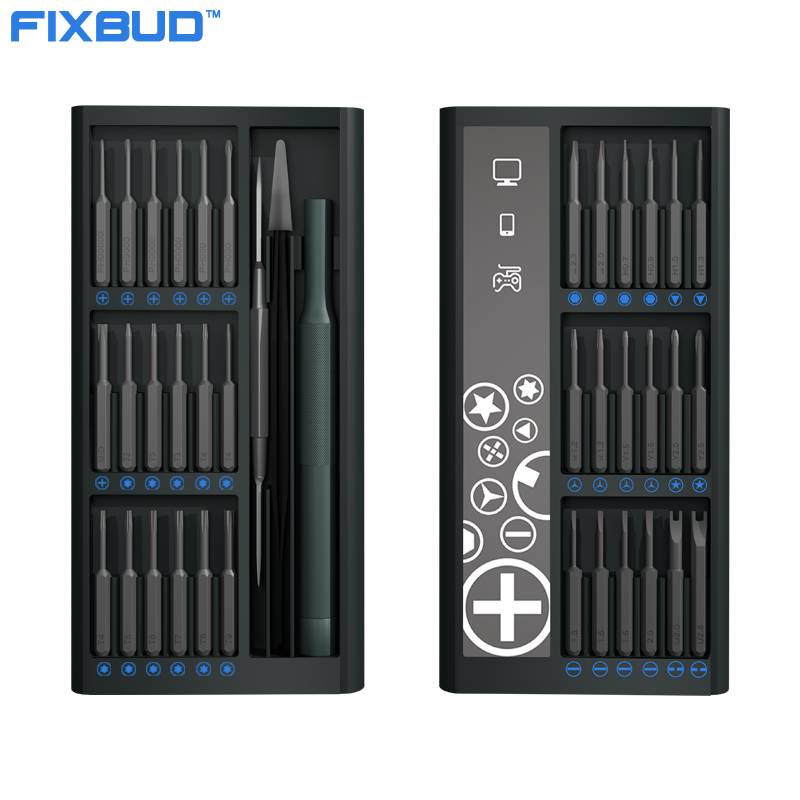
Choosing the Wrong Screwdriver Size
Understanding Screw Head Variations
One of the most frequent mistakes when working with smartphone repair screwdrivers involves selecting incorrect bit sizes for specific screw types. Modern smartphones utilize various proprietary screws including Pentalobe, Tri-point, Phillips, and Torx variants, each requiring precise matching between screwdriver bit and screw head dimensions. Using an incorrectly sized bit can strip screw heads, making removal nearly impossible and potentially requiring expensive professional intervention. The tolerance between smartphone repair screwdrivers and screw heads is extremely tight, often measured in fractions of millimeters.
Professional repair technicians emphasize the importance of proper identification before attempting any screw removal. iPhone models commonly use P2 and P5 Pentalobe screws, while Samsung devices often feature Phillips #00 screws alongside specialized Torx variants. Android manufacturers frequently implement their own screw standards, making universal smartphone repair screwdrivers sets essential for comprehensive repair capabilities. Taking time to examine screw heads under magnification prevents costly mistakes and ensures successful disassembly procedures.
Preventing Screw Head Stripping
Screw head stripping represents one of the most devastating mistakes when using smartphone repair screwdrivers, often rendering devices unrepairable through conventional methods. This damage occurs when excessive force is applied with mismatched tools, or when worn screwdriver bits are used beyond their effective lifespan. Quality smartphone repair screwdrivers feature precisely machined tips that maintain their shape under normal use, but even premium tools require eventual replacement to maintain effectiveness.
Prevention strategies include regular inspection of screwdriver tips for wear signs, applying appropriate downward pressure while turning, and immediately stopping if resistance feels abnormal. Many repair failures result from rushed procedures where technicians force stuck screws rather than addressing underlying issues. Smartphone repair screwdrivers should engage screw heads fully before applying rotational force, and any slipping sensation indicates potential size mismatch or bit wear requiring immediate attention.
Improper Torque Application Techniques
Understanding Smartphone Screw Torque Requirements
Applying incorrect torque represents another critical mistake when using smartphone repair screwdrivers, as mobile device screws require precise force application to function properly. Over-tightening can crack fragile circuit boards, strip internal threads, or create stress fractures in plastic housings. Under-tightening allows components to shift during use, potentially causing intermittent connection failures or complete component separation. Professional smartphone repair screwdrivers often include torque-limiting features to prevent these issues, but understanding proper technique remains essential.
Modern smartphones utilize screws with torque specifications typically ranging from 0.1 to 2.0 Nm, depending on component location and function. Display assembly screws generally require lighter torque than structural screws, while battery connector screws need moderate tightening to ensure reliable electrical contact. Smartphone repair screwdrivers with built-in torque control help maintain consistency across multiple repairs, but developing tactile sensitivity for appropriate tightness takes practice and experience.
Recognizing Over-Tightening Warning Signs
Over-tightening screws with smartphone repair screwdrivers creates several identifiable warning signs that experienced technicians learn to recognize immediately. Excessive resistance during final turns, creaking sounds from plastic components, or visible flexing of circuit boards all indicate dangerous torque levels. Quality smartphone repair procedures require stopping immediately when these signs appear, as continued tightening can cause irreversible damage to expensive components.
Circuit board damage from over-tightened screws often manifests as cracked solder joints, damaged trace connections, or warped board sections that affect component alignment. These issues may not become apparent until device reassembly and testing, making prevention crucial for successful repairs. Smartphone repair screwdrivers should be used with steady, controlled movements rather than rapid spinning motions that make torque control difficult to maintain throughout the tightening process.
Inadequate Magnetic Control and Organization
Managing Screw Magnetization Properly
Magnetic smartphone repair screwdrivers offer significant advantages for handling tiny screws, but improper magnetic control creates serious risks for sensitive electronic components. Excessive magnetization can damage hard drives, corrupt memory cards, or interfere with compass calibration systems built into modern devices. Understanding appropriate magnetic strength and knowing when to demagnetize tools prevents these issues while maintaining the convenience of magnetic screw handling.
Professional-grade smartphone repair screwdrivers feature controlled magnetization that provides sufficient holding force without creating dangerous field strengths. However, aftermarket magnetic bits or over-magnetized tools can generate fields strong enough to affect nearby components during repair procedures. smartphone repair screwdrivers should be tested periodically with a gauss meter to ensure magnetic field strength remains within safe parameters for electronic device repair work.
Implementing Effective Screw Organization Systems
Poor screw organization during disassembly creates numerous problems during reassembly, often leading to missing fasteners or incorrect screw placement that can damage device functionality. Smartphone repair screwdrivers make screw removal easy, but without proper organization systems, technicians frequently lose track of which screws belong in specific locations. Different length screws installed in wrong positions can pierce internal components or fail to provide adequate securing force.
Effective organization involves photographing screw locations before removal, using magnetic mats with clearly marked sections, or employing specialized screw organizing trays designed for smartphone repair work. Quality smartphone repair screwdrivers enable precise screw removal, but success depends equally on systematic organization that ensures every fastener returns to its original position. Professional repair shops implement standardized organization procedures that prevent costly mistakes and reduce repair time significantly.
Temperature and Environmental Considerations
Managing Heat-Affected Component Access
Temperature considerations significantly impact smartphone repair screwdrivers effectiveness and safety during repair procedures involving heated components. Many modern repairs require heat application to soften adhesives, but elevated temperatures affect both tool performance and component vulnerability. Smartphone repair screwdrivers can become uncomfortably hot when working near heated areas, affecting grip stability and precision control during critical disassembly steps.
Heat also affects screw thread engagement and torque requirements, as thermal expansion changes dimensional relationships between screws and threaded holes. Smartphone repair screwdrivers may require adjusted technique when working with warm components, as thermal effects can make screws feel looser or tighter than normal. Professional repair procedures account for temperature effects by allowing components to cool before final screw installation, ensuring proper fit and torque application.
Controlling Static Electricity During Repairs
Static electricity poses significant risks during smartphone repair procedures, and smartphone repair screwdrivers can accumulate dangerous charges that damage sensitive electronic components. Dry environments increase static buildup, while synthetic clothing and non-conductive work surfaces exacerbate the problem. Proper grounding procedures and anti-static smartphone repair screwdrivers help prevent electrostatic discharge damage that can destroy expensive circuit boards or processing chips.
Professional repair environments implement comprehensive static control measures including grounded work surfaces, anti-static wrist straps, and humidity control systems. Smartphone repair screwdrivers with anti-static coatings or conductive handles provide additional protection, but complete static control requires systematic environmental management. Regular testing of static control measures ensures continued effectiveness throughout extended repair sessions where static buildup naturally accumulates over time.
Tool Maintenance and Quality Issues
Recognizing Wear Patterns and Replacement Needs
Smartphone repair screwdrivers experience gradual wear that affects performance long before obvious damage becomes visible, making regular inspection essential for maintaining repair quality. Bit tips gradually round off through normal use, reducing their ability to engage screw heads properly and increasing stripping risk. Quality smartphone repair screwdrivers maintain their precision longer than cheap alternatives, but all tools eventually require replacement to ensure continued effectiveness.
Professional technicians inspect smartphone repair screwdrivers regularly for signs including tip rounding, surface scratches that affect screw engagement, or handle looseness that reduces control precision. Microscopic examination reveals wear patterns invisible to naked eye inspection, allowing proactive replacement before tool failure causes repair damage. Smartphone repair screwdrivers showing any engagement issues should be removed from service immediately to prevent costly component damage during subsequent repairs.
Selecting Quality Tools for Long-Term Use
Investment in quality smartphone repair screwdrivers pays significant dividends through improved repair success rates and reduced tool replacement costs over time. Premium tools feature harder steel alloys, more precise manufacturing tolerances, and better handle designs that improve control during delicate procedures. Cheap smartphone repair screwdrivers often fail at critical moments, potentially causing expensive device damage that far exceeds the cost difference between quality and budget tools.
Quality indicators include hardened steel construction, precise tip geometry, comfortable handle ergonomics, and comprehensive bit selection covering all common smartphone screw types. Professional smartphone repair screwdrivers typically include lifetime warranties or replacement guarantees that demonstrate manufacturer confidence in their products. Investing in quality tools from reputable manufacturers ensures consistent performance and reduces the likelihood of tool-related repair failures that damage customer devices.
FAQ
What size smartphone repair screwdrivers do I need for iPhone repairs
iPhone repairs typically require P2 and P5 Pentalobe screwdrivers for external screws, plus Phillips #000 and #00 for internal components. Newer iPhone models may also use Tri-point Y000 screws for certain internal connections. A comprehensive smartphone repair screwdrivers set should include all these sizes plus Torx T3 and T5 bits for complete iPhone repair capability across all model generations.
How do I know if my smartphone repair screwdrivers are too worn to use safely
Worn smartphone repair screwdrivers show several warning signs including rounded bit tips, difficulty engaging screw heads properly, slipping during use, or visible scratches on the bit surface. If screws feel harder to turn than normal or you notice any slipping sensation, the bits should be replaced immediately. Professional repair shops inspect screwdriver tips under magnification weekly to catch wear before it causes screw stripping or component damage.
Can magnetic smartphone repair screwdrivers damage my phone during repairs
Properly designed magnetic smartphone repair screwdrivers use controlled magnetization that won't damage modern smartphones when used correctly. However, overly strong magnets or magnetized tools placed near sensitive components like hard drives, memory cards, or compass sensors can cause problems. Keep magnetic smartphone repair screwdrivers away from these components and consider demagnetizing tools if you notice any device functionality issues after repair.
What torque should I apply when tightening smartphone screws
Smartphone screws typically require 0.1 to 2.0 Nm of torque depending on their location and function, but most repairs use finger-tight plus slight additional pressure rather than specific torque measurements. The screw should feel snug without requiring excessive force to tighten. Quality smartphone repair screwdrivers with torque limiting features help prevent over-tightening, but developing proper tactile sensitivity through practice is equally important for consistent results.