 EN

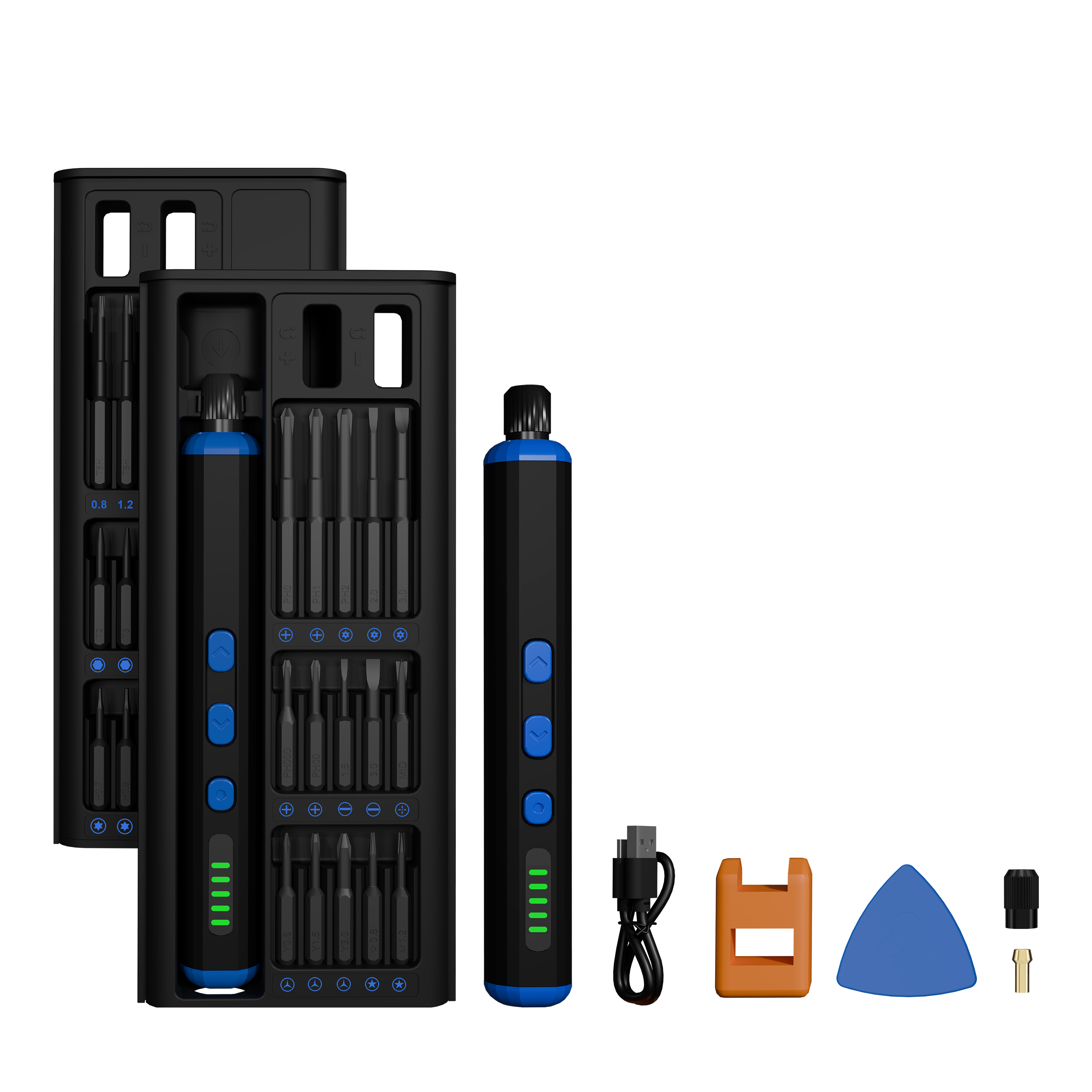
Working with a bulk screwdrivers supplier can unlock significant cost advantages for businesses operating in manufacturing, maintenance, retail distribution, and facility management. However, the challenge that procurement managers consistently face is not the pricing negotiation or the logistics — it is maintaining consistent product quality across every single order. When you are purchasing screwdrivers by the hundreds or thousands, even a small defect rate can translate into operational disruptions, warranty claims, and damaged client relationships. Understanding how to protect your quality standards before, during, and after each order cycle is what separates a smart procurement strategy from an expensive mistake.
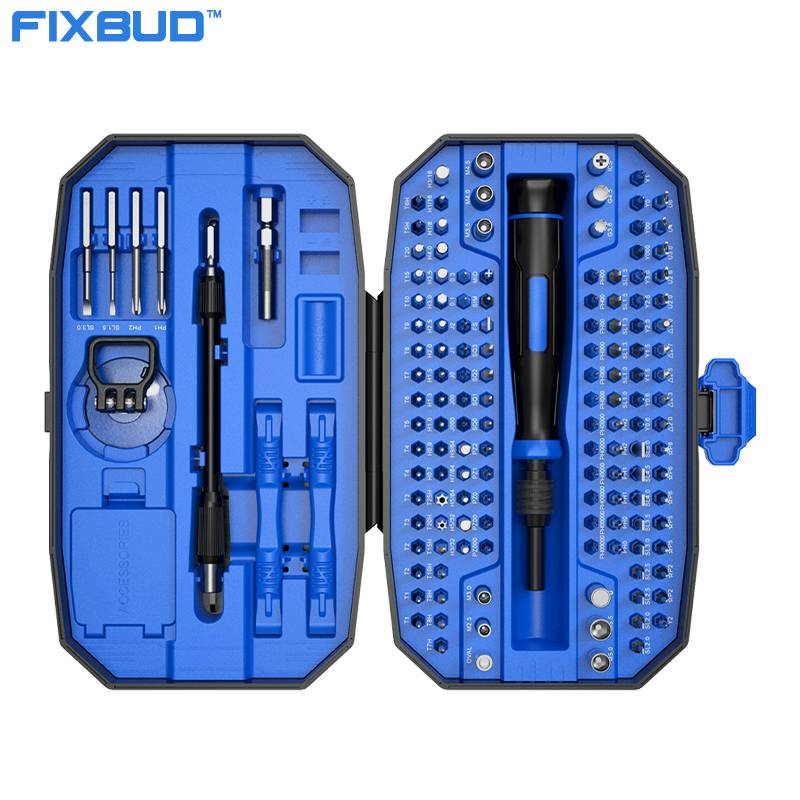
This guide is designed to help businesses establish and enforce quality assurance frameworks when engaging a bulk screwdrivers supplier at any scale. Whether you are placing your first large order or renegotiating an existing supply contract, the principles covered here apply across industry segments and product categories. The goal is to move from reactive quality management — catching problems after delivery — to proactive quality control that prevents defects from entering your supply chain in the first place. When applied consistently, these strategies allow businesses to build long-term supplier relationships built on transparency, measurable standards, and mutual accountability.
Understanding What Quality Consistency Actually Means in Bulk Orders
Defining Quality Benchmarks Beyond Surface Appearance
Many buyers make the mistake of equating quality with visual appearance alone. When evaluating a bulk screwdrivers supplier, surface finish and chrome plating may look flawless on inspection samples, yet the underlying material hardness, tip geometry, and torque tolerance can vary wildly between production batches. Consistent quality means that every unit delivered across every order conforms to the same measurable technical parameters, not just the same visual impression. Establishing a precise quality benchmark starts with defining what matters most to your end-use application.
For precision electronics applications, blade tip accuracy and anti-static properties may be paramount. For heavy maintenance environments, handle ergonomics and shaft durability under repeated torque loads are critical. A reliable bulk screwdrivers supplier should be willing to discuss and document these parameters before any purchase order is finalized. If a supplier resists technical specification discussions, that itself is a warning signal about their quality management maturity. Your benchmark document should cover material grade, hardness rating, handle compound, tip tolerance, and finish standard at a minimum.
Define acceptable dimensional tolerances and unacceptable defects with your bulk screwdrivers supplier. Written limits help distinguish normal variation from batch-wide quality problems and establish a clear basis for dispute resolution.
Batch-to-Batch Consistency as the True Measure of Supplier Reliability
One successful shipment does not establish consistent quality. Check whether production occurs in-house or through subcontractors, and evaluate whether the supplier can reproduce approved standards across repeat orders.
In-house production can simplify control over materials, processing, and inspections, while subcontracting introduces additional quality risks. Request details of the manufacturing chain, subcontractor oversight procedures, and audit access if needed.
Tracking quality metrics across multiple orders — including defect rates, dimensional deviations, and customer return data — gives you an empirical picture of your supplier's actual consistency level. This data should feed directly into supplier performance reviews conducted on a quarterly or bi-annual basis. The pattern you observe over time is far more informative than any individual inspection result and should guide decisions about order size, dual-sourcing strategies, and contract renewal terms.
Pre-Order Quality Frameworks That Protect Every Purchase
Creating a Detailed Product Specification Sheet
Before a large order, create a written specification covering tip type and tolerance, handle material, shaft dimensions, finish, labeling, and applicable certifications. Use it as the reference for inspections and acceptance.
Have both parties approve the specification sheet and reference its version in each purchase order. This reduces ambiguity and prevents suppliers from relying on standard settings that may not meet your requirements.
Update specifications whenever applications or product variants change. Maintain version-controlled documents so purchase orders and inspections reference the latest approved requirements.
Pre-Production Samples and Approval Protocols
Request pre-production samples for new products or major order increases. Verify them against specifications before mass production, and approve a reference sample in writing for subsequent inspections.
Test samples rather than relying on appearance. Check torque engagement, handle impact resistance, coating adhesion, and dimensions with calibrated instruments. Independent laboratories can assist when internal testing is unavailable.
Avoid specially prepared 'golden samples' that may not reflect production quality. Request randomly selected samples from an actual trial run and compare them with later shipments.
In-Production and Pre-Shipment Quality Inspection Strategies
The Role of Third-Party Inspections in Large Orders
For high-value orders, consider independent pre-shipment inspections rather than relying solely on factory quality control. Inspectors can sample completed, packed goods to assess compliance before dispatch.
Use an agreed sampling plan, such as AQL, to document defect categories, counts, and severity. Inspection findings help determine whether to accept, reject, or hold a shipment. Include inspection costs in procurement budgets.
Set expectations for third-party inspections at the beginning of the supplier relationship. Confirm inspection access and procedures in writing, and investigate reluctance to permit independent checks.
Developing Ongoing Quality Scorecards for Supplier Accountability
Monitor each order using a supplier scorecard covering specification compliance, defects per thousand units, nonconformities, and corrective-action response times. Consistent measurement provides a clearer view than occasional audits.
Review scorecards with suppliers regularly, such as quarterly for high-volume orders. Use the results to identify recurring problems, agree on improvements, and guide future order allocations.
Keep scorecards and inspection records as evidence for contractual remedies or supplier changes. Objective performance history helps procurement teams justify decisions and maintain continuity.
Building Long-Term Quality Assurance Into Your Supplier Relationships
Contractual Quality Clauses That Protect Your Business
Include quality specifications, inspection rights, nonconformance reporting, corrective actions, and remedies in the supply contract. Remedies may include replacements, rework, or agreed price reductions.
Specify deadlines for acknowledging defects and submitting corrective-action plans. For example, negotiate a 48-hour acknowledgment and a seven-business-day action plan so problems receive timely attention.
Write buyer and third-party audit rights into the agreement. Agreed access makes quality checks easier to arrange and reduces disputes when problems arise.
Diversifying Supply Sources While Maintaining Quality Standards
Depending entirely on one supplier exposes buyers to disruptions and quality failures. Qualifying a second supplier provides backup capacity and a comparison point for quality performance.
Apply the same specifications and inspection methods to both suppliers. Compare results objectively and adjust purchasing volumes based on demonstrated quality and reliability.
Transfer volume gradually after qualifying the receiving supplier. Require the same specification review, sample approval, and inspection process used for the original source, even during urgent shortages.
FAQ
How do I verify that a bulk screwdrivers supplier maintains consistent manufacturing quality across multiple orders?
The most reliable approach is to combine pre-production sample approvals, third-party pre-shipment inspections, and a formal supplier quality scorecard that tracks defect rates and on-specification delivery rates across every order. Reviewing this performance data over multiple order cycles gives you an empirical basis for assessing true batch-to-batch consistency rather than relying on a single inspection result or supplier assurances alone.
What should be included in a product specification sheet for a bulk screwdrivers supplier?
A comprehensive specification sheet should cover blade tip type and dimensional tolerance, handle material and compound, shaft material and hardness rating, surface finish standard, overall length, marking and labeling requirements, and any applicable safety or compliance certifications. Both parties should co-sign the document, and it should be referenced directly in every purchase order to create clear contractual accountability for quality conformance.
Is it worth investing in third-party inspections for bulk screwdriver orders?
Yes, particularly for large-value or high-volume orders. The cost of a third-party pre-shipment inspection is typically a small fraction of the total order value, while the cost of receiving a non-conforming shipment — including rework, returns, and downstream disruptions — can be substantial. Third-party inspections using AQL sampling protocols provide statistically valid, independent confirmation that the goods you are receiving meet your specifications before shipment is released.
How can I protect my business if a bulk screwdrivers supplier delivers goods that do not meet specifications?
Protection begins with well-drafted contractual quality clauses that define acceptable quality levels, the non-conformance reporting process, response timelines, and available remedies such as replacement, rework, or price adjustment. Maintaining documented evidence — including approved samples, signed specification sheets, inspection reports, and written communications — creates the paper trail needed to enforce these contractual protections effectively if a quality dispute escalates.
Table of Contents
- Understanding What Quality Consistency Actually Means in Bulk Orders
- Pre-Order Quality Frameworks That Protect Every Purchase
- In-Production and Pre-Shipment Quality Inspection Strategies
- Building Long-Term Quality Assurance Into Your Supplier Relationships
-
FAQ
- How do I verify that a bulk screwdrivers supplier maintains consistent manufacturing quality across multiple orders?
- What should be included in a product specification sheet for a bulk screwdrivers supplier?
- Is it worth investing in third-party inspections for bulk screwdriver orders?
- How can I protect my business if a bulk screwdrivers supplier delivers goods that do not meet specifications?