 EN
EN

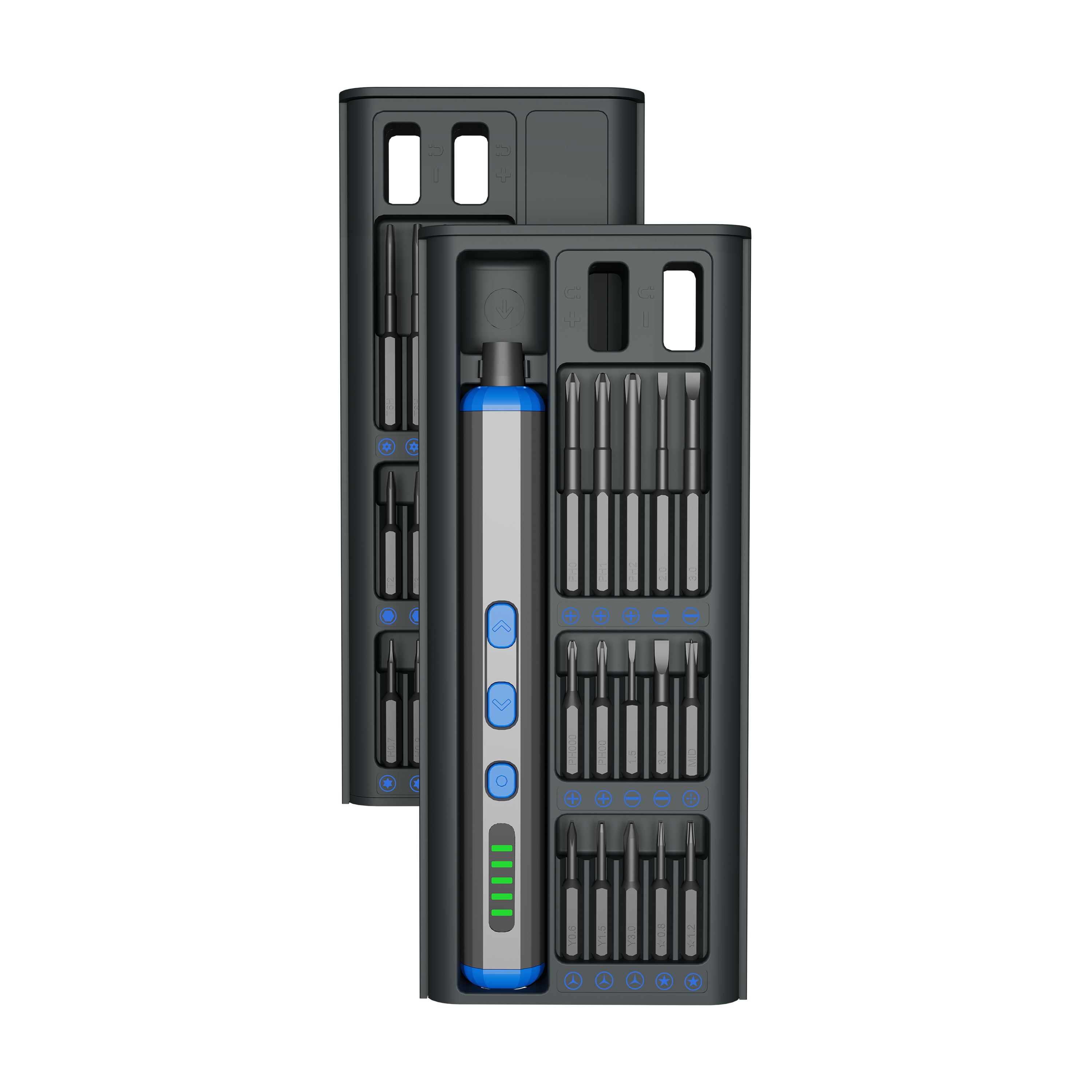
Choosing the right electric precision screwdriver supplier is one of the most consequential sourcing decisions an electronics manufacturer can make. Unlike general-purpose fastening tools, precision screwdrivers designed for electronics assembly must deliver consistent torque control, fine-tip accuracy, and ergonomic reliability across thousands of daily operations. A poor supplier choice can introduce assembly defects, increase rework rates, and ultimately drive up production costs in ways that are difficult to trace back to their root cause.
This guide is designed specifically for procurement managers, production engineers, and sourcing teams working in the electronics manufacturing sector. Whether you are outfitting a new assembly line, upgrading your current tooling inventory, or consolidating your vendor base, understanding what separates a capable electric precision screwdriver supplier from a mediocre one will save your organization both time and money. This article walks through key evaluation criteria, product specifications to prioritize, and practical sourcing strategies tailored to the demands of electronics production environments.
Why Supplier Selection Matters for Electronics Assembly
The Impact of Tooling Quality on Production Outcomes
In electronics manufacturing, the margin for error is extremely narrow. Components such as PCBs, connectors, camera modules, and battery assemblies often require screws torqued to specifications measured in millinewton-meters. When the tooling used to fasten these screws is inconsistent, the consequences range from stripped threads and cracked housings to latent failures that only appear after the product reaches the end customer.
A qualified electric precision screwdriver supplier understands these stakes and reflects that understanding in the design and calibration of their products. Tools sourced from suppliers with deep experience in electronics applications will typically feature precise torque-limiting clutches, stable RPM control, and slim ergonomic profiles that allow operators to work accurately even in tight mechanical spaces.
The difference between a general-purpose tool and one designed specifically for precision electronics work is not always visible to the naked eye, but it becomes apparent the moment a technician attempts a delicate fastening task. Supplier expertise is embedded in those design details, and procurement teams must know how to evaluate them.
Supply Chain Reliability and Long-Term Partnership Value
Beyond the technical specifications of the tools themselves, an electric precision screwdriver supplier must demonstrate supply chain reliability. Electronics manufacturers operate on tight production schedules, and tooling downtime or delayed replenishments can stall assembly lines in ways that quickly become expensive. Suppliers that maintain adequate inventory buffers, offer predictable lead times, and have transparent communication practices are far more valuable long-term partners than those competing solely on unit price.
When evaluating a potential supplier, it is worth asking detailed questions about their inventory management, order fulfillment capabilities, and their track record with manufacturers in comparable production environments. A reliable electric precision screwdriver supplier should be able to provide reference cases or performance data that speaks directly to their logistics competence.
Long-term partnerships with the right supplier also open doors to customization, volume pricing, and collaborative product development — all of which deliver competitive advantages that cannot be obtained from transactional purchasing relationships.
Key Product Specifications Electronics Manufacturers Should Prioritize
Torque Range and Clutch Precision
Among all the technical attributes of an electric precision screwdriver, torque control is arguably the most critical for electronics applications. Products designed for consumer electronics, wearable devices, and compact circuit assemblies typically require torque values below 5 Newton-centimeters. A capable electric precision screwdriver supplier should offer tools with clearly defined and repeatable torque ranges, supported by testing documentation or calibration certificates.
Clutch precision determines whether the tool reliably disengages at the target torque or overshoots it. An overshooting clutch can damage delicate fasteners or strip plastic standoffs, while an inconsistent clutch introduces variability that compromises quality control data. When reviewing supplier catalogs, look for specifications that define clutch accuracy as a percentage of the target torque setting, and request sample tools for hands-on evaluation in your production environment.
Battery-powered and USB-rechargeable electric precision screwdrivers have become increasingly common in electronics assembly workstations because they allow operators to move freely across workbenches without cable management concerns. A good electric precision screwdriver supplier should provide options across both corded and cordless platforms to suit different production setups.
Bit Compatibility and Kit Comprehensiveness
Electronics manufacturing involves a remarkable diversity of fastener types. Phillips, Torx, pentalobe, tri-wing, and hex configurations all appear regularly depending on the product category being assembled. A comprehensive electric precision screwdriver kit that bundles multiple bit types alongside the driver body dramatically improves workstation efficiency and reduces the need to manage multiple tool SKUs.
When assessing an electric precision screwdriver supplier, evaluate the range and quality of the bits included in their standard kits. Bits should be manufactured from hardened steel alloys that resist cam-out and maintain dimensional accuracy over extended use cycles. Suppliers that cut costs on bit material quality are ultimately costing their customers more in replacement frequency and rework incidents.
Modular bit systems that allow quick interchangeability without requiring tool reset or recalibration are particularly valuable on production lines where operators rotate between different assembly tasks. A well-designed kit from a competent electric precision screwdriver supplier will anticipate these workflow needs and engineer solutions accordingly.
Evaluating an Electric Precision Screwdriver Supplier Before Committing
Certification, Quality Management, and Testing Standards
Electronics manufacturers routinely operate under quality management frameworks such as ISO 9001 and industry-specific standards relevant to their end markets. It is entirely reasonable — and professionally responsible — to require that your electric precision screwdriver supplier operate under documented quality management systems and be able to provide traceability documentation for their tooling.
Relevant certifications may include CE marking for European market compliance, FCC compliance for electromagnetic interference considerations in sensitive electronics environments, and RoHS compliance confirming that tool materials do not introduce hazardous substances into your production areas. Reputable suppliers will have these certifications readily available and will be transparent about the scope of each certification.
Beyond formal certifications, ask the supplier about their internal testing protocols. A credible electric precision screwdriver supplier should be able to describe how they validate torque accuracy, service life, and bit durability before products leave their facility. Suppliers that cannot articulate a clear quality assurance process are a risk regardless of their price positioning.
Minimum Order Quantities, Pricing Structures, and Sample Policies
Practical procurement considerations matter just as much as technical ones. An electric precision screwdriver supplier that imposes prohibitively high minimum order quantities may not be a viable partner for smaller electronics manufacturers or for pilot production runs where tooling needs are still being defined. Conversely, a supplier that cannot handle volume orders reliably is not suitable for large-scale production environments.
Pricing transparency is another important evaluation factor. Suppliers that offer tiered volume pricing with clear breakpoints demonstrate an understanding of how procurement teams budget and plan. Hidden charges for packaging, handling, or international shipping can erode the apparent cost advantages of a lower unit price, so it is worth developing a fully-loaded cost model before making final supplier decisions.
Request physical samples before placing any significant order. A trustworthy electric precision screwdriver supplier will support sample requests because they are confident in their product performance. Use samples to conduct real-world testing in your assembly environment, involving the operators who will use the tools daily, since ergonomic feedback from experienced technicians is invaluable in supplier selection.
Integrating New Tooling into Your Electronics Manufacturing Workflow
Operator Training and Ergonomic Adoption
Sourcing a new electric precision screwdriver from a qualified electric precision screwdriver supplier is only the first step. Successful integration into a production workflow requires thoughtful operator onboarding. Even intuitive tools benefit from structured introduction sessions where operators learn the specific torque settings, speed configurations, and handling practices appropriate for the products they are assembling.
Ergonomic considerations should not be underestimated. Assembly line operators who perform hundreds or thousands of fastening operations per shift are vulnerable to cumulative strain injuries when using poorly balanced or vibration-heavy tools. A premium electric precision screwdriver supplier will provide tools engineered to minimize operator fatigue, with balanced weight distribution, low-vibration motors, and grip surfaces designed for sustained comfort.
Documenting the torque settings and bit configurations used for each product family creates a repeatable standard that new operators can follow and quality auditors can verify. This documentation also supports root cause analysis if assembly defects emerge, helping teams determine whether tooling performance or operator technique is the contributing factor.
Maintenance, Calibration, and Tooling Lifecycle Management
Electric precision screwdrivers, like all precision tools, require periodic calibration and maintenance to sustain their performance specifications. A forward-thinking electric precision screwdriver supplier will provide guidance on recommended calibration intervals, replacement part availability, and service procedures that can be performed in-house or through an authorized service center.
Establishing a tooling lifecycle management program allows electronics manufacturers to track tool performance over time, schedule proactive maintenance before failures occur, and make data-driven decisions about when to replace rather than repair aging tools. Suppliers that support this kind of lifecycle thinking — through documentation, replacement part availability, and technical support — add substantial value beyond the initial sale.
The relationship with your electric precision screwdriver supplier should be ongoing rather than transactional. Suppliers who check in periodically, offer application support, and notify customers about product updates or technical service bulletins are partners in your production quality, not just vendors filling purchase orders.
FAQ
What should I look for when selecting an electric precision screwdriver supplier for high-volume electronics assembly?
For high-volume electronics assembly, prioritize an electric precision screwdriver supplier that offers documented torque accuracy, robust quality management certification, proven supply chain reliability, and volume pricing structures. Request references from comparable manufacturers and conduct hands-on sample testing before committing to a supply arrangement. Ergonomic design and calibration support are also critical for sustained high-volume production environments.
How important is bit quality when evaluating an electric precision screwdriver supplier?
Bit quality is highly important and is often underestimated. Inferior bits cam out more easily, lose dimensional accuracy faster, and can cause fastener damage that leads to rework and scrap. A credible electric precision screwdriver supplier should specify the steel alloy grade and hardness treatment used in their bits, and ideally provide service life data to support comparison with competing products.
Can a single electric precision screwdriver supplier meet the needs of multiple product lines with different fastener requirements?
Yes, provided the supplier offers comprehensive kit options and a wide range of compatible bits. An electric precision screwdriver supplier with a modular platform — where a single driver body accommodates dozens of interchangeable bit types — is well-suited to manufacturers assembling diverse product families. Evaluate the full range of available bit configurations and confirm that the driver's torque range spans all the fastening requirements across your product lines.
How do I verify that an electric precision screwdriver supplier's products meet the safety and compliance standards required in my region?
Request formal copies of all relevant certifications directly from the supplier, including CE, FCC, and RoHS documentation as applicable to your market. A legitimate electric precision screwdriver supplier will have these documents available and should be able to clarify the scope and validity of each. If your production environment has specific electromagnetic compatibility requirements due to sensitive components on your assembly line, raise this with the supplier explicitly during the qualification process.
Table of Contents
- Why Supplier Selection Matters for Electronics Assembly
- Key Product Specifications Electronics Manufacturers Should Prioritize
- Evaluating an Electric Precision Screwdriver Supplier Before Committing
- Integrating New Tooling into Your Electronics Manufacturing Workflow
-
FAQ
- What should I look for when selecting an electric precision screwdriver supplier for high-volume electronics assembly?
- How important is bit quality when evaluating an electric precision screwdriver supplier?
- Can a single electric precision screwdriver supplier meet the needs of multiple product lines with different fastener requirements?
- How do I verify that an electric precision screwdriver supplier's products meet the safety and compliance standards required in my region?