For bulk buyers, S2 steel is generally the better fit for powered tool sets and bits exposed to repeated torque, while CR-V steel is generally better suited to hand tools and manually operated sets that require a balanced combination of hardness, toughness, wear resistance, and stability.
The important point is that one material is not automatically better than the other. The right choice depends on how the tool will be used. A higher hardness number alone does not guarantee better performance. If steel is made too hard, it can become brittle. Buyers should therefore evaluate hardness together with toughness and torque-bearing performance.
Buying factor |
S2 alloy steel |
CR-V chrome vanadium steel |
Main alloying elements |
Silicon (Si) and manganese (Mn) |
Chromium (Cr) and vanadium (V) |
Typical hardness |
Approximately HRC 58-62; commonly around HRC 60 |
Approximately HRC 52-56 |
Key performance focus |
Very high torsional strength, impact resistance, wear resistance, and fatigue life |
Balanced hardness, toughness, wear resistance, fatigue resistance, and heat-treatment stability |
Typical operating condition |
Repeated torque and powered use |
Manual torque and high-impact hand-tool use |
Common applications |
Screwdriver bits, drill bits, and powered tool sets |
Manual wrenches, screwdrivers, and hand-operated tool sets |
Additional advantage |
Maintains relatively high strength at elevated temperatures |
Better corrosion resistance than ordinary carbon steel and less likely to deform after proper heat treatment |
Main buying consideration |
Verify that hardness and torque capacity are properly balanced |
Verify hardness consistency, toughness, and heat-treatment stability |
CR-V, or chrome vanadium steel, is a medium-carbon alloy steel containing chromium and vanadium. Its typical hardness is HRC 52-56.
Its main advantage is balanced performance. CR-V combines high hardness with good toughness, wear resistance, and fatigue resistance. It is suitable for tools that may experience high torque or impact during manual operation, including hand wrenches and screwdrivers.
CR-V also offers better corrosion resistance than ordinary carbon steel. After heat treatment, its performance is stable and the material is less likely to deform. These characteristics make CR-V a practical option for manually operated tool sets where buyers need dependable all-round performance rather than maximum hardness.
For a bulk purchasing program, CR-V is therefore a strong choice when the product line is mainly designed for:
--- Manual screwdriving
--- Hand-operated wrenching
--- Tool sets requiring balanced hardness and toughness
--- Applications in which heat-treatment stability matters
--- Buyers who need wear resistance and fatigue resistance in routine manual use
S2 is an alloy tool steel containing silicon and manganese. Its typical hardness is HRC 58-62, with many S2 tools specified at approximately HRC 60.
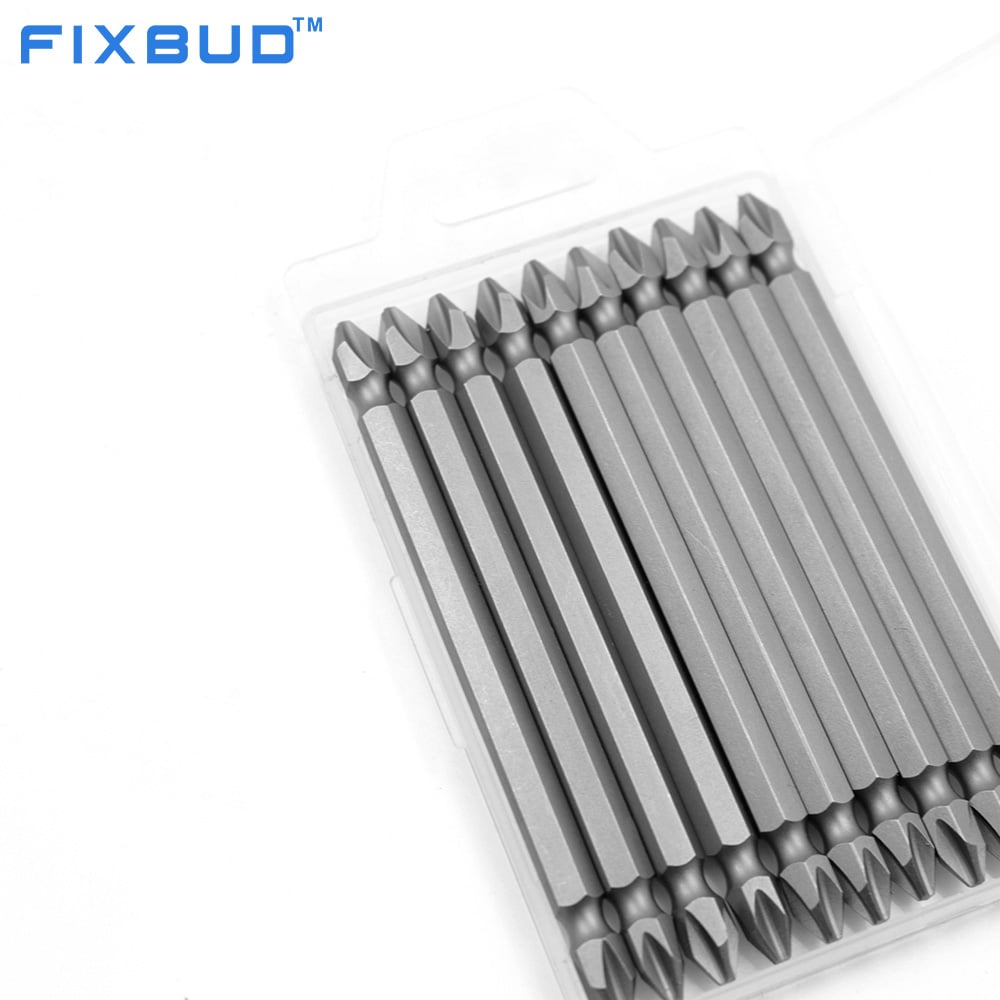
Compared with CR-V, S2 is designed around higher torsional strength. It also provides strong impact resistance, long wear life, and good fatigue performance. These properties make it particularly suitable for screwdriver bits, drill bits, and other tools that must withstand repeated twisting force.
S2 also maintains relatively high strength at elevated temperatures. In practical product selection, it is commonly used in powered tool sets, where bits repeatedly receive torque from an electric tool.
For bulk buyers, S2 is generally the more application-appropriate option when the assortment is intended for:
--- Electric or powered tool sets
--- Screwdriver bits exposed to repeated torque
--- Drill bits requiring high torsional strength
--- Applications where wear life and fatigue life are important
--- Working conditions that may generate higher operating temperatures
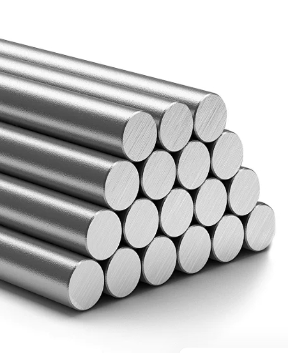
The hardness difference is easy to see: S2 is typically around HRC 60, while CR-V is normally HRC 52-56. However, this does not mean that S2 is always the better material or that the highest possible HRC value should be the purchasing target.
Hardness and toughness must be considered together. If hardness is pushed too high, the tool can become brittle. A brittle bit may look strong according to its hardness specification but perform poorly when exposed to real twisting or impact forces.
This is why a properly selected hardness range is more meaningful than the highest number available. Pushing hardness above the specified range may reduce practical performance because the tool becomes more likely to turn brittle and break under load.
The correct question is not: Which material has the higher HRC value?
The better question is: Does the specified hardness provide the right balance of wear resistance, toughness, and torque capacity for the intended application?
Toughness can be evaluated through torque performance. During tightening, the more torque a bit can withstand before failure, the better its practical ability to resist twisting force.
This makes torque an important purchasing reference, especially for bulk orders. Hardness indicates resistance to indentation and wear, but torque performance helps show whether the bit can withstand the force generated during actual use.
When comparing samples or supplier specifications, you should review two factors together:
--- HRC hardness: Is the material within the intended hardness range?
--- Torque capacity: Can the bit withstand the required twisting force without premature failure?
A bit with an appropriate HRC value and verified torque performance is more valuable than a bit marketed only with an unusually high hardness claim.
The most practical selection rule is to start with the operating method.
Choose S2 for powered and repeated-torque applications
S2 is usually the preferred material for electric tool sets. If you are sourcing screwdriver bits or drill bits for frequent powered use, S2 bits are generally the more suitable specification.
Choose CR-V for manual tool applications
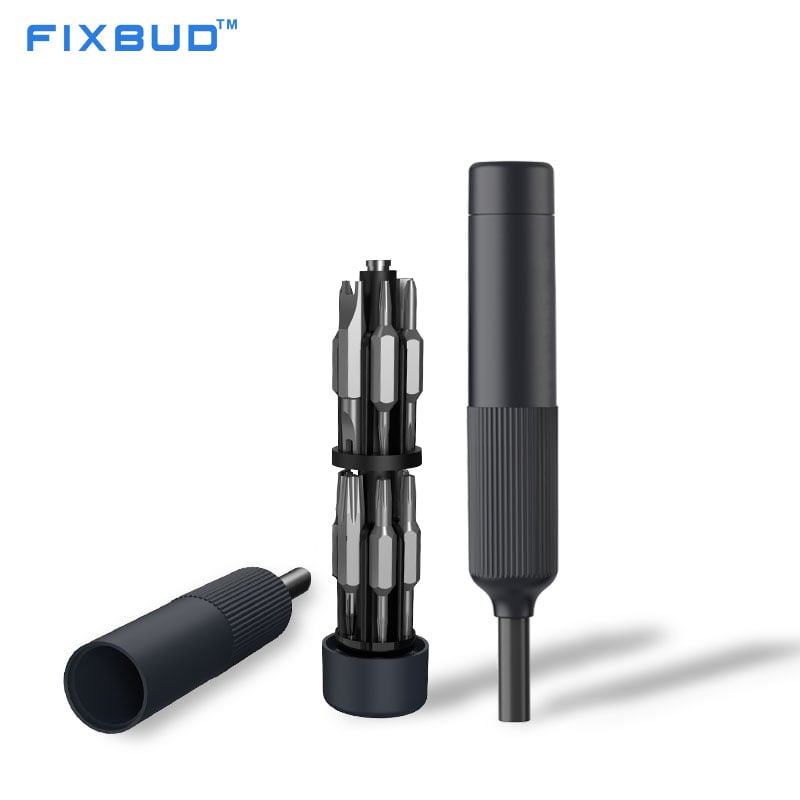
If the product is a manual screwdriver, hand wrench, or hand-operated tool set, CR-V bits are generally the more suitable material. Its HRC 52-56 hardness range, good toughness, wear resistance, fatigue resistance, and stable heat-treated performance provide a balanced solution for hand tools.
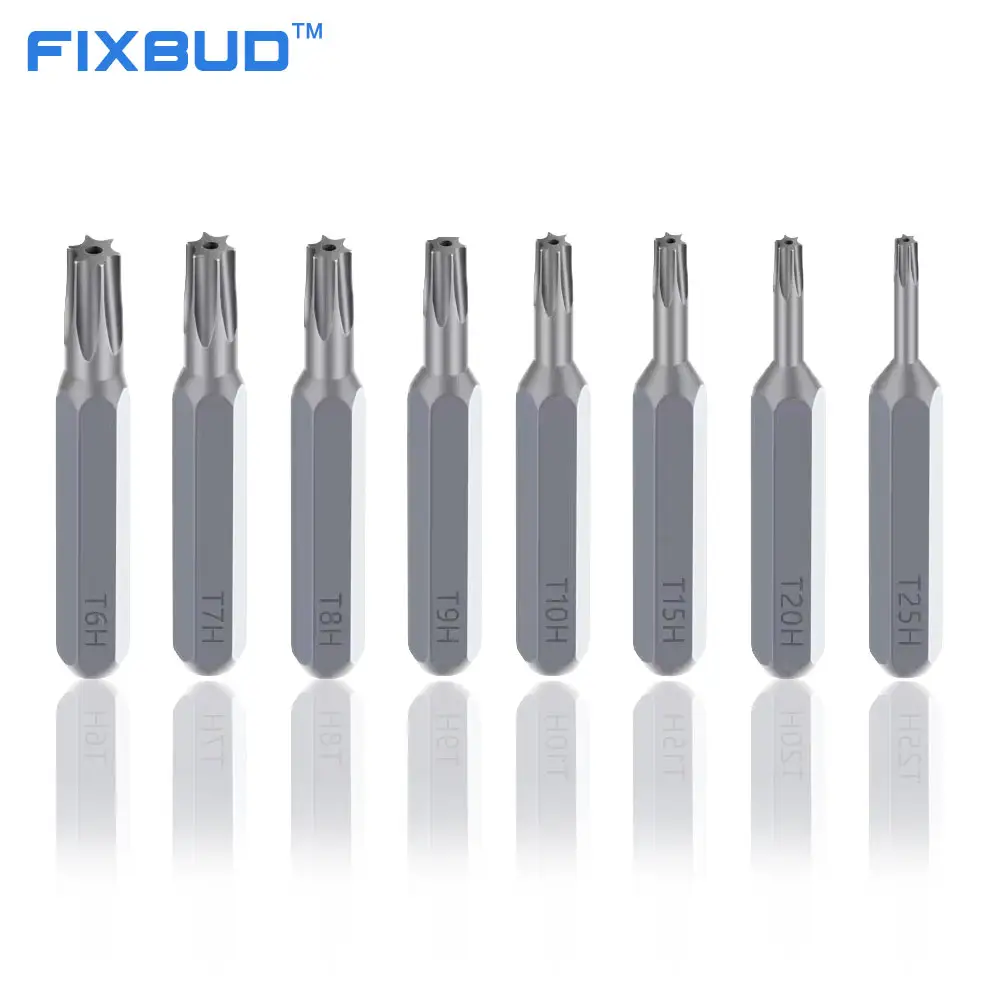
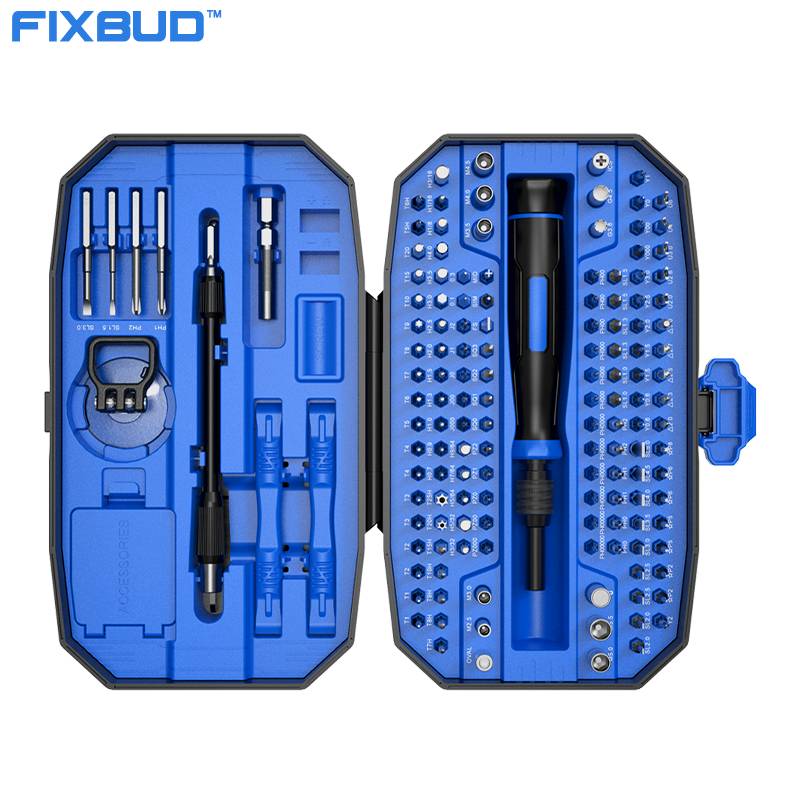
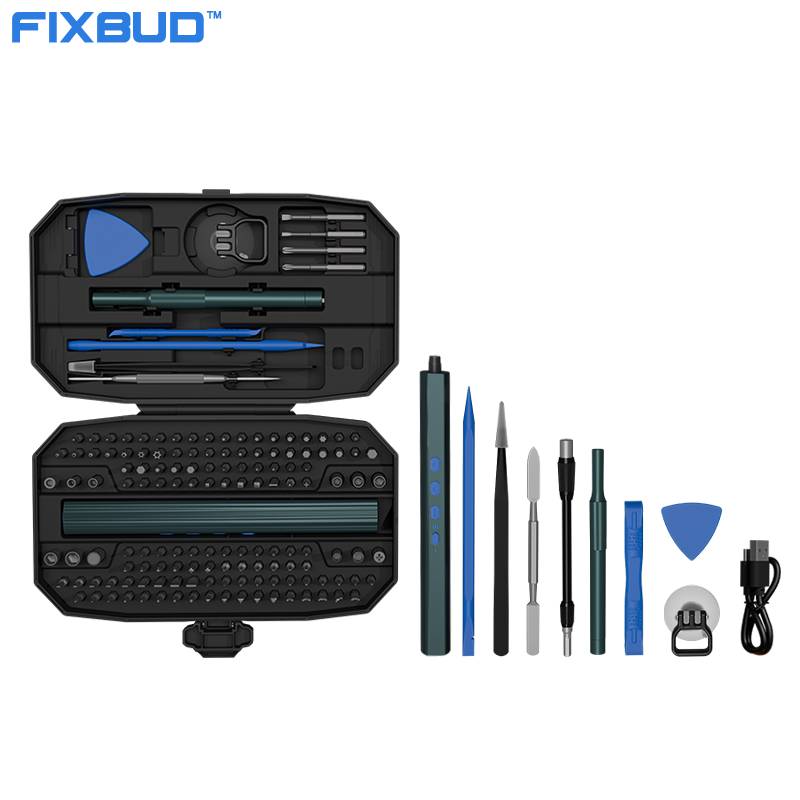
FIXBUD Precision Screwdriver Bits
Material names alone are not enough. Bulk buyers should confirm the required performance and production consistency before ordering.
Specify whether the bits are for manual use or powered tools. This helps determine the suitable material.
The right hardness range is more important than simply choosing higher hardness. Use HRC as the reference:
--- S2: approximately HRC 58-62
--- CR-V: approximately HRC 52-56
Check whether the bits can handle the required twisting force for the intended application. Hardness should not be considered alone.
Verify that heat treatment provides a practical balance between wear resistance and toughness.
Make sure mass production matches the approved sample in material, hardness, and torque performance. Consistent heat treatment is especially important for bulk orders.
At FIXBUD, we select bit materials based on the intended tool configuration and application rather than simply pursuing the highest possible hardness.
We commonly use S2 for our electric screwdriver sets, while CR-V is commonly used for manual screwdriver sets.
Need the right bit material for your next product line? Share your target application, screwdriver configuration, and market requirements with the FIXBUD team. We can help you evaluate the suitable material and develop the right configuration for your bulk or OEM/ODM project.
 Hot News
2026-09-14
2026-09-14
2026-09-11
2026-09-11
2026-09-11
2026-09-11

FIXBUD is a trusted screwdriver and tool set manufacturer in China with ISO9001, CE, UL certifications. Offering OEM/ODM services, high-quality tools, and complete procurement solutions for global partners. Request a custom quote today.
Room 402, Building B, Getailong Zhigu, Bulong Road, Bantian Street, Longgang District, Shenzhen, Guangdong Province, China
Copyright © 2026 EWIN ENTERPRISE LTD. All rights reserved. Privacy Policy
 EN
EN