 EN
EN

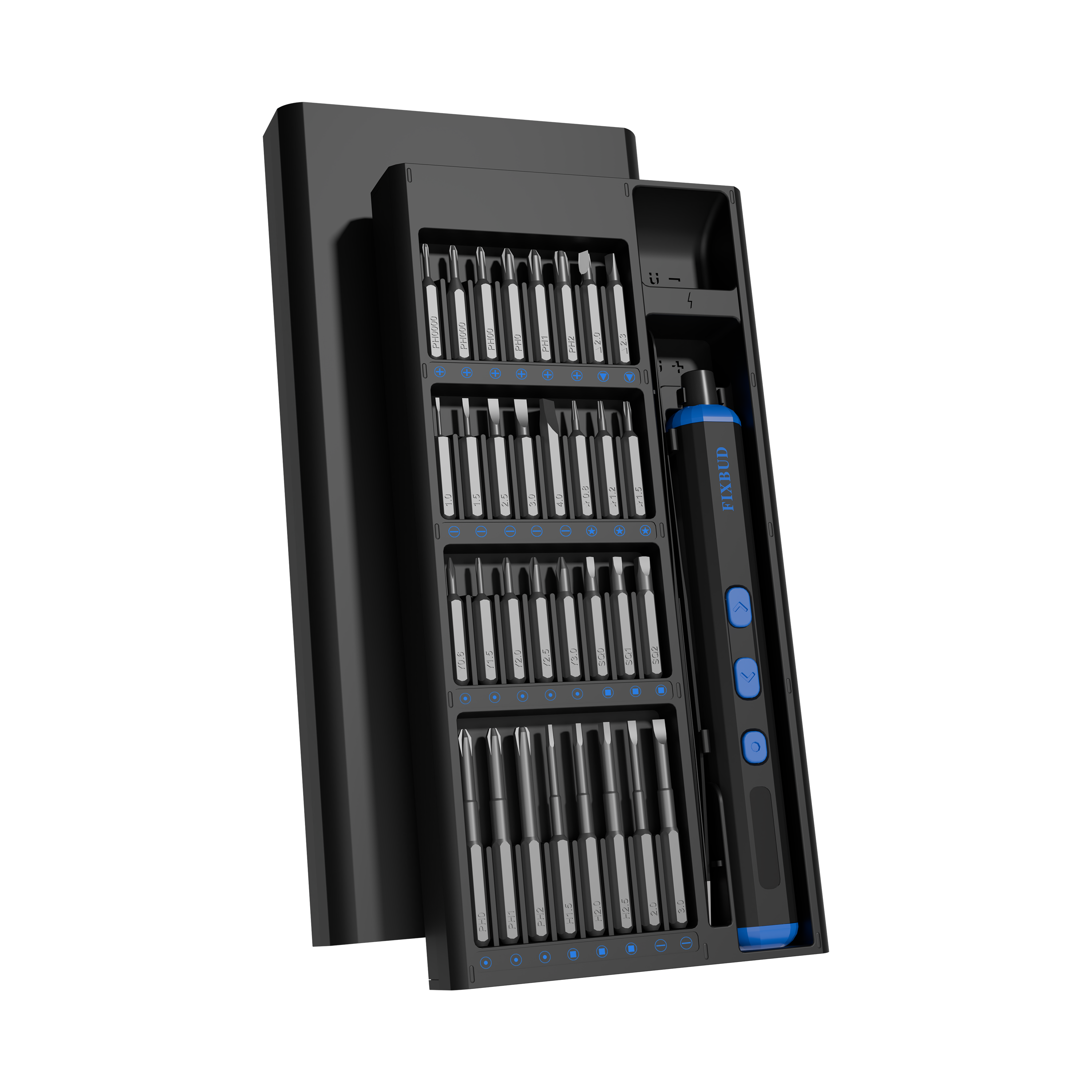
A competent repair screwdrivers manufacturer understands that material selection is the foundation of tool quality and customer satisfaction. The choice between Chrome Vanadium and S2 steel represents one of the most critical decisions in the design and production process. This distinction shapes not only the physical performance characteristics of each tool but also influences manufacturing costs, market positioning, and long-term brand reputation. For professionals and DIY enthusiasts alike, the material composition directly affects how a screwdriver performs under stress, resists wear, and maintains its integrity across thousands of fastening operations.
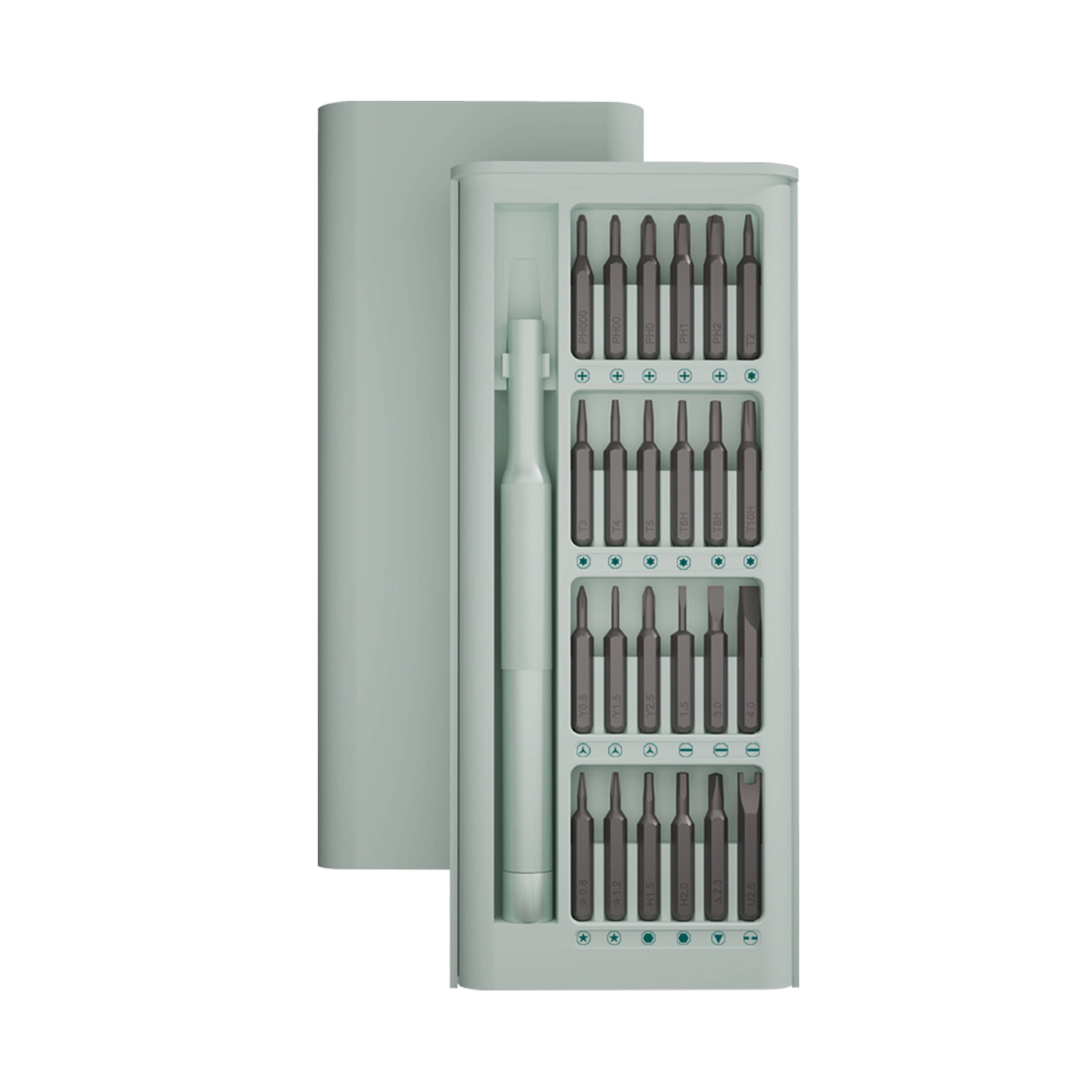
Every repair screwdrivers manufacturer must balance technical performance against production efficiency and profitability. Chrome Vanadium has dominated the industry for decades, while S2 steel has emerged as a premium alternative with distinct advantages. Understanding the engineering, cost, and application trade-offs between these materials allows a repair screwdrivers manufacturer to make informed decisions that align with target market demands and production capabilities.
Chrome Vanadium Steel in Tool Manufacturing
Composition and Historical Adoption
Chrome Vanadium steel combines chromium and vanadium elements with an iron base, creating a material that historically became the standard for a repair screwdrivers manufacturer seeking balanced performance. Chromium provides corrosion resistance and surface hardness, while vanadium enhances toughness and wear resistance. This combination made Chrome Vanadium the default choice for mid-range and professional-grade screwdrivers. A repair screwdrivers manufacturer utilizing Chrome Vanadium benefits from established manufacturing processes, predictable material behavior, and wide availability of raw materials from suppliers worldwide.
Performance Characteristics and Application Range
Chrome Vanadium steel offers reliable performance across general fastening tasks, making it suitable for the majority of repair and maintenance work. A repair screwdrivers manufacturer producing Chrome Vanadium tools can achieve good corrosion resistance through proper surface treatment and heat treatment processes. The material tolerates moderate impact and bending stress without permanent deformation, though it sacrifices ultimate tensile strength compared to newer alternatives. For a repair screwdrivers manufacturer targeting everyday consumers and general contractors, Chrome Vanadium remains a practical choice that delivers consistent results without premium pricing.
S2 Steel: The Performance Alternative
Material Composition and Superior Toughness
S2 steel, classified as a shock-resistant tool steel, contains silicon alongside iron and uses minimal chromium, prioritizing fracture resistance and impact absorption over surface hardness. A repair screwdrivers manufacturer adopting S2 steel gains a material engineered specifically for high-impact fastening environments where repeated stress or sudden shock loading occurs. The higher toughness rating means S2 steel screwdrivers resist breaking, chipping, and stress fractures under extreme conditions that would damage Chrome Vanadium alternatives. This makes S2 particularly attractive to a repair screwdrivers manufacturer serving industrial maintenance, heavy equipment repair, and professional automotive sectors where tool failure carries operational and safety consequences.
Enhanced Durability and Real-World Resilience
S2 steel demonstrates superior edge retention and resilience in demanding scenarios, providing a repair screwdrivers manufacturer with a competitive advantage in premium market segments. The material's molecular structure absorbs energy from sudden impacts rather than transmitting it directly to the tool shaft, reducing the likelihood of stress fractures that plague Chrome Vanadium under extreme conditions. A repair screwdrivers manufacturer promoting S2 tools can legitimately claim extended tool life, reduced replacement frequency, and lower total cost of ownership for professional users. The trade-off involves slightly lower corrosion resistance and reduced surface hardness, which necessitates proper storage and maintenance protocols but rarely presents problems in real-world industrial settings.
Manufacturing and Cost Considerations
Production Complexity and Tooling Investment
The decision between materials fundamentally affects how a repair screwdrivers manufacturer organizes its production facility and capital allocation. Chrome Vanadium involves well-established forging, heat treatment, and finishing processes that most tool manufacturers have perfected over decades. A repair screwdrivers manufacturer can source Chrome Vanadium stock efficiently, implement rapid production cycles, and maintain margins through high-volume manufacturing. Conversely, S2 steel requires more specialized heat treatment protocols, tighter process controls during forging, and more sophisticated quality inspection to prevent defects. A repair screwdrivers manufacturer transitioning to S2 production faces higher per-unit manufacturing costs, more intensive labor requirements during heat treatment stages, and greater risk of material waste if processes fall outside specification windows.
Raw Material Cost and Market Pricing
S2 steel typically commands 20 to 40 percent premium pricing in raw material markets compared to Chrome Vanadium, directly impacting the cost structure of any repair screwdrivers manufacturer adopting it. This material cost premium, combined with more complex manufacturing overhead, means a repair screwdrivers manufacturer selling S2 tools must achieve 30 to 50 percent higher retail pricing to maintain equivalent profit margins. Professional buyers and industrial purchasing departments accept this pricing premium when performance justification exists. A repair screwdrivers manufacturer targeting price-sensitive consumer markets may find Chrome Vanadium superior for profitability, while one focusing on professional and industrial channels can justify S2 adoption through documented durability claims and performance testing data.
Volume Production Scalability
Chrome Vanadium allows a repair screwdrivers manufacturer to scale production rapidly with existing infrastructure and established supplier relationships. S2 steel requires careful capacity planning because heat treatment and quality inspection bottlenecks intensify at higher volumes. A repair screwdrivers manufacturer planning volume growth must invest in additional heat treatment furnaces, inspection equipment, and quality control personnel when moving toward S2 production. This capital intensity means S2 viability depends on confident demand forecasting and market positioning strong enough to support premium pricing across large customer bases.
Decision Framework for Material Selection
Market Positioning and Customer Expectations
A repair screwdrivers manufacturer must align material choice with target market positioning and customer performance expectations. If targeting DIY homeowners and general consumers who perform occasional fastening tasks, Chrome Vanadium delivers adequate performance at accessible price points that maximize market penetration. A repair screwdrivers manufacturer serving professional contractors, industrial maintenance teams, and automotive specialists should prioritize S2 steel because these customers demand maximum tool longevity, prioritize durability over cost, and justify premium pricing through reduced replacement cycles and operational efficiency. The target customer's experience with tool failure, willingness to pay for durability, and fastening environment intensity directly determine which material creates optimal business value for the repair screwdrivers manufacturer.
Application Context and Environmental Factors
The specific fastening environments where end users deploy tools influence material selection logic for any repair screwdrivers manufacturer. Chrome Vanadium performs adequately in moderate-temperature, dry indoor environments with normal fastening torque demands. S2 steel becomes essential when a repair screwdrivers manufacturer supplies tools for outdoor equipment repair, industrial machinery maintenance, high-vibration environments, or applications requiring repeated impact fastening. Environmental humidity, exposure to corrosive substances, and storage conditions also matter—Chrome Vanadium requires more aggressive surface protection in harsh environments, while S2 steel's reduced chromium content demands more deliberate corrosion prevention measures. A repair screwdrivers manufacturer understanding end-use environments can specify material choices that optimize total lifecycle cost and customer satisfaction across diverse application scenarios.
Quality Assurance and Performance Testing
Specification Compliance and Industry Standards
Regardless of material choice, a repair screwdrivers manufacturer must establish rigorous testing protocols aligned with relevant industry standards and customer expectations. Chrome Vanadium tools typically meet ISO 1174 and ISO 2380 specifications for tool steel composition and hardness ranges. S2 steel tools require verification against similar standards while demonstrating superior impact resistance through specialized Charpy impact testing. A repair screwdrivers manufacturer investing in certified quality assurance systems can generate credibility with professional buyers who require documentation of material properties and manufacturing controls.
Real-World Performance Validation
A repair screwdrivers manufacturer making definitive material claims should conduct field testing with representative customers across intended applications. Testing should measure blade retention, resistance to deformation, and failure modes under realistic fastening stress. Documentation of comparative performance between Chrome Vanadium and S2 variants provides marketing credibility and justifies pricing premiums. A repair screwdrivers manufacturer can leverage positive test results in sales communications, technical documentation, and customer communications to support material choice decisions and drive market acceptance among professional segments.
FAQ
What makes S2 steel superior to Chrome Vanadium for a repair screwdrivers manufacturer producing professional-grade tools?
S2 steel excels in impact resistance and toughness, preventing catastrophic breakage under extreme stress that would compromise Chrome Vanadium tools. While Chrome Vanadium offers adequate corrosion resistance and hardness for general tasks, a repair screwdrivers manufacturer focusing on professional and industrial markets gains competitive advantage through S2's superior fracture resistance, extended tool life, and reduced replacement frequency. The material absorbs sudden shock loads rather than transferring stress directly to the tool shaft, a critical advantage in high-impact fastening environments where tool failure affects operations and safety.
How does material cost impact a repair screwdrivers manufacturer's pricing strategy?
S2 steel raw material costs 20 to 40 percent more than Chrome Vanadium, combined with more complex manufacturing processes, requiring a repair screwdrivers manufacturer to increase retail pricing 30 to 50 percent to maintain equivalent profit margins. Consumer-focused repair screwdrivers manufacturers using Chrome Vanadium achieve better price competitiveness and higher sales volumes through lower pricing. Professional and industrial customers typically accept S2 premium pricing when durability documentation and performance testing justify the investment, allowing a repair screwdrivers manufacturer to differentiate through quality rather than cost leadership.
Can a repair screwdrivers manufacturer produce both Chrome Vanadium and S2 steel tools simultaneously?
Yes, many established repair screwdrivers manufacturers maintain dual product lines serving different market segments, but this requires separate production processes, distinct quality control workflows, and segregated inventory management. Maintaining Chrome Vanadium tools for consumer and general contractor markets while offering S2 variants for professional and industrial customers allows a repair screwdrivers manufacturer to maximize market coverage. However, this strategy increases operational complexity, requires specialized tooling and heat treatment capacity, and demands rigorous quality systems to prevent cross-contamination or specification errors between product lines.
Table of Contents
- Chrome Vanadium Steel in Tool Manufacturing
- S2 Steel: The Performance Alternative
- Manufacturing and Cost Considerations
- Decision Framework for Material Selection
- Quality Assurance and Performance Testing
-
FAQ
- What makes S2 steel superior to Chrome Vanadium for a repair screwdrivers manufacturer producing professional-grade tools?
- How does material cost impact a repair screwdrivers manufacturer's pricing strategy?
- Can a repair screwdrivers manufacturer produce both Chrome Vanadium and S2 steel tools simultaneously?