 EN
EN

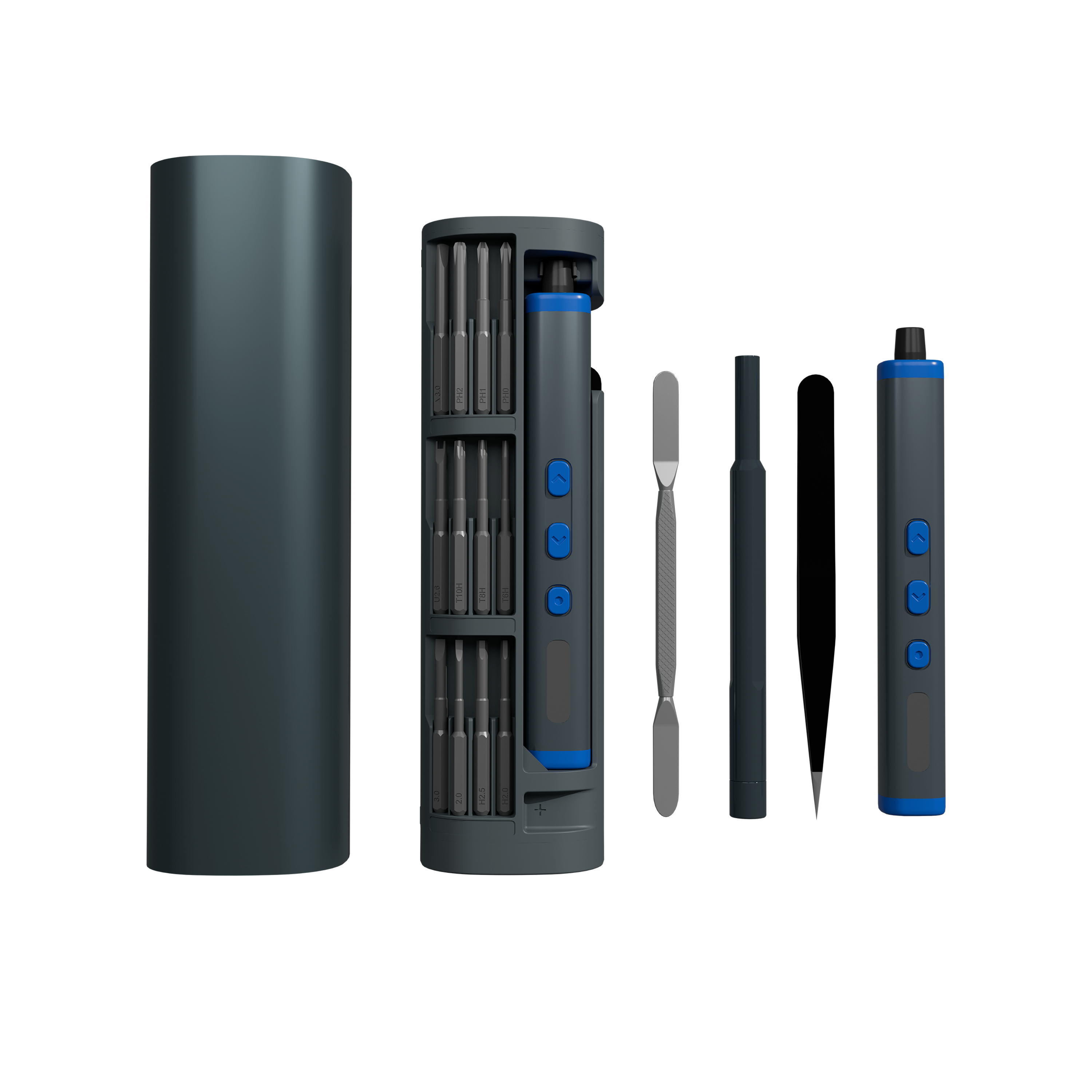
Managing promotional budgets while maintaining product quality remains one of the most critical challenges for marketing professionals and procurement teams in today's competitive business environment. When selecting giveaway items that reinforce brand visibility and deliver practical value, wholesale promotional screwdrivers emerge as a strategically sound investment that balances cost efficiency with lasting utility. These tools transcend the limitations of traditional throwaway promotional items by offering recipients something genuinely useful, creating positive brand associations that extend far beyond the initial distribution event. Understanding how to budget effectively for these promotional tools requires insight into pricing structures, volume discounts, quality considerations, and the total cost of ownership that includes customization, shipping, and storage.
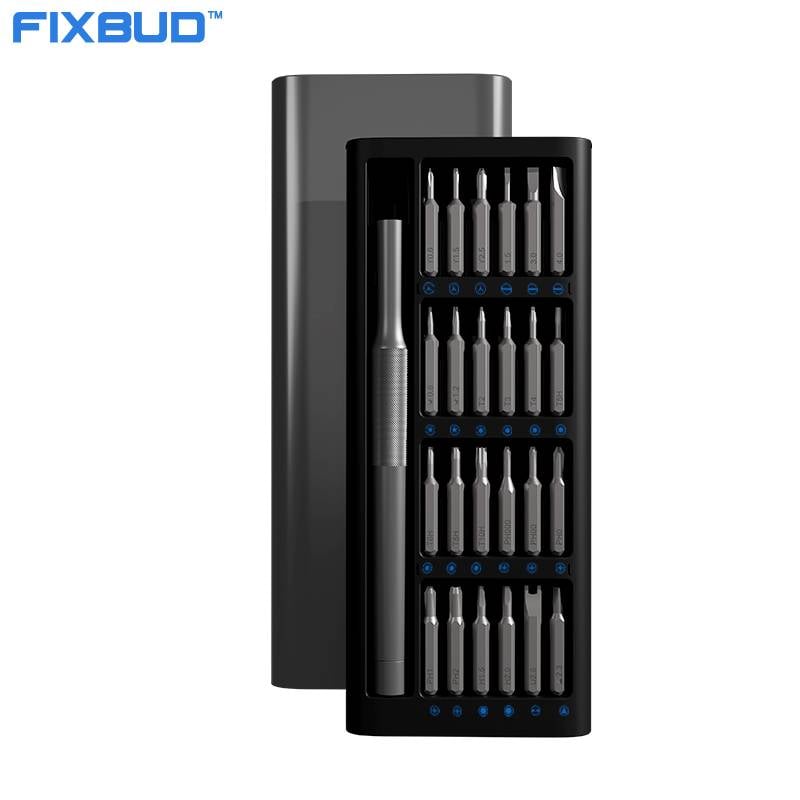
Successful promotional campaigns built around wholesale promotional screwdrivers depend on accurate cost forecasting that accounts for both immediate expenses and long-term brand impact. Companies that approach these purchases with a comprehensive budgeting framework position themselves to maximize return on investment while avoiding common pitfalls such as overordering, selecting inappropriate quality tiers, or underestimating customization costs. This strategic approach to procurement transforms promotional screwdrivers from simple giveaways into measurable marketing assets that contribute directly to customer retention, brand recall, and market differentiation. The following analysis provides detailed guidance on structuring your budget for wholesale promotional screwdrivers purchases, identifying cost drivers, optimizing spending across quality tiers, and implementing controls that ensure your promotional investment delivers measurable business value.
Understanding the Price Architecture of Wholesale Promotional Screwdrivers
Base Unit Pricing and Volume Break Points
The foundation of any budget for wholesale promotional screwdrivers begins with understanding how suppliers structure their pricing based on order volumes. Most manufacturers and distributors implement tiered pricing models where per-unit costs decrease significantly as order quantities increase. Entry-level orders of 100 to 500 units typically command the highest per-unit prices, often ranging from three to five dollars per screwdriver set depending on specifications. As orders scale to 1,000 units, prices generally drop by twenty to thirty percent, with further reductions available at 2,500, 5,000, and 10,000 unit thresholds. These volume break points create strategic decision points where marginal increases in order quantity can yield substantial savings on total procurement costs.
Smart buyers evaluate their annual promotional needs holistically rather than ordering reactively for individual events. By consolidating multiple campaign requirements into larger single orders of wholesale promotional screwdrivers, organizations capture lower per-unit pricing while maintaining consistent inventory for year-round distribution. This approach requires accurate demand forecasting and adequate storage capacity, but the cost savings often justify these operational considerations. Additionally, establishing relationships with suppliers through larger orders frequently unlocks preferential pricing for future purchases, creating compounding cost benefits over multiple budget cycles. Companies should calculate their break-even points for storage costs versus volume discounts to determine optimal order quantities that minimize total cost of ownership.
Quality Tier Differentiation and Cost Implications
The wholesale promotional screwdrivers market encompasses distinct quality tiers that carry dramatically different price points and performance characteristics. Economy-grade options manufactured with basic carbon steel bits and simple plastic handles represent the lowest cost entry point, suitable for mass distribution at trade shows or general awareness campaigns where longevity expectations remain modest. Mid-tier products incorporate hardened chrome vanadium steel bits, ergonomic rubber grip handles, and basic carrying cases, offering substantially improved durability and user experience at moderate price premiums. Premium wholesale promotional screwdrivers feature precision-machined bits with specialized coatings, professional-grade materials, magnetic bit holders, and presentation-quality cases that position your brand alongside high-value craftsmanship.
Budget allocation across these quality tiers should align with recipient profiles and campaign objectives rather than defaulting to lowest-cost options. Technical audiences, professional contractors, and high-value client segments respond more favorably to premium wholesale promotional screwdrivers that demonstrate your commitment to quality through tangible product excellence. Conversely, broad awareness campaigns targeting general consumer audiences may achieve optimal cost-per-impression ratios with economy or mid-tier products. Many sophisticated promotional buyers implement a portfolio approach, maintaining inventory across multiple quality levels and deploying each tier strategically based on recipient value and engagement context. This differentiated strategy maximizes budget efficiency by matching investment intensity to expected return from each recipient segment.
Customization Costs and Branding Investment
The transformation of generic screwdrivers into effective brand ambassadors requires customization investment that significantly impacts total budget requirements for wholesale promotional screwdrivers. Standard pad printing or laser engraving of company logos on handles represents the most cost-effective customization method, typically adding fifty cents to two dollars per unit depending on color complexity and logo size. Full-color printing processes that enable photographic reproduction or gradient effects command higher premiums but deliver superior visual impact for brands with distinctive color schemes or detailed graphics. Custom packaging represents another cost layer, with basic poly bags adding minimal expense while custom-printed boxes or carrying cases can increase per-unit costs by one to three dollars while substantially enhancing perceived value.
Strategic budgeting for customization requires balancing brand visibility requirements against cost constraints. Single-color logo applications on wholesale promotional screwdrivers often achieve adequate brand recognition at minimal cost, while premium campaigns may justify multi-color printing and custom packaging to differentiate from competitor giveaways. Many suppliers offer setup fee structures where initial tooling or plate preparation costs apply regardless of order size, creating economies of scale that favor larger production runs. Organizations planning multiple orders should negotiate setup fee waivers for repeat orders using identical artwork, effectively amortizing customization costs across the entire annual procurement volume. Additionally, maintaining digital artwork files in supplier-specified formats streamlines reordering and eliminates redundant setup charges in subsequent budget cycles.
Strategic Budget Allocation Across Procurement Stages
Upfront Acquisition Costs and Payment Terms
The initial procurement phase for wholesale promotional screwdrivers encompasses several cost components beyond the quoted per-unit price that budget planners must account for to avoid shortfalls. Supplier payment terms significantly influence cash flow requirements, with many manufacturers requiring thirty to fifty percent deposits upon order confirmation and balance payment before shipment. International suppliers often mandate full payment or irrevocable letters of credit, tying up working capital for extended periods during production and transit. Domestic suppliers may offer net-thirty or net-sixty payment terms that provide cash flow flexibility, though these terms sometimes carry slight price premiums compared to advance payment discounts. Budget architects should model various payment scenarios to optimize working capital deployment while securing competitive pricing on wholesale promotional screwdrivers.
Additional upfront costs include sample procurement for quality verification, artwork preparation and proofing, and rush fees for expedited production timelines. Responsible buyers always order samples before committing to large volumes of wholesale promotional screwdrivers, with sample costs typically ranging from twenty to one hundred dollars including shipping. Professional artwork preparation, particularly for complex logos requiring vectorization or color separation, may incur design fees from fifty to several hundred dollars depending on complexity. Organizations operating on compressed timelines frequently face rush production charges of ten to twenty-five percent above standard pricing, making early planning a direct cost-control mechanism. Comprehensive budget documents should itemize these ancillary costs separately from unit pricing to maintain accurate total cost visibility throughout the procurement process.
Shipping, Duties, and Landed Cost Calculation
Transportation costs represent a substantial yet frequently underestimated component of total investment in wholesale promotional screwdrivers, particularly for organizations sourcing internationally to capture manufacturing cost advantages. Ocean freight for container loads offers the most economical per-unit shipping cost but requires minimum order volumes typically exceeding 5,000 units and introduces transit times of four to eight weeks depending on origin and destination ports. Air freight dramatically reduces delivery time but increases per-unit shipping costs by three to ten times compared to ocean transport, making it suitable primarily for urgent replenishment or smaller test orders. Domestic ground shipping within continental markets provides middle-ground economics, with freight costs for pallet quantities of wholesale promotional screwdrivers generally ranging from one hundred to five hundred dollars depending on distance and carrier selection.
Import duties, customs clearance fees, and potential tariff exposure add further complexity to landed cost calculations for wholesale promotional screwdrivers sourced from international suppliers. Hand tool classifications typically face duty rates between zero and seven percent of declared value depending on country of origin and destination market, though trade agreements and preferential duty programs may reduce or eliminate these charges. Customs brokerage services for handling import documentation and regulatory compliance typically cost between seventy-five and two hundred dollars per shipment regardless of size, creating fixed costs that favor larger consolidated orders. Budget planners should request delivered duty paid quotations from international suppliers to gain complete visibility into landed costs, or work with freight forwarders to model total logistics expenses before finalizing supplier selection. Organizations making recurring purchases of wholesale promotional screwdrivers benefit from establishing logistics relationships that provide predictable shipping costs for more accurate budget forecasting.
Storage, Inventory Management, and Carrying Costs
The decision to purchase wholesale promotional screwdrivers in larger volumes to capture pricing advantages creates ongoing storage and inventory carrying costs that erode initial procurement savings if not properly managed. Warehouse or storage facility costs vary dramatically based on geography and facility type, with climate-controlled commercial space commanding premium rates while basic dry storage remains more economical. A typical pallet of 1,000 to 2,000 screwdriver sets occupies approximately four to eight square feet of floor space, translating to monthly storage costs ranging from five to twenty dollars per pallet in most markets. Organizations lacking dedicated warehouse facilities may utilize third-party logistics providers offering storage and fulfillment services, though these arrangements typically include per-unit handling fees that accumulate over time.
Inventory carrying costs extend beyond physical storage to encompass capital tied up in unsold inventory, insurance coverage, potential obsolescence, and periodic inventory management labor. Financial analysts typically estimate total carrying costs at fifteen to thirty percent annually of inventory value, meaning a ten-thousand-dollar inventory of wholesale promotional screwdrivers incurs fifteen hundred to three thousand dollars in annual carrying costs. This expense structure creates break-even calculations where volume discount savings must exceed carrying costs to justify larger orders. Organizations should evaluate their promotional distribution velocity, calculating monthly depletion rates to determine optimal reorder points that balance volume pricing against carrying cost accumulation. Companies with predictable seasonal promotional patterns may time large purchases of wholesale promotional screwdrivers to arrive shortly before peak distribution periods, minimizing storage duration while still capturing volume discounts.
Maximizing Value Through Strategic Sourcing Decisions
Supplier Evaluation and Total Cost Comparison
Effective budgeting for wholesale promotional screwdrivers requires comprehensive supplier evaluation that extends beyond simple per-unit price comparison to encompass total cost of ownership and supply chain reliability. Procurement teams should develop weighted scorecards that evaluate suppliers across multiple dimensions including base pricing, customization capabilities, minimum order quantities, production lead times, quality consistency, and post-sale support. Suppliers offering slightly higher unit prices may deliver superior total value through included customization, free shipping above certain thresholds, or flexible payment terms that improve working capital efficiency. Conversely, rock-bottom pricing from unknown suppliers may conceal quality inconsistencies, communication difficulties, or unreliable delivery that create hidden costs through customer dissatisfaction or emergency reordering.
Organizations should obtain detailed quotations from at least three qualified suppliers when budgeting for significant wholesale promotional screwdrivers purchases, ensuring quotations specify identical specifications to enable accurate comparison. Request breakdown of all cost components including tooling fees, per-unit pricing at multiple volume thresholds, customization charges, packaging options, and shipping estimates to build complete cost models. Many experienced buyers negotiate trial orders at modest volumes to verify supplier claims regarding quality, communication responsiveness, and on-time delivery before committing to larger contract values. This staged approach to supplier qualification adds upfront transaction costs but substantially reduces risk of budget overruns caused by supplier performance failures. Additionally, maintaining relationships with multiple qualified suppliers creates competitive pressure that drives continuous cost improvement and protects against supply disruption from single-source dependencies.
Specification Optimization for Cost Efficiency
Product specification decisions exert tremendous influence over total costs for wholesale promotional screwdrivers, creating opportunities for value engineering that maintains essential functionality while eliminating cost-adding features of marginal utility. The number of included bit types directly impacts manufacturing cost, with comprehensive 30-piece sets commanding substantially higher prices than streamlined 8-piece configurations containing only the most commonly used Phillips and flathead sizes. Organizations should analyze their recipient base usage patterns to determine whether comprehensive bit assortments justify their cost premium, or whether simplified configurations deliver equivalent practical value at significantly lower investment. Similarly, handle materials ranging from basic plastic through rubber overmold to machined aluminum create price differentials of one to four dollars per unit, requiring evaluation of whether premium materials enhance brand perception sufficiently to justify their costs.
Case and packaging specifications offer another value engineering opportunity when budgeting for wholesale promotional screwdrivers. Molded plastic cases with custom foam inserts create professional presentation and protect contents during distribution but add one to three dollars per unit compared to basic fabric pouches or cardboard sleeves. For desk drawer giveaways distributed directly to recipients, elaborate cases may provide limited incremental value, while trade show distributions where recipients carry items throughout events benefit from protective packaging that prevents damage and maintains professional appearance. Some organizations implement a hybrid approach, purchasing wholesale promotional screwdrivers in basic packaging for most applications while reserving premium packaging for high-value client gifts or executive distributions. This tiered specification strategy optimizes budget allocation by matching investment intensity to specific use case requirements rather than applying uniform specifications across all procurement.
Timing Strategies and Off-Peak Procurement
Manufacturing and supplier dynamics create seasonal pricing patterns for wholesale promotional screwdrivers that astute budget managers exploit through strategic purchase timing. Many promotional product suppliers experience pronounced demand peaks surrounding major trade show seasons, year-end corporate gifting periods, and spring marketing campaign launches, during which production capacity constraints and expedited shipping requirements drive prices upward. Conversely, mid-summer and early winter periods typically represent slower demand cycles when suppliers offer promotional pricing, waive setup fees, or provide extended payment terms to maintain production facility utilization. Organizations with flexible distribution timelines can capture these off-peak discounts by purchasing wholesale promotional screwdrivers several months ahead of intended distribution, effectively arbitraging seasonal price differentials to reduce total program costs.
Currency exchange rate management represents another timing consideration for organizations sourcing wholesale promotional screwdrivers internationally. Exchange rate fluctuations of five to fifteen percent occur regularly in major currency pairs, creating material cost variations for multi-thousand-unit orders invoiced in foreign currencies. Sophisticated procurement teams monitor exchange rate trends and time international purchases during favorable rate periods, or utilize forward contracts to lock in advantageous rates for planned future purchases. Additionally, Chinese New Year production shutdowns, which typically span two to three weeks in late January or early February, create extended lead times and potential rush charges for orders placed immediately before or after this period. Budget planning should account for these predictable disruptions by establishing procurement timelines that avoid critical path exposure to seasonal production constraints, thereby maintaining cost discipline while ensuring supply continuity for promotional programs.
Implementation Controls and Budget Management Practices
Purchase Authorization and Approval Workflows
Establishing formal approval processes for wholesale promotional screwdrivers procurement protects budget integrity while ensuring purchases align with broader marketing strategies and brand standards. Organizations should implement tiered authorization levels based on total purchase value, with smaller orders below defined thresholds receiving streamlined approval from marketing managers while larger commitments require finance review and executive sign-off. This governance structure prevents unauthorized spending that creates budget overruns while maintaining procurement agility for routine replenishment orders. Approval workflows should verify that proposed purchases fall within allocated promotional budgets, confirm supplier selection follows established procurement policies, and validate that specifications align with brand guidelines before releasing purchase orders.
Documentation requirements within approval workflows create audit trails that support budget variance analysis and continuous process improvement. Purchase requisitions for wholesale promotional screwdrivers should specify intended use cases, distribution timelines, recipient quantities, and expected cost per impression to enable post-campaign performance evaluation. Many organizations maintain central registries of all promotional inventory purchases, tracking order dates, quantities, costs, distribution events, and remaining inventory to provide complete visibility into promotional asset utilization. This systematic approach transforms wholesale promotional screwdrivers from discretionary expenses into managed marketing assets with measurable returns, supporting data-driven budget allocation decisions in subsequent planning cycles. Additionally, centralized tracking prevents duplicate ordering from multiple departments, a common source of unintended budget overruns in decentralized organizations.
Quality Assurance and Acceptance Testing
Implementing quality assurance protocols protects promotional budgets from supplier performance failures that necessitate costly emergency reordering or damage brand reputation through distribution of substandard wholesale promotional screwdrivers. Pre-production sample approval represents the first quality gate, requiring physical inspection of fully customized samples that precisely match final production specifications before authorizing full manufacturing runs. Samples should undergo functional testing including bit seating security, handle ergonomics, material quality assessment, and imprint durability verification to confirm products meet both technical specifications and brand presentation standards. Any discrepancies identified during sample review must be resolved through supplier corrective action before production authorization, preventing costly post-production remediation.
Upon delivery, incoming inspection of wholesale promotional screwdrivers shipments should verify quantities match purchase orders, customization appears as approved on pre-production samples, and products remain undamaged from transportation. Statistical sampling plans appropriate to order size provide cost-effective quality verification, with typical approaches calling for inspection of five to ten percent of received units selected randomly from multiple cartons throughout the shipment. Defect findings exceeding established acceptable quality levels trigger hold notifications to suppliers and initiate corrective action protocols that may include partial shipment rejection, replacement requirements, or price adjustments reflecting diminished value from quality shortfalls. Organizations should document all quality findings in supplier performance records that inform future sourcing decisions, creating accountability mechanisms that drive continuous supplier quality improvement and protect future promotional budgets from repetitive quality failures.
Performance Measurement and Budget Variance Analysis
Sophisticated promotional programs treat wholesale promotional screwdrivers as measurable marketing investments subject to return on investment analysis rather than untracked discretionary expenses. Post-campaign evaluation should calculate cost per impression, recipient retention rates, brand recall improvements, and customer engagement metrics to assess whether promotional screwdriver distributions delivered expected value relative to budget investment. Surveys or follow-up communications with recipients provide qualitative feedback on product utility, brand perception impact, and likelihood of retaining items for ongoing use, informing future specification and quality tier decisions. Organizations distributing wholesale promotional screwdrivers at trade shows can track booth traffic, lead capture rates, and subsequent conversion patterns to quantify promotional effectiveness.
Budget variance analysis comparing actual procurement costs against initial budget allocations identifies systemic estimation errors that inform improved forecasting accuracy in future cycles. Common variance drivers include underestimated customization complexity, shipping cost surprises, unexpected rush charges from compressed timelines, or supplier price increases between budget planning and purchase execution. Root cause analysis of significant variances supports process improvements such as earlier supplier engagement, more detailed specification development during budget planning, or establishment of contingency reserves for volatile cost components. Leading organizations maintain multi-year historical databases tracking wholesale promotional screwdrivers costs across various suppliers, specifications, and order volumes, creating institutional knowledge that enables increasingly accurate budget projections and identifies long-term cost trends requiring strategic response.
FAQ
What budget range should companies expect for wholesale promotional screwdrivers orders?
Budget requirements for wholesale promotional screwdrivers vary substantially based on order volume, quality tier, and customization complexity. Small orders of 100 to 250 units in economy grade with basic logo printing typically require budgets of 400 to 1,000 dollars, translating to four to five dollars per unit inclusive of customization. Mid-volume orders of 1,000 units in mid-tier quality with standard customization generally fall in the 2,500 to 4,000 dollar range, achieving per-unit costs of 2.50 to 4.00 dollars. Large corporate orders exceeding 5,000 units in premium quality with custom packaging can range from 15,000 to 30,000 dollars but achieve economies of scale with per-unit costs dropping to 3.00 to 6.00 dollars despite superior specifications. Organizations should request detailed quotations from multiple suppliers at their target volume to establish accurate budgets that account for all cost components including customization, shipping, and any applicable duties or fees.
How can organizations reduce costs when purchasing wholesale promotional screwdrivers?
Cost reduction strategies for wholesale promotional screwdrivers center on volume consolidation, specification optimization, and strategic timing. Consolidating multiple smaller orders into annual bulk purchases captures volume discount tiers that can reduce per-unit costs by twenty to forty percent, though this approach requires adequate storage and accurate demand forecasting. Specification simplification by reducing bit counts, selecting standard colors that avoid custom manufacturing, and choosing cost-effective packaging options can decrease costs by one to three dollars per unit while maintaining functional utility. Purchasing during off-peak periods when suppliers offer promotional pricing or waive setup fees provides additional savings opportunities. Organizations should also evaluate total landed costs when comparing domestic versus international suppliers, as lower overseas manufacturing prices may be offset by shipping, duties, and extended payment terms. Establishing relationships with preferred suppliers through consistent ordering patterns often unlocks preferential pricing and priority service that compound cost benefits over multiple purchase cycles.
What hidden costs should budgets account for beyond the quoted unit price?
Comprehensive budgets for wholesale promotional screwdrivers must account for numerous costs beyond the base per-unit price quoted by suppliers. Customization setup fees ranging from fifty to several hundred dollars apply regardless of order size, effectively adding per-unit costs that decrease with volume. Shipping expenses vary from hundreds to thousands of dollars depending on supplier location, order size, and delivery timeline urgency. International purchases incur import duties typically between zero and seven percent of declared value, plus customs clearance fees of seventy-five to two hundred dollars per shipment. Sample procurement for quality verification before large orders adds twenty to one hundred dollars in upfront costs. Storage and inventory carrying costs for organizations purchasing in bulk to capture volume discounts accumulate at fifteen to thirty percent annually of inventory value. Rush production charges of ten to twenty-five percent above standard pricing apply when compressed timelines require expedited manufacturing. Finally, quality failure costs including reorder expenses, rushed replacement shipping, and potential brand damage from distributing defective items represent contingent costs that proper quality assurance protocols help avoid but budgets should acknowledge as risk factors.
How do quality differences in wholesale promotional screwdrivers affect budget allocation?
Quality tier selection for wholesale promotional screwdrivers creates strategic budget allocation decisions that balance initial cost against recipient perception and product longevity. Economy-grade options with basic materials and simple construction cost one to three dollars per unit, suitable for mass distribution where cost per impression prioritization outweighs durability expectations. Mid-tier products featuring hardened steel bits, ergonomic handles, and improved construction quality range from 2.50 to 5.00 dollars per unit, delivering substantially enhanced user experience and extended functional life that justifies moderate price premiums for professional audiences. Premium wholesale promotional screwdrivers with precision components, professional-grade materials, and presentation packaging command five to ten dollars per unit but position brands alongside quality craftsmanship that resonates with technical experts and high-value clients. Strategic buyers implement portfolio approaches, maintaining inventory across multiple quality tiers deployed based on recipient profiles, with premium products reserved for key accounts and professional audiences while economy options serve broad awareness campaigns. This differentiated strategy optimizes total promotional budget efficiency by matching investment intensity to expected return from each recipient segment rather than applying uniform specifications across all distributions.
Table of Contents
- Understanding the Price Architecture of Wholesale Promotional Screwdrivers
- Strategic Budget Allocation Across Procurement Stages
- Maximizing Value Through Strategic Sourcing Decisions
- Implementation Controls and Budget Management Practices
-
FAQ
- What budget range should companies expect for wholesale promotional screwdrivers orders?
- How can organizations reduce costs when purchasing wholesale promotional screwdrivers?
- What hidden costs should budgets account for beyond the quoted unit price?
- How do quality differences in wholesale promotional screwdrivers affect budget allocation?