 EN
EN

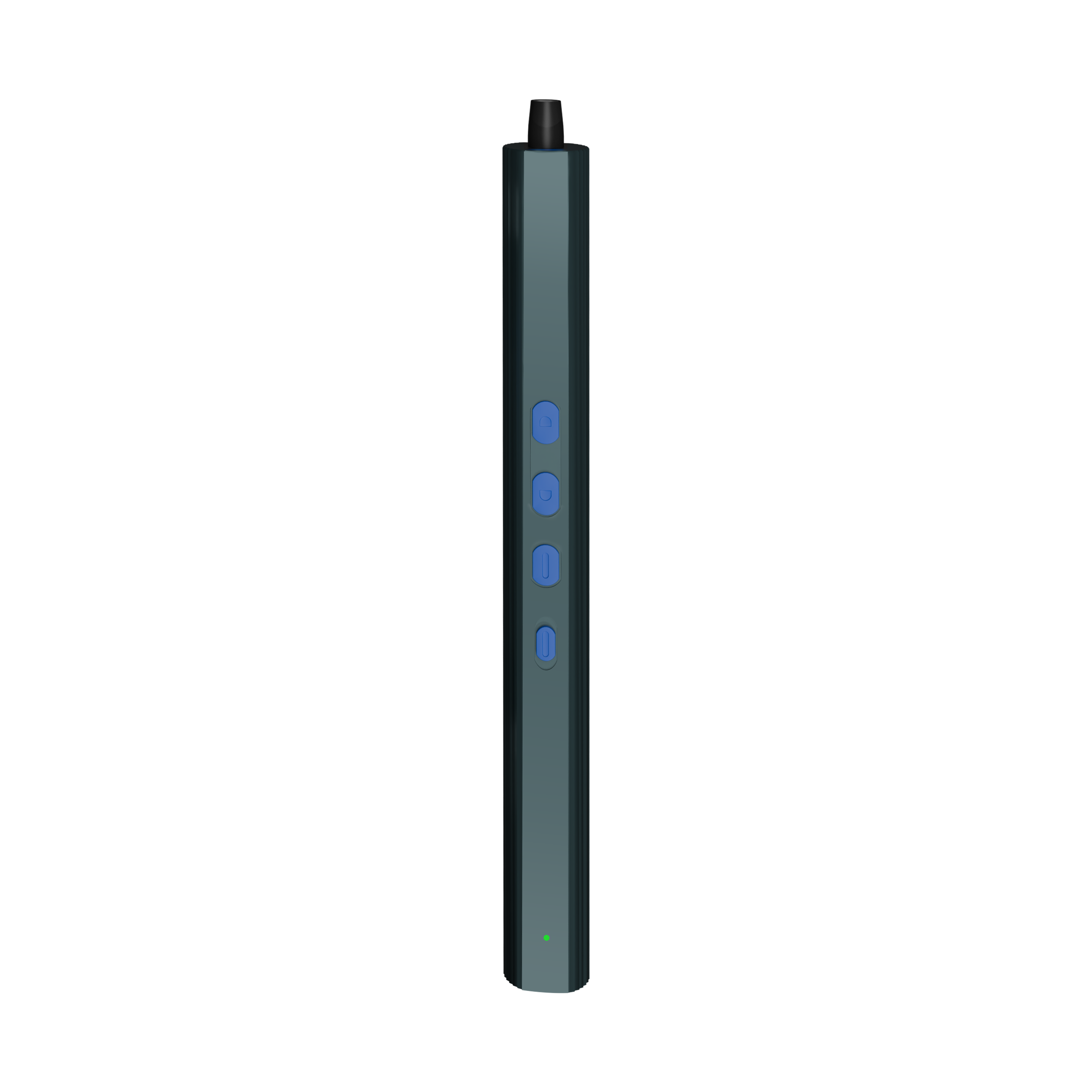
Շատ արհեստանոցներում, արտադրական գծերում և մասնագիտական սպասարկման միջավայրերում սովորական բռնակների ստանդարտ հավաքածուն բավարար է աշխատանքը կատարելու համար: Սակայն երբեմն կրկնվող, երբեմն՝ կրիտիկական պահեր են առաջանում, երբ պատրաստի գործիքները պարզապես չեն բավարարում պահանջներին: Արդյոք մարտահրավերը սահմանափակ մուտքի կետն է, թե՞ զգայուն էլեկտրոնային հավաքածուն, թե՞ էրգոնոմիկ արդյունավետություն պահանջող բարձր ծավալներով արտադրության խնդիրը, ընդհանուր նշանակությամբ գործիքների սահմանափակումները անհնար են անտեսել: Հենց այս պահին են մասնագետները և մատակարարման մենեջերները սկսում նայել ստանդարտ գործիքատուփից դուրս՝ որոնելով հարմարեցված խցանահանների լուծումներ որոնք ճշգրիտ համապատասխանում են տվյալ աշխատանքի պահանջներին:
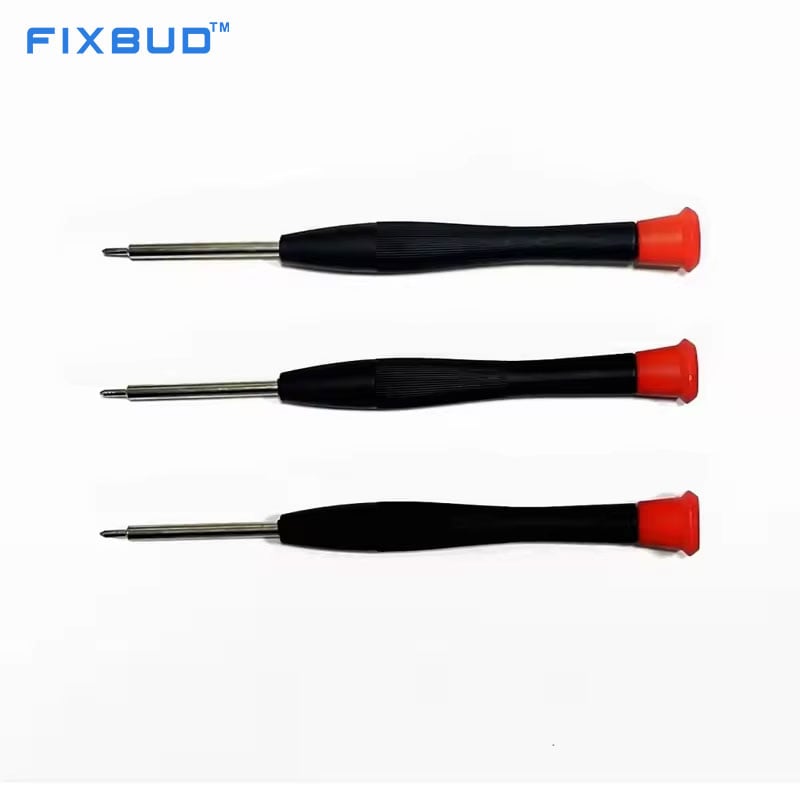
Երբ պետք է ձեռնարկել հարմարեցված խցանահանների լուծումներ սա ռազմավարական որոշում է, ոչ թե պարզապես գնման որոշում: Դա պահանջում է ճանաչել ձեր ընթացիկ գործիքների կողմից ստեղծված կոնկրետ խնդիրները, գնահատել անարդյունավետության կամ սխալների ծախսային ազդեցությունը և իմանալ, թե ինչ հնարավորություններ կան տեխնիկական առումով հարմարեցման համար: Այս հոդվածը վերլուծում է այն հիմնական ցուցանիշները, որոնք ցույց են տալիս, որ ժամանակն է անցնել ստանդարտ գործիքավարած հավաքածուից դուրս, ինչպես են դրանք իրականում դրսևորվում և ինչպես պետք է մոտենալ այս որոշմանը՝ վստահությամբ և պարզությամբ:
Ստանդարտ պտտակների սահմանափակումները բարդ պայմաններում
Երբ ընդհանուր գործիքները ստեղծում են շահագործման խոչընդոտներ
Ստանդարտ պտտիչները նախատեսված են ընդհանուր նպատակների համար: Դրանք բավարար են լինում շատ տարբեր իրավիճակներում, սակայն դրանց համատեղելիությունը վճարվում է հստակության հաշվին: Օրինակ՝ բարձր ճշգրտությամբ հավաքման գծերում այն գործիքը, որը չի համապատասխանում սահմանված պտտման մոմենտի շրջանակին, կարող է հանգեցնել չափից շատ շեղելու, մետաղալարերի վնասման և թանկարժեք վերամշակման: Դա հազվադեպ չի տեղի ունենում — դա այն կանխատեսելի արդյունքն է, որը առաջանում է այն գործիքների օգտագործման հետևանքով, որոնք երբեք չեն նախատեսվել ձեր հենց այդ կիրառման համար:
Էլեկտրոնիկայի արտադրության և վերանորոգման ժամանակ սխալի թույլատրելի սահմանը նույնիսկ ավելի փոքր է: Շղթայային տախտակները, միկրոկոմպոնենտները և նրբագեղ կապսուլները պահանջում են գործիքներ, որոնք ունեն ճիշտ ծայրի երկրաչափություն, ճիշտ բազուկի երկարություն և ճիշտ բռնակի բռնակավորում՝ բոլորը հարմարեցված վնասման ռիսկը նվազեցնելու համար: Ստանդարտ գործիքները տեխնիկապես կարող են համապատասխանել մետաղալարի գլխին, սակայն առանց հարմարեցված պտտիչների կողմից ապահովվող էրգոնոմիկ և չափային ճշգրտության՝ սահելու, չափից շատ պտտման կամ շփման վնասման ռիսկը մնում է բարձր:
Գործառնական խցանումները, որոնք առաջանում են անհամապատասխան գործիքների օգտագործման պատճառով, հաճախ թերագնահատվում են: Տեխնիկները, ովքեր մշտապես փոխում են իրենց բռնակի ձևը կամ տեխնիկան՝ չհամապատասխանող գործիքի հետ աշխատելու համար հարմարվելու նպատակով, ավելի արագ են հոգնում, ավելի շատ սխալներ են թույլ տալիս և ավելի դանդաղ են կատարում առաջադրանքները: Ժամանակի ընթացքում այս միկրո-անարդյունավետությունները կուտակվում են և հանգեցնում են չափելի արտադրողականության կորստի, որն ուղղակիորեն ազդում է ձեր շահույթի վրա:
Ցավային կետերի նույնականացումը, որոնք ցույց են տալիս հարկավորությունը հարմարեցված լինելու
Ձեր ընթացիկ գործիքների անբավարարության ամենապարզ ցուցանիշը կրկնվող առաջադրանքների ձախողումն է կամ հավաքագրման և սպասարկման գործողություններում սխալների անսովոր բարձր մակարդակը: Եթե ձեր թիմը հաճախ զեկուցում է ստանդարտ մետաղալարերի վնասվելու, կամ վրան ազդող ուժի ազդեցությամբ բռնակի արտահանման (cam-out) դեպքերի կամ որոշակի ամրացման մասերին մուտք գործելու դժվարության մասին, դա ախտորոշիչ ցուցանիշներ են, որ ստանդարտ գործիքատուփը հասել է իր սահմաններին: Հարմարեցված պտտելու գործիքների լուծումները այս խնդիրները լուծում են արմատային մակարդակում, այլ ոչ թե սպասարկող անձնակազմից սպասվում է, որ նրանք այս խնդիրների շուրջ աշխատեն:
Մեկ այլ ուժեղ սիգնալ է աշխատակիցների անհարմարությունը կամ կրկնվող լարվածությունը: Այն գործիքները, որոնք չեն համապատասխանում էրգոնոմիկ պահանջներին տվյալ աշխատանքի համար՝ անկախ նրանից, թե դրանք չափազանց ծանր են, չափազանց կարճ կամ չունեն հարմար բռնակի մեխանիզմ, ժամանակի ընթացքում նպաստում են աշխատավայրում վնասվածքների առաջացմանը: Երբ պտտվող գլխարկը, հավասարակշռված բռնակը կամ հատուկ երկարությամբ բազուկը կարող են նշանակալիորեն նվազեցնել լարվածությունը, հատուկ սկրեւդրայվերների մեջ ներդրումը դառնում է ոչ միայն արդյունավետության, այլև առողջության և անվտանգության որոշում:
Վերջապես, եթե ձեր արտադրանքը կամ հավաքված մասերը ունեն սեփական միացման մասերի պրոֆիլներ կամ անսովոր սեղմ մուտքի պահանջներ, ապա ստանդարտ գործիքները պարզապես չեն կարողանա կատարել այդ աշխատանքը առանց մոդիֆիկացիայի: Հատուկ ծայրի երկրաչափությունը, երկարացված կամ անկյունագծային բազուկները և հարմարեցված մագնիսային ուժը բոլորը այն հատկություններն են, որոնք հնարավոր չէ մոտավորապես ստանալ ստանդարտ գործիքների հավաքածուից:
Հիմնական սցենարներ, որոնք արդարացնում են հատուկ սկրեւդրայվերների օգտագործումը
Ճշգրտության էլեկտրոնիկա և միկրո-հավաքածուներ
Հարմարեցված պտտվող բռնակով փոքր ճշգրիտ վրային ստեղնահարմարիչների օգտագործման ամենահամոզիչ դեպքերից մեկը ճշգրիտ էլեկտրոնիկայի աշխատանքն է: Այս միջավայրում ստանդարտ վրային ստեղնահարմարիչները չեն բավարարում ճշգրտության, չափսերի և քաշի պահանջներին՝ հաշվի առնելով տարածական սահմանափակումները: Օրինակ՝ հարմարեցված փոքր ճշգրիտ վրային ստեղնահարմարիչը հնարավորություն է տալիս տեխնիկին պտտման ուժ կիրառել մատների վերահսկողությամբ, ինչը շատ ավելի ճշգրիտ է, քան սովորական բռնակի վրա ամբողջ ձեռքի բռնակումը: Այս վերահսկողության մակարդակը անհրաժեշտ է ֆոտոխցիկների մոդուլների, լսողական սարքերի, սմարթֆոնների կամ այլ փոքր էլեկտրոնային հավաքածուների վրա աշխատելիս:
Բացի բռնակի դիզայնից՝ սրածայրի պրոֆիլը և սրածայրի նյութը պետք է ճշգրտված լինեն համապատասխան մեքենայացված վրանի համար: Միկրո-հավաքման աշխատանքներում սրածայրի չափսերի նույնիսկ ամենափոքր շեղումը կարող է առաջացնել կետային ձախողման ռիսկ: Հարմարեցված մեքենայացված վրանների լուծումները հնարավորություն են տալիս արտադրողներին և վերանորոգման տեխնիկներին նշել սրածայրի չափսերը մինչև միլիմետրի մասնիկներ, ապահովելով, որ յուրաքանչյուր ամրացման ցիկլ իրականացվի նույն ճշգրտությամբ:
Մագնիսային սրածայրի հարմարեցումը նույնպես կարևոր գործոն է այս ոլորտում: Չափից շատ մագնիսային ուժը կարող է խաթարել զգայուն էլեկտրոնային բաղադրիչները, իսկ չափից քիչ մագնիսային ուժը նշանակում է, ո что մեքենայացված վրանները կարող են գետնին ընկնել և կորցվել հավաքված մասերի ներսում: Մագնիսային ուժի ճշգրտման հնարավորությունը որպես հարմարեցված լուծման մաս ամբողջովին վերացնում է այս փոփոխականը, ինչը հանգեցնում է սխալների քանակի նվազման և ցիկլերի տևողության կրճատման:
Բարձր ծավալային արտադրական գծեր և արդյունաբերական հավաքում
Արտադրական գծում, որտեղ օրական հազարավոր միավորներ են հավաքվում, ստանդարտ պտտիչի և նպատակային հարմարեցված գործիքի միջև կատարողականության տարբերությունը մեծացվում է մասշտաբային մակարդակում: Նույնիսկ մեկ վայրկյանի ժամանակի խնայողություն յուրաքանչյուր ամրացման ցիկլում օրական վերականգնված արտադրական ժամանակի ժամեր է նշանակում: Էրգոնոմիկ արդյունավետության համար մշակված հարմարեցված պտտիչների լուծումները՝ ձեռքի բռնակի պրոֆիլներով, որոնք նախատեսված են երկարատև օգտագործման համար, հավասարակշռված քաշի բաշխմամբ և արագ միացման համար օպտիմալացված ծայրի երկրաչափությամբ, ուղղակիորեն աջակցում են արտադրողականության նպատակներին:
Պտտման մոմենտի վերահսկումը նույնպես կարևոր է արդյունաբերական հավաքման պայմաններում: Շատ արտադրանքներ ունեն ճարտարագիտական սահմանափակումներով սահմանված հստակ պտտման մոմենտի պահանջներ: Հարմարեցված պտտիչի լուծումը կարող է կարգավորվել մեխանիկական պտտման մոմենտի սահմանափակման կամ տակտիլ հետադարձ կապի հատկանիշներով, որոնք օգնում են օպերատորներին համապատասխան պտտման մոմենտին հասնել առանց առանձին չափման գործիքների անհրաժեշտության: Սա նվազեցնում է փոփոխականությունը, բարելավում է որակի վերահսկումը և պարզեցնում է ստուգման գործընթացը:
Արդյունաբերական միջավայրերում հաճախ նկատվում են չափազանց ծանր պայմաններ՝ բարձր ջերմաստիճան, թրթռում, քիմիական նյութերի ազդեցություն, որոնք արագ վնասում են ստանդարտ գործիքները: Հատուկ ստեղծված վրայի բանալիների լուծումները կարող են ներառել շահագործման միջավայրին համապատասխան նյութեր և ծածկույթներ, ինչը երկարացնում է գործիքների ծառայության ժամկետը և նվազեցնում դրանց փոխարինման հաճախականությունն ու ծախսերը:
Մասնագիտացված սպասարկման և վերանորոգման կիրառումներ
Դաշտային սպասարկման տեխնիկները, որոնք աշխատում են օդա conditioning համակարգերի, բժշկական սարքավորումների, ավիատիեզերական բաղադրիչների կամ հեռահաղորդակցության ենթակառուցվածքների վրա, հաճախ հանդիպում են ամրացման միջոցների տեսակների և մուտք գործելու իրավիճակների, որոնք չեն համապատասխանում ստանդարտ գործիքատուփի հնարավորություններին: Երբ մեկ վրայի բանալի խորը տեղադրված է շասսիի ներսում կամ տեղադրված է այնպիսի անկյան տակ, որի դեպքում ուղիղ բանալին չի կարողանում հասնել դրան, աշխատանքը դադարում է, մինչև գտնվի ճիշտ գործիքը՝ կամ ստեղծվի նորը: Սա մեկն է այն կրկնվող դժվարություններից, որոնք առաջանում են սպասարկման կազմակերպություններում, որոնք եկամուտ են ստանում դաշտային վերանորոգումից, և սա նաև ամենահամոզիչ գործարարական հիմնավորումն է հատուկ ստեղծված վրայի բանալիների լուծումների ներդրման համար:
Այս համատեքստում հարմարեցումը հաճախ նշանակում է երկարացված բռնակներ, անկյունագծային կամ շեղված կոնֆիգուրացիաներ կամ փոխանակելի ծայրամասերի համակարգեր, որոնք թույլ են տալիս մեկ բռնակին օգտագործել տարբեր տիպի պտտվող մասերի հետ։ Ծառայության տեխնիկների շարք կառավարող կազմակերպությունների համար յուրաքանչյուր տեխնիկին տրամադրել հարմարեցված բռնակների հատուկ հավաքածու՝ այլ ոչ թե ընդհանուր հավաքածու, նվազեցնում է սխալների հայտնաբերման ժամանակը, վերացնում է անհատական լուծումների կիրառումը և ապահովում է միասնական ծառայության որակ ամբողջ թիմի մասշտաբով։
Ինչ հարմարեցման տարբերակներ են իրականում հասանելի
Բռնակի էրգոնոմիկա և պտտվող ծածկապատի մեխանիզմներ
Դեղձակի բռնակի դիզայնը մեկն է ամենաշատ ազդեցություն ունեցող և հաճախ անտեսվող չափանիշներից մեկն է դեղձակի հարմարեցման մեջ: Բռնակը, որը բնական կերպով հարմարվում է ձեռքին, հավասարաչափ բաշխում է բռնման ճնշումը և թույլ է տալիս երկար ժամանակ օգտագործել առանց հոգնածության, մեկն է չափելի արտադրողականության ակտիվներից: Հարմարեցված դեղձակների լուծումները կարող են ներառել բռնակների տարբեր նյութեր՝ մեղմ բռնման ռետիններից մինչև կոշտ ճշգրտության պոլիմերներ, իսկ տրամագիծն ու երկարությունը հարմարեցված են նախատեսված օգտագործողների խմբի և աշխատանքի տևողության համար:
Պտտվող ծածկոցը հատկապես արժեքավոր հատկանիշ է ճշգրտության պահանջվող կիրառումների համար: Քանի որ դեղձակի վերին մասը կարող է պտտվել բռնակից անկախ, օգտագործողը կարող է մնալ հաստատուն ճնշում գործադրել ափով, մինչդեռ մատներով մտցնում է մուրճը: Այս մեխանիկական առավելությունը նվազեցնում է յուրաքանչյուր պտույտի համար անհրաժեշտ ջանքը, բարելավում է վերահսկողությունը և նշանակալիորեն նվազեցնում է ծայրի սահելու ռիսկը: Շատ փոքր կամ զգայուն միացման մասերի հետ աշխատելիս պտտվող ծածկոցը ոչ թե լքված հատկանիշ է, այլ՝ ֆունկցիոնալ անհրաժեշտություն:
Պատվերով ստեղծված բռնակների վրա համապատասխան բրենդի նշումն այնպիսի տարբերակ է, որը հաճախ անտեսում են շատ արդյունաբերական գնորդներ: Այն կազմակերպությունների համար, որոնք տեխնիկներին տրամադրում են գործիքներ, ընկերության նշանավորմամբ պատվերով ստեղծված բռնակները պաշարների կառավարումը հեշտացնում են և ամրապնդում են աշխատակիցների շրջանում մասնագիտական ստանդարտները: Սա ցածր ծախսով իրականացվող մի հարմարեցում է, որը գործնական արժեք է ավելացնում՝ չփոխելով գործիքի աշխատանքային ցուցանիշները:
Ներծածման մասի ձևավորում, բռնակի երկարություն և մագնիսային կարգավորում
Ներծածման մասի ձևավորումը հիմնականում որոշում է, թե ինչու է պատվերով ստեղծված մի վարդակագործային լուծումը իսկապես օգտակար, այլ ոչ թե միայն տեսողական տարբերություն է ներկայացնում: Ստանդարտ ներծածման մասերը համապատասխանում են ամենատարածված միացման մասերի տեսակներին, սակայն շատ արդյունաբերական, բժշկական և սպառողական էլեկտրոնիկայի կիրառումներում օգտագործվում են սեփական կամ անսովոր միացման մասեր, որոնք պահանջում են ոչ ստանդարտ ներծածման մասեր: Պատվերով ստեղծված ներծածման մասի ձևավորումը ապահովում է ճշգրիտ և ամբողջական շփման համապատասխանություն, որը կանխում է ներծածման մասի սահելը (cam-out), պաշտպանում է միացման մասի գլուխը և թույլ է տալիս ճշգրիտ մեխանիկական ազդեցության մեծության (torque) հաղորդում:
Շաֆտի երկարության և տրամագծի հարմարեցումը ուղղակիորեն լուծում է տարածական մուտքի սահմանափակումները: Երբ մի ամրացման մաս տեղադրված է խորը գավառում կամ շրջապատված է այլ մասերով, ստանդարտ երկարությամբ շաֆտը կարող է չհասնել նպատակային կետին՝ կամ հպվել հարակից մասերին այնպես, որ վնասի հարուցի: Հարմարեցված վրանոցների լուծումները հնարավորություն են տալիս ճշգրիտ նշել շաֆտի չափսերը տվյալ կիրառման համար, որով վերացվում է երկարացնող միացուցիչների անհրաժեշտությունը, որոնք ավելացնում են ծավալը և նվազեցնում են կառավարման ճշգրտությունը:
Մագնիսային ծայրի ուժը մի նրբերանգված հարմարեցում է, որը մեծ նշանակություն ունի էլեկտրոնիկայի և ճշգրիտ մոնտաժի ոլորտներում: Ճիշտ մագնիսային կարգավորումը պահում է մուրճը ամրապնդիչի ծայրին ամուր կերպով՝ տեղադրման և մոնտաժման համար, իսկ մեկնարկից հետո՝ մաքրորեն ազատում է այն: Կարգավորված մագնիսային դաշտը, որպես ընդհանուր հարմարեցված վրանոցի լուծման մաս, նվազեցնում է ամրացման մասերի ընկնելու հաճախականությունը, արագացնում է մոնտաժի գործընթացը և կանխում է զտված մագնիսային դաշտերի կողմից զգայուն մասերի աղտոտումը:
Ինչպես մոտենալ հարմարեցման որոշմանը
Սպառողի հետ համագործակցությունը սկսելուց առաջ սահմանել տեխնիկական պահանջները
Կազմակերպությունների կողմից հատուկ ստեղծված բռնակավոր վրանների լուծումներ ձեռք բերելիս ամենատարածված սխալն այն է, որ դիմում են մատակարարին՝ առանց ճշգրիտ տեխնիկական պահանջների: Այն հարմարեցման քննարկումները, որոնք սկսվում են «մեզ ավելի լավ բան է անհրաժեշտ, քան այն, ինչն ունենք» արտահայտությամբ, հազվադեպ են բերում օպտիմալ արդյունքների: Լավ սահմանված տեխնիկական պահանջների փաստաթուղթը՝ որը ներառում է ծայրի տեսակը, բռնակի չափսերը, բռնակի էրգոնոմիկ հատկանիշները, մագնիսային պահանջները, պտտման մոմենտի տիրույթը և նյութերի սահմանափակումները, — մատակարարին տրամադրում է այն տեղեկատվությունը, որը անհրաժեշտ է իրականում նպատակահարմար լուծում առաջարկելու համար, այլ ոչ թե ստանդարտ արտադրանքի միայն տեսողական փոփոխական տարբերակ:
Ներգրավեք վերջնական օգտագործողներին՝ տեխնիկներին, հավաքողներին կամ սպասարկող ինժեներներին, ովքեր իրականում կօգտագործեն գործիքները, տեխնիկական բնութագրերի մշակման գործընթացում: Նրանց անմիջական փորձը առաջադրանքի և գործիքների սահմանափակումների վերաբերյալ պահանջների տվյալների ամենահուսալի աղբյուրն է: Նրանց մուտքային տվյալների համեմատությունը ինժեներական գծագրերի կամ հավաքման գործընթացի փաստաթղթերի հետ ապահովում է, որ վերջնական տեխնիկական բնութագրերը լինեն և՛ գործառնականորեն հիմնավորված, և՛ տեխնիկապես ճշգրիտ:
Կարևոր է նաև վաղ փուլում հաշվի առնել ծավալային պահանջները: Հատուկ սcrewdriver-ների լուծումների համար նվազագույն պատվերի քանակները, առաքման ժամանակահատվածները և մեկական միավորի արժեքի կառուցվածքը կտրուկ տարբերվում են ստանդարտ արտադրանքների ձեռքբերման պայմաններից: Այս առևտրային պարամետրերի վերաբերյալ նախնական հասկացողությունը հնարավորություն է տալիս կառուցել իրատեսական բիզնես-դեպք և ընտրել ձեր գործառնական մասշտաբին համապատասխանող մատակարարի մոդել:
Հատուկ լուծումների ընդհանուր ծախսի և այլընտրանքային լուծումների (workarounds) գնահատում
Այն կազմակերպությունները, որոնք երկյուղում են ներդնել հատուկ ստեղծված բռնակավոր միջոցների լուծումների մեջ, հաճախ սխալվում են գնահատելով այն փոխհատուցման իրական ծախսերը, որոնք արդեն օգտագործվում են։ Պարզված ամրացման միջոցների պատճառով կրկնակի մշակման, անհարմար գործիքի մուտք ստանալու համար կորցրած ժամանակի, էրգոնոմիկ լարվածության հետ կապված վնասվածքների հայտարարությունների և արտադրական գծերում արտադրողականության նվազման բոլոր ծախսերը ունեն քանակական ֆինանսական կշիռ։ Երբ այս ծախսերը համախմբվում են և համեմատվում նպատակային գործիքի ներդրման հետ, հատուկ ստեղծված լուծման համար բիզնես դեպքը հաճախ դառնում է ինքնաբացատրվող։
Օգտակար մոտեցում է հաշվարկել ընթացիկ մոտեցման ծախսը մեկ միավորի կամ մեկ խնդրի համար՝ ներառյալ կրկնակի մշակման մակարդակը, ցիկլի տևողությունը և սպասարկման ծախսերը, և համեմատել այն հատուկ ստեղծված բռնակավոր միջոցների լուծումների կանխատեսվող արդյունքների հետ։ Նույնիսկ սխալների մակարդակի և ցիկլի տևողության փոքր բարելավումները, բազմապատկված բարձր ծավալներով գործառնություններում, սովորաբար բերում են ներդրումների վերադարձի ստացմանը մի քանի արտադրական ցիկլերի ընթացքում։
Ֆինանսական հաշվարկից դուրս, պետք է հաշվի առնել նաև որակի և հեղինակության չափանիշները: Այն արդյունաբերություններում, որտեղ ապրանքի որակը մշտապես վերահսկվում է, իսկ սպառողների վերադարձները թանկարժեք են, նպատակային գործիքների օգնությամբ համասեռ և ճշգրիտ հավաքածուի մատակարարումը մրցակցային առավելություն է ստեղծում: Հարմարեցված պտտիչների լուծումները ոչ միայն ծախսերի կառավարման ռազմավարություն են, այլև որակի երաշխավորման ներդրում:
Հաճախադեպ տրվող հարցեր
Ո՞ր արդյունաբերություններն են ամենաշատը օգտվում հարմարեցված պտտիչների լուծումներից:
Ամենաշատը օգտվող արդյունաբերություններն են՝ էլեկտրոնիկայի արտադրությունն ու վերանորոգումը, բժշկական սարքավորումների հավաքածուն, ավիատիեզերական և պաշտպանական ոլորտը, ավտոմոբիլային արտադրությունը և դաշտային սպասարկման գործողությունները: Ցանկացած միջավայր, որտեղ ստանդարտ գործիքները սահմանափակում են մուտքը, առաջացնում են էրգոնոմիկ լարվածություն կամ ճշգրտության սխալներ, համապատասխանում է հարմարեցված պտտիչների լուծումների կիրառման պահանջին: Որքան մեծ է արտադրանքի ծավալը, բարդությունը կամ ճշգրտության պահանջը, այնքան ավելի հիմնավորված է հարմարեցման անհրաժեշտությունը:
Որքան ժամանակ է պահանջվում հարմարեցված պտտիչի լուծման մշակման համար:
Զարգացման ժամանակահատվածները տարբերվում են՝ կախված հարմարեցման բարդությունից և մատակարարի արտադրական հնարավորություններից: Պարզ հարմարեցումները՝ օրինակ՝ բռնակի գույնը, բրենդինգը կամ ծայրի երկրաչափական փոքր ճշգրտումները՝ հաճախ կարող են ավարտվել մի քանի շաբաթվա ընթացքում: Ավելի բարդ կոնֆիգուրացիաները, որոնք ներառում են սեփական ծայրի պրոֆիլներ, հարմարեցված բռնակի երկրաչափություն կամ մասնագիտացված մագնիսային կալիբրում, կարող են պահանջել մի քանի ամիս՝ սպեցիֆիկացիայի հաստատումից մինչև առաքումը: Վաղ փուլում մատակարարի հետ համագործակցելը՝ հստակ սպեցիֆիկացիայով, կարող է զգալիորեն նվազեցնել սպասման ժամանակը:
Կա՞ հարմարեցված վրայի լուծումների համար նվազագույն պատվերի քանակ:
Պատվերի նվազագույն քանակները հարմարեցված բռնակավոր ստվարաթղթերի լուծումների համար կախված են մատակարարից և հարմարեցման բնույթից: Որոշ մատակարարներ ընդունում են փոքր չափի հարմարեցված պատվերներ բարձր արժեքավոր կամ մասնագիտացված կիրառումների համար, մինչդեռ որոշները պահանջում են մեծ ծավալներ՝ արտադրական սարքավորումների և սկզբնական կարգավորման ներդրումները արդարացնելու համար: Խորհուրդ է տրվում առևտրային պայմանների և ծավալների ճկունության վերաբերյալ քննարկումներ վարել հնարավոր մատակարարների հետ սկզբնական գնահատման գործընթացի շրջանակներում, հատկապես եթե ձեր պահանջը վերաբերում է մասնագիտացված կամ փոքր ծավալով կիրառման:
Կարո՞ղ են հարմարեցված բռնակավոր ստվարաթղթերի լուծումները թարմացվել կամ վերասահմանվել ժամանակի ընթացքում:
Այո: Մեկը պրակտիկ առավելություններից, որը առաջանում է հարմարեցված բռնակավոր գործիքների լուծումներ առաջարկող մատակարարի հետ աշխատելիս, ձեր գործընթացների զարգացմանը համապատասխան գործիքների սահմանափակումների և բարելավման հնարավորությունն է: Երբ հավաքածուի դիզայնը փոխվում է, ներդրվում են նոր միացման միջոցներ կամ շահագործման հետ կապված հետադարձ կապը բացահայտում է նոր կատարողական պահանջներ, ձեր գործիքների սահմանափակումները համապատասխանաբար կարող են թարմացվել: Ձեր մատակարարի հետ սկզբից համագործակցության հարաբերություն հաստատելը այս շարունակական բարելավման գործընթացը դարձնում է ավելի արդյունավետ և արժեքավոր:
Բովանդակության ցուցակ
- Ստանդարտ պտտակների սահմանափակումները բարդ պայմաններում
- Հիմնական սցենարներ, որոնք արդարացնում են հատուկ սկրեւդրայվերների օգտագործումը
- Ինչ հարմարեցման տարբերակներ են իրականում հասանելի
- Ինչպես մոտենալ հարմարեցման որոշմանը
-
Հաճախադեպ տրվող հարցեր
- Ո՞ր արդյունաբերություններն են ամենաշատը օգտվում հարմարեցված պտտիչների լուծումներից:
- Որքան ժամանակ է պահանջվում հարմարեցված պտտիչի լուծման մշակման համար:
- Կա՞ հարմարեցված վրայի լուծումների համար նվազագույն պատվերի քանակ:
- Կարո՞ղ են հարմարեցված բռնակավոր ստվարաթղթերի լուծումները թարմացվել կամ վերասահմանվել ժամանակի ընթացքում: