 EN
EN

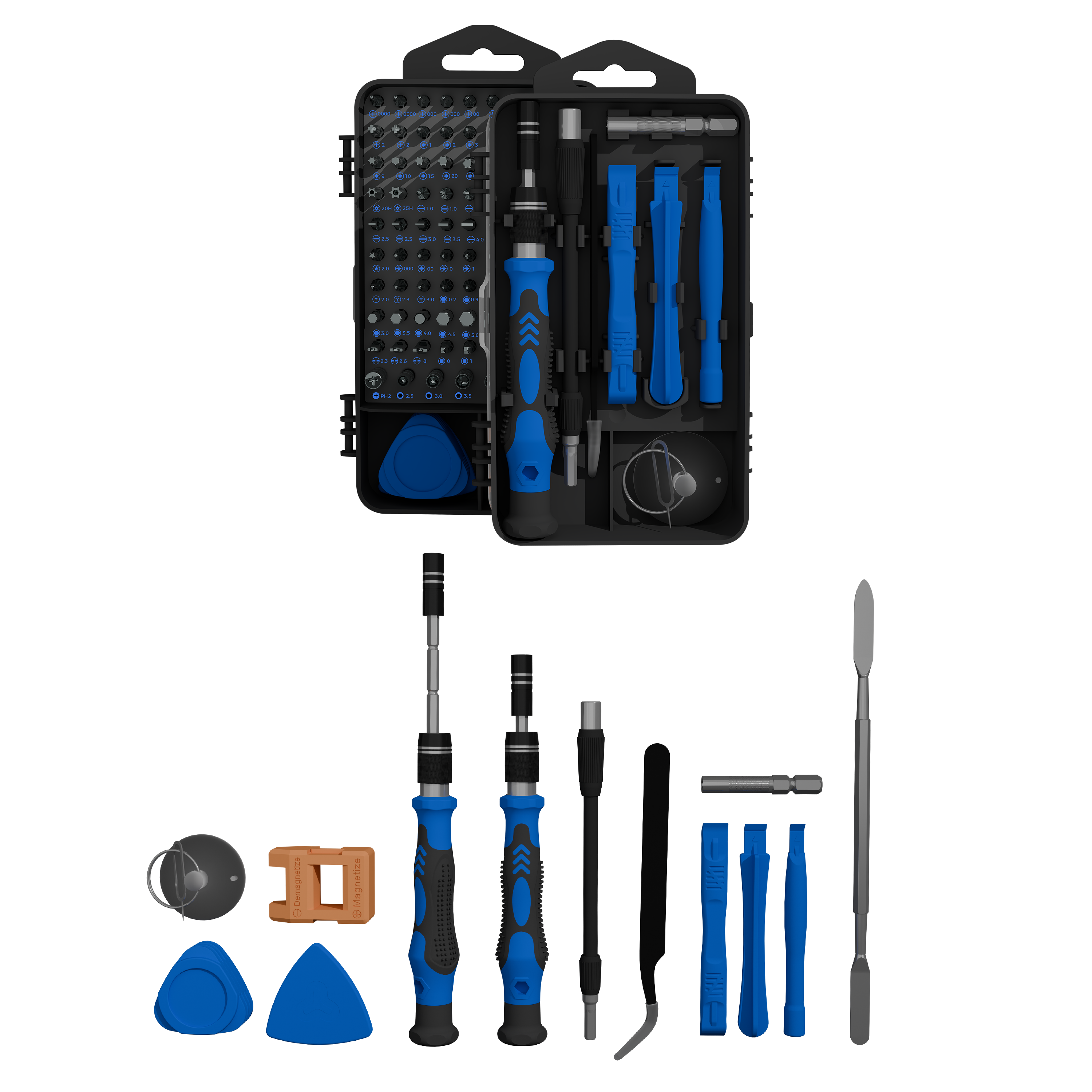
הביקוש למכשירים מיוחדים בסביבות תעסוקתיות ותעשייתיות ממשיך לגדול, כאשר עסקים מבינים את חשיבות הציוד שמותאם לצרכיהם הספציפיים. חברות מsectors שונים פונות במגמה גוברת לייצרנים המסוגלים לספק פתרונות הנדסיים מדויקים המשלבים יעילות זהות מותג. המעבר הזה לקראת התאמה אישית מייצג הזדמנות משמעותית לעסקים להבדיל את עצמם, תוך ודאות שהעובדים שלהם מקבלים גישה לאמצעי העבודה האפקטיביים ביותר שקיימים. הבנת תהליך הייצור של הכלים המיוחדים האלה מעניק תובנות חשובות לאופן שבו איכות, ארגונומיה ומיתוג מתמזגים יחד ליצירת מוצרים מתקדמים.
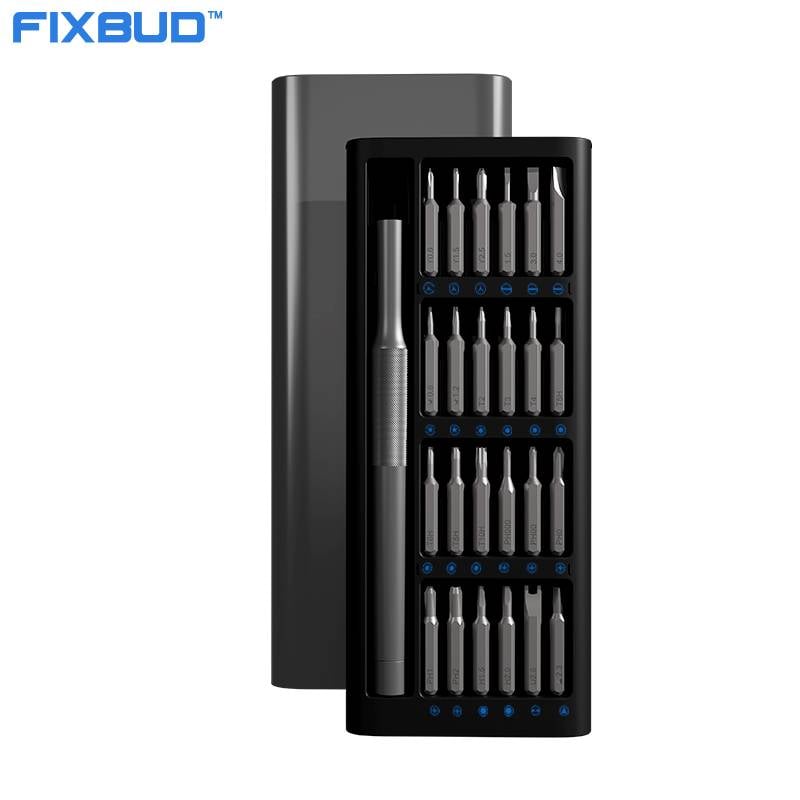
התפתחות ייצור כלים מותאמים
כוחות מניע בשוק מאחורי מגמות התאמה אישית
הנוף התעשייתי חווה טרנספורמציה יוצאת דופן בשנים האחרונות, כאשר חברות מגלות באופן גובר כי כלים סטנדרטיים אינם תמיד עומדים בדרישות הפעילות הייחודיות שלהן. תובנה זו עוררה עניין גובר בשיתוף פעולה עם יצרנים מתמחים שיכולים להתאים עיצובים ליישומים ספציפיים, העדפות משתמש ודרישות מותג. התעשיות האוטומобильית, האווירית והחלל, האלקטרונית והבנייה פעלו במיוחד בבקשת פתרונות מותאמים שמשפרים את הפרודוקטיביות תוך שמירה על תקנים עקביים של איכות.
יכולות ייצור מודרניות הפכו את רכישת פתרונות כלים מותאמים לעסקים למשהו שמתאים מבחינה כלכלית, ללא עלות הגבוהה מסורתית של ציוד מיוחד. טכניקות ייצור מתקדמות, הכוללות עיבוד ממוחשב וכלים ייחודיים בגדלים קטנים עד בינוניים בצורה יעילה. נגישות זו פתחה אפשרויות חדשות לחברות שמבקשות לדייקן את פעולותיהן באמצעות ציוד מותאם למטרה.
שילוב טכנולוגיה בייצור מותאם
השלב של טכנולוגיות מתקדמות בתהליכי ייצור מהפך את הדרך בה מעצבים, מדגמים ומייצרים כלים מותאמים. תוכנת עיצוב בעזרת מחשב מאפשרת מודל링 וסימולציה מדויקים לפני תחילת הייצור הפיזי, מקצרת את זמן הפיתוח ומבטיחה מאפייני ביצועים אופטימליים. יכולות הדפסה תלת-ממדית מאפשרות דימות מהיר, ונותנות ללקוחות אפשרות להעריך את הצורה והפונקציונליות לפני התחייבות לריצה מלאה של ייצור.
מערכות בקרת איכות הפכו ליותר מתוחכמות, וכוללות תהליכי בדיקה אוטומטיים וניתוח סטטיסטי כדי לשמור על תקנים עקביים לאורך ריצות ייצור מותאמות. התקדמות טכנולוגית זו מבטיחה שכל כלי מותאם עומד בדרישות המדויקות הנדרשות, תוך שמירה על האמינות והעמידות הצפויות בסביבות מקצועיות. התוצאה היא מערכת ייצור מסוגלת לספק פתרונות מאוד מיוחדים באותה רמה של ביטחון כמו חלופות המופקות בהמונ masse.
פילוסופיית עיצוב ונושאים ארגונומיים
עקרונות עיצוב ממוקדי-אדם
יצירת כלים מותאמים אישית יעילים דורשת הבנה מעמיקה של אופן האינטראקציה של המשתמשים עם הציוד בסביבות העבודה הספציפיות שלהם. יצרנים מצליחים משקיעים זמן משמעותי בחקר התנהגות המשתמש, תנאי העבודה ודרישות המשימות כדי לכוון את החלטות העיצוב שלהם. גישה המבוססת על מחקר זו מבטיחה שכלים מותאמים אישית לא רק מבצעים את הפונקציות המיועדות להם, אלא גם שומרים על נוחות ויעילות של המשתמש במהלך תקופות שימוש ארוכות.
שקולים ארגונומיים מהווים תפקיד מרכזי בפיתוח כלים מותאמים אישית, שכן ציוד בעל עיצוב לקוי עלול להוביל לעייפות משתמש, ירידה בפרודוקטיביות ובעיות בטיחות פוטנציאליות. על היצרנים לאזן בין מספר גורמים, כולל גאומטריית האחיזה, התפלגות המשקל, בחירת חומרים ו kếtני פני השטח, כדי ליצור כלים שנראים טבעיים ונוחים בידי המשתמשים. תשומת לב זו לגורמים אנושיים מייחדת בין יצרנים איכותיים של כלים מותאמים לבין אלו שממוקדים אך ורק בביצועים פונקציונליים.
בחירת חומרים ואופטימיזציה של הביצועים
בחירת החומרים משפיעה משמעותית על הביצועים וחוויית המשתמש של כלים מותאמים אישית. יצרנים בעלי ניסיון מבינים כיצד חומרים שונים מתנהגים בתנאים שונים של פעולה, ויכולים להמליץ על בחירות אופטימליות בהתאם לדרישות היישום הספציפיות. סגסוגות פלדה, תערובות אלומיניום וחומרי פולימר מיוחדים מציעים כל אחד יתרונות ייחודיים שעליהם יש לשקול בקפידה במהלך תהליך העיצוב.
טיפולים שטחיים וטכניקות גימור משפרים עוד יותר את ביצועי הכלי ועמידותו, ובמקביל תורמים לנוחות המשתמש ולציגת המותג. ציפויים אנטי-חלד, טיפולים עמידים לשחיקה וטקסטורה מדויקת יכולים לשפר בצורה דרמטית את הפונקציונליות ולארוג את חיי השירות. שיקולים אלו דורשים שיתוף פעולה צמוד בין היצרנים והלקוחות כדי להבטיח שתיבחרנה חומרים המתאימים הן לדרישות הביצועים והן לאילוצי התקציב.
שילוב זהות ומיתוג
יכולות מיתוג מותאמות אישית
משתמשים מקצועיים של כלים מעריכים ביתרון ציוד שמשקף את זהות החברה ואת תקני האיכות שלה. מקצועי יצרן ברגים מותאמים אישית מבין שהמונח 'סימן מסחרי' מתרחב מעבר ליישום לוגו פשוט וכולל סכמי צבע, אסתטיקת עיצוב ועקביות חזותית כללית. גישה מקיפה זו לאיחוד הסימן המסחרי עוזרת לחברות לשמור על מראה מקצועי עקבי בכל הציוד והכלים שלהם.
טכניקות מודרניות של סימון והכשרת כלים מאפשרות לייצר אלמנטים של סימן מסחרי מורכבים מבלי להפיג את תפקוד הכלים או עמידותם. חריטת לייזר, הדפסה מדויקת ויישום של ציפויים מיוחדים יכולים ליצור הצגות איכותיות וקבועות של הסימן המסחרי, העומדות בתנאי עבודה קשים. יכולות אלו מאפשרות לחברות לחזק את זהות הסימן המסחרי שלהן, תוך ודאות שהכלים שומרים על מראה מקצועי לאורך כל חיי השירות שלהם.
תקנים ואישורי איכות
ייצור כלים בהתאמה אישית כרוך לעיתים קרובות בעמידה בתקני תעשייה ספציפיים ובדרישות הסמכה המשתנות בהתאם ליישום המיועד ולשווקי היעד. יצרנים חייבים לתחזק מערכות ניהול איכות מקיפות המתעדות את כל היבטי תהליך הייצור, החל מאספקת החומרים ועד לבדיקה ובדיקה סופית. גישה שיטתית זו מבטיחה עקביות ומספקת את המעקב הנדרש ליישומים מקצועיים ותעשייתיים.
תהליכי אימות עלולים לכלול בדיקות חומרים, אימות ביצועים והערכות בטיחות שמבוצעות על ידי מעבדות עצמאיות. דרישות אלו מוסיפות מורכבות לתהליך הייצור אך חיוניות כדי להבטיח שכלים מותאמים עונים על התקנים המחמירים שמצפים להם בסביבות מקצועיות. יצרנים המשקיעים ביכולות אימות מתאימות יכולים לשרת טווח רחב יותר של לקוחות ויישומים בביטחון.
תהליכי ייצור ובקרת איכות
אופטימיזציה של זרימת העבודה בייצור
ייצור יעיל של כלים מותאמים אישית דורש זרימות עבודה מתואמות בקפידה שמשלבות גמישות עם עקביות. יצרנים מצליחים מפתחים תהליכים סטנדרטיים שניתן להתאים כדי לעמוד בדרישות ייחודיות, תוך שמירה על איכות ולוחות זמנים למסירה. גישה זו כוללת טכניקות ייצור מודולריות המאפשרות התאמה אישית מבלי לבנות מחדש לחלוטין את הליכי הייצור עבור כל פרויקט.
מערכות ניהול פרויקטים ממלאות תפקיד מרכזי בקואורדינציה של ייצור כלים מותאמים אישית, ומבטיחות שהגדרות העיצוב, דרישות החומרים ולוחות הזמנים למסירה מטופלים כראוי לאורך כל תהליך הייצור. ערוצי תקשורת ברורים בין צמדי העיצוב, ייצור ובקרת איכות עוזרים למנוע שגיאות ומבטיחים שהציפיות של הלקוח ממומשות באופן עקבי. יכולות ארגוניות אלו הן שغالبا מהוות את ההבחנה בין יצרנים מנוסים של מוצרים מותאמים לבין אלו שמנסים להתאים שיטות ייצור סטנדרטיות.
שיטות בדיקה ואישור
פרוטוקולי בדיקה מקיפים מבטיחים שמכשולים מותאמים אישית יתאימו הן לדרישות הפונקציונליות והן לציפיות החוזקות לפני המסירה ללקוחות. הליכים אלו כוללים בדרך כלל אימות ממדים, בדיקת תכונות חומרים ואימות ביצועים בתנאי פעולה משוחזרים. עקמומיות הדרישות לבדיקה משתנה בהתאם ליישום המיועד ולכל התקנים התעשייתיים הרלוונטיים שעליהם יש לעמוד.
توثيق תוצאות הבדיקה מספק ללקוחות ביטחון בהשקעותיהם במכשולים מותאמים אישית, ובמקביל יוצר משוב בעל ערך לשיפור מתמיד של תהליכי הייצור. מעקב אחר ביצועים ארוכי טווח עוזר לייצרנים לשפר את העיצובים וההליכים שלהם, מה שמוביל לתוצאות טובות יותר בפרויקטים עתידיים. מחויבות זו לאימות ולשיפור מייצגת הצעת ערך משמעותית ללקוחות ששוקלים פתרונות מכשולים מותאמים אישית.
יישומים תעשייתיים ומקרי לימוד
דרישות ספציפיות לפי תחום
לSetBranchים שונים יש אתגרים ייחודיים המשפיעים על עיצוב ותהליך ייצור של כלים מותאמים. לדוגמה, ענף האלקטרוניקה מצריך לעיתים קרובות כלים עם בקרת מומנט מדויקת ותכונות אנטיסטטיות, בעוד שApplications בבנייה עשויות להעדיף עמידות ועמידות בפני תנאי מזג אוויר. הבנת דרישות ספציפיות אלו מאפשרת לייצרנים להמליץ על התאמות עיצוב ובחרי חומרים המתאימים לשיפור הביצועים ליישומים מסוימים.
הסביבה הרגולטורית משתנה גם היא בצורה משמעותית בין תחומים, ומשפיעה על הכול – מהרישיונות של חומרים ועד לדרישות דוקומנטציה. יצרנים המשרתים תחומים מרובים חייבים לשמור על מומחיות רחבה בתחום הסטנדרטים והתקנות השונים, תוך פיתוח תהליכים יעילים בניהול התאמות לסוגי פרויקטים שונים. ידע זה בתחום הרגולציה מייצג יתרון תחרותי משמעותי לייצרנים המשרתים שווקים מקצועיים.
סיפורים מצליחים ותוצאות ללקוחות
יישומים מהעולם האמיתי מדגימים את היתרונות המוחשיים שניתן להשיג באמצעות פתרונות כלים מותאמים אישית בתחומים ויישומים שונים. חברות מדווחות על שיפור בפרודוקטיביות, הפחתת עייפות המשתמש ושיפור בתדמית המקצועית כתוצאות נפוצות של פרויקטים מוצלחים של כלים מותאמים. תועלות אלו מוצדקות לעתים קרובות את ההשקעה הראשונית בפתרונות מותאמים, בזכות שיפור בהספק התפעולי וצמצום בהוצאות ארוכות הטווח.
הערות לקוחות מדגישות לעיתים קרובות את הערך של שותפות עם יצרנים שמבינים את הצרכים הספציפיים שלהם ויכולים להפוך דרישות לפתרונות אפקטיביים. האופי המשותף של פיתוח כלים מותאמים לרוב מוביל ליחסים מתמשכים שמועילים לשני הצדדים, דרך שיפור מתמיד והרחבת מגוון המוצרים. שיתופי פעולה אלו מייצגים את ההצלחה האולטימטיבית ביחסי ייצור מותאמים אישית.
שאלה נפוצה
אילו גורמים על חברות לקחת בחשבון בעת בחירת יצרן ברגים מותאמים אישית
חברות צריכות להעריך יצרנים פוטנציאליים בהתאם ליכולות הטכניות שלהם, מערכות ניהול האיכות והניסיון בהפעלת תעשיות דומות. שיקולים מרכזיים כוללים קיבולת ייצור, גמישות בהתאמה אישית, מומחיות בחומרים ויכולת לעמוד בתקני התעשייה הרלוונטיים. בנוסף, על היצרנים להפגין תהליכי תקשורת ברורים ויכולות ניהול פרויקטים שמבטיחים שיתוף פעולה מוצלח לאורך כל שלבי הפיתוח והייצור.
איך עלות כלי הייצור המותאמים אישית משווית לחלופות הסטנדרטיות
בעוד כלים מותאמים אישית דורשים בדרך כלל השקעה ראשונית גבוהה יותר מאלטרנטיבות סטנדרטיות, הם לרוב מספקים ערך ארוך טווח טוב יותר דרך שיפור ביצועים, עמידות וסיפוק המשתמש. ההבדל בעלויות משתנה בהתאם לדרגת ההתאמה ולנפחי הייצור, אך חברות רבות מגלות ששיפורי תפוקה והורדת עלויות של חלופות מוצדקות את העלות המוגבהת. יצרנים יכולים לספק ניתוחי עלות מפורטים שיעזרו ללקוחות להעריך את העלות הכוללת של בעלות על פתרונות מותאמים לעומת פתרונות סטנדרטיים.
מהן כמויות הזמנה מינימליות טיפוסיות עבור פרוייקטים של כלים מותאמים אישית
כמויות הזמנה מינימליות משתנות במידה רבה בהתאם ליכולות היצרן ולמורכבות ההangepנות הנדרשת. רבים מהיצרנים בעלי ניסיון יכולים לעמוד בהזמנות שמתפרסות מכמויות של דוגמיות ראשוניות ועד להפקה גדולה, עם מבני מחירים המבטאים יתרונות של קנה מידה. המפתח הוא למצוא יצרנים שיכולים לפעול בתוך דרישות הכמות שלך, תוך שמירה על רמות איכות מתאימות ולוחות זמנים למסירה.
מה משך הזמן הרגיל בתהליך פיתוח כלים בהתאמה?
לוחות הזמנים של הפיתוח תלויים במורכבות הפרויקט, בדרישות ההתאמה וביכולות היצרן. שינויי אב טיפוס פשוטים לעיצובים קיימים עשויים להידרש רק מספר שבועות, בעוד שעבור עיצובים חדשים לחלוטין עשויה להידרש תקופה של כמה חודשים, מהרעיון ועד למסירה. יצרנים בעלי ניסיון מספקים לוחות זמנים מפורטים של הפרויקט, הכוללים את שלבי העיצוב, הדוגמיות, הבדיקה והייצור, כדי לסייע ללקוחות לתכנן בצורה נכונה את זמני רכישת הכלים.