 EN
EN

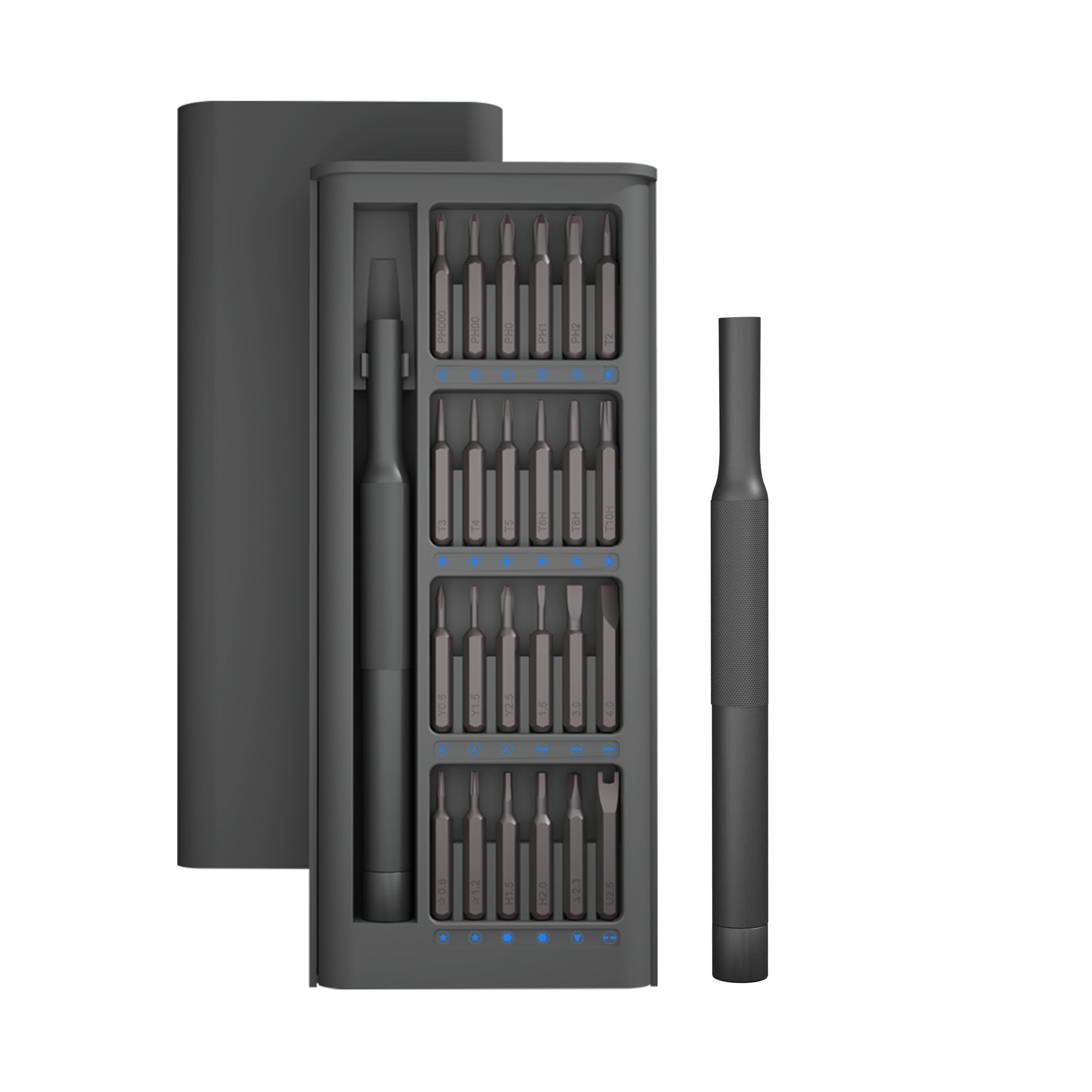
Երբ ձեր բիզնեսի համար մասնագիտացված գործիքներ եք ձեռք բերում, նվազագույն պատվերի քանակը հասկանալը կարևոր է տեղեկացված ձեռքբերումների որոշումներ կայացնելու համար: Աշխատելով վստահելի պիտակով բրգիչների արտադրող պահանջում է MOQ պահանջների, ծախսերի հետևանքների և արտադրության ժամանակացույցների զգոն դիտարկում: Շատ ընկերություններ դժվարանում են իրենց անմիջական կարիքները համատեղել ավելի մեծ պատվերների տնտեսական օգուտների հետ, ինչը MOQ-ի բանակցությունները դարձնում է հաջող գործընկերությունների կարևոր կետ: Այս համապարփակ ուղեցույցը ուսումնասիրում է հատուկ բուրգիչների համար նվազագույն պատվերի քանակների բարդությունները՝ օգնելով ձեզ շրջանցել արդյունաբերական մատակարարման բարդությունները և առավելագույնի հասցնել ձեր ներդրումների արժեքը:
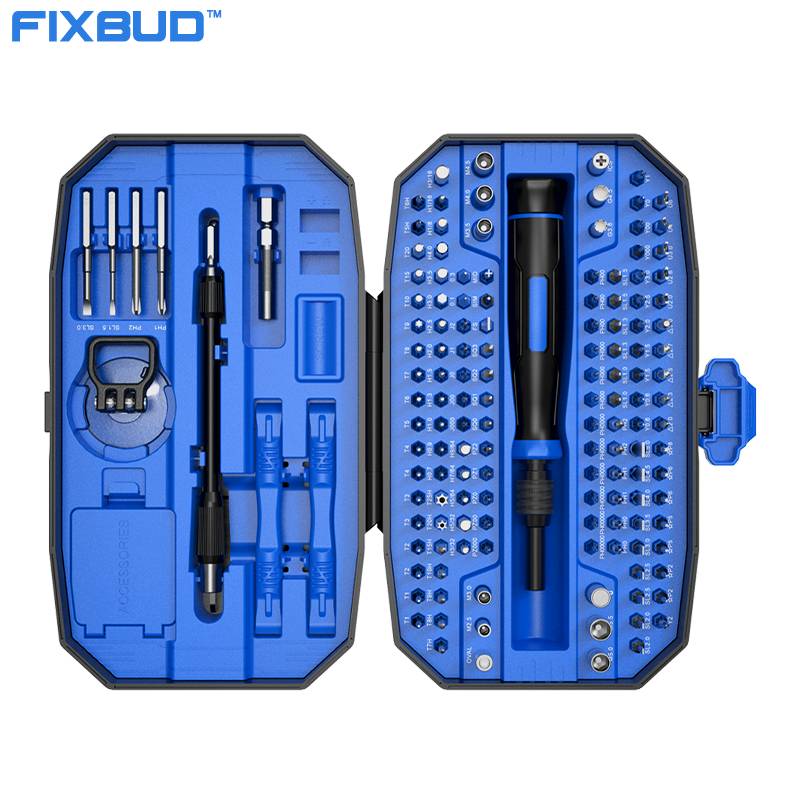
Նվազագույն պատվերի հիմունքների հասկացությունը գործիքների արտադրության մեջ
Նվազագույն պատվերների հետևանքով տնտեսական սկզբունքներ
Արտադրության արդյունավետությունը շարժառիթ է հանդիսանում նվազագույն պատվերի քանակների հասկացության համար, որտեղ մասշտաբի տնտեսությունը կտրուկ ազդում է արտադրության ծախսերի վրա։ Պատվերի ծավալների վրա բաշխվող ֆիքսված ծախսեր ստեղծող հարմարանքների հատուկ սարքավորումների, նյութերի ձեռքբերման և հատուկ արտադրական գործընթացների սկզբնական ծախսերը: Չափահաս բանալիների արտադրողը սովորաբար ներդնում է մեծ ռեսուրսներ արտադրական գծերի պատրաստման, սարքավորումների կարգավորման և որակի ստանդարտների ապահովման մեջ՝ արտադրությունն սկսելուց առաջ: Այս նախապատրաստական ծախսերը հաստատուն են՝ անկախ պատվերի չափից, ինչը փոքր պատվերները դարձնում է համամասշտաբ ավելի թանկ մեկ միավորի համար:
Պատվերով գործիքների արտադրության շահավետության վերլուծությունը ցույց է տալիս, թե ինչու են արտադրողները սահմանում նվազագույն պատվերի քանակի (MOQ) շեմեր։ Մեծ ծավալներով հումքի ձեռքբերման հնարավորությունը կտրուկ աճում է, ինչը թույլ է տալիս արտադրողներին ավելի լավ գներով համաձայնեցնել պողպատի մատակարարների և բաղադրիչների մատակարարների հետ։ Աշխատանքի արդյունավետությունը նույնպես բարելավվում է, երբ արտադրության շարունակությունը գերազանցում է սկզբնական սարքավորման ժամանակահատվածը, քանի որ աշխատողները ձեռք են բերում ռիթմ և փորձառություն՝ յուրաքանչյուր պատվերով դիզայնի համար բնորոշ։ Որակի վերահսկման գործընթացները ավելի շահավետ են դառնում, երբ տարածվում են մեծ լոտերի վրա, ինչը նվազեցնում է ստուգման և փորձարկման ընթացակարգերի մեկ միավորի ազդեցությունը։
Արդյունաբերական ստանդարտներ և սովորական պահանջներ
Ստանդարտային MOQ պահանջները զգալիորեն տարբերվում են կախված արտադրողների շարքերից և մասնագիտացման մակարդակից: Խոշոր արդյունաբերական արտադրողները հաճախ պահանջում են նվազագույն պատվերներ՝ 500-ից մինչև 5,000 հատ հատուկ բանալիների նախագծերի համար՝ կախված բարդությունից և հարմարեցման մակարդակից: Մասնագիտացված փոքր արտադրողները կարող են ընդունել ավելի փոքր պատվերներ՝ 100-ից մինչև 500 հատ, սակայն սովորաբար գանձում են բարձր գներ՝ հատուկ մասշտաբի նվազագույն էֆեկտը հաշվի առնելու համար: Պատվերի չափի և մեկ միավորի արժեքի միջև հարաբերակցությունը հետևում է կանխատեսելի կորի, որտեղ ամենազգալի գնի իջեցումները տեղի են ունենում 100-ից մինչև 1,000 հատ քանակների միջև:
Երկրագրական գործոնները նույնպես ազդում են MOQ կառուցվածքների վրա, քանի որ տարբեր շրջաններում գտնվող արտադրողները գործում են տարբեր ծախսերի և շուկայական պայմանների հիման վրա: Ասիական արտադրողները, որպես կանոն, առաջարկում են ավելի ցածր MOQ-ներ՝ շնորհիվ մրցակցային շուկայական ճնշումների և հաստատված մատակարարման շղթայի արդյունավետության: Եվրոպական և Հյուսիսամերիկյան արտադրողները հաճախ ավելի բարձր պատվերներ են պահանջում, սակայն առաջարկում են ավելի բարձր որակի վերահսկողություն և արագ կապ արտադրության ընթացքում: Այս տարածաշրջանային տարբերությունները հասկանալով՝ կարող է ավելի լավ ընտրել մատակարարներին՝ հիմնվելով կոնկրետ նախագծի պահանջների և բյուջետային սահմանափակումների վրա:
MOQ-ի բանակցությունների ռազմավարական մոտեցումներ
Օգտագործել ծավալային պարտավորությունները ազդեցություն ստեղծելու համար
MOQ-ի հաջող բանակցությունների համար անհրաժեշտ է արտադրողներին ցուցադրել երկարաժամկետ արժեքային առաջարկ՝ մեկ պատվերից ավելին: Տարեկան ծավալային կանխատեսումները և բազմամասն մատակարարման հնարավորությունները համոզիչ պատճառներ են արտադրողների համար՝ նվազեցնելու նվազագույն պատվերի պահանջները: Ա պիտակով բրգիչների արտադրող արժևորում է այն գործընկերություններին, որոնք երկարաժամկետ բիզնեսի հոսք են ապահովում, ինչը նրանց ավելի ճկուն դարձնում է սկզբնական պատվերի քանակների հարցում, եթե ապագայում պարտավորվածությունները կարող են լինել զգալի: Շուկայի վերլուծության կամ գոյություն ունեցող հաճախորդների պայմանագրերի միջոցով ծավալների կանխատեսմանը աջակցող փաստաթղթերը զգալիորեն ամրապնդում են բանակցային դիրքերը:
Ժամանակի հարցերը կարևոր դեր են խաղում MOQ-ի ճկունության հարցում, քանի որ արտադրողները հաճախ ունենում են հզորության դատարկություններ, որոնք պետք է լրացվեն: Ավանդական ավելի դանդաղ շրջադարձերին պատվերներ նախապատրաստելը կարող է հանգեցնել նվազագույն պահանջների կրճատման կամ ավելի լավ գնային կառուցվածքների: Գործիքների արտադրության սեզոնային օրինաչափությունների հասկանալը օգնում է նույնականացնել այն օպտիմալ բանակցային պատուհանները, երբ արտադրողները արտադրողականությունը պահպանելու համար ավելացված գործարքներ են փնտրում: Մատուցման ժամանակացույցի ճկունությունը նույնպես կարող է բանակցային առավելություն տալ, թույլ տալով արտադրողներին օպտիմալ կերպով կազմակերպել արտադրական պլանավորումը և ռեսուրսների բաշխումը:
Ընկերության այլընտրանքային կառուցվածքներ
Ստեղծագրական պատվերի կառուցվածքը կարող է արդյունավետորեն նվազեցնել ակնհայտ MOQ խոչընդոտները՝ համապատասխանելով արտադրողի պահանջներին: Լրիվ գնման պատվերները՝ հաճախադեպ ապաքինումներով, թույլ են տալիս ընկերություններին փոխարինել ավելի մեծ ընդհանուր քանակներին՝ տարածելով առաքումները երկարաձգված ժամանակահատվածների վրա: Այս մոտեցումը բավարարում է արտադրողի ծավալային պահանջներին՝ կառավարելով դրամական միջոցների շրջանառությունը և պահեստամասերի կրելու ծախսերը գնողների համար: Փոխադարձ գործիքավորման դասավորությունները թույլ են տալիս ստեղծարարության փուլերով աճ, սկսելով փոքր սկզբնական շրջաններով և ընդլայնվելով՝ կախված շուկայական պատասխանից:
Այլ ընկերությունների հետ կոնսորցիումների կազմակերպումը, որոնք բախվում են նույն MOQ մակարդակին, հնարավորություն է ստեղծում ընդհանուր պատվերների և առանձին պարտավորությունների նվազեցման համար: Արդյունաբերական ասոցիացիաները և գնումների խմբերը հաճախ հեշտացնում են նման համագործակցությունը՝ թույլատվելով փոքր ընկերություններին մատչելի դարձնել խոշորածավալ գներ, միաժամանակ արտադրողների նվազագույն պահանջներին համապատասխանելով: Համատեղ ձեռնարկությունները և ռազմավարական գործընկերությունները նույնպես կարող են բացել ճանապարհ ավելի մեծ պատվերների դեպի համատեղ գնումների ուժի և ընդհանուր շուկայական հնարավորությունների միջոցով:
Ծախսերի վերլուծություն և ֆինանսական պլանավորում
Ծախսերի ընդհանուր հաշվարկ
Ընդհանուր ծախսերի վերլուծությունը տարածվում է միավորի գնից դուրս՝ ներառելով պահեստային ներդրումների ծախսերը, պահեստավորման պահանջները և շահագործման կապիտալի հետ կապված հետևանքները: MOQ պահանջներին բավարարելու համար ավելի մեծ պատվերների տվելը ստեղծում է պահեստային ներդրումներ, որոնք պետք է եկամուտ առաջացնեն միավորի ցածր արժեքի միջոցով կամ գործառնական արդյունավետության բարելավմամբ: Ներդրված կապիտալի տոկոսային ծախսերը, պահեստավորման սարքավորումների ծախսերը և պահեստային կառավարման ծախսերը ներդրում են ընդհանուր սեփականության ծախսերի մեջ, որոնք կարող են հակազդել ավելի մեծ պատվերներից ակնհայտ տնտրականություններին:
Ռիսկերի գնահատումը կրիտիկական դառնում է MOQ-ի նկատմամբ պարտավորությունները գնահատելիս, քանի որ շուկայական պահանջարկի տատանումները կարող են ձեռնարկություններին թողնել ավելցուկային պաշարներով: Ապրանքի կյանքի տևողության դիտարկումները ազդում են պատվերի օպտիմալ չափի վրա. հաստատված ապրանքները աջակցում են ավելի մեծ պարտավորությունների, մինչդեռ նորարարական կամ սեզոնային ապրանքները պահանջում են ավելի պահպանողական մոտեցումներ: Պահեստի համար ապահովագրության ծախսերն ու հնացման հնարավոր կորուստները պետք է հաշվի առնվեն MOQ-ին հիմնված ձեռքբերումների ֆինանսական պլանավորման ընթացքում:
Գործարկային կանխի կառավարման ռազմավարություններ
Վճարման պայմանների համաձայնեցումը հաճախ ուղեկցում է MOQ քննարկումներին՝ ստեղծելով հնարավորություններ մեծացված պատվերների գործարկային կանխի վրա ազդեցությունը բարելավելու համար: Արտադրության էտապներին համապատասխան աստիճանական վճարման գրաֆիկները կարող են նվազեցնել նախնական կապիտալի պահանջատերությունները՝ համատեղելով արտադրողի գործարկային կանխի պահանջների հետ: Վճարման նամակները և այլ ֆինանսական գործիքները ապահովում են արտադրողի համար անվտանգություն՝ պահպանելով գնողի լիքվիդությունը երկարաձգված արտադրության ընթացքում:
Լրացուցիչ կանխի շարժը պետք է համապատասխանի MOQ-ի ժամանակացույցին՝ նվազագույնի հասցնելով ֆինանսական լարվածությունը ձեռքբերման ցիկլերի ընթացքում: Արտադրողի վճարման նախընտրությունները հասկանալը և վստահության հարաբերություններ հաստատելը կարող է բարելավել համաձայնակերպման դիրքերը՝ նվազեցնելով գործարքների ծախսերը: Որոշ արտադրողներ որակավորված գնողների համար առաջարկում են ֆինանսավորման դասավորություններ կամ երկարաձգված վճարման պայմաններ, որոնք փոխարինում են MOQ-ի ազդեցությունը շրջանառվող կապիտալի վրա:
Մեծ պատվերների դեպքում որակի համար հաշվի առնելի գործոններ
Ստուգման և փորձարկման կանոնակարգեր
Մեծ պատվերների դեպքում անհրաժեշտ են հզոր որակի ապահովման ծրագրեր՝ ամբողջ արտադրական շարքերում տարածված թերությունները կանխելու համար: Առանձին գործիքների ստուգումից խուսափելու և որակի հաստատման արդյունավետ ծախսեր ունենալու համար անհրաժեշտ են վիճակագրական նմուշառման մեթոդներ: Արտադրությունից առաջ նմուշների վերցումը և առաջին հոդվածի ստուգումը հնարավորություն են տալիս խնդիրները հայտնաբերել ամբողջական արտադրությանը անցնելուց առաջ: Պատվերի մեծ քանակների դեպքում պետք է սահմանված լինեն որակի հստակ սահմանումներ և ընդունման չափանիշներ՝ վեճերը կանխելու համար:
Գործընթացի միջև հսկողության համակարգերը օգնում են պահպանել որակի համաձայնեցվածություն երկարատև արտադրական շարքերի ընթացքում, որը տիպիկ է MOQ-ի չափով պատվերների համար: Պարբերաբար որակի զեկուցումները և արտադրության թարմացումները թույլատրում են վաղ միջամտություն, երբ առաջանում են շեղումներ, և կանխում որակի խնդիրների ազդեցություն ամբողջ պատվերի քանակի վրա: Կողմնակի զննման ծառայություները անկախ ստուգման միջոցով հաստատում են որակի ստանդարտները՝ պահպանելով մատակարարների հետ հարաբերություների օբյեկտիվություն:
Սպեցիֆիկացիաների կառավարում
Նախագծի փակման ընթադարձակարգերը կարևոր դեր են խաղում խոշոր պատվերների դեպքում, որտեղ արտադրության ընթացքում կատարված փոփոխությունները կարող են հանգեցնել զգալի ծախսերի և ուշացումների: Պետք է սահմանված լինեն փոփոխությունների կառավարման հստակ ընթադարձակարգեր, որոնք որոշում են արտադրության ընթացքում սպեցիֆիկացիաների ցանկացած փոփոխության ծախսային հետևանքներն ու ժամանակային ազդեցությունը: Տարբերակների կառավարման համակարգերը օգնում են հետևել հաստատված սպեցիֆիկացիաներին և կանխել անիրավացի փոփոխություններ, որոնք կարող են ազդել որակի կամ գործառույթների վրա:
Նյութերի հետևողականության պահանջները հաճախ աճում են կախված պատվերի չափից, հատկապես այն դեպքերում, երբ պահանջվում է համապատասխանության վկայականներ կամ երաշխիքային ծածկույթ: Փաստաթղթավորման համակարգերը պետք է գրանցեն նյութերի աղբյուրները, մշակման պարամետրերը և որակի փորձարկումների արդյունքները յուրաքանչյուր արտադրական շարքի համար: Այս գրառումները տրամադրում են արժեքավոր տեղեկություններ խնդիրներ լուծելու համար, եթե առաջանան որակի հարցեր առաքման հետևանքով, և աջակցում են անընդհատ բարելավման նախաձեռնություններին՝ ապագա պատվերների համար:
Ժամանակացույց և արտադրության պլանավորում
Արտադրության առաջնատար ժամանակի գործոններ
Նվազագույն պատվերի չափի համար արտադրության ծրագրավորումը պահանջում է խիստ համակարգում գնողի պահանջների և արտադրողի հզորության սահմանափակումների միջև: Մեծ պատվերների դեպքում հումքի ձեռքբերման առաքման ժամանակը հաճախ երկարում է, քանի որ հումքի մատակարարներին կարող է ավելի շատ ժամանակ պահանջվել մեծ քանակներ բավարարելու համար: Պատվիրված ձևավորման և կարգավորման պահանջները ավելացնում են ֆիքսված ժամանակային բաղադրիչներ, որոնք հաստատուն են՝ անկախ պատվերի չափից, ինչը մեծ պատվերները դարձնում է ավելի ժամանակատար արդյունավետ մեկ միավորի համեմատությամբ:
Երբ արտադրության ծավալները մոտենում են արտադրողի սահմաններին կամ պահանջում են նվիրված արտադրական գծի հատկացում, կարևոր է դառնում հզորության պլանավորումը: Արտադրողի արտադրական հնարավորությունների և արդեն գոյություն ունեցող պատվերների հետևանքների հասկանալը օգնում է սահմանել իրատեսական առաքման սպասելիքներ և նույնականացնել հնարավոր խցանումներ: Գործիքների ոլորտում սեզոնային պահանջարկի օրինաչափությունները կարող են զգալիորեն ազդել հասանելի հզորության և արտադրության ծրագրավորման ճկունության վրա:
Պահեստի կառավարման ինտեգրում
Մեծ MOQ պատվերների դեպքում ճիշտ ժամանակահատվածում առաքման կոորդինացումը դառնում է բարդ, ինչը պահանջում է բարդ պաշարների պլանավորում՝ փոխադրման ծախսերը համատեղելու գործառնական պահանջների հետ: Պահեստային կազմակերպումը կարող է պահանջել ընդլայնում կամ փոփոխություն՝ հնարավոր դարձնելու մեծ քանակներով առաքումները՝ պահպանելով նյութերի արդյունավետ շրջանառումը: Գոյություն ունեցող պաշարների կառավարման համակարգերի ինտեգրումը ապահովում է ստացված նյութերի ճիշտ հետևումն ու բաշխումը ներքին գործընթացների ընթացքում:
Բաշխման պլանավորումը պետք է ներառի պահեստավորման վայրերի օպտիմալացում և տրանսպորտային տրամադրություններ մեծ քանակներով առաքումների համար: Տարածաշրջանային բաշխման ռազմավարությունները կարող է պահանջել մի քանի առաքման վայրերի միջև համակարգավորում՝ բեռնափոխադրական ծախսերը նվազագույնի հասցնելու և նվազեցնելու բազմակի մշակման անհրաժեշտությունը: Ավտոմատացված պաշարների համակարգերը օգնում են կառավարել մեծ պաշարներ՝ իրական ժամանակում տեղեկություն տրամադրելով սպառման օրինաչափությունների և վերակազմակերպման պահանջների մասին:
Հաճախադեպ տրվող հարցեր
Ի՞նչ գործոններ են որոշում հատուկ պտուտակահարների նվազագույն պատվերի քանակը (MOQ)
Նվազագույն պատվերի քանակի (MOQ) պահանջները հիմնականում կախված են տեղադրման ծախսերից, նյութերի ձեռքբերման արդյունավետությունից և արտադրական գծի օպտիմալացման գործոններից։ Հատուկ սարքավորումներ պահանջող բարդ հարմարեցումները, որպես կանոն, մեծացնում են նվազագույն պատվերի քանակը, իսկ ստանդարտ փոփոխությունները կարող են ունենալ ավելի ցածր շեմ։ Արտադրության վայրը, արտադրական հզորությունը և ընթացիկ պատվերների հետաձգված ցանկը նույնպես ազդում են MOQ-ի որոշման վրա. հաստատված արտադրողներն ավելի հաճախ ավելի մեծ ճկունություն ունեն, քան փոքր արտադրողները։
Փոքր ձեռնարկությունները ինչպե՞ս կարող են հաղթահարել բարձր նվազագույն պատվերի քանակի պահանջները
Փոքր ձեռնարկությունները կարող են համատեղ միավորվել այլ ընկերությունների հետ՝ ստեղծելով խմբային գնումներ, համաձայնեցնել ընդհանուր գնումներ պայմանավորված առաքման ժամանակացույցով, կամ փնտրել հատուկ արտադրողներ, ովքեր սպասարկում են փոքր շուկայական հատվածներ: Մատակարարների հետ երկարաժամկետ հարաբերություններ կառուցելը հաճախ հանգեցնում է MOQ-ի ճկուն կիրառմանը, հատկապես երբ ցուցադրվում է աճի ներուժ և կանոնավոր պատվերների օրինաչափություն: Այլընտրանքային արտադրանքների մոտեցումներ, ինչպիսին կիսահատուկ լուծումներն են, նույնպես կարող են առաջարկել արդյունավետ արժեքով տարբերակներ՝ ցածր նվազագույն պահանջներով:
Ի՞նչ որակային ռիսկեր կան մեծ MOQ պատվերների դեպքում
Մեծ պատվերները կարող են հանգեցնել ընդհանուր որակի խնդիրների, եթե առաջանան արտադրության ընթացքում սխալներ, որի համար անհրաժեշտ են հզոր ստուգման կարգավորումներ: Որակի արդյունավետ ստուգման համար կարևոր է ստատիստիկական նմուշառումը՝ հնարավոր դարձնելով մեծ քանակների ստուգումը: Տեխնիկական պայմանների վերջնական հաստատումը և փոփոխությունների կառավարման ընթացակարգերը օգնում են կանխել արտադրության ընթացքում միջադեպերը, որոնք կարող են վնասել ամբողջ պատվերի ընդհանուր որակի համապատասխանությունը:
Ինչպես են սովորաբար աշխատում վճարման պայմանները MOQ չափի պատվերների դեպքում
Վճարման կառուցվածքները հաճախ ներառում են արտադրության էտապներին կամ մատակարարման ժամանակացույցին համապատասխան պրոգրեսիվ վճարումներ հանձնարարականի վճարման նախնական վճարներ։ Կրեդիտային նամակները ապահովում են արտադրողների անվտանգությունը՝ պահպանելով գնողի դրամական միջոցների շրջանառությունը, հատկապես միջազգային գործարքների դեպքում։ Որոշ արտադրողներ առաջարկում են ֆինանսավորման դասավորություններ կամ երկարաձգված վճարման պայմաններ որակավորված գնողների համար, նվազեցնելով ավելի մեծ պատվերների դրամական միջոցների վրա ունեցած ազդեցությունը՝ համապատասխանելով արտադրողի դրամական միջոցների շրջանառության պահանջներին:
Բովանդակության ցուցակ
- Նվազագույն պատվերի հիմունքների հասկացությունը գործիքների արտադրության մեջ
- MOQ-ի բանակցությունների ռազմավարական մոտեցումներ
- Ծախսերի վերլուծություն և ֆինանսական պլանավորում
- Մեծ պատվերների դեպքում որակի համար հաշվի առնելի գործոններ
- Ժամանակացույց և արտադրության պլանավորում
-
Հաճախադեպ տրվող հարցեր
- Ի՞նչ գործոններ են որոշում հատուկ պտուտակահարների նվազագույն պատվերի քանակը (MOQ)
- Փոքր ձեռնարկությունները ինչպե՞ս կարող են հաղթահարել բարձր նվազագույն պատվերի քանակի պահանջները
- Ի՞նչ որակային ռիսկեր կան մեծ MOQ պատվերների դեպքում
- Ինչպես են սովորաբար աշխատում վճարման պայմանները MOQ չափի պատվերների դեպքում