 EN
EN

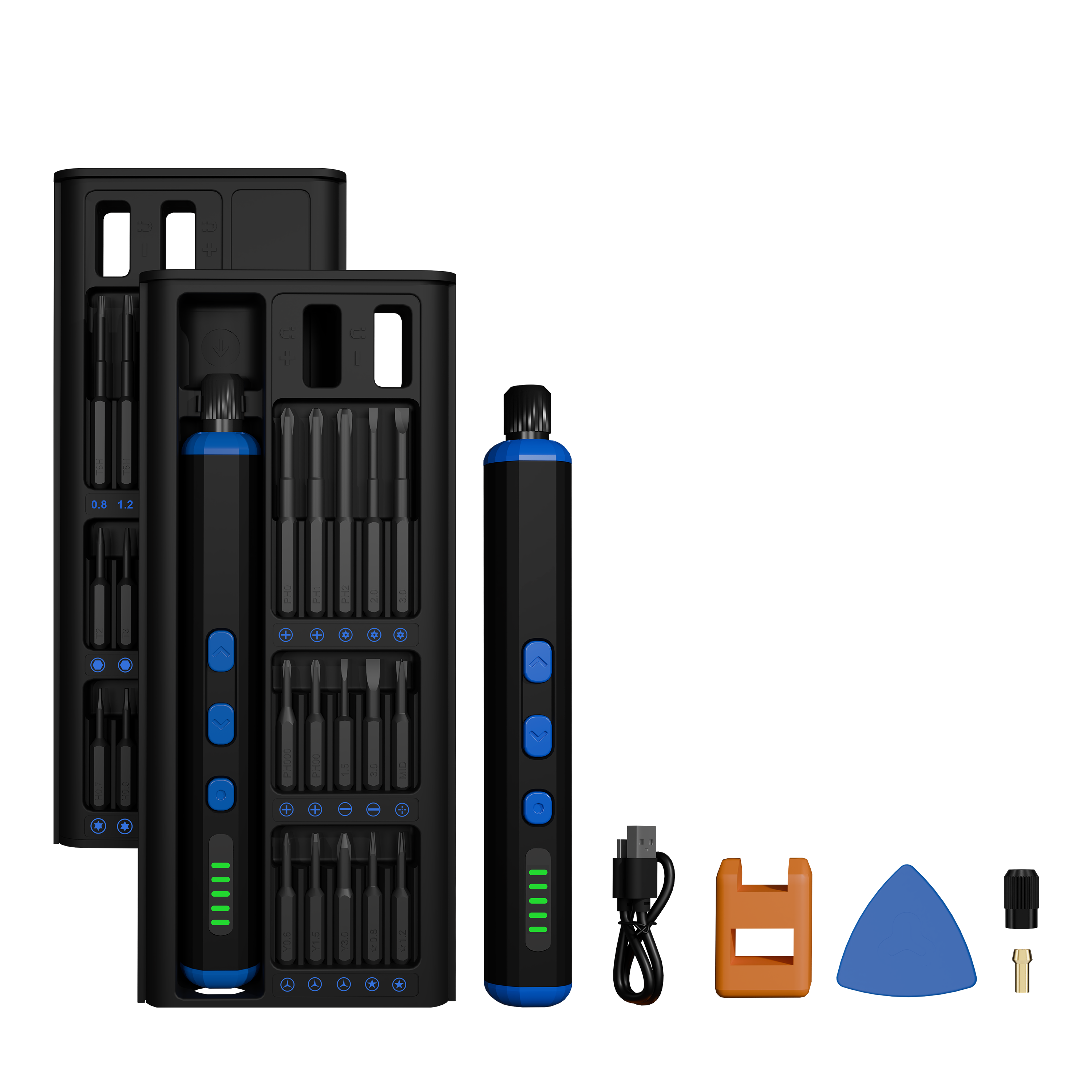
Աշխատելով հետ մեծ քանակությամբ բերդապտուտիչների մատակարար կարող է բացահայտել նշանակալի ծախսերի առավելություններ արտադրության, սպասարկման, մանրածախ տարածման և շենքերի կառավարման ոլորտներում գործող ձեռնարկությունների համար: Սակայն մատակարարման մենեջերները մշտապես առաջացնում են ոչ թե գների բանակցությունների կամ տրանսպորտային տրամադրման, այլ՝ յուրաքանչյուր առանձին պատվերի ընթացքում ապրանքի որակի համասեռությունը պահպանելու մասին խնդիրը: Երբ դուք հազարավոր կամ տասնյակ հազարավոր պտտակներ եք գնում, նույնիսկ փոքր թերորակության մակարդակը կարող է հանգեցնել գործառնական խափանումների, երաշխիքային պահանջների և հաճախորդների հետ հարաբերությունների վնասման: Յուրաքանչյուր պատվերի ցիկլից առաջ, ընթացքում և հետո ձեր որակի ստանդարտները պաշտպանելու մեխանիզմները հասկանալը է այն, ինչը տարբերակում է իմաստուն մատակարարման ռազմավարությունը թանկարժեք սխալից:
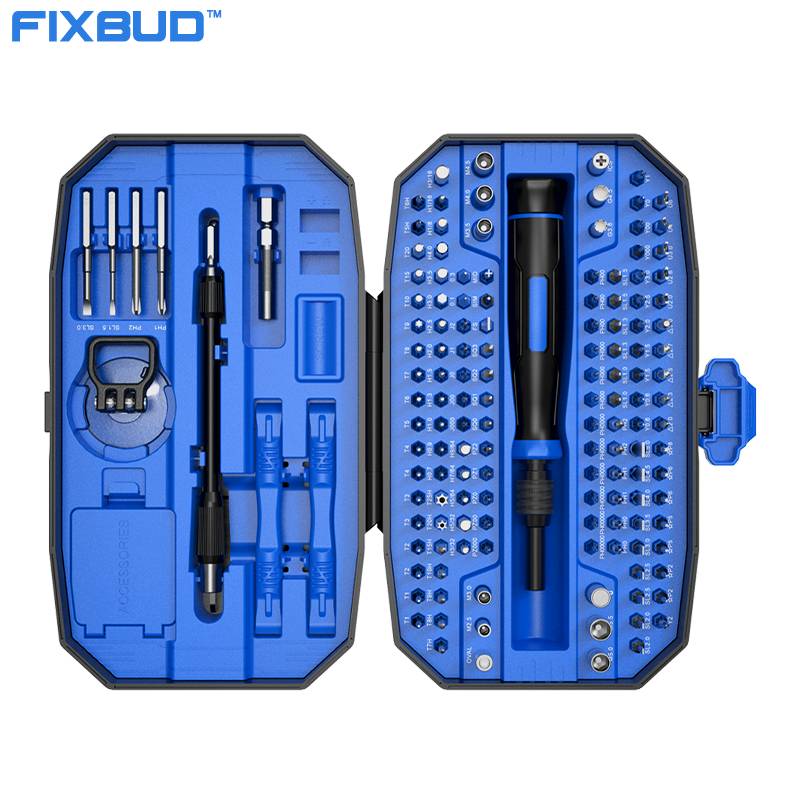
Այս ձեռնարկը նախատեսված է օգնել ձեռնարկություններին ստեղծել և իրագործել որակի ապահովման համակարգեր այն ժամանակ, երբ նրանք մասնակցում են մեծ քանակությամբ բերդապտուտիչների մատակարար ցանկացած մասշտաբով։ Արդյոք դուք ձեր առաջին խոշոր պատվերն եք տալիս, թե՞ վերաբանակցում եք գոյություն ունեցող մատակարարման պայմանագիրը, այստեղ ներկայացված սկզբունքները տարածվում են բոլոր արդյունաբերության ճյուղերի և ապրանքային կատեգորիաների վրա։ Նպատակն է անցնել ռեակտիվ որակի կառավարմանից՝ հայտնաբերելով խնդիրները առաքման հետո, դեպի պրոակտիվ որակի վերահսկում, որը սկզբում կանխարգելում է թերությունների մուտքը ձեր մատակարարման շղթայի մեջ։ Այս ռազմավարությունները համապատասխանաբար կիրառելիս ընկերությունները կարող են կառուցել երկարաժամկետ մատակարարային հարաբերություններ՝ հիմնված թափանցիկության, չափելի ստանդարտների և փոխադարձ պատասխանատվության վրա։
Իրականում ինչ է նշանակում որակի համատեղելիությունը մեծ քանակով պատվերների դեպքում
Որակի չափանիշների սահմանումը՝ մակերեսային տեսքից դուրս
Շատ գնորդներ սխալվում են՝ որակը համարելով միայն վիզուալ տեսքի համարժեք։ Խաչաձև բանալիների մեծ քանակով մատակարարի գնահատման ժամանակ մակերեսի վերջնական մշակումը և քրոմապատումը կարող են թվալ անբացատրելի օրինակների վրա, սակայն հիմնական նյութի կարծրությունը, ծայրի երկրաչափությունը և պտտման մոմենտի թույլատրելի սահմանները կարող են զգալիորեն տարբերվել արտադրական սերիաների միջև։ Համաստեղ որակը նշանակում է, որ յուրաքանչյուր առաքված միավորը յուրաքանչյուր պատվերի համար համապատասխանում է նույն չափելի տեխնիկական պարամետրերին, ոչ թե միայն նույն վիզուալ տպավորությանը։ Ճշգրիտ որակի ստանդարտի սահմանումը սկսվում է ձեր վերջնական օգտագործման կիրառման համար ամենակարևոր գործոնների սահմանմամբ։
Ճշգրտության բարձր պահանջներ ունեցող էլեկտրոնային կիրառումների համար սրվածքի ծայրի ճշգրտությունը և վիճակագրական հատկությունները կարող են ունենալ կարևորագույն նշանակություն: Ծանր սպասարկման միջավայրերում կարևոր են բռնակի էրգոնոմիկան և բազուկի դիմացկունությունը՝ կրկնվող պտտման մոմենտի բեռնվածքի պայմաններում: Հավաստի մեծածախ սրվածքավոր բանալիների մատակարարը պետք է պատրաստ լինի քննարկել և փաստաթղթել այս պարամետրերը՝ մինչև ցանկացած գնման պատվերի վերջնականացումը: Եթե մատակարարը դժվարանում է տեխնիկական սպեցիֆիկացիաների քննարկման մեջ մասնակցել, դա ինքնին զգուշացման սիգնալ է նրա որակի կառավարման հասունության մասին: Ձեր համեմատման հիմնարար փաստաթուղթը պետք է նվազագույնը ներառի նյութի մակարդակը, կարծրության գնահատականը, բռնակի նյութը, սրվածքի ճշգրտության սահմանային թույլատրելի շեղումները և մակերեսի մշակման ստանդարտը:
Նույնքան կարևոր է տարբերակել թույլատրելի շեղումները անթույլատրելի սխալներից: Ցանկացած մեծ ծավալով արտադրության գործընթացում որոշ չափաբաժնային շեղումներ բնական են և կարող են մտնել սահմանված թույլատրելի շեղման սահմանների մեջ: Դուք պետք է կանխեք համակարգային շեղումները՝ այն օրինակները, երբ ամբողջ արտադրական շարքը աննկատելի կերպով շեղվում է սահմանված պահանջներից: Ձեր մեծ ծավալով պտտիչների մատակարարի հետ գրավոր ձևակերպված թույլատրելի շեղման սահմանները ստեղծում են ընդհանուր հղման կետ, որը պաշտպանում է երկու կողմերին և պարզեցնում է որակի խնդիրների դեպքում վեճերի լուծումը:
Շարքից շարք համատեղելիությունը՝ որպես մատակարարի հավաստիության իրական չափանիշ
Մեկ լավ մատակարարումը չի հաստատում, որ մեծ քանակով պտտվող գործիքներ մատակարարող ընկերությունը ունի համապատասխան արտադրական գործընթացներ: Իրական փորձարկումը այն է, թե երկրորդ, հինգերորդ և տասներորդ պատվերները նույն որակը են ապահովում, ինչ առաջին պատվերը: Սերիայից սերիա համապատասխանությունը մեծապես կախված է նրանից, թե արդյոք մատակարարը վերահսկում է իր սեփական արտադրությունը, թե հիմնված է ենթապայմանավորված արտադրամասերի վրա, որոնք առանց նախազգուշացման կարող են փոխվել: Գնորդները պետք է պահանջեն մատակարարի արտադրական շղթայի մասին բացատրություններ, ներառյալ այն տեղեկությունը, թե արդյոք արտադրությունը իր սեփական արտադրամասերում է իրականացվում, թե այն ենթապայմանավորված է:
Այն մատակարարները, որոնք ունեն կայուն ներքին արտադրական գործընթացներ, սովորաբար ավելի լավ սերիայի համատեղելիություն են ցուցաբերում, քանի որ նրանք անմիջապես վերահսկում են հումքի մատակարարման, մշակման պարամետրերի և որակի ստուգման կետերի ընտրությունը: Երբ ներգրավված են ենթապայմանագրային մատակարարներ, մատակարարային շղթայի յուրաքանչյուր մակարդակ որակի փոփոխականության հնարավոր կետ է ներմուծում: Հուսալի մեծածախ ստեղնահարմարիչների մատակարարը կլինի թափանցիկ իր արտադրական կառուցվածքի վերաբերյալ և կունենա փաստաթղթավորված ընթացակարգեր ենթապայմանագրային մատակարարների որակի կառավարման համար: Եթե այս տեղեկատվությունը հասանելի չէ կամ անորոշ է, պահանջեք գործարանի աուդիտի իրավունքներ ձեր մատակարարման պայմանագրի մաս լինելու համար:
Մեկ ավելի շատ պատվերների վրա որակի մետրիկների հսկումը՝ ներառյալ բացակայությունների մակարդակը, չափսերի շեղումները և հաճախորդների վերադարձման տվյալները, ձեզ տալիս է ձեր մատակարարի իրական համասեռության մակարդակի մասին փաստացի պատկեր: Այս տվյալները պետք է անմիջապես օգտագործվեն եռամսյակային կամ կես տարվա ընթացքում իրականացվող մատակարարների կատարման վերլուծություններում: Ժամանակի ընթացքում դիտվող օրինակը շատ ավելի ցուցադրական է, քան ցանկացած առանձին ստուգման արդյունքը, և այն պետք է ուղղորդի որոշումները պատվերի չափսի, երկու մատակարարների օգտագործման ստրատեգիայի և պայմանագրի վերանայման պայմանների վերաբերյալ:
Նախապատվերային որակի համակարգեր, որոնք պաշտպանում են յուրաքանչյուր գնումը
Մանրամասն ապրանքի սպեցիֆիկացիայի թերթիկի ստեղծում
Մինչև խոշոր պատվեր տալը մեծ քանակությամբ պտտվող գործիքների մատակարարին, ամենաարժեքավոր ժամանակի ներդրումը մանրամասն ապրանքի տեխնիկական հատկացուցիչների ցուցակի ստեղծումն է: Այս փաստաթուղթը ձեր որակի նկատմամբ սպասելիքների և մատակարարի արտադրական արդյունքի միջև հանդիսանում է տեխնիկական պայմանագիր: Այն պետք է ներառի սրային ծայրի տեսակը և թույլատրելի շեղումը, բռնակի նյութը և չափսերը, բազուկի երկարությունը և տրամագիծը, մակերևույթի մշակման ստանդարտը, նշման և պիտակավորման պահանջները, ինչպես նաև ձեր շուկայի համար անհրաժեշտ բոլոր համապատասխանության սերտիֆիկատները:
Տեխնիկական հատկացուցիչների ցուցակը պետք է ստորագրվի երկու կողմերի կողմից և նշվի գնման պատվերում: Այս պարզ քայլը վերացնում է այն անորոշությունը, որն առաջացնում է որակի վերաբերյալ վեճերի մեծամասնությունը: Երբ մեծ քանակությամբ պտտվող գործիքների մատակարարը ստանում է ընդհանուր պատվեր՝ առանց տեխնիկական հատկացուցիչների, նա ավտոմատաբար կօգտագործի իր ստանդարտ արտադրական պայմանները, որոնք կարող են չհամապատասխանել ձեր կիրառման պահանջներին: Երկու կողմերի կողմից ստորագրված տեխնիկական հատկացուցիչների ցուցակը պատվերը հաստատվելու պահից սկսած ստեղծում է իրավական և գործողական պատասխանատվություն:
Վերանայեք և թարմացրեք սպեցիֆիկացիայի թերթիկը ամեն անգամ, երբ ձեր վերջնական օգտագործման պահանջները փոխվում են կամ ներդրվում է նոր ապրանքի տարատեսակ: Սպեցիֆիկացիաները թարմ պահելը կանխում է այն իրավիճակը, երբ մատակարարը շարունակում է արտադրել հին, արդեն չգործածվող ստանդարտի համաձայն, մինչդեռ ձեր տեխնիկական պահանջները զարգացել են: Շատ փորձառու մատակարարման թիմեր յուրաքանչյուր ակտիվ մատակարարի համար պահպանում են տարբերակավորված սպեցիֆիկացիաների գրադարան, որպեսզի բոլոր գնման պատվերները վերաբերեն ամենաթարմ հաստատված փաստաթղթին:
Նախաարտադրական նմուշներ և հաստատման պրոտոկոլներ
Նախնական արտադրության նմուշների պահանջը ստանդարտ որակի ապահովման գործընթաց է, որը պետք է դիտվի որպես անվիճելի, երբ ձեր նոր արտադրանքի կամ զգալիորեն մեծացված պատվերի ծավալի համար համագործակցում եք մեծ քանակությամբ պտտվող բանալիների մատակարարի հետ: Նախնական արտադրության նմուշները թույլ են տալիս ձեր որակի վերահսկման թիմին ստուգել, որ մատակարարի ձեր տեխնիկական նկարագրության թերթիկի մեկնաբանությունը համընկնում է ձեր իրական պահանջների հետ՝ ամբողջական արտադրանքի սկսվելուց առաջ: Նմուշների պաշտոնական հաստատումը՝ գրավոր ձևով, նաև ստեղծում է ֆիզիկական հղման ստանդարտ, որի հիման վրա կարելի է համեմատել բոլոր առաքված ապրանքները:
Նմուշների հաստատման գործընթացը պետք է ներառի փորձարկում, ոչ միայն վիզուալ ստուգում: Համապատասխան փորձարկումները կարող են ներառել ծայրի միացման վրա մոմենտի փորձարկում, բռնակի անկման փորձարկում, ծածկույթի կպչունության ստուգում և չափագրում կալիբրված սարքերի օգնությամբ: Եթե ձեր ձեռնարկությունը չունի ներքին փորձարկման հնարավորություն, երրորդ կողմի փորձարկման լաբորատորիաները կարող են այդ ծառայությունը մատչելի գնով մատչելի դարձնել՝ համեմատելով մեծ պատվերների արժեքի հետ: Մեծ քանակով պտտվող գործիքների մատակարարին պետք է տեղեկացվի, որ նմուշները ենթարկվելու են տեխնիկական փորձարկման, քանի որ դա սահմանում է մատակարարային հարաբերությունների ամբողջ ընթացքի պրոֆեսիոնալ տոն:
Որոշ մատակարարներ կփորձեն առաջարկել «ոսկե» նմուշներ՝ հատուկ ընտրված կամ ձեռքով վերջացված ապրանքներ, որոնք չեն արտացոլում իրական արտադրական արդյունքը: Դրանից խուսափելու համար պահանջեք, որ նմուշները վերցվեն պատահական կերպով իրական փորձարկման արտադրական շարքից, այլ ոչ թե մատակարարի կողմից ձեռքով ընտրված: Արտադրական պայմաններում պատահական նմուշառումը ձեզ շատ ավելի ճշգրիտ պատկեր է տալիս այն մասին, թե ինչ կլինի մեծ քանակով արտադրվող ապրանքը: Սա մի մանրամասնություն է, որը տարբերակում է փորձառու մատակարարման մասնագետներին այն անձանցից, ովքեր հետագայում հայտնաբերում են, որ առաքված ապրանքները չեն համապատասխանում հաստատված նմուշներին:
Արտադրության ընթացքում և առաքումից առաջ որակի ստուգման ռազմավարություններ
Երրորդ կողմի ստուգումների դերը մեծ պատվերներում
Մեծ արժեքի կամ ծավալի պատվերների դեպքում միայն մեծածավալ սcrewdriver-ների մատակարարի ներքին որակի վերահսկողության վրա հիմնվելը ռիսկ է, որից խուսափում են փորձառու մատակարարման մենեջերները: Երրորդ կողմի ստուգման գործակալությունները ապահովում են անկախ վավերացում, որ ապրանքները համապատասխանում են ձեր սահմանադրություններին՝ դրանք արտադրամասից դուրս գալուց առաջ: Այս ստուգումները սովորաբար իրականացվում են նախատեղափոխման փուլում, երբ պատվերի 80–100 %-ը արդ already արտադրված և փաթեթավորված է, ինչը ստուգողներին հնարավորություն է տալիս ստուգել ընդհանուր ուղարկման ներկայացուցչական նմուշը:
Ստանդարտ նախքան ուղարկումը իրականացվող ստուգում՝ օգտագործելով միջազգային ճանաչում ստացած վիճակագրական նմուշառման պրոտոկոլներ, օրինակ՝ AQL (ընդունելի որակի սահմանը), որը հիմնված է սահմանված նմուշի չափի վրա և թույլ է տալիս վիճակագրականորեն վավերացված գնահատել ամբողջ ուղարկումը: Ստուգման զեկույցը փաստաթղթավորում է թերությունների տեսակները, քանակները և ծանրության աստիճանը, ինչը ձեզ հնարավորություն է տալիս տեղեկացված որոշում կայացնել՝ ընդունել, մերժել կամ պայմանական թույլատրել ուղարկումը: Երրորդ կողմի ստուգման ծախսերի ներառումը ձեր վերջնական ծախսերի հաշվարկի մեջ մեկն է այն բարեխելով գործնական մոտեցումներից, որոնք պաշտպանում են ձեզ ավելի մեծ ծախսեր ներառող որակի խնդիրներից հետագայում:
Երբ ձեր հարաբերությունները կառուցում եք մեծ քանակով պտտվող գործիքների մատակարարի հետ, սկզբից պետք է հստակ հաղորդեք, որ երրորդ կողմի ստուգումները ձեր ձեռքբերման գործընթացի ստանդարտ մասն են կազմում: Այն մատակարարները, որոնք վստահ են իրենց որակի համակարգերի նկատմամբ, կողջունեն այս թափանցիկությունը: Իսկ այն մատակարարները, որոնք դիմադրում են կամ փորձում են խոչընդոտել ստուգումները, կարող են ցույց տալ, որ նրանց արտադրության որակը հաճախ չի համապատասխանում սահմանված սպեցիֆիկացիաներին: Մատակարարի ձեր ստուգման քաղաքականության պատասխանը ինքնին որակի վերաբերյալ արժեքավոր տեղեկատվություն է:
Մշակել շարունակական որակի գնահատման քարտեզներ մատակարարների հաշվետվողականության համար
Համատեղված որակը չի պահպանվում միայն մեկանգամյա աուդիտների միջոցով՝ այն պահանջում է գնորդի և մատակարարի միջև շարունակական հետադարձ կապի շրջանակ: Մատակարարի որակի գնահատման սանդղակի համակարգի ներդրումը թույլ է տալիս հետևել բանալի կատարման ցուցանիշներին յուրաքանչյուր պատվերի վերաբերյալ և կառուցվածքավոր, տվյալների վրա հիմնված եղանակով հաղորդել կատարման սպասելիքները: Խոշարների մեծ քանակով մատակարարի համար ձեր գնահատման սանդղակը կարող է ներառել այնպիսի ցուցանիշներ, ինչպես՝ սպեցիֆիկացիային համապատասխան առաքման մակարդակը, մեկ հազար միավորի վրա հաշվարկված բացասական արդյունքների մակարդակը, սպեցիֆիկացիային չհամապատասխանելու դեպքերի հաճախականությունը և ուղղող գործողությունների պահանջներին արձագանքելու արագությունը:
Շարունակաբար՝ սովորաբար քառորդային հաճախականությամբ, ձեր մատակարարի հետ կիսվել գնահատականների քարտային արդյունքներով որակի վերաբերյալ քննարկումները փոխարկում է ռեակտիվ վեճերից համատեղ բարելավման քննարկումների՝ բարձր ծավալներով հարաբերությունների դեպքում: Մատակարարները, որոնք տեսնում են իրենց կատարման մասին տվյալները, սովորաբար ավելի շատ են մոտիվացված լուծելու համակարգային խնդիրները, հատկապես երբ հասկանում են, որ գնահատականների քարտայի արդյունքները ազդում են ապագայում պատվերների բաշխման վրա: Այս դինամիկան ստեղծում է դրական խթանման կառուցվածք, որտեղ հաստատուն որակի կատարումը պարգևատրվում է մեծացված կամ ավելի կանխատեսելի պատվերների ծավալներով:
Գնահատման քարտը նաև ծառայում է որպես փաստաթուղթ, եթե ձեզ անհրաժեշտ լինի կիրառել պայմանագրային միջոցներ կամ անցնել այլընտրանքային մատակարարի: Լավ պահպանված որակի գրառումները վերացնում են անորոշությունը մատակարարների կառավարման որոշումներում և տրամադրում են օբյեկտիվ ապացույցներ ներքին ստակհոլդերների համար, որոնք այլապես կարող են մերժել մատակարարի փոփոխության որոշումները: Այս հաստատության գիտելիքների ձեռքբերումը ակտիվ է, որի արժեքը աճում է այնքան ժամանակ, որքան երկար ձեր մատակարարման թիմը պահպանում է այն:
Երկարաժամկետ որակի երաշխիքի ստեղծում ձեր մատակարարների հետ հարաբերություններում
Պայմանագրային որակի դրույթներ, որոնք պաշտպանում են ձեր բիզնեսը
Հստակ պայմանագրային որակի դրույթների սահմանումը մեծ քանակով բազուկավոր բանալիներ մատակարարողի հետ գնորդների համար ամենաարդյունավետ կառուցվածքային պաշտպանության միջոցներից մեկն է: Այդ դրույթները պետք է սահմանեն ապրանքների պետք է համապատասխանեն որակի ստանդարտները, գնորդի ստուգման իրավունքները, չհամապատասխանությունների հայտնելու և վերացնելու ընթացակարգը, ինչպես նաև որակի համաձայնեցված սահմաններից ցածր լինելու դեպքում տրամադրվող միջոցառումները: Ընդհանուր միջոցառումների մեջ են մտնում խափանված միավորների փոխարինումը, գների իջեցումը կամ մատակարարի ծախսերով վերամշակումը:
Շատ գնորդներ անտեսում են որակի պայմաններում պատասխանի ժամկետները սահմանելու կարևորությունը: Եթե ժամկետները չեն սահմանված, մատակարարը կարող է անսահմանափակ ժամանակ շարունակել որակի խնդրի լուծումը հետաձգել՝ մինչդեռ ձեր գործողությունները խաթարվում են: Օրինակ, նշելը, որ մատակարարը պետք է 48 ժամվա ընթացքում հաստատի որակի չհամապատասխանության զեկույցը և յոթ աշխատանքային օրվա ընթացքում ներկայացնի ուղղող գործողությունների ծրագիր, ստեղծում է չափելի պատասխանատվության համակարգ: Մեծ ծավալով բռնակավոր մերձավոր գործիքներ մատակարարող մատակարարը, որն ունի հասունացած որակի կառավարման գործընթացներ, սովորաբար չի դիմադրի այս պահանջներին:
Այն նաև արժե ներառել որակի աուդիտների համար դրույթներ՝ անկախ նրանից, թե դրանք իրականացնում է ձեր թիմը, թե երրորդ կողմի գործակալությունը, որպես պայմանագրային իրավունք, այլ ոչ թե հարցում։ Երբ աուդիտի իրավունքները ներառված են մատակարարման պայմանագրում, մատակարարը зарանից համաձայնություն է տվել այն թափանցիկությանը, որը անհրաժեշտ է արդյունավետ որակի վերահսկողության համար։ Սա վերացնում է աուդիտի անհրաժեշտության դեպքում յուրաքանչյուր անգամ մուտք ստանալու համար բանակցելու անհրաժեշտությունը, ինչը խնայում է ժամանակ և նվազեցնում է լարվածությունը, որը այլապես կարող է առաջանալ այդպիսի փոխազդեցության ընթացքում։
Մատակարարման աղբյուրների տարասերացում՝ որակի ստանդարտները պահպանելով
Ամբողջ ծավալի համար մեկ մեծածախ պտուտակահան մատակարարի վրա հույսը դնելը ստեղծում է մատակարարման շղթայի խոցելիություն, որը կարող է ուժեղացնել որակի հետ կապված ռիսկերը: Եթե այդ մատակարարը բախվի արտադրության խափանման, հումքի պակասի կամ որակի հանկարծակի անկման, ձեր բիզնեսը անմիջական այլընտրանք չունի: Երկակի մատակարարումը՝ երկու որակավորված մատակարարների պահպանումը, որոնցից յուրաքանչյուրը կարող է բավարարել ձեր ծավալի զգալի մասը, ապահովում է ինչպես մատակարարման անվտանգություն, այնպես էլ որակի համեմատության կետ:
Երբ կառավարում եք երկու մատակարարի մատակարարումը, կիրառեք նույն որակի սպեցիֆիկացիաները և ստուգման պրոտոկոլները երկու մատակարարների նկատմամբ էլ: Այս համապատասխանությունը ձեզ հնարավորություն է տալիս կատարել օբյեկտիվ համեմատություններ և ծավալները տեղափոխել դեպի այն մատակարարը, որն ավելի բարձր որակով ապրանքներ է մատակարարում: Դա նաև երկու մատակարարներին պահում է տեղյակ նրանց դիրքի անվտանգության բացակայության մասին, ինչը երկարատև արդյունքների համար նրանց համար նրանց աշխատանքի համար նրանց համար նրանց աշխատանքի համար նրանց աշխատանքի համար նրանց աշխատանքի համար նրանց աշխատանքի համար նրանց աշխատանքի համար նրանց աշխատանքի համար նրանց աշխատանքի համար նրանց աշխատանքի համար նրանց աշխատանքի համար նրանց աշխատանքի համար նրանց աշխատանքի համար նրանց աշխատանքի համար նրանց աշխատանքի համար նրանց աշխատանքի համար նրանց աշխատանքի համար նրանց աշխատանքի համար նրանց աշխատանքի համար նրանց աշխատանքի համար նրանց աշխատանքի համար նրանց աշխատանքի համար նրանց աշխատանքի համար նրանց աշխատանքի համար նրանց աշխատանքի համար...... Այն մատակարարը, որն իրեն գիտի, որ բաժանվում է բիզնեսը մրցակցի հետ, սովորաբար ավելի շատ ջանք է գործադրում որակը պահպանելու համար՝ իր պատվերների բաժնի պաշտպանության համար:
Մատակարարների միջև ծավալների փոխանցումը միշտ պետք է իրականացվի աստիճանաբար և նախքան լրիվ հանձնառությունը՝ ճիշտ որակավորելով ստացող մատակարարի որակի ապահովման հնարավորությունները: Նոր կամ երկրորդային մեծածավալ սկրեւդրայվերների մատակարարը պետք է անցնի նույն նախաարտադրական նմուշների հաստատման, ստուգման և սպեցիֆիկացիայի համապատասխանեցման գործընթացով, ինչպես ցանկացած առաջնային մատակարար: Այս քայլերի բացակայությունը մատակարարի փոխարինման ընթացքում՝ հատկապես երբ մատակարարման արագ անհրաժեշտությունը ստեղծում է ճնշում, — հաճախ հանգեցնում է որակի խնդիրների, որոնք կարող էին կանխվել կառուցվածքավորված ներմուծման միջոցով:
Հաճախադեպ տրվող հարցեր
Ինչպես եմ ստուգում, որ մեծածավալ սկրեւդրայվերների մատակարարը պահպանում է միատեսակ արտադրական որակ բազմաթիվ պատվերների ընթացքում:
Ամենահուսալի մոտեցումը ներառում է արտադրությունից առաջ նմուշների հաստատումը, երրորդ կողմի նախամատակարարային ստուգումները և պաշտոնական մատակարարի որակի գնահատման սանդղակը, որը հետևում է բոլոր պատվերների ընթացքում սխալների մակարդակին և սպեցիֆիկացիային համապատասխան առաքման մակարդակին: Այս կատարողականության տվյալների վերլուծությունը մի քանի հաջորդական պատվերների ընթացքում ձեզ տալիս է փաստացի հիմք գնահատելու իրական սերիայից սերիա համապատասխանությունը՝ առանց հիմնվելու մեկ ստուգման արդյունքի կամ մատակարարի երաշխիքների վրա:
Ի՞նչ պետք է ներառվի մեծ քանակով վրային գործիքներ մատակարարողի արտադրանքի սպեցիֆիկացիայի թերթիկում:
Լիարժեք սպեցիֆիկացիայի թերթիկը պետք է ներառի սրածայրի տեսակը և չափսերի թույլատրելի շեղումները, բռնակի նյութը և բաղադրությունը, բազուկի նյութը և կարծրության գնահատականը, մակերևույթի մշակման ստանդարտը, ընդհանուր երկարությունը, նշման և պիտակավորման պահանջները, ինչպես նաև գործող անվտանգության կամ համապատասխանության վերաբերյալ ցանկացած սերտիֆիկատ: Երկու կողմերը պետք է ստորագրեն այս փաստաթուղթը, իսկ այն պետք է անմիջապես վերաբերվի յուրաքանչյուր գնման պատվերին՝ որակի համապատասխանության համար պարզ պայմանագրային պատասխանատվություն ստեղծելու նպատակով:
Արդյոք արժե ներդնել միջոցներ մեծ քանակությամբ պտտվող գործիքների համար երրորդ կողմի ստուգումների մեջ?
Այո, հատկապես մեծ արժեքի կամ բարձր ծավալի պատվերների դեպքում: Երրորդ կողմի նախափոխադրման ստուգման ծախսը սովորաբար կազմում է ընդհանուր պատվերի արժեքի փոքր մաս, իսկ չհամապատասխանող ապրանքների ստացման ծախսը՝ ներառյալ վերամշակումը, վերադարձը և հետագա խափանումները՝ կարող է լինել զգալի: Երրորդ կողմի ստուգումները, որոնք օգտագործում են AQL նմուշառման պրոտոկոլներ, տրամաբանականորեն վավերացված և անկախ հաստատում են, որ ձեր ստացվող ապրանքները համապատասխանում են ձեր սահմանած պահանջներին՝ մինչև ապրանքների առաքումը:
Ինչպես կարող եմ պաշտպանել իմ բիզնեսը, եթե մեծ քանակությամբ պտտվող գործիքներ մատակարարողը առաքում է ապրանքներ, որոնք չեն համապատասխանում սահմանված պահանջներին:
Պաշտպանությունը սկսվում է լավ կազմված պայմանագրային որակի դրույթներից, որոնք սահմանում են ընդունելի որակի մակարդակները, ոչ համապատասխանության զեկուցման ընթացակարգը, պատասխանի ժամկետները և հասանելի միջոցառումները՝ օրինակ՝ փոխարինում, վերամշակում կամ գնի ճշգրտում: Փաստաթղթերի վավերագրված ապացույցների պահպանումը՝ ներառյալ հաստատված նմուշները, ստորագրված սպեցիֆիկացիայի թերթերը, ստուգման զեկուցումները և գրավոր հաղորդակցությունը, ստեղծում է այն փաստաթղթային հետքը, որը անհրաժեշտ է այս պայմանագրային պաշտպանությունները արդյունավետ կիրառելու համար, եթե որակի վերաբերյալ վեճը սրվի:
Բովանդակության ցուցակ
- Իրականում ինչ է նշանակում որակի համատեղելիությունը մեծ քանակով պատվերների դեպքում
- Նախապատվերային որակի համակարգեր, որոնք պաշտպանում են յուրաքանչյուր գնումը
- Արտադրության ընթացքում և առաքումից առաջ որակի ստուգման ռազմավարություններ
- Երկարաժամկետ որակի երաշխիքի ստեղծում ձեր մատակարարների հետ հարաբերություններում
-
Հաճախադեպ տրվող հարցեր
- Ինչպես եմ ստուգում, որ մեծածավալ սկրեւդրայվերների մատակարարը պահպանում է միատեսակ արտադրական որակ բազմաթիվ պատվերների ընթացքում:
- Ի՞նչ պետք է ներառվի մեծ քանակով վրային գործիքներ մատակարարողի արտադրանքի սպեցիֆիկացիայի թերթիկում:
- Արդյոք արժե ներդնել միջոցներ մեծ քանակությամբ պտտվող գործիքների համար երրորդ կողմի ստուգումների մեջ?
- Ինչպես կարող եմ պաշտպանել իմ բիզնեսը, եթե մեծ քանակությամբ պտտվող գործիքներ մատակարարողը առաքում է ապրանքներ, որոնք չեն համապատասխանում սահմանված պահանջներին: